Deputy Patrols on Desert OHV Routes
For many of us who love exploring Arizona's vast and beautiful desert on an ATV or UTV, there's always a lingering question in the back of our minds: how often do deputies patrol these remote OHV routes, and what happens if we encounter one? The truth is, while the desert feels boundless, it's far from unmonitored. This guide aims to clear up the mystery surrounding law enforcement presence on Arizona's OHV trails, helping you understand what to expect and how to ensure every encounter is a smooth one.
The Reality of Law Enforcement Presence on Arizona's OHV Routes
It's easy to feel like you're in the middle of nowhere when you're miles deep in the Sonoran Desert, surrounded by saguaros and the hum of your machine. This sense of solitude is part of the appeal, right? But the reality is that Arizona's public lands, whether managed by the state or federal government, are actively patrolled. Law enforcement agencies are regularly out there, ensuring safety, protecting natural resources, and upholding the rules that keep our riding areas open and enjoyable for everyone. It's not about spoiling your fun; it's about responsible recreation.
Why Deputies Patrol the Desert
Deputies, rangers, and officers patrol our beloved desert routes for a multitude of reasons, all centered on maintaining order, safety, and the integrity of the environment. Think of it this way: while you might be out for a relaxing ride, others could be engaging in activities that harm the land or endanger fellow riders. Law enforcement is often responding to specific complaints, such as excessive noise bothering nearby residents, illegal dumping of trash, or even reports of reckless driving. They also proactively enforce laws related to machine registration, equipment requirements, and environmental protection. For example, stopping riders from going off established trails helps prevent erosion and protects fragile desert ecosystems that can take decades to recover. They're also vigilant about preventing illegal activities like drug activity or poaching, which can sometimes occur in remote areas.
Who You Might Encounter Out There
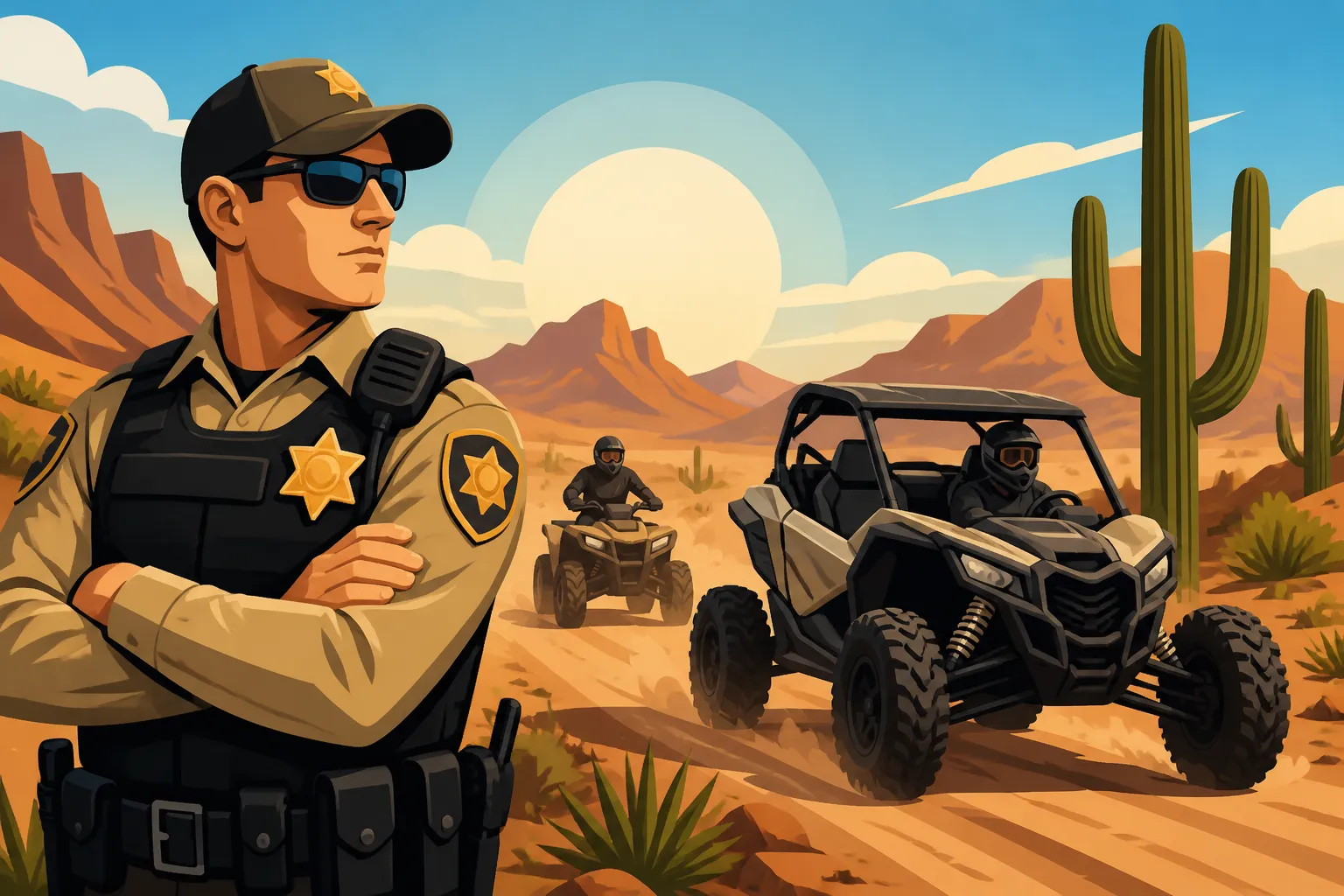
When you're out on an Arizona OHV route, you might actually encounter several different types of law enforcement, depending on where you're riding. It's not just one single agency. You could come across a Sheriff's Deputy, particularly if you're on county roads or state trust land. These are the general law enforcement officers who handle a wide range of issues. Then there are Arizona Game and Fish Department (AGFD) officers, who focus on wildlife, hunting, fishing, and OHV enforcement, especially on state-managed lands and trails. If you're riding on federal lands, like those managed by the Bureau of Land Management (BLM) or the U.S. Forest Service, you'll likely see their specific rangers or law enforcement officers. Each has their own jurisdiction and primary focus, but they all share the common goal of upholding the law and ensuring public safety. Knowing who manages the land you're on can sometimes give you a clue about who you might see.
| Agency Type | Jurisdiction (Typical) | Primary Focus (OHV-Related) |
|---|---|---|
| Sheriff's Deputy | County roads, unincorporated areas, State Trust Land | General law enforcement, traffic, trespassing, public safety |
| AZ Game & Fish Dept. | State lands, wildlife areas, OHV decal enforcement | OHV registration/decals, wildlife protection, hunting/fishing laws |
| BLM Ranger | Bureau of Land Management (Federal) Lands | Resource protection, permit compliance, OHV access on BLM routes |
| Forest Service LE Officer | U.S. Forest Service (Federal) Lands | Forest regulations, fire prevention, OHV access on Forest Service roads |
What Deputies Look For During OHV Stops
So, a deputy pulls you over on a desert trail – what's going through their mind? They're not just looking for trouble; they're primarily ensuring everyone is operating their machine legally and safely. It's a quick check to verify compliance and make sure you're not unknowingly putting yourself or others at risk. They often have a mental checklist that covers everything from your paperwork to your machine's equipment, as well as your riding conduct.
Essential Documents and Equipment Checks
First and foremost, law enforcement will ask for your essential documents. This usually includes proof of ownership – your registration, title, or a current bill of sale. They'll also want to see your valid driver's license, especially if you're operating on roads where one is required. And, of course, the big one for any off-highway rider in Arizona: your [Arizona OHV Decal Explained]. Make sure it's current and properly affixed to your license plate. Many riders keep all this critical paperwork in a waterproof bag on their machine, so it's readily accessible. Forgetting even one piece of paper can lead to a delay or even a citation, which is a frustrating way to end an otherwise great ride. Always remember to carry your [Keeping the Paperwork on the Machine] with you.
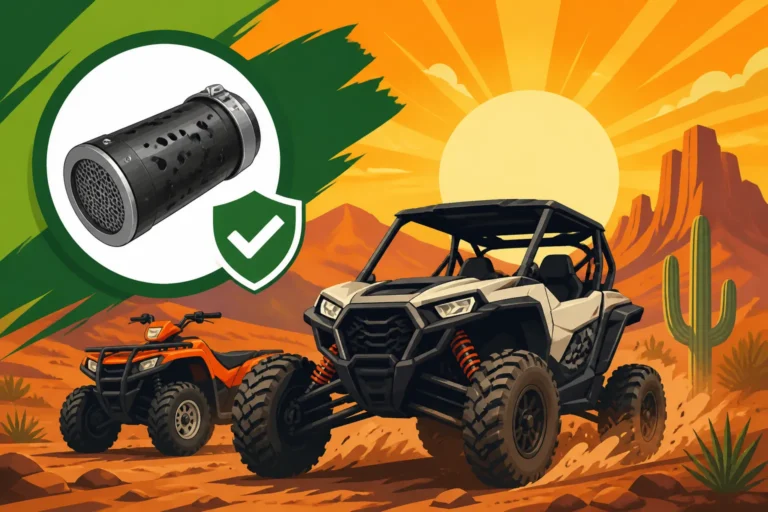
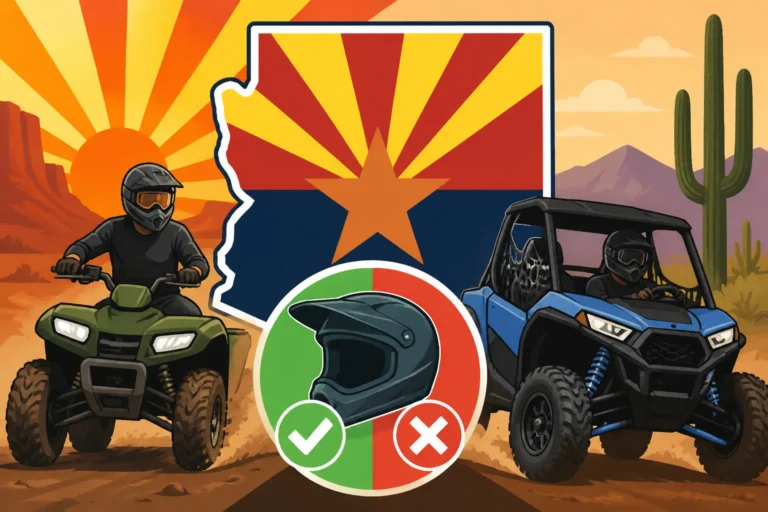
Beyond paperwork, deputies will often do a quick visual check of your machine's equipment. They'll be looking for things like a functional [Arizona's Spark Arrestor Requirement], which is crucial for preventing wildfires in our dry climate. Working headlights and taillights are important, especially if you're riding around dawn, dusk, or planning any road sections. Mirrors are typically required for street-legal operation, and if you're out in certain designated dune areas, a [Whip Flags on a Road Section of a Ride] might be mandatory. If you have passengers, especially minors, they'll check for proper seatbelts and that any riders under 18 are wearing a DOT-approved helmet, as per [Arizona Helmet Rules for Riders Under 18]. For those who've added awesome aftermarket parts from places like SuperATV, it's vital to ensure these upgrades still comply with all Arizona regulations, like noise limits or lighting requirements. An upgraded light bar from SuperATV is fantastic for night riding, but make sure it’s covered or switched off on public roads where it might not be street-legal. Don't forget [Eye Protection on an Arizona Road] too!
Safe and Responsible Riding Practices
Beyond the physical checks, deputies are observing your riding behavior and the overall situation. They're looking for signs of reckless driving, like excessive speed in inappropriate areas, careless maneuvers that could endanger others, or tearing up sensitive terrain by riding off-trail. Noise violations, particularly near residential areas or designated quiet zones, can also draw attention. They'll also be checking for any signs of impairment, as [Arizona Alcohol Limits for OHV Operators] apply just as they would in a car. Operating an OHV under the influence is a serious offense with significant penalties.
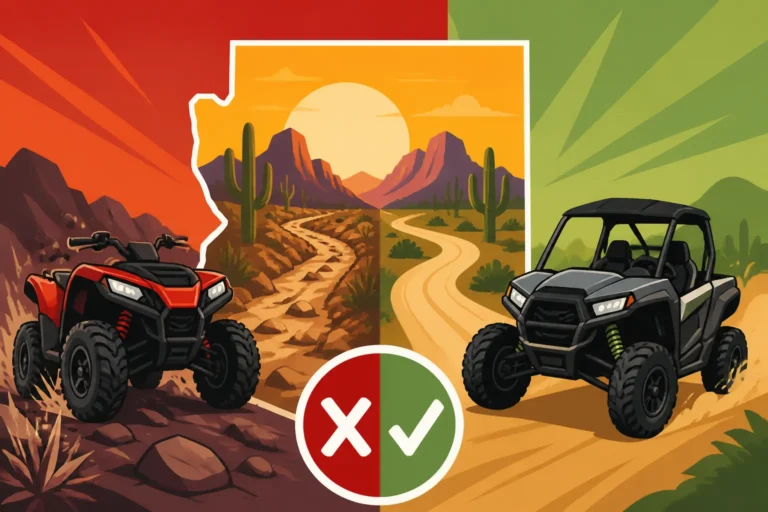
Another major area of concern is environmental damage. Deputies and rangers are keen on protecting our public lands from littering and illegal dumping. They want to ensure riders are staying on designated routes and not creating new trails, which can devastate delicate desert flora and disrupt wildlife habitats. Respecting private property signs and avoiding [Arizona Trespass Rules Along Desert Roads] is also a key part of responsible riding that law enforcement enforces. Ignoring these rules not only puts you at risk of a citation but can also lead to trail closures, impacting everyone who enjoys the sport.
How to Handle an OHV Stop with a Deputy
So, you've been signaled to pull over. It can be a little jarring, especially when you're out enjoying the freedom of the desert. But knowing how to react calmly and cooperatively can make all the difference in turning a potentially stressful situation into a quick and uneventful one. Remember, deputies are just doing their job, often focused on safety.
Staying Calm and Cooperative
The most important thing to do when a deputy or ranger signals you to stop is to stay calm. Pull your machine over to a safe spot, preferably off the main trail or road, and turn off your engine. Keep your hands visible, perhaps resting them on the handlebars or steering wheel. Avoid any sudden movements that could be misinterpreted. When the officer approaches, remain in your machine unless instructed otherwise. Politely greet them and listen carefully to their instructions. This isn't the time to start arguing or getting defensive. A calm, respectful demeanor goes a long way. They'll usually start by asking for your identification and documents, just as they would in a traffic stop with a car.
Understanding Your Rights and Obligations
During an OHV stop, you are obligated to provide your identification, machine registration, and any required permits, such as your [Arizona OHV Decal Explained] or a [Arizona State Trust Land Recreational Permits] if you're on State Trust Land. The officer may also ask you to confirm your name and address. Beyond that, you generally have the right to remain silent and do not have to answer questions about where you're going, what you've been doing, or anything that could be self-incriminating. However, being overly combative or refusing to answer basic, non-incriminating questions can sometimes prolong the stop or escalate the situation. It's often best to be polite and cooperative, provide the necessary documents, and only answer questions you feel comfortable with. If you're unsure, you can politely state that you'd prefer not to answer without legal counsel present. Remember, the officer's job is to ensure compliance, and a smooth interaction often ends with a friendly warning or a quick check, rather than a citation. However, if violations are found, be prepared for potential warnings, citations, or, in more severe cases, machine impoundment. Understanding [Arizona Fines for Illegal Road Riding] or other common infractions can help you prepare mentally. Knowing [What an Arizona Ranger Asks a Rider For] can also reduce anxiety.
Common Misconceptions and Proactive Measures
The vastness of the Arizona desert can sometimes lead to misunderstandings about the rules and the likelihood of encountering law enforcement. While the feeling of freedom is one of the best parts of OHV riding, it's crucial to distinguish between freedom and a free-for-all.
"The Desert is Wild West" Mentality
Many new riders, or even some seasoned ones, mistakenly believe that once they're off the pavement and deep in the desert, they've entered a "Wild West" zone where rules don't apply. This simply isn't true for Arizona's managed lands. While there might be fewer people, every inch of public land is subject to regulations designed to protect both the environment and public safety. Deputies and rangers aren't just lurking in the bushes to ticket you; they're actively managing these areas. For instance, [Arizona Rules on Forest Service Roads] exist to protect forest resources, and breaking them could lead to trail closures. Environmental damage from reckless riding, like tearing up washes or disturbing archaeological sites, can lead to significant fines and penalties. The presence of law enforcement isn't about stifling your adventure; it's about ensuring that the adventure can continue for generations to come, without destroying the very resources we cherish.
Preparing for a Smooth Encounter
The best way to ensure any encounter with law enforcement on the trails is a smooth one is to be prepared and proactive. Before every ride, do a thorough pre-ride check. This means more than just kicking the tires. Ensure all your machine's safety equipment is in working order – lights, horn, brakes, and especially that all-important spark arrestor. Double-check that your [Arizona OHV Decal Explained] is current and properly displayed. Make sure you have all your essential paperwork: driver's license, registration, proof of insurance, and your State Trust Land permit if you're riding on those lands. Consider having a digital copy of your [Arizona Game and Fish Portal Account] readily accessible on your phone, as this is where you manage your decals and permits.
For those who love to customize, aftermarket parts from companies like SuperATV can significantly enhance your riding experience, whether it's improved suspension, stronger bumpers, or brighter lighting. However, always verify that any modifications comply with Arizona's specific OHV laws. For example, while SuperATV light bars are excellent for visibility, ensure they are operated legally on public roads or have covers when not on designated off-road trails. Likewise, be mindful of noise regulations if you've installed an aftermarket exhaust. Taking these proactive steps not only keeps you compliant but also shows any deputy you might encounter that you're a responsible and respectful rider.
Disclaimer
This article is for general informational purposes only and does not constitute professional advice. Laws, prices and regulations vary by location and change over time. Consult a qualified professional for guidance on your specific situation.