Titling a Machine Rebuilt From Two Wrecks
It's incredibly frustrating when you're trying to piece together the perfect off-highway vehicle (OHV) on a budget, maybe even rescuing a few machines from the scrap heap, only to hit a wall at the MVD. You've got two, maybe three, wrecked quads or side-by-sides, a vision for a beastly machine, and a pile of parts. But when it comes to getting a clear title for your newly rebuilt masterpiece, Arizona's regulations can feel like trying to navigate a wash during monsoon season. This guide will walk you through the often-confusing process of titling an OHV you've rebuilt from two or more wrecked machines in Arizona, helping you understand the paperwork, inspections, and specific steps to get your project legally on the dirt.
The Challenge of Rebuilding from Multiple Wrecks
There's a special satisfaction that comes from bringing a machine back to life, especially one assembled from the bones of others. For many Arizona riders, it's a labor of love, a way to build a custom ride, or simply the most economical path to getting out on the trails. But while your garage might be a wonderland of mechanical ingenuity, the Arizona Motor Vehicle Division (MVD) sees things a bit differently.
The Allure of a Budget Build
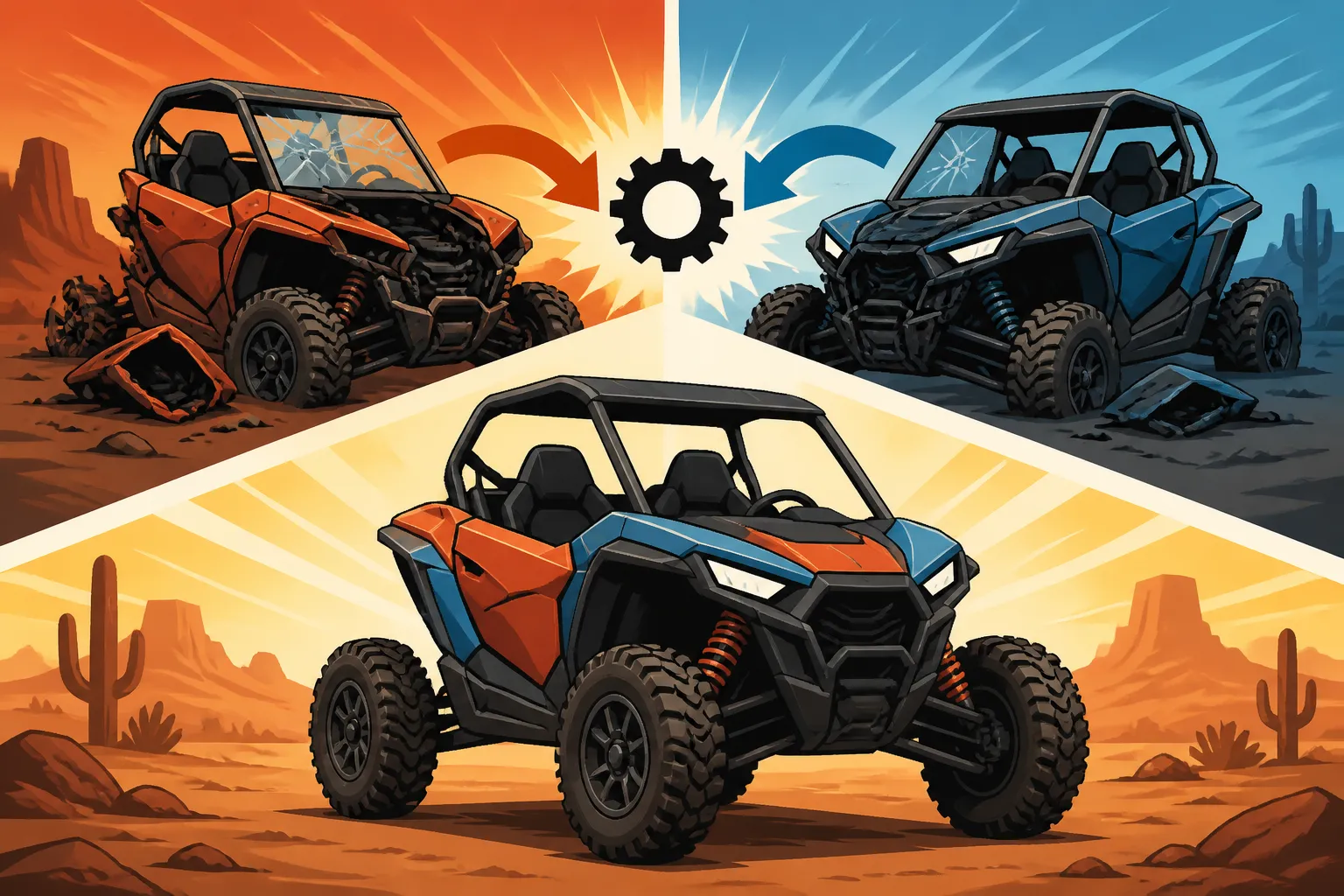
Let's be real, new OHVs can cost a small fortune. For many of us, the dream of owning a rugged side-by-side or a nimble ATV comes with a dose of reality: the budget. This often leads to searching online marketplaces for salvage machines, rolling chassis, or even just piles of parts. The idea is to combine the best components from a couple of wrecked units to create one functional, trail-ready vehicle. Perhaps one machine has a perfectly good engine but a bent frame, while another has a solid frame but a blown transmission. Combine them, and you've got a winner, right? This "Frankenstein" approach is appealing for its cost savings and the pride of building something unique. It’s a common path for folks who love to wrench and want to maximize their riding dollars.
Why the MVD Cares About Your Parts Donors
While your intentions are pure, the MVD has a responsibility to prevent fraud, track ownership, and ensure public safety. When you combine parts from multiple wrecked machines, you're essentially creating a new vehicle, or at least a vehicle with a significantly altered identity. The MVD isn't just worried about whether your brake lines are secure; they're concerned about the provenance of every major component. They want to ensure that none of the parts you used were reported stolen, and that you have a clear, legal chain of ownership for the primary components – especially the frame where the Vehicle Identification Number (VIN) is stamped. Without this careful scrutiny, it would be far too easy for criminals to launder stolen parts or re-tag vehicles illegally. This is why the paperwork trail for such a build is so crucial.
Understanding Arizona's Stance on Rebuilt and Assembled OHVs
The MVD doesn't have a specific category for "Frankenstein machines," but they do have ways to handle vehicles that have undergone significant reconstruction or have been built from scratch. Your multi-wreck build will likely fall into one of two main classifications: a "rebuilt" vehicle if you're primarily using one frame/VIN, or an "assembled" vehicle if the origin is less clear or you're effectively creating a new identity.
Salvage vs. Rebuilt vs. Assembled: What Arizona Sees
It's important to understand the distinctions here. A "salvage" title is typically issued when an insurance company declares a vehicle a total loss due to damage, theft, or flood. This title signals that the machine isn't road or trail-worthy in its current state. If you then repair that single salvage-titled machine, and it passes the necessary inspections, it can be issued a "rebuilt" title. This rebuilt title indicates that it was once salvage but has been repaired and deemed safe.
However, when you're combining parts from two or more different wrecked machines, you often venture into "assembled vehicle" territory. In this scenario, you're not just repairing a single damaged vehicle; you're constructing one from disparate parts. The MVD may assign your creation a new VIN, marking it as an assembled vehicle, particularly if it's difficult to identify a single "original" frame or primary VIN. Understanding [Salvage and Rebuilt Machines in Arizona] is the first step in preparing for this process.
The Importance of a Clean VIN
For any OHV in Arizona, the VIN is its fingerprint. When you're building a machine from multiple wrecks, the VIN from the frame you choose as your primary base must be clean. This means it cannot be reported stolen, and its history must be traceable. Even if the frame came from a machine with a salvage title, that's often manageable. What creates a significant hurdle is a VIN that shows up as stolen or tampered with. The MVD will run thorough checks on any VIN presented. If your primary frame's VIN is compromised, you'll face substantial difficulties, likely preventing you from ever titling the machine. It's always a good practice to run a VIN check on any major component you purchase before you invest significant time and money into a build. If you find yourself in a situation where you need to clarify or correct a VIN on an existing record, understanding [Correcting a VIN on an Arizona Record] can be helpful, though for a multi-wreck build, the focus is on establishing the VIN's legitimacy from the outset.
The Paperwork Trail: Proving Ownership for Every Piece
When you're dealing with a multi-wreck rebuild, the MVD isn't just going to take your word for it. They need a comprehensive paper trail proving legitimate ownership of all the primary components. This is where meticulous record-keeping becomes your best friend. Without clear documentation, you're going to hit a brick wall.
Bills of Sale for Every Donor Machine and Major Component
This cannot be stressed enough: you absolutely need a detailed bill of sale for every single donor machine and every major component you've used in your build. This includes frames, engines, transmissions, differentials, and even significant accessories if they have identifiable serial numbers. Simply having a receipt for the entire "wrecked ATV" you bought isn't enough if you're taking the engine from one, the frame from another, and the suspension from a third. Each bill of sale should clearly identify the seller, the buyer, the date of sale, the price, and, most importantly, the VIN or serial number of the specific component being sold. If you're buying from private sellers, insist on this level of detail. Generic, handwritten notes simply saying "ATV parts" won't cut it. For a robust and legally sound agreement, consider using a template from a service like LawDepot, which can help ensure all necessary information is captured for [What an Arizona Bill of Sale Should Carry]. This kind of detailed record is your primary defense against any questions about stolen parts.
Receipts for New Parts and Services
Beyond the major components, you'll also want to keep meticulous records of all new parts purchased and any professional services rendered. Did you buy a new axle? Keep the receipt. New wiring harness? Save that receipt. Did a welder fabricate a custom cage or repair a frame section for you? Get a detailed invoice for their labor and materials. While these receipts might not directly prove ownership of the core machine, they contribute to the overall picture of your build and show legitimate expenditures. They demonstrate that you're investing in a legitimate project and not simply trying to mask stolen components. The MVD wants to see a transparent and verifiable process from start to finish. All these documents form your [Proof of Ownership for an Arizona Title].
The Affidavit of Assembly (or Similar)
For a machine built from multiple sources, Arizona typically requires what's often referred to as an Affidavit of Assembly or a similar declaration. This is a sworn statement from you, the builder, detailing how the vehicle was constructed, what major components were used, and where they originated. It's essentially your narrative of the build, backed up by all those bills of sale and receipts. This affidavit will list the primary VIN you've chosen for your machine (usually from the frame) and then describe the other major components and their sources. This document helps the MVD understand the "story" of your OHV, especially since it doesn't fit the typical new or used vehicle registration process. Preparing this affidavit carefully, with all your supporting documentation ready, will streamline your application significantly when you visit an MVD office or a [Third-Party MVD Providers That Register OHVs].
Inspections and Finalizing Your Rebuilt Title
Once your OHV is physically complete and you've amassed your mountain of paperwork, the final hurdle is often the MVD's inspection process and the actual application for the title. This can feel like the final exam for your entire project, but with thorough preparation, you can pass with flying colors.
The VIN Inspection: More Than Just a Number Check
For any rebuilt or assembled vehicle, a VIN inspection is mandatory. This inspection will be performed by an authorized MVD agent or, in some cases, by law enforcement personnel. They're not just checking to see if the VIN on your frame matches your paperwork. They're looking for signs of VIN tampering, evidence that the frame or other major components may have been stolen, and verifying that the VINS of all significant components (engine, frame, etc.) are legitimate and match your documentation. This is precisely why your detailed bills of sale and receipts for every part are so vital. An inspector will meticulously cross-reference the numbers on your machine with the ownership documents you provide. Knowing [Finding the VIN on a Desert-Worn Machine] might seem simple, but ensuring it's clearly visible and matches your documents is key for this inspection. Be prepared to show them exactly where all the numbers are located.
Applying for the Assembled or Rebuilt Title
After passing the VIN inspection and having all your ownership documents in order, you're ready to head to the MVD or a third-party service provider to apply for your [Arizona Certificate of Title for an Off-Highway Vehicle]. You'll need to bring:
- Your completed application for title and registration.
- All original bills of sale for donor machines and major components.
- Receipts for new parts and services.
- Your Affidavit of Assembly.
- The results of your VIN inspection.
- Proof of identification.
At this point, the MVD will review everything. If your machine is clearly built from various salvaged parts, and you've established a solid paper trail, they will likely issue a "rebuilt" title or, if it's truly a creation without a single primary VIN, an "assembled vehicle" title, sometimes with a newly assigned VIN. While less common for OHVs built from wrecks, it's worth noting that if you cannot establish a complete chain of ownership for all major components, the MVD might suggest a [Bonded Title for a Quad in Arizona]. However, this is usually a last resort for machines with unknown origins, not for those with partial documentation from multiple wrecks. The goal is to provide enough clear evidence to avoid that extra, complex step. The process for [Titling an ATV at an Arizona MVD Office] is typically the same, just with more scrutiny on the documentation.
What a Rebuilt Title Signals to a Buyer
While getting your rebuilt OHV titled is a huge victory, it's worth considering the long-term implications, especially if you ever plan to sell it. A rebuilt or assembled title generally signals to a potential buyer that the vehicle was once significantly damaged or constructed from disparate parts. This can sometimes affect the resale value, as some buyers prefer vehicles with clean, original titles. However, for those in the know, a meticulously documented and well-built machine with a rebuilt title can still be a valuable asset. Transparency is key. When you go to sell, having all the records of your build, including photos and detailed receipts, can help demonstrate the quality of your work and instill confidence in a buyer. Understanding [What a Rebuilt Title Signals to a Buyer] is important for managing expectations down the line. Remember, there will be an [Arizona OHV Title Fee] as part of this process, and knowing the current [Documents an Arizona MVD Office Wants] will make your visit smooth.
| Document Type | Purpose | Importance for Multi-Wreck Builds |
|---|---|---|
| Bills of Sale | Proves ownership of donor machines/major components | Critical – Essential for every VIN/serial |
| Receipts | Shows legitimate purchase of new parts and professional services | Highly Important – Builds credibility |
| Affidavit of Assembly | Your sworn statement detailing the build process and component origins | Critical – Your narrative of the build |
| VIN Inspection Report | Official verification of VINs and component legitimacy | Mandatory – Required by MVD |
| Primary Donor Title | If one major donor had a title (salvage or clean) | Highly Important – Establishes primary origin |
| AZ Title Application | The formal request to issue a title for your OHV | Mandatory – The application form |
Disclaimer
This article is for general informational purposes only and does not constitute professional advice. Laws, prices and regulations vary by location and change over time. Consult a qualified professional for guidance on your specific situation.