Arizona Records Request for a Quad’s History
It can be incredibly frustrating to consider purchasing an ATV or UTV in Arizona, or even just trying to get your own machine registered, only to find yourself wondering about its past. You might have a quad that's been sitting in the family for ages with murky origins, or you're eyeing a used side-by-side that seems like a great deal but has no clear paperwork. This guide is here to unravel the mystery of how to request and understand an Arizona off-highway vehicle's history records, helping you make informed decisions and avoid potential headaches down the line.
Why Would You Need a Quad's History in Arizona?
Knowing the history of an ATV or UTV isn't just about curiosity; it's about protecting your investment, avoiding legal tangles, and ensuring you're getting exactly what you pay for. In a state like Arizona, where OHV culture runs deep and transactions happen often, understanding a machine's past can save you a world of trouble.
Uncovering Past Ownership and Liens
Imagine you've found the perfect used Polaris RZR on a local marketplace. The seller seems great, the price is right, but something feels a little off. Maybe they're vague about how long they've owned it, or they can't quite put their finger on the original title. This is precisely when diving into the machine's history becomes critical. By requesting records, you can uncover every previous owner, noting the dates of transfer and, crucially, any existing liens.
A lien on a vehicle means that someone else has a financial claim to it, typically a bank or a lending institution. If you buy a quad with an undisclosed lien, you could find yourself in a nightmare scenario where the lienholder comes looking for their property, and you're out both the machine and the money you paid. Understanding [Liens on an Arizona OHV Title] is paramount, whether you're buying from a private party or even inheriting a machine where the financial obligations might be unclear. Nobody wants to discover their new desert toy actually belongs to a bank in another state because a previous owner never paid off their loan.
Verifying the VIN and Machine Details
One of the most foundational pieces of information for any OHV is its Vehicle Identification Number (VIN). This unique 17-character code is like the machine's DNA, telling you its manufacturer, model year, assembly plant, and sequential production number. When you're looking at a potential purchase, you absolutely want to ensure the VIN on the machine matches the VIN on any paperwork, like the title or registration.
Discrepancies can be a huge red flag. Perhaps a seller provides a bill of sale with one VIN, but the actual machine has another. This could indicate a mistake, but more seriously, it could signal a stolen vehicle or a "chop shop" build where parts from different machines have been combined. By requesting official records using the VIN from the machine itself, you can verify if that VIN aligns with its titled history in Arizona, or if there's a different title on file. This simple check can prevent you from inadvertently buying a stolen machine or one with a doctored identity, which would leave you with serious legal and financial consequences.
Investigating Accident or Salvage History
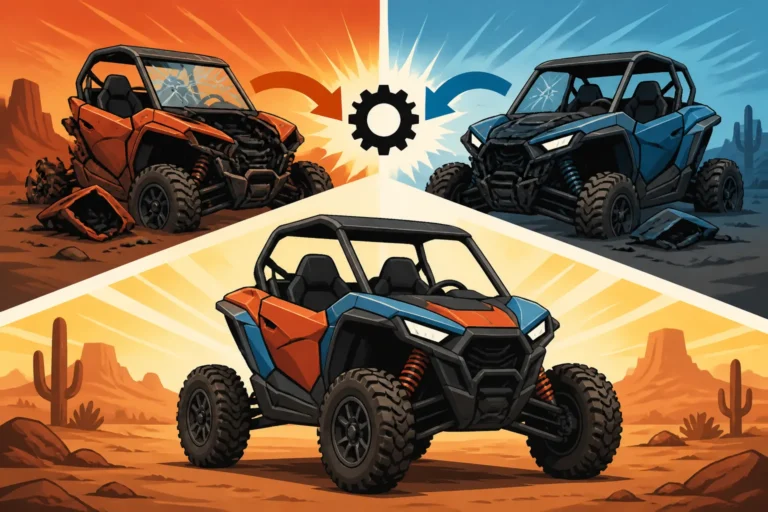
The desert can be a tough environment for OHVs, and accidents happen. Sometimes, a quad might just have a few scratches from a tip-over. Other times, it could have been involved in a serious crash, declared a total loss by an insurance company, and then rebuilt. A salvage title, or a branded title indicating major damage, significantly impacts a machine's value and its long-term reliability.
A record request can often reveal if a machine has ever been reported as salvaged or totaled. While a seller might gloss over "a little cosmetic damage," official records could tell a different story, showing the machine was extensively damaged and then rebuilt. It’s vital to know if you're buying a machine that has a history of major repair, as this can affect everything from its structural integrity to your ability to [Insuring an ATV in Arizona] in the future. Armed with this knowledge, you can either negotiate a fair price that reflects the machine's true condition or walk away from a potentially problematic purchase.
The Process: How to Request Arizona OHV Records
Requesting records for an Arizona OHV isn't as daunting as it might seem, but it does require understanding what information is accessible and how to properly ask for it. The state has specific rules about what can be shared and with whom.
Understanding Arizona's Public Records Law
In Arizona, certain vehicle records are considered public information, while others are protected under privacy laws. Generally, machine-specific information—like its make, model, year, VIN, and current or past lienholder details—is often accessible. However, personal identifying information of previous owners, such as their names and addresses, is typically restricted unless you meet specific criteria, such as having a legitimate legal interest or obtaining a court order. This is to protect individual privacy.
So, while you might not get a full list of names and addresses of every person who ever owned a particular quad, you can usually get a detailed history of the machine itself, including when titles were issued, any branding (like "salvage"), and if there are any active liens. This distinction is important to manage your expectations when you submit a request. For instance, if you're drafting a legal document related to an OHV transfer, tools like those from LawDepot can provide templates, but they won't help you circumvent privacy laws to get personal contact information from state records.
Submitting Your Request to the Arizona MVD
The primary way to get official records in Arizona is through the Motor Vehicle Division (MVD). You'll typically need to fill out a specific form, often referred to as a "Request for Motor Vehicle Records" or similar. This form will ask for your identifying information, the VIN of the OHV you're inquiring about, and the reason for your request. It’s crucial to be as specific as possible about the machine and your need for the records.
You can often submit these requests by mail or in person at an MVD office. There might be a small fee associated with the request, and processing times can vary. Be prepared to show identification to prove who you are, especially if you're seeking information beyond basic machine data. Remember, the MVD focuses on official, state-recorded information, so it’s the most authoritative source for things like [Arizona Certificate of Title for an Off-Highway Vehicle] history, lien entries, and official registration dates.
Utilizing Third-Party Services for VIN Checks
Beyond the official MVD route, several commercial third-party services specialize in providing vehicle history reports. These services, often accessible online, compile data from various sources, including state MVDs, insurance companies, and even police reports. They typically require just the VIN of the machine and can generate a report very quickly, sometimes within minutes.
These services can be particularly useful for a quick initial check when you're considering buying a used quad. They can often flag issues like accident history, odometer discrepancies, flood damage, and whether the vehicle has been reported stolen. While they might not have the same depth of ownership detail as a direct MVD request (again, due to privacy laws), they offer a convenient and comprehensive overview that aggregates data you might not easily find elsewhere. They're a great first step for [Checking a Serial Number Before Handing Over Cash] and getting a broad picture before you commit to a purchase.
What Information You Can Expect to Find (And What You Might Not)
Once you've navigated the process of requesting records, you'll receive a report that can be a treasure trove of information, though it's important to know its limitations. Understanding what each piece of data signifies is key to making sense of your quad's history.
Key Data Points in an Arizona OHV Record
An Arizona OHV record, particularly one from the MVD, typically provides a chronological account of the machine's life. You can expect to see:
- Title History: This includes the date the current title was issued, and often the dates of previous titles. It might show if the title was ever branded (e.g., salvage, rebuilt, flood, non-repairable). This is vital for understanding a machine's journey through various owners and its condition.
- Ownership Transfers: While specific personal details might be redacted, the record will usually indicate when a transfer of ownership occurred. This helps establish a chain of custody, which is crucial for [Proof of Ownership for an Arizona Title].
- Lien Information: Any active or past liens recorded against the OHV will be listed, including the name of the lienholder and the date the lien was placed or released. This is perhaps one of the most critical pieces of information for a prospective buyer.
- Registration History: You might see dates of registration and any instances where the registration lapsed. This gives a picture of how regularly the machine was used and kept current with state requirements.
- Vehicle Specifications: Confirmation of the make, model, year, and VIN ensures the records pertain to the specific machine you are investigating.
This data paints a robust picture of the machine's official life within Arizona's record system. If you're using a tool like LawDepot to prepare a [What an Arizona Bill of Sale Should Carry], having this historical context helps you draft the most accurate document possible reflecting the machine's true status.
Limitations and Privacy Considerations
Despite the wealth of information available, there are important limitations to consider. As mentioned, Arizona's privacy laws generally prevent the MVD from releasing the names, addresses, or other personal contact information of previous owners to the public. This means you won't get a phone book of everyone who ever titled the machine.
Furthermore, records from private sales that were never officially documented with the MVD might not appear. If a quad changed hands several times without new titles being issued, or if it was sold with only a bill of sale and never properly registered by subsequent owners, those transfers might be invisible in the official MVD history. Older machines, particularly those from before robust digital record-keeping, might also have sparse records. It’s a common issue when dealing with [Titling an Arizona Quad With No Ownership History] or when a seller never got the previous title properly signed over, leading to scenarios like [Titling a Machine the Seller Never Signed For].
Dealing with Incomplete or Missing Records
What happens if you request records, and they come back thin, or worse, non-existent? This isn't uncommon, especially with older OHVs or those that have been bought and sold informally for years. If records are incomplete, it means you have less information to rely on. You might need to adjust your expectations, especially if you were hoping for a pristine, comprehensive history.
In such cases, you'll need to rely more heavily on other forms of documentation and due diligence. This includes demanding a clear [Proof of Ownership for an Arizona Title] from the current seller, even if it means they need to apply for a duplicate title if theirs is lost (see [Replacing a Lost Arizona Title]). You might also need to be prepared for more complex processes like obtaining a [Bonded Title for a Quad in Arizona] if the ownership trail is truly broken. For very old machines, physical inspections and the seller's candidness become even more critical, as the official paper trail may simply not exist as completely as it would for a newer vehicle.
Common Scenarios Where Records Are Crucial
Knowing how to access and interpret an OHV's history is more than just a good idea; it's a critical skill in several common situations for Arizona riders. From major purchases to navigating tricky title transfers, these records are your best defense.
Buying a Used Quad: Protecting Your Investment
This is perhaps the most frequent scenario where a record request becomes indispensable. When you're spending your hard-earned money on a used ATV or UTV, you want peace of mind. A record request helps you screen out potential problems before they become your problems. For example, if a seller is pushing for a cash-only deal and seems hesitant to provide the VIN, or if they insist on meeting in an unusual location, these are all potential red flags.
By running a VIN check and reviewing the official records, you can proactively identify if the machine has a salvage title, an active lien, or if the VIN itself has been reported stolen (a crucial step for [Screening a Used Quad for a Theft Report]). Imagine purchasing a side-by-side only to find out months later that it was reported stolen from another state. Without thorough record checks, you risk losing your investment and potentially facing legal scrutiny. Always prioritize due diligence when [Buying a Used Side-by-Side in Arizona: The Paperwork], ensuring the machine's past doesn't haunt your future rides.
Selling a Quad: Ensuring a Smooth Transfer
It's not just buyers who benefit from accessible records; sellers do too. Being able to provide a clear, accurate history of your quad upfront can build trust with potential buyers and facilitate a much smoother sale. When a buyer asks for the VIN so they can run a history check, having all your paperwork in order and being transparent about the machine's past will expedite the process.
Consider a scenario where you're selling a machine that had a minor incident years ago, which was fully repaired and properly documented. If you can present the records showing the repair and a clean title now, it will instill confidence in your buyer. Proactively addressing any questions about the machine's history, perhaps by showing a copy of its MVD record, demonstrates honesty and significantly reduces the likelihood of post-sale disputes. You can also use a platform like LawDepot to create a professional [What an Arizona Bill of Sale Should Carry] that explicitly states the machine's history as known, further protecting both parties.
Resolving Title Issues or Disputes
Life happens, and sometimes, OHV ownership can get complicated. Maybe you inherited a quad, and the family can't find the original title, leading to confusion about who legally owns it. Or perhaps you bought a machine years ago with just a bill of sale, and now you're trying to finally get a proper title, only to discover a lien you never knew about. In these situations, official Arizona OHV records become absolutely indispensable.
They serve as critical evidence when you need to prove ownership for [Getting an Arizona Certificate of Title for a Quad], challenge an incorrect lien, or navigate probate issues for an inherited machine. The records can help clarify the chain of ownership, establish the legal status of the vehicle, and provide the necessary documentation to correct errors or resolve disputes with the MVD or other parties. Without these historical records, untangling such issues can be a lengthy, frustrating, and often expensive ordeal.
Comparison of Record Request Methods
| Feature | Arizona MVD Direct Request | Third-Party VIN Check Services |
|---|---|---|
| Information Focus | Official state title, lien, and registration history | Aggregated data: accident, salvage, theft, odometer, liens |
| Data Sources | Arizona MVD database | MVDs, insurance companies, police reports, repair facilities |
| Privacy Restrictions | Strict, personal owner info usually redacted | Limited personal info, focuses on machine data |
| Cost | Typically a small fee per request | Varies by service; usually a one-time fee per report |
| Turnaround Time | Can range from days to weeks, depending on submission method | Instant or within minutes for most reports |
| Best For | Verifying official title status, active liens, proof of ownership | Quick, comprehensive pre-purchase checks for red flags |
| Required Info | VIN, your ID, reason for request | Primarily VIN |
Disclaimer
This article is for general informational purposes only and does not constitute professional advice. Laws, prices and regulations vary by location and change over time. Consult a qualified professional for guidance on your specific situation.