Recovering a Stolen Machine in Arizona
That gut-wrenching feeling when you walk out to your garage, carport, or even your favorite desert staging area, only to find your ATV or UTV isn't where you left it. It's more than just a stolen piece of equipment; it's a loss of freedom, a disruption of your passion, and a significant financial blow. In Arizona, where off-highway vehicle (OHV) riding is a way of life for so many, machine theft is a painful reality. This guide is here to walk you through the essential steps and important considerations for recovering a stolen quad or side-by-side, helping you navigate the immediate chaos and the often-frustrating aftermath.
Immediate Actions After Discovering Your Machine is Gone
The first few hours after you discover your ATV or UTV has been stolen are absolutely critical. While your mind might be racing and emotions running high, taking swift, decisive action can significantly increase your chances of recovery and streamline the entire process. Don't waste time on futile searches; focus on getting the right people involved immediately.
Contacting Law Enforcement
Your very first call, after confirming the theft, should be to your local law enforcement agency. This might be the city police department if it happened in a metropolitan area like Phoenix or Tucson, the county sheriff's office if you're in a more rural part of Arizona, or even tribal police if your machine was taken from reservation land. It's important to provide them with as much detail as possible, as quickly as possible. Don't just say "my quad is gone"; be prepared with specific information. The faster a report is filed and the machine's VIN (Vehicle Identification Number) is entered into national databases, the better. Law enforcement relies on accurate information to put out alerts and flag the vehicle if it's spotted or attempts are made to register or sell it. You might feel overwhelmed, but the officers are there to help, and they need a clear picture of what happened. They'll generate a case number, which you'll need for insurance claims and any future follow-ups.
Gathering Essential Information for the Report
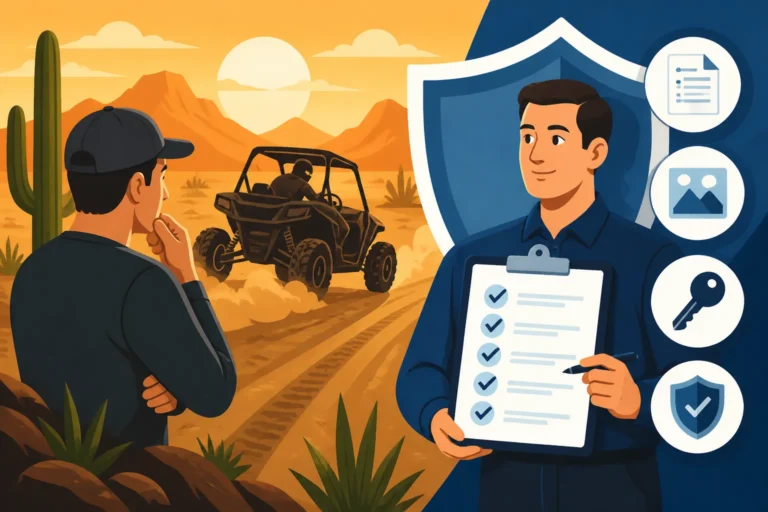
Before you even make that call, or immediately after, start compiling every piece of information you have about your stolen machine. The more data you can provide, the stronger your report will be, and the better equipped law enforcement will be to act. Think about the physical characteristics of your ATV or UTV, its unique identifiers, and any circumstantial details of the theft. This isn't just about the basics; it's about painting a full picture for the investigating officers. Remember that every detail, no matter how small it seems to you, could be a crucial clue for them. Having photographs is incredibly helpful, so gather any images you have of your machine. This information will also be vital when you speak with your insurance company.
Here’s a checklist of information to have ready for your theft report:
| Information Category | Details to Provide | Why It's Important |
|---|---|---|
| Machine Identification | Full VIN (Vehicle Identification Number) | Unique identifier, crucial for national theft databases and recovery. [Finding the VIN on a Desert-Worn Machine] |
| Make, Model, Year | Basic identification. | |
| Color (primary & accent) | Visual recognition for officers. | |
| Engine size/type (e.g., 900cc, electric) | Further specificity for identification. | |
| Registration/Title Info | Arizona License Plate Number (if applicable, e.g., for street-legal machines) | Additional identifier for law enforcement databases. |
| Arizona OHV Decal number and expiration (if applicable) | Links to state registration records. [Arizona's Annual OHV Decal Explained] | |
| Title number | Proof of ownership and legal record. [Getting an Arizona Certificate of Title for a Quad] | |
| Unique Features | Aftermarket accessories (e.g., specific tires, lights, winch, stereo, roof, lift kit) | Makes your machine distinctive, harder to resell discreetly. |
| Any damage, dents, scratches, or custom paint jobs | Identifiable marks even if accessories are removed. | |
| Distinctive stickers, graphics, or branding | Quick visual recognition. | |
| Theft Circumstances | Date and approximate time of theft | Establishes a timeline for investigation. |
| Location of theft (street address, cross streets, GPS coordinates if remote) | Helps law enforcement canvas the area. | |
| How it was secured (e.g., locked garage, chained, alarm) | Provides insight into the theft method. | |
| Any witnesses or surveillance footage (security cameras, doorbell cams) | Potential leads and evidence. | |
| What else was stolen (e.g., trailer, gear, tools) | May provide additional clues or lead to related cases. |
Alerting Your Insurance Company
Once you've filed a police report, your next call should be to your insurance provider. Even if you're holding out hope for immediate recovery, starting the claim process as soon as possible is a smart move. Insurance companies have specific procedures for handling stolen vehicle claims, and there are often deadlines for reporting a theft. Having your policy number and the police report number handy will make this conversation much smoother. Your insurer will want all the details you provided to law enforcement, plus information about your coverage. It’s crucial to understand what your policy covers. Did you have comprehensive coverage, which typically protects against theft, fire, and vandalism? Or did you only have liability, which wouldn't cover the loss of your own machine? Knowing the specifics of your [Insuring an ATV in Arizona] policy can help manage your expectations regarding financial recovery. They may ask for a waiting period before processing the claim fully, to allow time for law enforcement to potentially recover the machine.
Spreading the Word: Leveraging Community and Digital Tools
After you've done the official reporting, it's time to become an active participant in the search. The power of the community, especially in a tight-knit OHV state like Arizona, cannot be underestimated. Many stolen machines are recovered because a vigilant rider or community member spotted it and reported it. You need to get eyes on your machine, both online and off.
Utilizing Social Media and Online Forums
Social media platforms are incredibly powerful tools for spreading the word quickly. Post clear, high-quality photos of your stolen ATV or UTV on all your personal accounts, making sure to include the make, model, year, VIN (if you're comfortable sharing it, though sometimes advising people to check the VIN if they see a suspicious machine is safer), and any unique identifying features. Crucially, specify the exact location and approximate time it was stolen. Use relevant hashtags like #ArizonaOHV, #StolenATV, #UTVTheft, #[YourCity]Police, etc.
Beyond your personal network, seek out local Arizona OHV riding groups on Facebook, Reddit, or dedicated forums. Groups like "Arizona UTV Riders," "Phoenix Off-Road Enthusiasts," or "Prescott Quad & Side-by-Side Club" often have thousands of members who are passionate about the sport and quick to share alerts. These riders are out on the trails and roads, and they know what to look for. They might even have connections to local dealerships or repair shops that thieves often target for parts or quick resale. Share your post and ask members to share it widely. The more eyes scanning the desert, the staging areas, and even craigslist postings, the better.
Engaging Local Riding Communities and Dealerships
Don't just rely on digital platforms. Make an effort to reach out to physical locations where OHVs are bought, sold, and serviced. Visit local powersports dealerships, repair shops, and even pawn shops in your area and the surrounding communities. Provide them with flyers containing your machine's details, including the VIN, and ask them to keep an eye out. Thieves often attempt to sell stolen machines or parts through these channels, sometimes even bringing them in for service. Many reputable shops maintain internal "hot sheets" for stolen vehicles and can be invaluable allies in the recovery process.
Also, consider contacting OHV clubs and associations in Arizona. They often have established communication networks and can help disseminate information to their members through newsletters or group chats. The broader your network of informed individuals, the greater the chance someone will recognize your machine or notice something suspicious. Remember, riders look out for other riders.
Exploring Online Databases and Theft Registries
Beyond social media, there are dedicated online databases and theft registries specifically for powersports vehicles. Sites like NICB (National Insurance Crime Bureau) often have searchable databases where you can check if a VIN has been reported stolen. While law enforcement will enter your VIN into their systems, checking these external registries can also be beneficial, especially if you're trying to vet a used machine for purchase later on.
There are also VIN check services that can reveal if a vehicle has been reported stolen. If you're buying a used machine in Arizona, always use these services and check the VIN against theft registries before handing over cash. [Screening a Used Quad for a Theft Report] is a crucial step for buyers, but for theft victims, it's about understanding how these systems work so you know where your machine's information is being logged and how it might be identified. Keep an eye on online classifieds like Craigslist, Facebook Marketplace, and specialty OHV selling sites. Thieves often try to quickly offload stolen machines, sometimes at suspiciously low prices. If you spot a potential match, do not attempt to recover it yourself. Contact law enforcement immediately with the listing details.
Navigating the Aftermath: Insurance, Titles, and Recovery
The days and weeks following a theft can be a rollercoaster of emotions and administrative tasks. You'll be dealing with your insurance company, holding onto hope for recovery, and perhaps even facing the reality that your machine might be gone for good. Understanding these processes can alleviate some of the stress.
Understanding Your Insurance Claim Process
After you've reported the theft to your insurance company, they will typically open a claim. As mentioned, there's often a waiting period—sometimes 30 days or more—to allow law enforcement time to investigate and potentially recover the machine. During this period, keep in regular contact with both the police department and your insurance adjuster. Provide any new information you might receive.
If your machine isn't recovered within the waiting period, your insurance company will usually begin the process of settling your claim. This involves evaluating the actual cash value (ACV) of your ATV or UTV at the time of the theft, considering depreciation, condition, and any modifications you had. If you had an agreed-value policy, the process might be simpler, as the value would have been pre-determined. Be prepared to provide proof of ownership, receipts for aftermarket parts, and detailed descriptions of your machine. Having a thorough record of your ownership, potentially including a detailed bill of sale or purchase agreement that you could create with a service like LawDepot, can be invaluable here. Once the claim is settled, your insurer will typically issue you a payment, and they will then take ownership of the machine if it is ever recovered. This is why it's so important to fully understand your [Arizona OHV Title Fee] and [Arizona Sales Tax on a Machine Purchase] when you originally bought it, as those costs are now a factor in your claim.
Dealing with a Recovered Machine
Sometimes, against the odds, a stolen ATV or UTV is recovered. This can happen days, weeks, or even months after the theft. If your machine is recovered before your insurance company has paid out your claim, you'll need to coordinate with law enforcement to get it back. There might be a process to identify and confirm ownership, often involving matching the VIN and other unique identifiers. Once confirmed, you can typically pick it up. Be aware that recovered machines often come with damage or missing parts, as thieves may strip them down or use them roughly. Document any damage immediately and report it to the police and your insurance company.
If your machine is recovered after your insurance company has paid out your claim, things are a bit different. Since the insurer paid you for the loss, they now own the machine. They will handle its recovery and disposition, which might involve selling it at auction or salvaging it for parts. If you've become attached to your machine, you might have the option to buy it back from the insurance company, often at a reduced rate, but this would be a separate transaction and you'd need to assess the cost of any repairs against its value.
The Process if Your Machine is Never Recovered
It's a tough reality, but many stolen OHVs are never recovered. If this is the case, and your insurance claim has been settled, you'll likely receive a payout for the value of your machine as determined by your policy. This marks the official closure of the theft chapter. At this point, you'll want to ensure that all records, including your Arizona MVD title and registration, are updated to reflect the machine as stolen and not recovered. This prevents any future liabilities should the VIN ever resurface under dubious circumstances.
You might also consider obtaining a copy of the police report and the insurance claim closure documents for your personal records. While it's a loss, it's also an opportunity to learn from the experience and perhaps consider investing in more robust security measures for your next machine. [Arizona Records and a Machine's Ownership History] are important not only for proving ownership but also for closing out the records of a machine that is no longer in your possession.
Preventative Measures to Protect Your Investment
Experiencing a theft once is enough to make anyone paranoid. The good news is that there are many proactive steps you can take to significantly reduce the risk of your ATV or UTV being stolen. Investing in prevention is always cheaper and less stressful than dealing with recovery.
Advanced Anti-Theft Devices
Beyond basic locks, there's a whole world of anti-theft technology available for OHVs. Consider a GPS tracking device that allows you to monitor your machine's location in real-time via a smartphone app. Many systems can even send alerts if the machine moves outside a geofenced area. While no system is foolproof, a GPS tracker dramatically increases the chances of recovery by giving law enforcement a precise location.
Another effective deterrent is a kill switch or fuel cut-off switch. These devices are hidden and prevent the engine from starting, even if a thief manages to bypass other security measures. Steering wheel locks, heavy-duty chain locks that secure your machine to an immovable object, and alarm systems are also valuable layers of protection. When parking your machine, especially overnight, use multiple layers of security. A thief might defeat one lock, but two or three different types of deterrents will make your machine a much less attractive target.
Secure Storage Solutions
Where you store your ATV or UTV plays a huge role in its vulnerability. Whenever possible, store your machine in a locked garage or a secure, enclosed shed. If you have a trailer, consider backing it up against a wall or another vehicle to make it difficult to hitch and drive away. If you must store your OHV outdoors, at least keep it out of sight if possible, and always chain it to a heavy, immovable object like a sturdy fence post or a concrete anchor.
For those who store their machines at a second home or a remote cabin in Arizona, consider security cameras with motion detection and alerts. These can not only deter thieves but also provide crucial evidence if a theft does occur. Remember, visibility is often a thief's enemy. The harder your machine is to see, access, and move, the less likely it is to be targeted.
Best Practices for Documenting Ownership
While not a preventative measure against theft itself, thorough documentation of your machine's ownership is invaluable if it is stolen. From the moment you purchase your ATV or UTV, keep meticulous records. This includes your original bill of sale, title, registration documents, and any loan papers. It's wise to photograph or scan all these documents and store them securely, perhaps in a cloud service or a separate, fireproof location, not with the machine itself.
Also, keep a detailed record of any aftermarket parts or modifications you add, along with receipts. Take photos of your machine from multiple angles, highlighting any unique features or serial numbers on accessories. Having a comprehensive [What an Arizona Bill of Sale Should Carry] is crucial for proving ownership. Services like LawDepot can assist in creating or customizing legal documents like bills of sale, ensuring they contain all necessary information and are legally sound, should you ever need to prove ownership or establish value after a theft. The more proof you have that the machine is yours and details its condition and features, the smoother the recovery or insurance claim process will be.
Legal Considerations and Ownership Verification
Beyond the practical steps of reporting and searching, understanding the legal framework surrounding OHV ownership and theft in Arizona is paramount. This knowledge protects you if your machine is stolen and helps you avoid inadvertently buying a stolen one.
Importance of a Clear Title and VIN Records
In Arizona, a clear certificate of title is the ultimate proof of legal ownership for an ATV or UTV. When your machine is stolen, law enforcement and your insurance company will primarily rely on the Vehicle Identification Number (VIN) and the corresponding title records to verify your ownership and enter the machine into national stolen vehicle databases. Without a proper title, proving ownership can become a complicated, drawn-out process, often requiring additional steps like a bonded title if no prior record exists. [Arizona Certificate of Title for an Off-Highway Vehicle] is a fundamental document you must keep secure.
It’s crucial to ensure your VIN is accurately recorded on your title and registration. If there are any discrepancies, get them corrected with the Arizona Motor Vehicle Division (MVD) immediately. When a machine is recovered, the VIN is the first thing checked to match it against theft reports. If you've financed your machine, your lender will also have a lien recorded on the title, further emphasizing the importance of this document. Always take photos or make copies of your VIN, both on the machine itself and on your documents, and store them separately.
What an Arizona Bill of Sale Should Carry
While the title is proof of ownership, a properly executed bill of sale is evidence of the transfer of that ownership. If your machine is stolen, the bill of sale serves as a crucial document establishing when and from whom you acquired it, verifying your rightful possession. For instance, if you bought your ATV from a private seller, having a detailed bill of sale, perhaps drafted with an online legal document service like LawDepot, can be incredibly helpful. This document should always include:
- The full names and addresses of both the buyer and seller.
- The date of the sale.
- A clear description of the ATV or UTV, including its make, model, year, and crucially, its complete VIN.
- The purchase price.
- A statement that the seller guarantees they have the right to sell the machine and that it is free of liens (unless explicitly stated otherwise).
- Signatures of both parties.
Having these details on hand is essential for your records, especially if your original title is lost or if there are questions about the machine's history. [What an Arizona Bill of Sale Should Carry] is not just a formality; it's a vital piece of your ownership puzzle.
Avoiding Stolen Machines When Buying Used
The flip side of recovering a stolen machine is inadvertently buying one. Unfortunately, the market for used OHVs can sometimes be a conduit for stolen property. To protect yourself as a buyer, always exercise extreme caution. First and foremost, verify the seller's identity and ensure they are the registered owner by comparing their ID to the name on the title. Never buy a machine without a clear, signed-off title in the seller's name. A seller offering a "deal" without a title should be an immediate red flag.
Second, physically inspect the VIN on the machine. It should appear clearly, without signs of tampering (grinding, re-stamping). Compare this VIN to the one on the title. If they don't match, or if the VIN plate looks suspicious, walk away. Third, run the VIN through online databases, such as those provided by the NICB or other VIN check services, to see if it has been reported stolen. While you may have a bill of sale, acquiring a stolen machine, even unknowingly, can lead to its confiscation by law enforcement, and you could lose your money without recourse. Being diligent in [Checking a Serial Number Before Handing Over Cash] can save you immense headache and financial loss down the road.
Disclaimer
This article is for general informational purposes only and does not constitute professional advice. Laws, prices and regulations vary by location and change over time. Consult a qualified professional for guidance on your specific situation.