Selling a Machine Before the Decal Expires
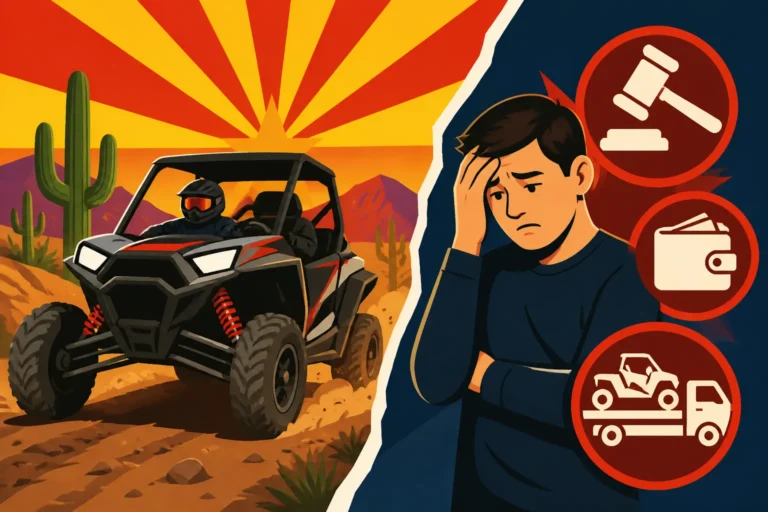
You've got a fantastic off-highway vehicle (OHV) that's been your companion on countless Arizona adventures, and now it's time to sell it. But there's a burning question: what happens with that current, valid OHV decal? Do you take it off? Does the new owner have to buy another one immediately? It can feel a bit confusing, leaving you wondering if you're doing everything right for both yourself and the buyer. This guide is here to untangle the specifics of selling your ATV or UTV in Arizona when its OHV decal is still active, ensuring a smooth and confident transaction for everyone involved.
Understanding Your Arizona OHV Decal's Value When Selling
Selling an ATV or UTV with an active Arizona OHV decal can actually be a huge selling point. It's a tangible benefit for your buyer, letting them hit the trails legally almost immediately after purchase. But it's natural to wonder how this all works, especially since vehicle ownership changes hands, but the decal sticks right there on the machine.
What the Decal Actually Signifies for the Buyer
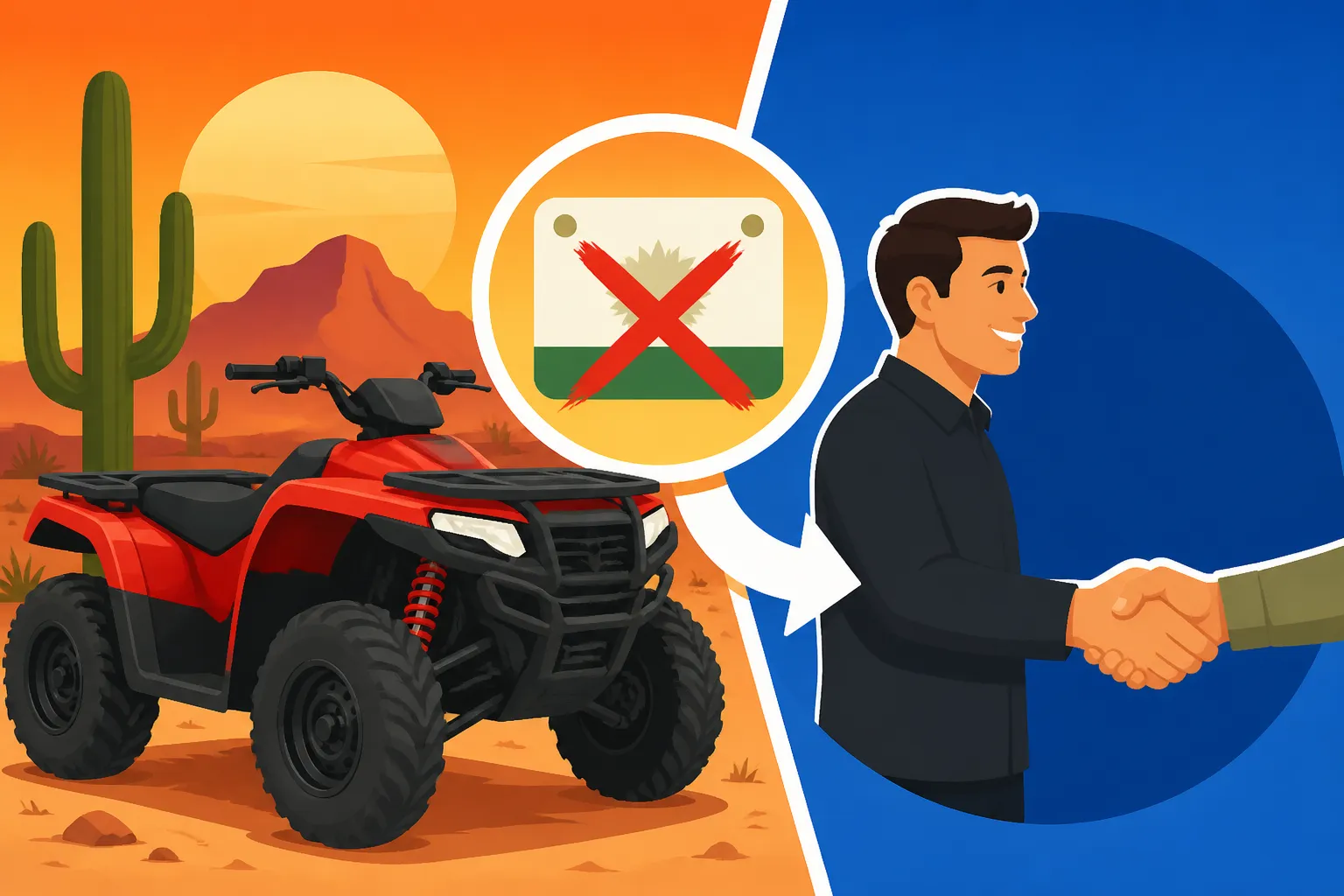
Many sellers, and buyers too, get hung up on whether the decal is "yours" or "the machine's." Let's clear that up: the Arizona OHV decal is tied to the machine itself, not the individual owner. Think of it like a temporary registration or a pass for public land use. If you sell your side-by-side in May, and its decal doesn't expire until December, that decal is perfectly valid for the new owner to use until its expiration date.
This is a fantastic benefit for the buyer! They don't have to immediately scramble to get a new decal. They can complete the purchase, title the machine in their name, and head straight to the trails, enjoying the legal access the decal provides. This immediate gratification can make your machine more attractive than one being sold without a current decal, where the buyer knows they'll have an immediate out-of-pocket expense and a waiting period. It reduces friction and adds value, potentially helping you get a better price or sell faster.
The Legalities of Transferring a Decaled Machine
While the decal itself doesn't legally "transfer" in the same way a title does – because it's already affixed to the machine and valid for its intended purpose – the ownership of the machine certainly does. When you sell, your primary responsibility is to legally transfer the title to the new owner. The decal simply goes along for the ride, so to speak.
There are very few scenarios where an active decal wouldn't "transfer" with the machine in a private sale. If, for instance, the machine was declared salvage and then rebuilt, or if it was registered out of state for a period and then brought back to Arizona, the MVD might require a fresh look at its status. But for a straightforward sale of a currently registered and decaled machine, the decal remains valid. You're not expected to remove it, and the buyer isn't expected to buy a new one until the current one expires. The critical step for both of you is getting that title officially changed over to the new owner's name.
Preparing Your OHV for Sale: Paperwork and Practicalities
Selling an off-highway vehicle isn't just about handing over the keys; it's about ensuring all the proper documentation is in order to protect both you and the buyer. A smooth sale hinges on having everything prepared, from the official ownership documents to a clear understanding of the machine's history.
Essential Documents for a Smooth Sale
First and foremost, you need to gather your official paperwork. This is the foundation of any legitimate sale.
- Certificate of Title: This is the big one. It's proof of legal ownership. Without it, you really can't sell the machine. Make sure the title is in your name, clear of any liens, and ready to be signed over to the new owner. If your title is lost or misplaced, don't panic, but start the process to replace it before you list your machine for sale. You can find more information on how to get a replacement by checking out our guide on [Replacing a Lost Arizona Title]. Having this in hand makes you a credible seller and reassures your buyer.
- Bill of Sale: This document details the transaction between you and the buyer. It should include the sale date, the purchase price, the VIN (Vehicle Identification Number) of the OHV, and the names, addresses, and signatures of both the buyer and seller. A well-drafted bill of sale protects both parties by clearly stating the terms of the agreement. For a robust and legally sound bill of sale, many people find online legal document services incredibly helpful. LawDepot, for example, offers customizable bill of sale templates that can be adapted for OHV sales, ensuring you include all the necessary legal language and protect yourself. For more details on what to include, check out [What an Arizona Bill of Sale Should Carry].
- Lien Release: If you financed your OHV and have just paid it off, ensure you have the official lien release from your lender. This document proves that the bank no longer has a claim on the machine, allowing you to transfer a clear title to the new owner. If this isn't in place, the MVD won't transfer the title. We have a dedicated article on [Lien Release Once the Loan Clears] that walks you through this important step.
- Maintenance Records: While not legally required, a stack of service records, receipts for parts, or even a detailed log of your own maintenance can be a huge asset. It demonstrates that you've taken good care of the machine, giving the buyer confidence in its condition. It's proof that you haven't just ridden it hard and put it away wet, but have invested in its longevity.
Detailing the Machine's History and Condition
Beyond just the official documents, being transparent about your OHV's history and current condition builds trust with potential buyers. No one wants surprises after a purchase.
- Full Disclosure and VIN Verification: Be upfront about any accidents, repairs, or known issues. Also, make sure the VIN on the machine matches the VIN on your title. It sounds basic, but discrepancies can cause huge headaches at the MVD. Finding the VIN on an OHV, especially one that's seen a lot of desert action, can sometimes be tricky. Our article, [Finding the VIN on a Desert-Worn Machine], provides tips for locating it.
- Maintenance History: As mentioned, written records speak volumes. If you've been meticulous, show it off! If you've done your own work, describe it. This level of detail validates your asking price and helps the buyer feel informed.
- Modifications or Issues: Have you upgraded the suspension? Added a winch? Installed aftermarket exhaust? Detail all modifications. Equally important, disclose any existing issues, no matter how minor. A small crack in a fender or a tire that's getting low on tread are things a buyer will notice. Transparency now can prevent disputes later. Services like LawDepot can also provide "as-is" agreements or specific clauses for your bill of sale, detailing any known defects and ensuring the buyer acknowledges them. This can be a smart move for sellers, giving legal clarity to the transaction.
Navigating the Sale Process and What Changes for the Buyer
The sale itself is where all your preparation pays off. Once you've found a buyer and agreed on a price, it's about smoothly transitioning ownership and ensuring the buyer understands their responsibilities, especially regarding that existing OHV decal.
How the Buyer Registers and Titles the Machine
Even with a current, valid OHV decal, the buyer's very first step after purchasing your machine is to get the title transferred into their name. This is a crucial legal step that makes them the official owner. They'll need the signed-over title from you, along with a completed bill of sale, and they'll take these to an Arizona MVD office or a third-party service provider. This process is essential and distinct from the decal's validity. You can guide them to our article [Getting an Arizona Certificate of Title for a Quad] for more information on their next steps.
The beauty is, the existing decal typically remains valid on the machine right through to its original expiration date. The MVD doesn't cancel the decal just because ownership changes hands. This means the buyer avoids an immediate expense and can enjoy the trails legally while they complete the title transfer. Once that decal approaches its expiration, the new owner will then be responsible for renewing it under their name. Our guide, [Renewing an Arizona OHV Decal Each Year], explains that process in detail for them.
Pricing Your Machine with a Current Decal
When you're setting your asking price, consider the value of that active OHV decal. It's a real, tangible benefit to the buyer. They're saving money they would otherwise have to spend almost immediately. While the exact monetary value isn't huge, it's still a cost the buyer doesn't incur right away. This can be an attractive sweetener in your negotiation.
For example, if the decal has six months left on it, that's six months of legal riding without an extra fee. Factor this into your overall value proposition. You might not list it as a separate line item, but it contributes to the "ready to ride" appeal of your machine. Knowing the typical cost of an Arizona OHV decal can help you frame this benefit to potential buyers. Our article, [Arizona OHV Decal Price and Processing Fee], breaks down what these costs typically entail.
Final Steps and Avoiding Pitfalls
Once you've agreed on a price and the paperwork is ready, it's time to finalize the sale.
- Meeting the Buyer in a Safe Place: If you're conducting a private sale, consider meeting in a public place, especially for the initial viewing and discussion. A police station parking lot or a busy retail parking lot can offer a layer of security. Never invite strangers to your home without caution. We've compiled some great tips for sellers in [Meeting a Seller in a Safe Place].
- Ensuring Payment Clears: Be extremely cautious with payment methods. Cash is king, but if the amount is large, a bank wire transfer directly into your account is safer than a personal check, which can bounce. Avoid payment apps unless you are absolutely certain of the legitimacy and security, and never release the machine or the title until funds are unequivocally in your possession and cleared.
- Notifying MVD: While not legally required for private party sales in Arizona for OHVs, it's good practice to ensure MVD records are updated, especially for liability purposes. Some states require sellers to notify the DMV that a vehicle has been sold to remove their name from the vehicle's record and prevent any issues with future tickets or liability. While Arizona's MVD doesn't have a specific form for this for OHVs, keeping excellent records of your bill of sale is your best defense.
- Utilizing Legal Document Services: To further protect yourself, consider using a service like LawDepot to create a comprehensive sales agreement. Beyond a basic bill of sale, they can help you generate documents that might cover specific contingencies or include clauses that protect you from future liability. This small investment can provide significant peace of mind.
Special Considerations for Decal Expiration
While an active decal is a boon, the timing of your sale relative to its expiration can influence your strategy and the buyer's interest.
Selling Just Before the Decal Expires
If your OHV decal is just about to expire—say, in the next month or two—the value proposition for the buyer significantly diminishes. They'll know they have to shell out for a new decal almost immediately after purchase, effectively negating the "bonus" of a current decal.
In such a scenario, you might consider renewing the decal yourself before listing the machine. While it's an upfront cost, having a freshly renewed decal for a full year can make your OHV more appealing and potentially justify a slightly higher asking price, offsetting the renewal cost. It shows you're offering a ready-to-ride package. Conversely, if you choose not to renew, be transparent about the decal's imminent expiration so buyers can factor that into their offer. Understanding [When an Arizona OHV Decal Expires] will help you time this decision.
What if the Decal is Missing or Damaged?
An active decal is great, but what if it's peeling, faded, or completely missing from your plate? While the MVD records might show your machine has a valid decal, a physical decal that's not clearly displayed or is in poor condition looks unprofessional and can raise questions for a buyer. It might even deter a serious buyer who wants everything to be perfectly in order.
Before selling, it's highly recommended to order a replacement decal if yours is damaged or lost. This ensures the machine presents cleanly and legally. A crisp, new decal on the plate signals attention to detail and helps avoid any doubt about its validity. Our article on [Ordering a Replacement Decal] provides the steps to get a new one delivered to you. It's a small effort that can make a big difference in a buyer's perception.
The Buyer's Responsibility Post-Purchase
Even though the decal remains valid, the buyer still has new owner responsibilities to take care of in Arizona. The MVD knows the machine has an active decal, but they need to know who the new owner is.
First, they will need to transfer the title into their name. This is non-negotiable and something they need to do promptly. Second, if they are a new OHV owner in Arizona or haven't taken it before, they are legally required to complete Arizona's free mandatory OHV Decal Course. This course covers vital safety and ethical riding practices. You can point them to our resource, [Arizona's Free Mandatory OHV Decal Course], so they can get started. They'll also need to set up their own Arizona Game and Fish Portal Account to manage their decal and other outdoor recreation permits, which is detailed in [The Arizona Portal Account Every Rider Needs].
So, while the physical decal on the machine is still active and allows them to ride immediately, these administrative steps are crucial for their long-term legal and safe enjoyment of their new machine. By understanding these nuances, you can confidently sell your decaled OHV, providing a clear path for its next adventure.
Disclaimer
This article is for general informational purposes only and does not constitute professional advice. Laws, prices and regulations vary by location and change over time. Consult a qualified professional for guidance on your specific situation.