What Riding Arizona Undecaled Costs You
We've all been there: you've got your side-by-side or ATV loaded up, the sun's shining, and the desert is calling. But then that little voice pops into your head, "Did I remember to get that decal?" Or maybe you're new to Arizona's incredible trail system and just found out about it. It's easy to overlook or misunderstand the requirements for legally riding your off-highway vehicle (OHV) here, but trust me, ignoring the Arizona OHV decal can quickly turn a fantastic day on the trails into a frustrating, expensive headache. This guide is here to walk you through exactly what riding an undecaled machine in Arizona could cost you, not just in fines, but in time, stress, and even your ability to enjoy future rides.
Why a Decal Matters: Understanding the "What"
Arizona is an OHV paradise, with thousands of miles of trails winding through breathtaking landscapes from the red rocks of Sedona to the vast Sonoran Desert. To help maintain these trails, manage access, and ensure safety, the state requires most OHVs to display an annual decal. It's not just a sticker; it's your proof that you're contributing to the upkeep of the very trails you love to ride and that your machine is recognized by the state for off-highway use. Trying to sneak by without one might seem like a small oversight, but it has significant repercussions.
What is the Arizona OHV Decal, Anyway?
At its core, the Arizona OHV decal is an annual sticker that you affix to your vehicle's license plate. It's a simple, usually square or rectangular, piece of adhesive that signals to law enforcement and land managers that your machine is properly registered for off-highway use in Arizona. Think of it like a subscription to the state's trail system. When you pay for and receive this decal, the funds go directly into the Arizona State Parks OHV Recreation Fund, which supports everything from trail maintenance and signage to education and enforcement. It's a vital part of keeping our trails open and enjoyable for everyone. Without it, you're essentially using a shared resource without contributing your part, and that's where the penalties come in. You can learn more about its purpose and benefits in [What the OHV Decal Buys an Arizona Rider].
This decal isn't just for show; it's a critical component of Arizona's OHV program. It confirms that your machine has met the basic requirements for operation on public lands. Many riders, especially those new to the state or new to OHV riding, sometimes confuse it with a standard vehicle registration or assume their existing car insurance covers them for all situations. But the OHV decal is distinct and specific to off-highway use. It's not just about compliance; it's about being a responsible member of the riding community.
Who Needs One? The Rules of the Road and Dirt
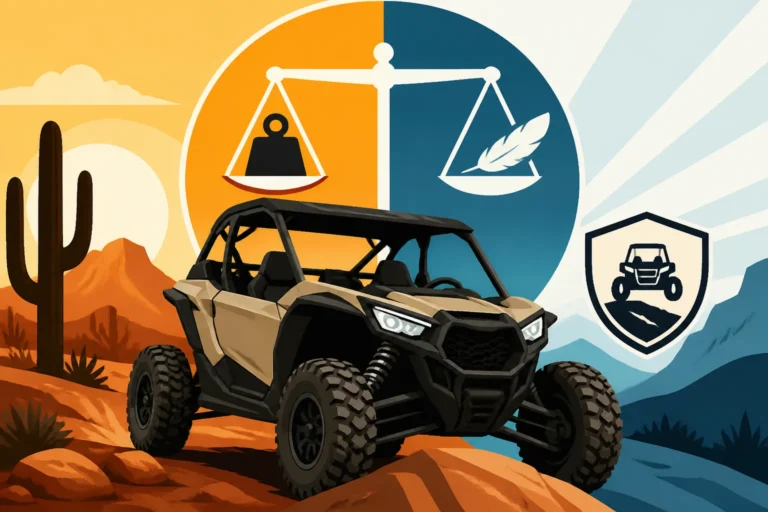
The general rule of thumb in Arizona is this: if your OHV is designed for off-highway use, weighs 1,800 pounds or less, and is going to be operated on public lands, you need an annual OHV decal. This covers the vast majority of ATVs, side-by-sides (UTVs), dirt bikes, and even some sand rails. There are some nuances, of course. For example, if your machine is specifically registered as "street legal" and has a standard MC or RV license plate, it might not require the separate OHV decal for road use, but if you're taking it off-road onto designated trails, the decal often comes into play. You can delve into the full explanation in [Arizona's Annual OHV Decal Explained].
The key phrase here is "public lands." This includes federal lands managed by the Bureau of Land Management (BLM) and the U.S. Forest Service, as well as Arizona State Trust Lands. If you're riding exclusively on private property that you own or have explicit permission to use, and you're not crossing any public roads or trails, then the decal might not be required. However, the moment your tires touch a public access point, even just for staging, you're subject to the decal requirement. It's always better to be safe than sorry, especially given how easy it is to accidentally stray onto public land.
The Immediate Costs: Fines and Penalties
Let's cut to the chase: riding an undecaled OHV in Arizona will cost you money if you get caught. Law enforcement, including county sheriffs, Arizona Game and Fish Department officers, and federal rangers, actively patrol popular riding areas across the state. They're looking for compliance, and a missing decal is one of the easiest things to spot. When they do, be prepared for a citation that can quickly add up.
Typical Fines for an Undecaled Machine
The initial fine for operating an OHV without the required decal can vary depending on the jurisdiction and the specific officer, but it's typically a significant amount. We're talking about a sum that could buy you multiple decals for years to come, plus a tank or two of gas for your machine. This isn't just a slap on the wrist; it's a real hit to your wallet. Imagine planning a fun weekend ride in the Cinder Hills near Flagstaff or the Bulldog Canyon area east of Phoenix, only to have a ranger stop you because your plate is bare. That immediate fine instantly negates any perceived savings from not buying the decal.
Beyond the base fine, you might also face additional administrative fees or court costs if the citation requires a court appearance. These can pile up quickly. It's important to understand that law enforcement isn't just being difficult; they're enforcing rules designed to fund and protect the very resources we all enjoy. For a detailed breakdown of what specific citations might look like, check out [Penalties for an Undecaled Machine in Arizona]. The cost of the decal itself is relatively minor compared to the financial blow of even a single ticket.
When It Gets Worse: Aggravated Violations and Impoundment
A missing decal can be just the start. While usually a civil infraction, it can sometimes be combined with other violations that escalate the situation. For instance, if you're riding without a decal and on a closed trail, or if you're deemed to be riding recklessly, the combination of offenses can lead to much more severe penalties. Law enforcement has the discretion to issue more serious citations, especially if they perceive a pattern of disregard for the rules.
One of the most immediate and painful consequences, beyond the fine, can be the impoundment of your OHV. Yes, they can tow your machine right off the trail. Picture this: you're miles out in the desert, your machine gets impounded, and suddenly you're stranded. You'll not only have to pay the initial fine but also towing fees, storage fees, and potentially administrative release fees. These costs can easily run into the hundreds, if not thousands, of dollars. It's a logistical nightmare to recover an impounded OHV, involving trips to impound lots, proof of ownership, and payment of all outstanding fees. This isn't just a hypothetical scenario; it happens to riders regularly.
Impoundment and Towing Fees
The thought of your cherished OHV being towed away from a scenic Arizona trail is enough to make any rider cringe. But it's a very real possibility if you're caught riding without a decal, especially if it's not your first offense or if other violations are present. Once your machine is impounded, it's a whole new level of financial pain.
Towing fees can be substantial, particularly if you're deep in the desert. Tow companies often charge based on mileage and the difficulty of the recovery. Then, your OHV sits in a storage yard, accruing daily storage fees. These daily charges add up rapidly, making it imperative to retrieve your machine as quickly as possible. Before you can even get it back, you'll likely need to pay all outstanding fines, towing charges, and storage fees directly to the impounding agency or the tow yard. It's a multi-pronged assault on your budget that could easily overshadow the entire value of a cheap used machine. This entire process is a huge inconvenience, not to mention the potential damage to your machine during towing or storage.
Beyond the Ticket: Additional Headaches and Risks
The immediate financial hit from fines and towing is just one layer of the problem. Riding undecaled can open you up to a cascade of other issues, some of which might not be immediately obvious but can have long-lasting consequences. It's about more than just dodging a quick ticket; it's about protecting your investment and your peace of mind.
Court Costs and Administrative Fees
Even if your machine isn't impounded, an undecaled citation often means you'll be dealing with the court system. This isn't usually a major criminal offense, but it does mean navigating municipal or justice courts. You might have to take time off work to attend hearings, which itself is a hidden cost. Court costs and administrative fees are separate from the actual fine for the infraction. These are the charges for processing your case, filing paperwork, and using the court's resources. They can often add a significant percentage on top of your initial fine, making that "small" infraction much larger.
Consider a scenario where you're caught riding near Lake Havasu City without a decal. The officer issues a citation. You might then receive a summons to appear in the local justice court. Even if you plead guilty and pay the fine, those court costs are an unavoidable add-on. For a simple document like a bill of sale, you might use a service like LawDepot to ensure it's legally sound. But for court-related matters, it’s far more complex and costly. This entire process can be frustrating, time-consuming, and entirely avoidable.
Insurance Implications
Here's a big one that many riders overlook: what happens if you have an accident while riding an undecaled machine? Many insurance policies, especially those for OHVs, include clauses about legal operation. If you're found to be operating your vehicle illegally—which includes not having the required state decal—your insurance company might deny your claim. Imagine a collision or a rollover incident out in the desert, and your insurance company determines you weren't legally permitted to be on the trail. Suddenly, you're on the hook for all repair costs, medical bills, and any damages to other property or persons.
This is a risk no rider wants to take. Even if you have comprehensive coverage for your ATV or side-by-side, operating it without the basic state requirements can provide an easy out for an insurer. It's a stark reminder that simply having a policy isn't enough; you need to adhere to all local regulations for that policy to remain valid. The cost of a new OHV or significant medical bills far, far outweighs the minor cost of an annual decal. Always ensure you're in full compliance to protect your investment and yourself. [Insuring an ATV in Arizona] has more information about what insurers look for.
Reputation and Future Riding Privileges
While not directly financial, the long-term impact on your reputation and potential future riding privileges is worth considering. Repeated violations, even for something like a missing decal, can build a record with state agencies. This might lead to higher scrutiny from law enforcement in the future or even impact your ability to acquire other permits or licenses. Arizona's OHV community is close-knit, and a reputation for disregarding rules can make you an outcast, or worse, lead to restrictions on your riding.
For a new resident moving to Arizona with an out-of-state machine, understanding these rules from the start is crucial. It’s not just about avoiding a ticket; it’s about establishing yourself as a responsible rider. Furthermore, severe or repeated violations could, in rare cases, lead to the suspension of OHV riding privileges on public lands. While this is more common for egregious offenses like reckless endangerment, a pattern of non-compliance, even with decal requirements, contributes to an overall negative record. It's truly a risk not worth taking when the solution is so simple.
Avoiding the Hassle: Getting Decaled Up
The good news is that avoiding all these headaches is incredibly simple: just get your Arizona OHV decal! It's an easy process that costs a modest fee and gives you peace of mind for an entire year. Don't let a small oversight turn your dream rides into a desert nightmare.
The Simple Steps to Get Your Decal
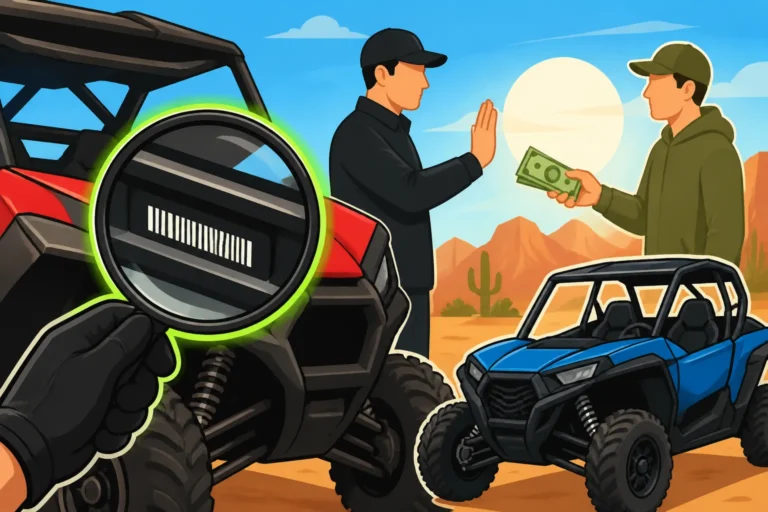
Getting your Arizona OHV decal is straightforward. First, your OHV needs a Certificate of Title. If you've just purchased a machine, especially a used one, make sure the title transfer is complete. Services like LawDepot can provide templates for a bill of sale or other necessary documents to help with this process. Once you have a valid title, you can apply for your OHV decal. You can do this online through the Arizona Game and Fish Department (AZGFD) portal or in person at an authorized vendor. The online process is often the most convenient, allowing you to complete everything from home. You'll need to provide information about your vehicle and pay the decal fee.
It's also important to remember that Arizona requires all OHV operators to complete a free, online OHV education course. While not directly tied to getting the decal itself in all cases, it's a mandatory step for responsible riding and ensures you understand all the rules. Once purchased, the decal will be mailed to you. Make sure you apply it correctly to the upper left corner of your license plate, as specified by regulations. You can find detailed instructions and links in [Arizona MVD OHV Registration Explained] and [Arizona's Free Mandatory OHV Decal Course].
Making Sure Your Decal Stays Visible
Once you have that decal, your responsibility isn't over! You need to ensure it's properly affixed and remains visible. The regulations are clear: the decal must be placed on the upper-left corner of your OHV's license plate. This isn't just an aesthetic choice; it's so that law enforcement can easily spot and verify your compliance from a distance. A decal that's peeling, faded, or covered in mud won't do you any good if an officer can't read it.
The Arizona desert environment can be harsh on stickers. Intense sun can fade them, and dust, mud, and water can degrade the adhesive. Periodically check your decal to ensure it's still securely attached and legible. If it starts to deteriorate, you can order a replacement. Don't wait until you get a ticket to realize your decal is unreadable. A quick check before each ride is a good habit to get into. For exact placement details, refer to [Where the Arizona OHV Decal Goes on the Plate]. It's a small detail, but it makes a big difference in avoiding unwarranted stops and potential fines.
Comparative Overview: Decaled vs. Undecaled Riding
To really drive home the point, let's look at a quick comparison of what you stand to gain or lose by either having or lacking that crucial Arizona OHV decal.
| Feature / Scenario | Riding with a Valid Arizona OHV Decal | Riding an Undecaled OHV in Arizona |
|---|---|---|
| Legal Status | Compliant with state law, authorized for public land use | Illegal on public lands, subject to enforcement |
| Cost | Modest annual decal fee (see [Arizona OHV Decal Price and Processing Fee]) | Significant fines, towing, storage, court fees, legal defense costs |
| Risk of Impoundment | Very low (unless other severe violations occur) | High, especially for repeat offenders or combined violations |
| Insurance Coverage | Policy more likely to be valid in case of an incident | Risk of insurance claim denial, full out-of-pocket costs |
| Trail Access | Unrestricted on open, designated public OHV trails | Risk of being turned around, cited, or having machine impounded |
| Peace of Mind | High; you know you're legal | Low; constant worry about getting caught |
| Time Investment | Minimal time for online application and decal placement | Significant time dealing with courts, impound lots, and paperwork |
| Contribution to Trails | Directly supports trail maintenance and OHV programs | Contributes nothing, potentially degrades resources without contributing |
| Reputation | Responsible, law-abiding rider | Seen as disregarding rules, potentially impacting future access |
As you can see, the difference between a small, annual fee and the potential costs of riding undecaled is astronomical. It truly is a no-brainer to ensure your machine is properly decaled before heading out to enjoy Arizona's amazing trails. [What Arizona Riders Need Before They Ride] provides a useful checklist to ensure you're fully prepared.
Disclaimer
This article is for general informational purposes only and does not constitute professional advice. Laws, prices and regulations vary by location and change over time. Consult a qualified professional for guidance on your specific situation.