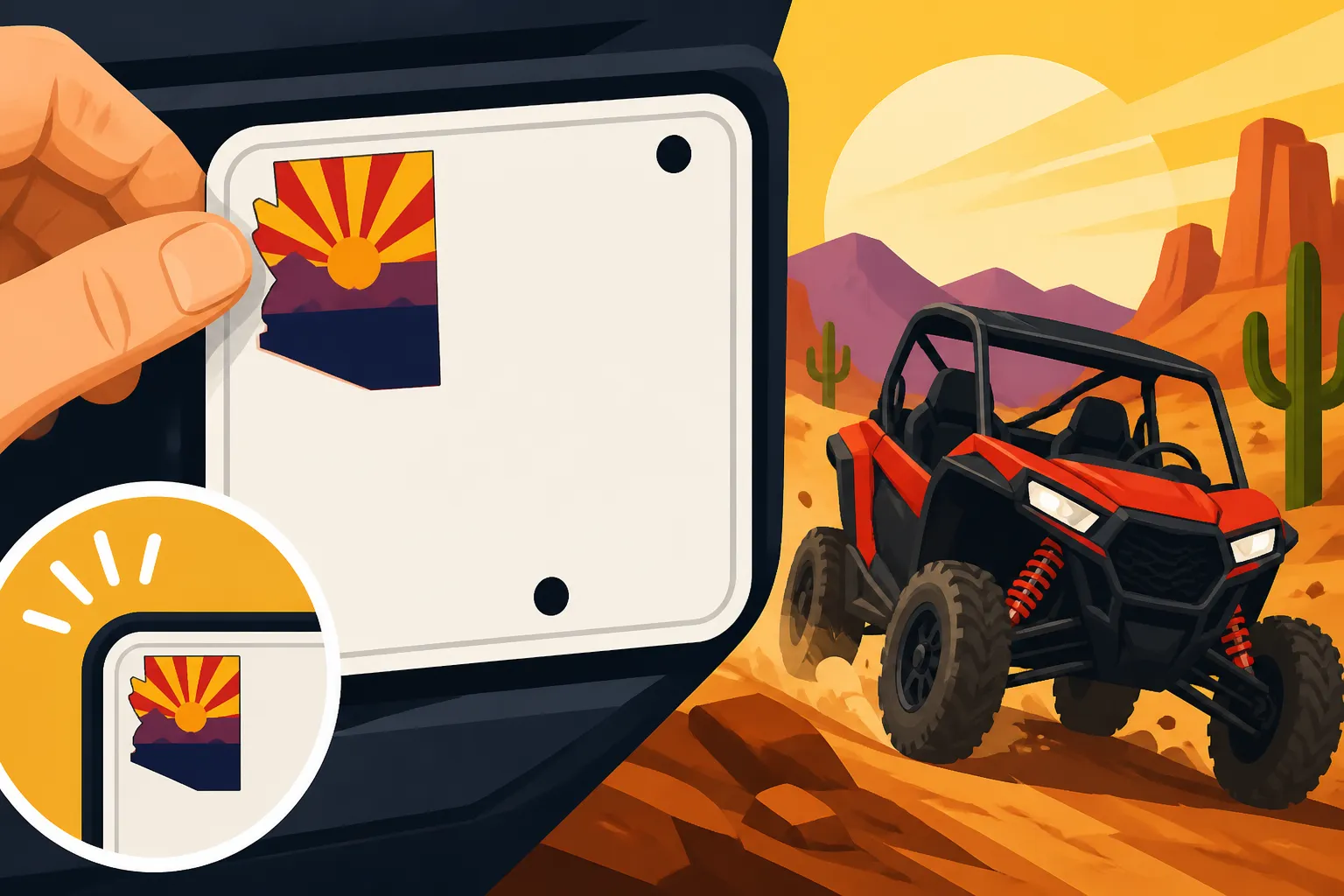
Sticking a Decal on the Upper-Left Plate Corner
It's an age-old frustration for any Arizona OHV owner: you've finally got your new annual decal in hand, ready to hit the trails, but then you pause, sticker in hand, staring at your license plate. "Where, exactly, does this thing go?" you might wonder, or perhaps you're simply double-checking that you're doing it right to avoid any hassle from a ranger. This guide is here to clear up all the confusion, walking you through why and how your Arizona OHV decal needs to be precisely placed in the upper-left corner of your license plate, ensuring you're compliant and ready for your next desert adventure.
Understanding the Mandate: Why Your Decal Goes in the Upper-Left Corner
When you receive your annual Arizona OHV decal, it comes with a clear directive: stick it firmly in the upper-left corner of your OHV license plate. This isn't just a random suggestion; it's a specific requirement designed to streamline enforcement, protect your identification, and ensure a consistent system for all riders enjoying Arizona's vast network of trails. Every rider in Arizona needs to get familiar with [Arizona's Annual OHV Decal Explained].
The Ranger's Perspective: Quick Identification for Compliance
Imagine being an Arizona Game and Fish Department ranger, patrolling miles of dusty trails, sometimes at speed, sometimes in low light, or with the sun glaring down. Your job involves quickly verifying that every OHV encountered is properly registered and decaled. If decals were placed haphazardly – sometimes on the right, sometimes the left, sometimes the middle, or even on the fender – it would turn a straightforward visual check into a time-consuming game of "find the sticker."
Standardizing the placement to the upper-left corner means that rangers know exactly where to look every single time. This consistency allows them to perform their duties efficiently, quickly confirming compliance without needing to stop every single rider. It helps prevent unnecessary delays for you, the rider, and allows them to focus on true rule-breakers or those in need of assistance. Furthermore, having a clearly visible and correctly placed decal can save you from potential citations; a missing or obscured decal could lead to a stop and, potentially, [Penalties for an Undecaled Machine in Arizona]. It’s about making sure your good intentions are clearly communicated at a glance.
Protecting Your Decal and Plate: A Practical Design Choice
Beyond enforcement efficiency, the upper-left corner placement is also a practical consideration for the longevity and visibility of your license plate and decal. Think about the rough and tumble life of an OHV:
- Trailer Hitches and Equipment: Many OHVs are transported on trailers, and trailer hitches, spare tires, or other equipment can often obscure or even damage the lower or right side of a license plate. The upper-left corner typically remains the most open and protected area.
- Brush and Trail Debris: When you’re navigating narrow trails, especially through Arizona’s dense desert brush or tight canyon passes, the sides of your machine and plate can easily come into contact with obstacles. Placing the decal in a less exposed area reduces the chance of it being scraped, peeled, or torn off by branches, rocks, or mud.
- Ensuring Legibility: The primary purpose of your license plate is identification. Placing the decal in the upper-left corner ensures that critical information like your license plate number, the state name "Arizona," and any other identifying marks remain unobstructed and easily readable. This prevents any ambiguity about your vehicle's identity.
This specific placement is a thoughtful design choice that works to everyone's benefit, ensuring your important identification remains intact and visible throughout your adventures.
A Step-by-Step Guide to Flawless Decal Application
Now that we understand why the decal goes where it does, let's talk about how to apply it so it lasts through Arizona's extreme conditions. Getting your decal to stick properly and endure the sun, dust, and wash crossings requires a little care.
Essential Prep: Getting Your Plate Ready for Adhesion
The secret to a long-lasting decal isn't just in the sticker itself; it's in the preparation of the surface. Arizona's desert environment is notorious for dust, and that dust is the enemy of adhesion.
- Cleanliness is Key: Before you even think about peeling the backing, thoroughly clean the upper-left corner of your OHV license plate. Any dirt, dust, grease, oil, or residue will compromise the decal's ability to stick firmly. Use a mild soap and water solution to wash the area, paying close attention to any grime build-up. For a more thorough clean, especially if there's any sticky residue from an old decal or road tar, a rubbing alcohol wipe works wonders. It helps strip away oils and evaporates quickly, leaving a pristine surface.
- Dry it Completely: This step is crucial. Even a tiny bit of moisture can prevent the adhesive from bonding correctly. After cleaning, dry the plate thoroughly with a clean, lint-free cloth. You might even give it a few minutes in the open air to ensure any lingering dampness has evaporated, especially if you're applying it outdoors in humid conditions (rare in Arizona, but it happens during monsoon season!). A well-prepped, bone-dry surface ensures maximum stickiness and longevity. Remember, if you want to avoid dealing with [When Desert Sun Fades Your Arizona OHV Decal] prematurely, proper initial application is vital.
The Art of Sticking: Positioning and Securing Your Decal
Once your plate is sparkling clean and dry, it's time for the main event. Take your time with this part; you generally get one shot to do it right.
- Peel with Care: Slowly peel the backing off your new OHV decal. Try to avoid touching the adhesive side with your fingers, as oils from your skin can reduce its stickiness.
- Align Precisely: Carefully position the decal over the upper-left corner of your license plate. Take a moment to ensure it's straight and that no part of it will hang over the edge of the plate or cover any essential printed information. This is where precision pays off.
- Smooth Application: Once you're happy with the alignment, start by gently pressing one edge of the decal onto the plate. Then, using a firm, flat object like a credit card, a plastic squeegee, or even just the edge of your thumb wrapped in a cloth, firmly and slowly work your way across the decal. Apply even pressure from the initial contact point outward, pushing out any air bubbles as you go. This technique helps achieve a smooth, bubble-free application and ensures the adhesive makes full contact with the plate surface. Don't rush this step.
Once the decal is fully applied, give it a final firm rub-down with your thumb or the squeegee, paying extra attention to the edges to ensure they're sealed. You want that decal to be as flat and seamless as possible against the metal. This diligence helps the decal last through countless miles of dusty trails. LawDepot provides excellent templates for legal documents, but when it comes to the hands-on task of decal application, careful physical preparation and execution are what truly matter.
When Things Go Sideways: Troubleshooting Decal Mishaps
Even with the best intentions, sometimes things don't go perfectly. A few common issues can arise during decal application, and knowing how to handle them can save you a headache.
- Air Bubbles: Despite your best efforts, you might spot a small air bubble trapped under the decal. For tiny bubbles, you can sometimes gently press and work them towards the edge of the decal with your thumb. For stubborn or larger bubbles, a very fine pin or needle can be used to carefully prick the edge of the bubble, allowing the air to escape. Then, gently press down on the decal to smooth it out. Be extremely cautious not to tear the decal.
- Crooked Placement: This is a tricky one. Once the adhesive has bonded, trying to peel off and reposition the decal will almost certainly stretch or tear it, or at least compromise its stickiness. It's truly best to get the alignment right the first time. If it's only slightly off, and not obscuring anything, it might be best to live with it rather than risk damaging the decal.
- Partial Adhesion or Tearing: If the decal doesn't stick well in some spots due to poor preparation, or if it tears during application, your options are limited. A damaged or poorly adhered decal won't last, and more importantly, it might not be considered valid by law enforcement. In such cases, your best bet is to request a replacement. The process for [Ordering a Replacement Decal] usually involves contacting the Arizona Game and Fish Department or visiting an MVD office, and there might be a small fee involved. It's always better to have a pristine, clearly visible decal than one that's peeling or torn.
Ensuring your machine is properly identified with a well-applied decal is just as crucial as having all your necessary legal documents in order, perhaps even a bill of sale or other agreement you might have drafted using resources like LawDepot. Both aspects contribute to hassle-free ownership and riding.
Beyond Placement: What Your Arizona OHV Decal Represents
Your annual OHV decal is more than just a sticker in the upper-left corner of your plate; it's a symbol of your participation in and support for Arizona's incredible off-highway vehicle recreation opportunities.
The Bigger Picture: Supporting Arizona's OHV Program
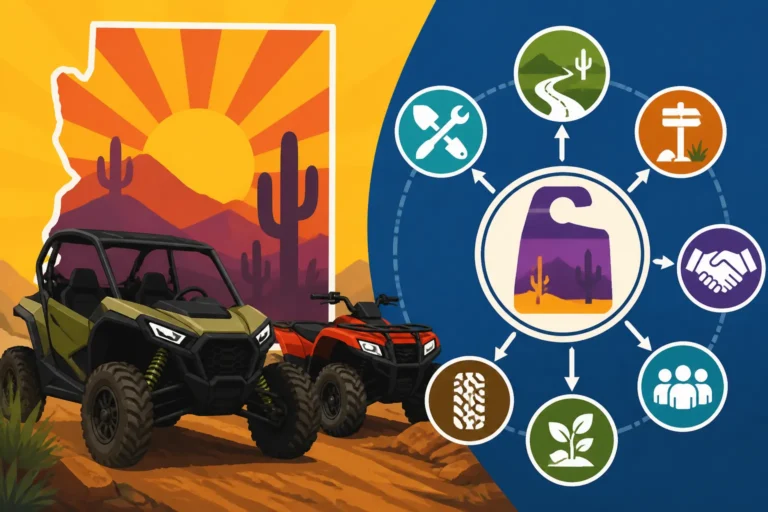
Every time you purchase and properly display your [Arizona OHV Decal Price and Processing Fee], you're directly contributing to the maintenance and improvement of the very trails you love to ride. The revenue generated from these decals goes into the [Arizona OHV Fund and Trail Projects], a critical resource that funds a wide array of initiatives, including:
- Trail Maintenance and Development: Keeping existing trails clear, safe, and sustainable, and sometimes developing new ones.
- Staging Area Improvements: Enhancing parking, restrooms, and access at popular OHV staging areas.
- Safety and Education Programs: Promoting responsible riding practices and providing educational resources for all OHV users.
- Law Enforcement: Supporting the rangers and officers who patrol the trails, ensuring safety and compliance.
By ensuring your decal is correctly applied and visible, you're not just avoiding a ticket; you're visibly showing your commitment to responsible recreation and helping to preserve Arizona's vast and diverse landscapes for generations of riders. It's a small sticker with a big impact.
Different Machines, Same Spot: Decals Across Arizona Plates
Arizona issues different types of license plates for various off-highway vehicles, depending on their street-legal status. For example, you might have an "MC" plate for a street-legal side-by-side or an "RV" plate for an off-highway-only quad or dirt bike. Understanding [Why Arizona Plates Read MC or RV] can clarify your specific registration type.
Regardless of whether your machine wears [MC Plates and Street-Legal Machines] (indicating it's legal for some road use) or [RV Plates and Off-Highway Only Machines] (meaning it's strictly for off-road environments), the placement of your OHV decal remains consistent: always the upper-left corner. This universal placement simplifies identification across the diverse range of OHVs found on Arizona's trails.
Remember, your annual decal must be renewed each year. It's a recurring step in maintaining your riding privileges and ensuring you continue to support the OHV program. Many riders manage this process conveniently through their [Arizona Game and Fish Portal Account], where you can often initiate the renewal for [Renewing an Arizona OHV Decal Each Year] and ensure your new decal arrives in time for the riding season. Just remember to apply it correctly when it arrives!
| Decal Placement Aspect | Correct Application (Upper-Left Corner) | Incorrect Application (Other Locations) |
|---|---|---|
| Visibility | Easily spotted by law enforcement. Clear verification. | May be obscured, leading to unnecessary stops. |
| Legibility | Does not cover plate numbers or state name. | Could obstruct critical identification info. |
| Durability | Less prone to damage from trail debris, equipment, or heat. | Higher risk of scraping, peeling, or fading due to exposure. |
| Compliance | Meets legal requirements for decal display. | May be considered non-compliant, leading to citations. |
| Purpose | Contributes to efficient trail management and safety. | Undermines consistent enforcement efforts. |
Disclaimer
This article is for general informational purposes only and does not constitute professional advice. Laws, prices and regulations vary by location and change over time. Consult a qualified professional for guidance on your specific situation.