Junking a Machine Beyond Repair
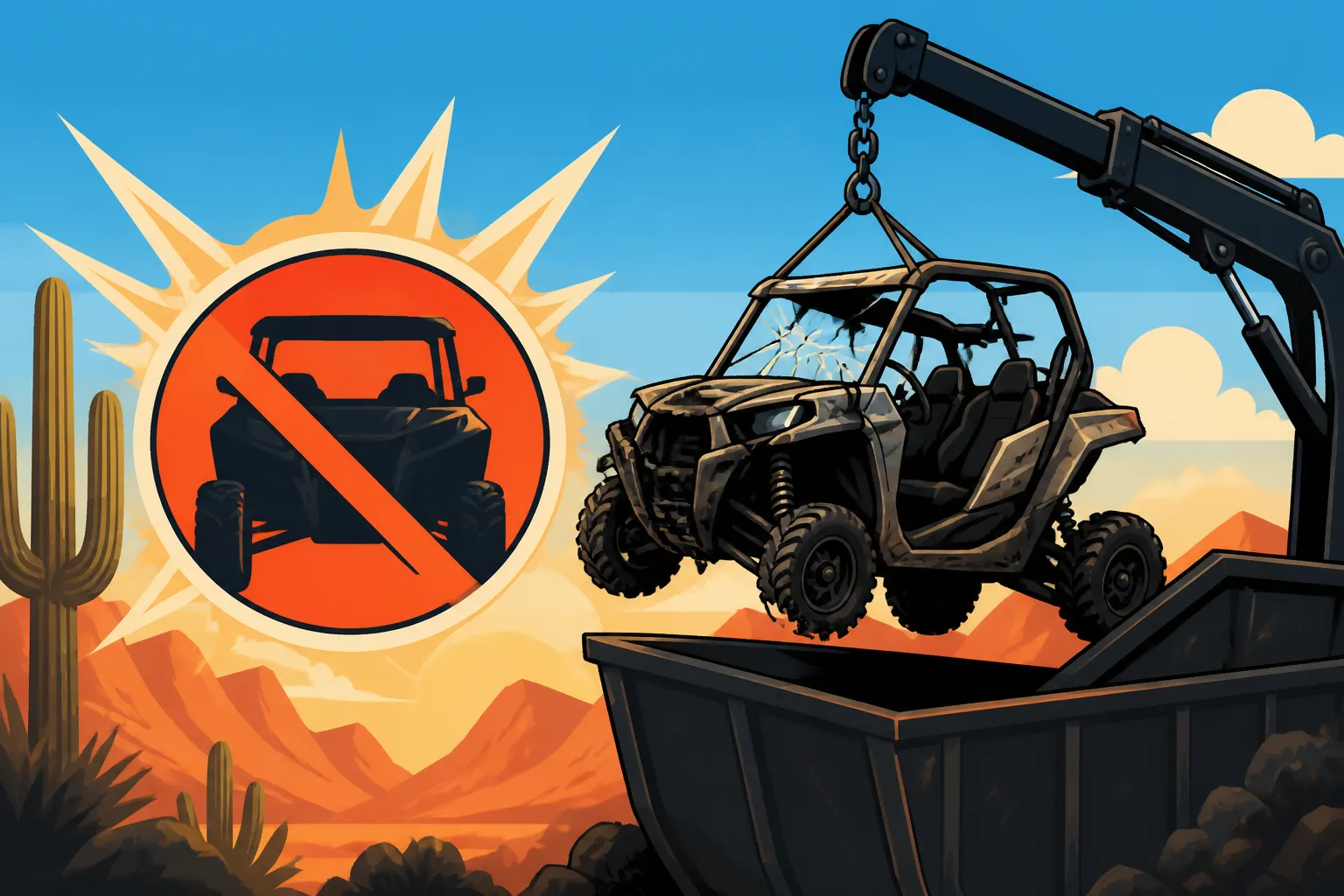
You're looking at that once-mighty quad or side-by-side in your garage, and it's less a vehicle and more a monument to seized engines and rusted frames. Deciding what to do with a machine that's truly beyond repair in Arizona can feel overwhelming, especially when the title and registration are still lingering, reminding you of its former glory. This guide will walk you through the practical and legal steps involved in responsibly junking an off-highway vehicle (OHV) in Arizona, helping you navigate the paperwork and physical disposal process so you can finally clear that space and move on.
When Is an OHV Truly Beyond Repair in Arizona?
This is often the hardest part, isn't it? Accepting that your trusty machine, which has carried you through countless Arizona desert washes and up sandy hills, has finally given up the ghost for good. We all want to believe a repair is possible, but sometimes, the numbers just don't add up, and the damage is too extensive. It's not just about a flat tire or a dead battery; we're talking about fundamental, structural, or mechanical failures that make the machine unsafe, impractical, or simply too costly to ever bring back to life.
Assessing the Damage: More Than Just a Broken Part
Before you throw in the towel, take a really honest look at what's wrong. Is the frame cracked or severely bent from an impact? A compromised frame can be incredibly difficult, if not impossible, to repair safely and effectively. Think about the integrity of the vehicle; if the foundation is shot, everything built on it is suspect. Major engine failures, especially those involving the block or crankshaft, can also signal the end. While a full engine swap is an option, the cost can often exceed the market value of an older machine, particularly if it's already showing its age in other areas. Flood damage is another notorious killer, as water can seep into every electrical component and crevice, causing long-term corrosion and unpredictable issues that are a nightmare to chase down.
Beyond the major components, consider the cumulative effect of wear and tear. Is it one big thing, or a dozen smaller, expensive things that have piled up? Perhaps the transmission is slipping, the differential is making worrying noises, and half the suspension components are original and completely worn out. Trying to fix a machine that's failing in multiple critical areas is like trying to plug holes in a sinking ship—you might fix one, only for another to appear. Sometimes, it’s not just the visible damage but the hidden corrosion from years of desert dust and moisture, or the stress fractures that are hard to spot until they become critical failures.
The Repair Cost vs. Market Value Dilemma
Here’s where the cold, hard math comes in. It’s a gut punch, I know. You have to compare the estimated cost of repairs – and remember, always factor in potential unforeseen issues that pop up once a mechanic starts digging – against what the machine would be worth if it were running perfectly. For example, if you have an older ATV that might be worth $2,000 in excellent condition, but the engine repair alone is quoted at $2,500, it's clear you're heading into a financial black hole. This is a common scenario, especially with machines that have seen many years of hard riding in the Arizona desert.
Don't forget to factor in your own time and effort if you plan to do the work yourself. While DIY saves on labor, your time has value, and the frustration of chasing down obscure parts for an outdated model can be immense. Plus, you need to be realistic about your own mechanical skills; attempting a complex repair beyond your abilities could lead to more problems down the road. It’s a tough decision, but recognizing when the repair cost simply outweighs the machine's inherent value, or even the emotional attachment, is the key to moving forward without financial regret.
Dealing with the Arizona MVD and Your OHV Title
Once you’ve made the difficult decision to declare your OHV truly beyond repair, the next critical step is to officially handle its status with the Arizona Motor Vehicle Division (MVD). You can't just let it sit there gathering dust with an active title and registration, or worse, just dispose of it without proper documentation. This could lead to a host of headaches down the line, from liability issues if it's ever involved in something unintended to tax implications if the MVD still thinks it's a functioning vehicle.
Declaring a Non-Repairable or Salvage Vehicle
Arizona doesn't have a specific "junk" title for regular OHVs in the same way it does for a full-size vehicle that’s been declared a total loss by an insurance company. However, if your machine has been severely damaged, often in an insurable event, it might be issued a salvage certificate of title. This happens when the cost of repair is deemed to exceed a certain percentage of its fair market value. A salvage title indicates that the vehicle has been extensively damaged and needs repair and inspection before it can be legally operated again. If your machine is truly beyond repair, meaning it will never be driven again, you might consider it a "non-repairable" vehicle, even if the MVD doesn't issue a specific document to call it that.
The critical point here is to remove your name from the liability of that machine. If you're simply disposing of it, you want to make sure the MVD knows you're no longer the responsible owner. While you won't get a special "junked" title, you need to ensure the registration is cancelled and that you've properly transferred the title if you're selling it for parts, or retained it as proof of ownership if you're keeping the frame or disposing of it as scrap metal. This is about making sure that the paper trail for your now-defunct machine is as clear as possible. If you decide to go the route of trying to rebuild a heavily damaged machine, remember that Arizona has specific rules for [Salvage and Rebuilt Machines in Arizona], which are considerably more involved.
Cancelling Registration and Releasing Liability
This is probably the most important administrative step. You absolutely need to cancel the registration for your non-operational OHV. Continuing to pay for an annual [Arizona's Annual OHV Decal Explained] or vehicle registration for a machine that will never hit the trails again is just throwing money away. More importantly, cancelling the registration helps formally sever your ties to the machine in the MVD's eyes. You can do this by contacting the Arizona MVD or a third-party MVD provider. They can guide you through the process of taking the machine out of active service.
Furthermore, if there was a lien on your machine (meaning you still owed money on a loan), you'll need to make sure that the lienholder has released their interest. If you still have the original title, check for any lienholder information. If the loan is paid off, but the lien is still showing, you might need to obtain a [Lien Release Once the Loan Clears] from your lender to ensure a clear title. By officially cancelling the registration and ensuring any liens are released, you protect yourself from potential future liabilities, such as parking tickets or other issues if the machine somehow ends up in the wrong hands or is abandoned. Always ensure you retain any proof of cancellation for your records. This is vital for your peace of mind.
Options for Disposal: Parts, Scrap, or Donation
Once you've made the decision and handled the initial MVD steps, you have a few practical avenues for disposing of your beyond-repair OHV. Each option has its own set of pros and cons, and what's best for you might depend on the machine's condition, your time, and what kind of return you're hoping for.
Selling for Parts: Unlocking Residual Value
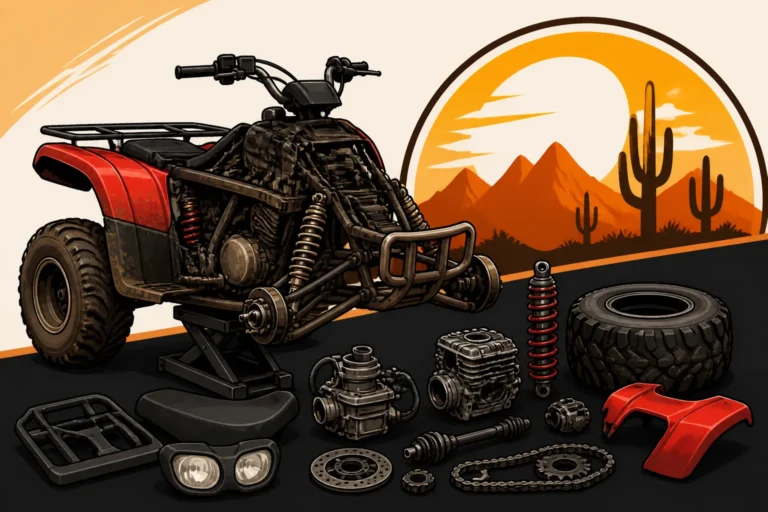
Even a completely dead OHV can be a treasure trove of salvageable parts for other riders. Think about it: someone out there probably needs a good wheel, a seat, a fender, a differential, or even just working electrical components that your machine might still possess. Taking the time to strip down your machine and sell individual parts can often yield significantly more money than selling it whole for scrap. Websites and forums dedicated to off-road vehicles, or even local classifieds, are great places to list these components. You'd be surprised what people are looking for, especially for older or less common models where new parts are hard to find.
However, selling parts requires patience and effort. You'll need to disassemble the machine, clean the parts, photograph them, write accurate descriptions, and then deal with shipping or local pickups. It's a time-consuming process, but the financial reward can be worth it. When selling parts, it's always wise to have some form of documentation, especially for major components like the engine or frame (even if you're only selling the frame for scrap). While you won't typically be transferring a title for a single part, a simple bill of sale confirming the transaction can protect both you and the buyer. LawDepot offers templates for these kinds of simple sales agreements, ensuring you have a record. This also helps you maintain a clear record of what you’ve sold off the machine.
Scrap Metal: Quick but Minimal Return
If the thought of dismantling your OHV piece by piece fills you with dread, or if the machine is so far gone that very few parts are salvageable, taking it to a scrap metal yard is your quickest option. Scrap yards typically pay by weight, so don't expect a windfall, but it's a straightforward way to dispose of the machine responsibly. Before you haul it over, give them a call to understand their requirements. Some scrap yards might ask for proof of ownership – your original [Arizona Certificate of Title for an Off-Highway Vehicle] is key here – to ensure you legally own the machine you're scrapping. They want to avoid accepting stolen goods, so be prepared with your paperwork.
When you take it to the scrap yard, make sure to remove any fluids (oil, gas, coolant) beforehand, as many facilities have regulations about environmental contaminants. You might also want to remove tires, as they are often processed separately and may even incur an additional disposal fee. While the monetary return is usually minimal, the peace of mind of having it gone and knowing it's being recycled properly can be priceless. Plus, it immediately frees up that valuable garage or yard space. Make sure to get a receipt from the scrap yard; this is your final proof of disposal and can be important for your records.
Donating for a Tax Deduction
In some cases, if your OHV still has some structural integrity or unique components that could be repurposed (even if it's not running), you might consider donating it to a charitable organization. There are charities that accept vehicles of all types, sometimes even non-running ones, which they then sell for parts, repair, or scrap to fund their programs. The primary benefit here isn't cash in hand but a potential tax deduction.
You'll need to do your research to find a legitimate charity that accepts non-operational OHVs and understands how to process them. They will handle the towing and often provide you with the necessary documentation for your tax filings. Always ensure the charity is reputable and provides a clear receipt and acknowledgment for your donation. The process typically involves signing over your clear title to the organization, which then takes on the responsibility of the machine. This option can feel good, knowing your old machine is contributing to a cause, rather than just becoming a pile of metal.
Finalizing the Paperwork and Your Records
You’ve decided the fate of your machine and physically disposed of it. Now, it's time for the final, crucial step: dotting all the "i"s and crossing all the "t"s on the paperwork. Skipping this part can lead to future complications that no one wants. This is about making sure your official records reflect the true status of your former OHV.
Updating MVD Records and Retaining Proof
As we discussed, cancelling the registration is vital, but always double-check with the MVD that your machine is no longer associated with you in their active vehicle database. This usually happens automatically once the registration is officially cancelled or the title is transferred, but a quick follow-up never hurts. If you've sold the machine for parts or scrap, and especially if you've transferred the entire vehicle (even if it's a rolling shell), ensure you’ve signed over the [Arizona Certificate of Title for an Off-Highway Vehicle] appropriately. If you sell the entire machine to a scrap yard or a parts dealer, you would typically sign over the title to them, much like you would if you were selling a running machine.
It's absolutely critical to keep copies of all relevant documents. This includes the cancellation of registration, any bill of sale (even for scrap or parts), and the signed-off title. Keep these records in a safe place, ideally with your other important vehicle documents, for several years. This documentation serves as your proof that you no longer own the machine and are not responsible for it. This protects you in the unlikely event that the vehicle's VIN or components are ever misused or appear in an official query. For comprehensive details on documenting ownership, you might review articles on [Arizona Records and a Machine's Ownership History].
What to Do if You Don't Have a Title
Sometimes, years go by, and titles get lost or damaged. It happens more often than you think, especially with older machines. If you're in the unfortunate situation of trying to junk a machine beyond repair but you don't have the title, things get a bit more complicated, but it's not insurmountable. Your first step should be to apply for a [Replacing a Lost Arizona Title] through the Arizona MVD. You'll need to prove ownership, which might involve providing a [Proof of Ownership for an Arizona Title] like a bill of sale from when you bought it, old registration cards, or even repair records.
Without a title, selling the machine for parts or scrap becomes much harder, as most reputable buyers and scrap yards will require proof of ownership. You certainly can't simply hand over an untitled vehicle to someone and expect them to deal with it without potential legal issues. If you are struggling to prove ownership, you might even need to explore options like a [Bonded Title for a Quad in Arizona] in extreme cases, although that's usually for a machine you intend to register and operate. The goal is to establish a clear chain of ownership so you can properly dispose of the machine without any lingering questions about its past. Remember, trying to dispose of a machine without proper ownership documentation, especially the title, can open you up to potential legal issues, so it's always best to get that sorted first.
Junking Your Beyond-Repair OHV: A Summary of Steps and Documentation
Dealing with a machine that's reached the end of its life isn't just about hauling it away; it's a process that involves both practical disposal and diligent paperwork. To help keep everything straight, here’s a quick overview of the key considerations when deciding the fate of your Arizona OHV.
| Consideration | Key Actions | Required Documentation (Keep Copies!) |
|---|---|---|
| Damage Assessment | Be brutally honest about repair costs vs. market value. | Mechanic quotes, market value research |
| MVD Notification | Cancel active registration immediately. | Proof of registration cancellation |
| Ensure any liens are released and cleared from the title. | Lien release document | |
| Title Management | Locate your [Arizona Certificate of Title for an Off-Highway Vehicle]. If lost, apply for a replacement. | Original title, or application for duplicate title |
| Disposal Method | Parts Sale: Disassemble, clean, photograph, list. | Itemized bill of sale for each major component sold |
| Scrap Metal: Remove fluids, tires; take to a reputable scrap yard. | Signed-over title (if required by scrap yard), scrap receipt | |
| Donation: Find a legitimate charity, transfer title. | Signed-over title, charity donation receipt | |
| Final Records | Keep all documentation for several years. Double-check MVD records for inactive status. | All prior documents: cancellation, bills of sale, receipts, title |
Disclaimer
This article is for general informational purposes only and does not constitute professional advice. Laws, prices and regulations vary by location and change over time. Consult a qualified professional for guidance on your specific situation.