Where Arizona OHV Decal Money Goes
Every year, countless off-highway vehicle (OHV) enthusiasts in Arizona dutifully purchase or renew their OHV decals, whether they ride an ATV, a UTV, or a dirt bike. But for many riders, it's a bit of a mystery where that money actually goes after it leaves their wallet. It’s natural to wonder if those fees are genuinely making a difference on the trails you love. This guide pulls back the curtain, detailing precisely how those decal dollars are allocated to benefit the Arizona OHV community, ensuring a sustainable and enjoyable riding experience for everyone.
Understanding the Arizona OHV Decal Fund
When you purchase an [Arizona's Annual OHV Decal Explained], you're not just getting a sticker for your machine; you're contributing to a dedicated fund designed to enhance the entire OHV experience across the Grand Canyon State. This isn't just a generic state fund where money gets mixed in with other revenue streams. Instead, Arizona has a specific system in place to ensure that these funds are earmarked for OHV-related purposes, directly benefiting the people who pay into it. It’s a pretty smart system when you think about it, ensuring accountability and direct impact.
The mechanism behind this is rooted in state legislation that established the Arizona OHV Decal Fund. The primary goal is to ensure that the financial contributions from riders are reinvested into the very infrastructure and programs that support their passion. This means the money you spend on your decal doesn’t just disappear into a bureaucratic black hole. Instead, it’s carefully managed and distributed to various agencies responsible for maintaining trails, ensuring rider safety, and preserving access to the vast and beautiful Arizona backcountry.
The management of these funds is typically overseen by key state agencies, most notably Arizona State Parks and the Arizona Game and Fish Department. These departments work in conjunction, often collaborating with local municipalities, tribal nations, and various OHV organizations, to identify needs and allocate resources effectively. They're the ones on the ground, so to speak, assessing trail conditions, identifying areas for improvement, and developing new initiatives. Understanding who is responsible for the money can help riders feel more confident that their contributions are in capable hands, and that there's a clear pathway from payment to project completion.
Where Your Decal Dollars Are Invested
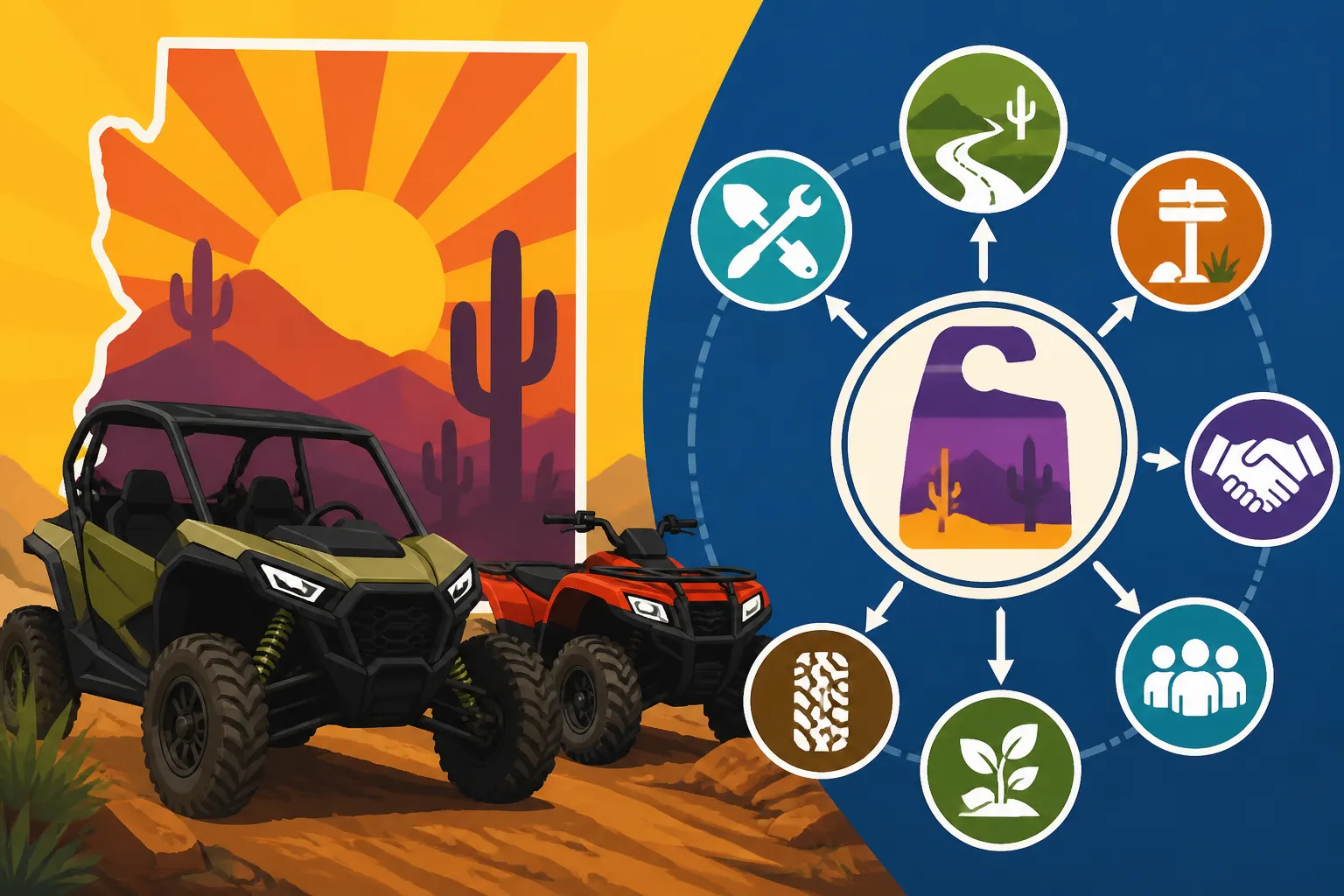
So, let's get down to the nitty-gritty: exactly where does that money go? Your OHV decal dollars are primarily channeled into three main areas: trail maintenance and improvement, education and safety programs, and enforcement initiatives. Each of these pillars is crucial for creating and sustaining a high-quality, safe, and accessible OHV environment. It's a holistic approach designed to cover all aspects of the riding experience, from the condition of the ground beneath your tires to the knowledge you have as a rider.
Think of it this way: without well-maintained trails, riding would be a muddy, eroded mess, or worse, inaccessible. Without education, new riders might unknowingly cause damage or put themselves at risk. And without enforcement, the rules that keep everyone safe and preserve our natural resources would quickly be ignored. Your decal literally contributes to all of these vital components, making every ride more enjoyable and responsible. It’s a direct investment in the lifestyle you love.
The budgeting process for these funds is usually annual, with various proposals and needs assessed by the managing agencies. They look at everything from major repair projects needed after a heavy monsoon season to ongoing signage replacement and the development of new safety campaigns. It's a dynamic process, responsive to the changing needs of the OHV community and the natural environment. While we don't dive into the specific numbers, it’s a pretty thorough evaluation to ensure maximum impact for every dollar spent.
Here’s a breakdown of the primary ways your decal money is put to work:
| Category | Description | Example Initiatives |
|---|---|---|
| Trail Maintenance & Access | Funds projects to preserve existing trails, repair damage, and expand access for OHV users. This includes crucial work to prevent erosion, improve drainage, and ensure trails remain passable and enjoyable. | Grading and resurfacing popular routes, building bridges over washes, installing signage, creating new connections to existing trail networks, developing [Arizona OHV Fund and Trail Projects]. |
| Rider Education & Safety | Supports programs aimed at informing riders about safe operating practices, environmental stewardship, and current OHV laws. This is vital for preventing accidents and ensuring responsible use of public lands. | Funding for [Arizona's Free Mandatory OHV Decal Course], distributing safety pamphlets, supporting youth rider training, promoting responsible riding etiquette, developing public awareness campaigns. |
| Enforcement & Resource Mgmt | Provides resources for law enforcement patrols to ensure compliance with OHV rules and regulations, manage public land access, and support search and rescue operations. Also covers efforts to protect natural resources. | Funding for park rangers and deputies on OHV trails, supporting [Deputy Enforcement on Arizona Back Roads], maintaining wilderness boundaries, assisting in search and rescue missions, preventing illegal dumping. |
Trail Maintenance and Improvement Projects
One of the most significant allocations of your Arizona OHV decal money goes directly into the ground – literally – through trail maintenance and improvement projects. Arizona boasts tens of thousands of miles of incredible OHV trails, from the high deserts to the mountainous regions, and keeping these trails in prime condition is a monumental task. The desert environment, with its flash floods, intense sun, and ever-shifting sands, can be particularly harsh on trail systems. This is where your decal funds step in, making a tangible difference every day.
These projects cover a wide spectrum of work, from routine upkeep to major overhauls. For instance, after a particularly strong monsoon season, many trails can suffer from severe erosion, washouts, and debris accumulation. Decal funds are used to hire crews or provide grants to local OHV clubs to repair these damages, grade surfaces, clear fallen rocks or branches, and re-establish proper drainage. This proactive and reactive maintenance is essential to prevent trails from becoming impassable or unsafe, ensuring that riders can continue to enjoy their favorite routes without unnecessary closures or hazards.
Beyond just fixing what's broken, your decal dollars also contribute to enhancing the overall riding experience and expanding access. This might involve building new trail sections to connect existing routes, improving signage to prevent riders from getting lost or straying into restricted areas, or installing more durable infrastructure like culverts and small bridges over persistent water crossings. These improvements make trails more sustainable, reduce environmental impact, and open up even more opportunities for exploration. When you see a freshly graded section or clear directional signs out in the backcountry, you're seeing your decal money hard at work.
Furthermore, a portion of these funds is often invested in improving trailhead infrastructure. This includes creating and maintaining safe staging areas where riders can unload their machines, providing clear access points to trails, and sometimes even installing amenities like restrooms, shade structures, and informational kiosks. These improved facilities not only make the start and end of your ride more comfortable but also help manage traffic and reduce impact on sensitive areas. If you're planning a trip and need to know where to unload, remember that improved staging areas are often a direct result of these funds. [Trailer Registration for Hauling Quads in Arizona] and proper loading techniques are crucial for getting to these improved staging areas safely, but the ability to stage comfortably is a benefit you get from the fund.
Education, Safety, and Enforcement Initiatives
Beyond the physical trails, your Arizona OHV decal money plays a critical role in fostering a culture of responsible riding through education, safety, and enforcement initiatives. Many riders, especially newcomers or those [Arizona OHV Rules for First-Time Visitors], may not be fully aware of all the rules, safety protocols, or environmental considerations involved in OHV use. This is where vital programs step in to ensure everyone has the knowledge they need to ride safely and legally.
A significant portion of the funds goes towards developing and disseminating educational materials and programs. This includes supporting initiatives like the mandatory [Arizona's Free Mandatory OHV Decal Course], which covers everything from basic riding etiquette and safety gear to environmental stewardship and state laws. These resources are designed to equip riders with the knowledge to protect themselves, their fellow riders, and the fragile desert ecosystem. It's about empowering riders to make informed choices that contribute to a positive OHV community rather than detract from it. For instance, learning about the importance of staying on marked trails to prevent habitat damage is a direct outcome of these educational efforts.
Another crucial aspect supported by decal funds is the promotion of safety. This can involve public awareness campaigns about wearing appropriate safety gear, understanding the risks of alcohol impairment while riding, or knowing how to prepare for emergencies in remote areas. The funds also help support search and rescue operations by providing resources to teams who respond to incidents on OHV trails. Knowing that there's a safety net in place, funded in part by your decal, offers a certain peace of mind when venturing deep into the backcountry. It’s important to familiarize yourself with what to do [Arizona OHV Accident Reporting Rules] should the worst happen, and these funds help ensure resources are available.
Finally, your decal dollars contribute directly to enforcement efforts, ensuring that OHV laws and regulations are respected across the state. This means funding for park rangers, county sheriffs, and other law enforcement personnel who patrol OHV areas. These officers are vital for ensuring compliance with things like speed limits, noise ordinances, and restrictions on riding in sensitive areas. They also play a role in deterring illegal activities such as littering, vandalism, or riding under the influence. When you see a ranger out on the trail, they are often there thanks in part to the decal fund. For example, [Deputy Enforcement on Arizona Back Roads] often relies on these funds to maintain their presence in remote OHV corridors, making sure everyone is following the rules.
The Value Proposition of Your OHV Decal
When you consider all these investments, the annual cost of your Arizona OHV decal isn't just a fee; it's a direct contribution to the preservation, improvement, and responsible enjoyment of Arizona's incredible OHV opportunities. Many riders initially see it as just another requirement, but once you understand [What the OHV Decal Buys an Arizona Rider], it becomes clear that it's an investment in your passion and the future of the sport. Without these dedicated funds, the quality of trails would decline, safety incidents would likely increase, and access to riding areas could diminish.
Your decal ensures that the trails you love to ride are maintained, safe, and accessible for years to come. It helps educate new generations of riders on responsible practices, preserving the natural beauty of Arizona for everyone. And it supports the enforcement of rules that keep the riding experience positive and fair. Think about that fresh grading on a rutted trail, the clear new signage, or the educational courses that make riding safer—these are all tangible benefits that stem directly from the decal fund.
It's also worth noting that many local OHV clubs and organizations work hand-in-hand with state agencies, often receiving grants or support from these funds to carry out volunteer trail work or organize safety events. This collaborative effort magnifies the impact of every decal dollar, turning it into countless hours of dedicated work on the ground. When you ride, you're often riding on trails touched by these efforts. The [Arizona OHV Decal Price and Processing Fee] is a small price to pay for such widespread benefits.
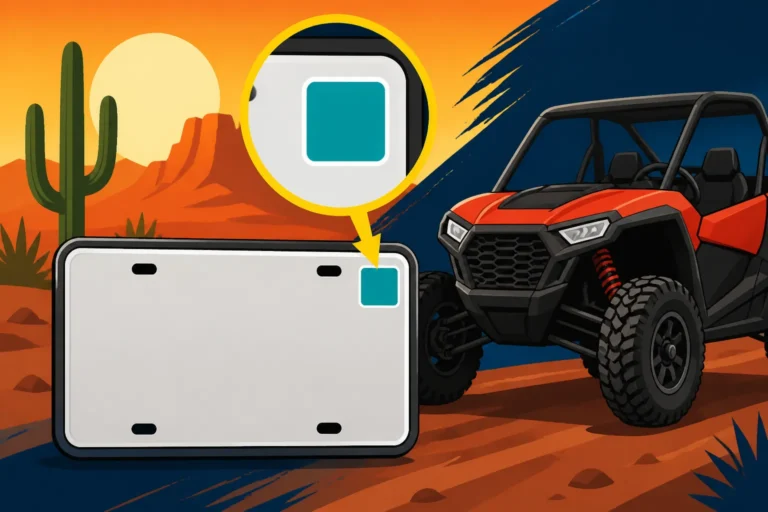
For those involved in private sales of OHVs, ensuring all paperwork is correct, including proof of ownership and a clear bill of sale, is crucial. Services like LawDepot can be incredibly helpful for creating these necessary documents, providing templates that ensure you cover all your bases legally when [Buying a Used Side-by-Side in Arizona: The Paperwork]. While unrelated to decal funds directly, proper documentation is part of responsible OHV ownership, and having resources like LawDepot at your fingertips can make the process smoother. The decal then acts as your official permission to operate the machine off-highway, completing the full picture of responsible ownership. So, the next time you affix your decal, remember that it's more than just a sticker; it's a vital part of keeping Arizona's OHV legacy alive and thriving. Remember to always know [Where the Arizona OHV Decal Goes on the Plate] for proper display. You can also find information on [Renewing an Arizona OHV Decal Each Year] to ensure continuous contribution to this vital fund.
Disclaimer
This article is for general informational purposes only and does not constitute professional advice. Laws, prices and regulations vary by location and change over time. Consult a qualified professional for guidance on your specific situation.