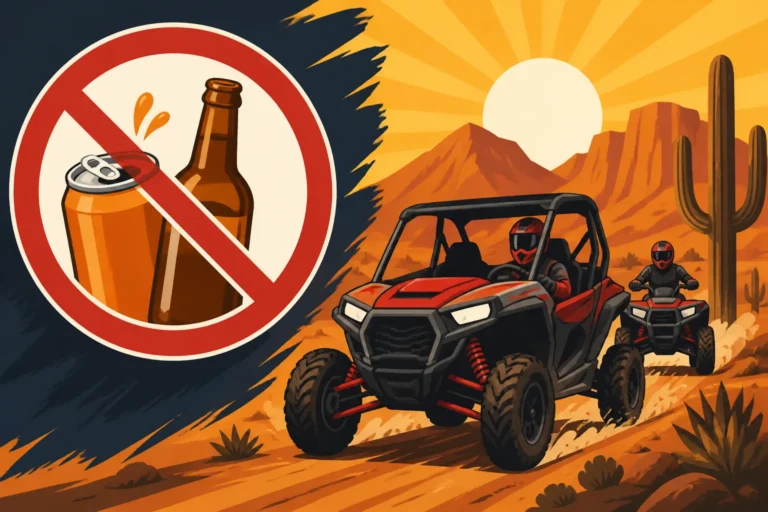
Summer Heat and Arizona Road Riding
Riding your ATV or UTV on Arizona's paved and maintained dirt roads during the brutal summer months can be an exhilarating experience, but it comes with unique challenges. The extreme heat can take a toll on both you and your machine, leading to everything from engine overheating to serious dehydration. This guide will help you understand the specific demands of summer road riding in Arizona and equip you with the knowledge to prepare your off-highway vehicle (OHV) and yourself for safe, enjoyable adventures, even when the mercury climbs sky-high.
Understanding Arizona's Summer Heat and Its Impact on OHVs
Arizona summers are legendary for their intensity, and anyone planning to ride an ATV or UTV on its roads during this time needs to treat the conditions with the utmost respect. It’s not just "warm"; it's an environment that actively works against you and your machine if you're not prepared.
The Brutal Reality of Desert Temperatures
When we talk about summer in Arizona, we're not just talking about high daytime temperatures; we're talking about a relentless, pervasive heat that soaks into everything. Ambient air temperatures can easily soar past 110 degrees Fahrenheit in the low desert areas like Phoenix, Yuma, and Lake Havasu City. But it's not just the air you have to contend with. The ground itself, especially asphalt and dark desert soils, absorbs and radiates heat back up, creating an even hotter microclimate around your machine. Imagine riding on a furnace, with additional heat radiating from the engine and exhaust. This combination creates a scenario where both the rider and the machine are constantly battling thermal stress.
This isn't just about feeling uncomfortable; it's about physics. Your body's cooling mechanisms, primarily sweating, become less effective when the air is already so hot, and your machine's cooling system is working overtime, often in air that's hotter than the optimal operating temperature for its design. Even early morning rides, while cooler, still contend with residual heat from the previous day's bake. Riders who underestimate this often find themselves cutting rides short or dealing with unexpected mechanical issues far from help.
How Heat Affects Your Machine's Performance and Longevity
The extreme heat places an enormous strain on every component of your ATV or UTV. Your engine, designed to run within a specific temperature range, will work significantly harder to dissipate heat. This can lead to engine oil breaking down faster, reducing its lubricating properties and increasing wear on internal components. Overheating is a constant threat, and when an engine overheats, it can cause everything from head gasket failure to warped cylinder heads, expensive repairs no one wants to face. The cooling system – radiator, fan, hoses, and coolant – needs to be in peak condition to even stand a chance.
Beyond the engine, other systems are also affected. Your transmission and differential fluids can also overheat, breaking down and leading to premature wear or even catastrophic failure. Electrical components, from wiring harnesses to sensors, can become brittle or fail entirely under prolonged exposure to high temperatures. Rubber and plastic parts, like belts, bushings, and various seals, degrade much faster in the scorching desert sun, potentially leading to breakdowns or loss of performance. Even your tires are susceptible, with increased internal pressure and faster wear on hot pavement. It's a cascade effect where one stressed component can quickly impact another, and maintaining your machine becomes critical.
Preparing Your Street-Legal OHV for Extreme Summer Riding
Given the punishing conditions, proper preparation for your street-legal OHV is not just a good idea, it's absolutely essential for a safe and enjoyable summer ride in Arizona. This involves both meticulous pre-ride checks and considering specific upgrades to enhance your machine's heat endurance.
Essential Pre-Ride Checks and Maintenance
Before you even think about hitting the road, a thorough inspection of your street-legal OHV is paramount. Start with your cooling system: check coolant levels and ensure there are no leaks in hoses or connections. The radiator should be free of mud, debris, and bent fins, all of which can severely impede airflow. Test your cooling fan to make sure it kicks on at the appropriate temperature and moves a strong volume of air. If your fan is struggling, consider a replacement or an upgrade. Also, inspect all belts for cracks or fraying, as a snapped belt can quickly lead to overheating and a stranded machine.
Beyond cooling, pay close attention to all fluid levels – engine oil, transmission fluid, and differential fluids. These fluids are the lifeblood of your machine, and in extreme heat, they degrade faster. Make sure they are topped off and in good condition; if it’s been a while, consider fresh fluid changes. Inspect your tires for proper inflation and any signs of cracking or damage, as hot pavement can exacerbate existing weaknesses. Finally, ensure all your lights, turn signals, and horn are functioning correctly, especially since you might be riding during twilight hours to avoid the peak heat. [What Arizona Requires on a Street-Legal Machine] covers many of these components.
Upgrades and Modifications for Heat Management
For those who frequently ride in Arizona's summer, investing in heat management upgrades for your OHV can save you a lot of headaches and potentially expensive repairs. One of the most common and effective upgrades is an aftermarket heavy-duty radiator, often paired with an upgraded, higher-flow fan. These systems are designed to dissipate heat more efficiently than stock units, providing a much-needed buffer against overheating. Brands like SuperATV offer robust cooling solutions that many desert riders swear by, from radiators to auxiliary fan kits that push more air when you need it most.
Another smart modification is to use synthetic oils and fluids designed for high-temperature performance. These specialized lubricants maintain their viscosity and lubricating properties better under extreme heat, protecting your engine and driveline components more effectively. Heat shields around exhaust pipes or under the seats can also make a noticeable difference in rider comfort by reducing radiant heat, especially in side-by-sides where the engine is often directly behind the occupants. Some riders also opt for a coolant additive that helps improve heat transfer within the cooling system. While [Arizona Emissions Testing for a Street Machine] means you can't go crazy with engine mods, these types of upgrades are usually compliant and focus on reliability.
Rider Safety and Comfort in Arizona's Summer Sun
Even with a perfectly prepped machine, you are the most vulnerable component when riding in Arizona's summer. Heat exhaustion and heat stroke are serious risks that can quickly turn a fun ride into a medical emergency. Prioritizing your personal safety and comfort is non-negotiable.
Hydration Strategies for Desert Riding
Hydration is not something to take lightly in the Arizona desert; it's a critical survival strategy. You will sweat profusely, even on a breezy ride, and losing fluids rapidly can lead to dehydration, cramps, confusion, and even loss of consciousness. The key is to start hydrating before your ride, not just during. Drink plenty of water or electrolyte-rich beverages the day before and the morning of your ride. During the ride, plan to consume at least one liter of fluid per hour, more if you are exerting yourself.
Carry far more water than you think you'll need. Hydration packs are excellent for this, allowing you to sip continuously without stopping. Pack additional bottles in a cooler. Electrolyte drinks or tablets are highly recommended, as they replenish essential salts lost through sweat, preventing cramping and fatigue. Avoid sugary sodas, coffee, or alcohol, which can actually dehydrate you further. Know the signs of dehydration and heat exhaustion – dizziness, nausea, headache, excessive sweating followed by no sweating, and muscle cramps – and pull over immediately if you or anyone in your group experiences them. [Riding an Arizona Road at 110 Degrees] demands serious hydration planning.
Appropriate Gear to Combat the Heat
While it might seem counterintuitive to wear more clothing in extreme heat, the right gear is crucial for protecting you from the sun and preventing heat-related illness. Lightweight, breathable, long-sleeved shirts and pants made of moisture-wicking fabrics are ideal. These protect your skin from intense UV radiation, which can cause severe sunburn and contribute to heat stress. Loose-fitting clothing also allows for better airflow, aiding in evaporative cooling. Many riders wear cooling vests or neck wraps that you can wet down, providing temporary relief.
A wide-brimmed hat or a neck gaiter under your helmet can help protect your neck and face. Speaking of helmets, while necessary, they can contribute to heat buildup. Look for helmets with good ventilation and consider taking breaks to remove your helmet and allow your head to cool. Goggles or sunglasses are essential for eye protection against dust and glare. Don't forget sunscreen – apply it liberally to any exposed skin, and reapply frequently. Even if [Arizona Helmet Law for Riders Over 18] doesn't always mandate a helmet, for summer riding, you'll still want full coverage to protect yourself from the sun.
Navigating Road Conditions and Rules During Summer
Riding your street-legal OHV on Arizona roads in the summer involves more than just dealing with the heat; it also means understanding when and where you can ride, and being prepared for unique summer weather events like the monsoon season.
When and Where to Ride on Arizona Roads
To minimize exposure to the most intense heat, serious summer riders often schedule their adventures for early mornings or late afternoons and evenings. Dawn rides offer cooler temperatures and stunning sunrises, while sunset rides provide a beautiful backdrop and a gradual cool-down. However, remember that riding in low light conditions requires all your vehicle's lighting systems to be in perfect working order, including headlights, taillights, and turn signals, as covered in rules like [Arizona's 500 Foot Headlight Rule]. You'll also need to be acutely aware of wildlife that is more active during these cooler times.
Regarding where to ride, consider the surface. Paved roads, while convenient for connecting trails, absorb and radiate immense heat, contributing to higher tire temperatures and rider discomfort. Dirt roads and trails, especially those shaded by trees or at higher elevations, might offer slightly cooler conditions, but these are rare in the low desert. Always check local ordinances and maps to confirm [Which Arizona Roads Allow OHVs] for street-legal machines. Some communities or roads might have specific restrictions or hours of operation, especially in sensitive areas or near residential zones where noise might be a concern.
Monsoon Season Hazards and Road Closures
Arizona's summer isn't just about dry heat; it's also monsoon season, typically from July through September. This brings sudden, intense thunderstorms that can transform bone-dry washes into raging rivers in minutes. Never attempt to cross a flooded wash or road, even if it looks shallow. Arizona has a "Stupid Motorist Law" that makes you liable for rescue costs if you get stuck attempting to cross a flooded area. [Monsoon Flooding Across an Arizona Road] is no joke, and the water can be deceptively deep and fast-moving.
Beyond flash floods, monsoon storms bring other hazards. Strong winds can kick up massive dust storms (haboobs) that reduce visibility to zero, making road riding incredibly dangerous. Lightning is also a serious threat in exposed desert environments. Always check weather forecasts before you head out, and be prepared to take shelter or cut your ride short if storms begin to develop. Many desert roads, particularly those that cross washes, can become impassable after heavy rains, leading to unexpected detours or forced overnight stays if you're not equipped to handle them. During fire restriction periods, certain roads and trails may also be closed entirely, so always check with the Forest Service or BLM.
Troubleshooting Common Heat-Related Issues on the Road
Despite your best preparations, heat-related issues can still arise. Knowing how to diagnose and address them quickly can prevent minor inconveniences from becoming major problems, especially when you're miles from civilization.
Dealing with Overheating Engines and Driveline Stress
The most common heat-related problem for OHVs in Arizona's summer is engine overheating. If your temperature gauge starts creeping into the red, or you see steam, pull over immediately to a safe, shaded spot if possible. Do not immediately remove the radiator cap – hot coolant is under pressure and can cause severe burns. Turn off the engine and allow it to cool down naturally. Once cool, check your coolant level. If it's low, cautiously add coolant, but be aware that a sudden influx of cold fluid into a hot engine can cause cracks. Check for visible leaks and ensure the cooling fan is operating correctly.
Sometimes, the issue isn't a direct engine overheat but stress on the driveline. You might notice a loss of power, a burning smell from the belt (for CVT machines), or unusual noises from the transmission or differentials. Pulling heavy loads, climbing steep grades, or riding slowly in deep sand all contribute to driveline heat. Take regular breaks to allow components to cool. For CVT machines, ensure your clutch sheaves are clean and your belt is in good condition. Consider aftermarket cooling scoops for belt housings, like some available through SuperATV, to improve airflow. Ignoring these signs can lead to premature failure of belts, clutches, or gearboxes, which are often costly to replace. If you've addressed all the typical causes and your machine still overheats, it might be time for a professional mechanic to diagnose the issue, as discussed in [Overheating on a Long Hot Ride].
Tire Pressure Management on Hot Pavement
Tires are another component highly susceptible to heat, especially when riding a street-legal OHV on hot Arizona pavement. As the ambient temperature rises and the tires flex on the road, the air inside heats up and expands, increasing tire pressure. If you set your cold tire pressure too high, the pressure could climb to dangerous levels on a long, hot ride, leading to reduced traction, uneven wear, or even a blowout. Conversely, running too low pressure can cause excessive sidewall flex and heat buildup, also increasing the risk of failure.
The key is to set your cold tire pressure according to your machine's manufacturer recommendations, and then monitor it periodically during your ride. A good rule of thumb is to expect a 2-4 PSI increase on hot days. If your tires gain significantly more pressure, you might need to slightly reduce your cold starting pressure. Always use a reliable tire pressure gauge. [Tire Pressure on Hot Pavement] is a critical detail that many riders overlook, but it significantly impacts safety and tire longevity. Inspect your tires for cuts, punctures, or excessive wear before and after each ride, as hot conditions can exacerbate any existing damage.
Post-Ride Care and Storage in Arizona's Summer
The heat doesn't stop impacting your OHV once the ride is over. Proper post-ride care and storage are crucial to ensure your machine remains in good condition and is ready for your next adventure.
Cooling Down Your Machine After a Hot Ride
Just like you need to cool down after a strenuous activity, your OHV benefits from a proper cool-down period. Avoid immediately shutting off a hot engine after a hard ride, especially if it's been running hot. Let it idle for a few minutes in a shaded area to allow coolant to circulate and dissipate residual heat from the engine. This helps prevent heat soak, where components remain excessively hot after shutdown, potentially damaging seals or plastics. Once it's idled for a bit, then you can turn it off.
After the machine has cooled down enough to touch, give it a quick visual inspection. Check for any fluid leaks that might have developed under stress, and inspect tires for damage. If your machine is particularly dusty or muddy, a quick rinse can help remove corrosive elements and improve cooling efficiency for the next ride, just be careful not to blast sensitive electrical components with high-pressure water. Replenish any lost coolant or other fluids as needed, preparing it for the next outing.
Long-Term Storage Considerations for Extreme Heat
If you're not planning to ride your OHV for an extended period during the peak summer months, proper storage is vital. The intense Arizona sun and heat can degrade plastics, fade paint, and dry out rubber components. Ideally, store your OHV indoors, in a garage or shed, to protect it from direct sunlight and extreme temperature fluctuations. If indoor storage isn't an option, use a high-quality, UV-resistant cover. Make sure the cover is breathable to prevent moisture buildup underneath.
Before storing, give your machine a thorough cleaning. Check all fluid levels and top them off. Consider a fuel stabilizer if it will be sitting for more than a month to prevent fuel degradation. Disconnect the battery or use a battery tender to keep it charged. Elevating the machine on stands can take pressure off the tires, preventing flat spots. By taking these extra steps, you'll ensure your ATV or UTV remains in good condition and is ready to hit the desert roads when the cooler seasons return. [Storing a Machine Through an Arizona Summer] effectively minimizes wear and tear.
Disclaimer
This article is for general informational purposes only and does not constitute professional advice. Laws, prices and regulations vary by location and change over time. Consult a qualified professional for guidance on your specific situation.