Riding Arizona in October
October can feel like two different riding seasons in Arizona: warm, dusty desert mornings in the low country and crisp starts at higher elevations. That contrast makes choosing a route and packing the right gear surprisingly tricky. This guide explains where October riding tends to work well, how to plan around changing conditions, and what to check before towing your ATV or UTV to a trailhead.
What October Riding Is Like in Arizona
Expect a transition between desert heat and high-country chill
October is a shoulder-season month, not a guarantee of cool weather everywhere. In lower-elevation areas near Phoenix, Lake Havasu City, and Yuma, afternoons may still feel hot, especially on exposed trails with little shade. A morning start can make a desert ride more comfortable, but it does not remove the need to carry water, sun protection, and a plan for getting back if conditions change.
Higher elevations around Flagstaff, the Mogollon Rim, and parts of the Prescott area can feel much cooler, particularly early in the day and after sunset. A ride that starts comfortably in a T-shirt may feel cold once you stop in the shade or reach a windy ridge. Bring a light insulating layer that can be stowed when the day warms up, and check the forecast for the elevation of your route rather than relying only on a city forecast.
This wide range is one reason October can be appealing: riders can choose between lower desert routes and cooler forest-country outings. But it also means there is no single statewide packing list or ideal start time. The right plan depends on elevation, exposure, route length, and the weather expected on the day you ride. For broader seasonal context, see Arizona’s Best Riding Months and Best Months for Arizona Desert Riding.
Treat recent weather as part of your route choice
October often follows Arizona’s summer monsoon period, but the end of the calendar season does not make every wash or canyon automatically safe. A storm can affect a route even if the sky above your staging area is clear. Water may collect or move through low spots, and a dry-looking crossing can still be unstable after rainfall upstream. Avoid entering a flooded wash, and do not assume a route is passable simply because another rider crossed it earlier.
Dust, loose sand, and rocky surfaces also change how a trail feels from one day to the next. Recent rain may make some surfaces firmer while leaving other areas muddy or rutted. If a route includes a wash, steep grade, or narrow canyon, check local conditions and be prepared to turn around rather than forcing a crossing. The practical takeaway is simple: plan for the terrain you may encounter, not only the conditions you see at the parking area.
For more on storm-related hazards, review Arizona Monsoon Season and Flash Flooding. Before leaving, check the route and surrounding area for current closures or alerts, and be ready to choose a different ride if conditions make your original plan unsafe.
Choosing an October Trail or Riding Area
Match the route to your machine and the group
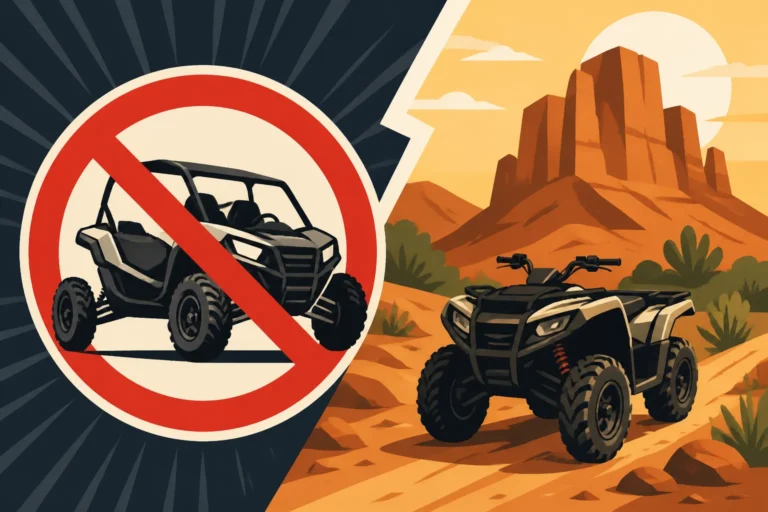
Arizona offers a wide mix of riding, from open desert routes to rocky climbs and forest roads. A trail that looks manageable on a map may be a poor fit for a full-size side-by-side, a newer rider, or a group that wants an easy sightseeing day. Check route width, surface, difficulty, and any posted restrictions before setting out. Be especially careful when a route includes narrow turns, ledges, steep grades, or limited room to pass.
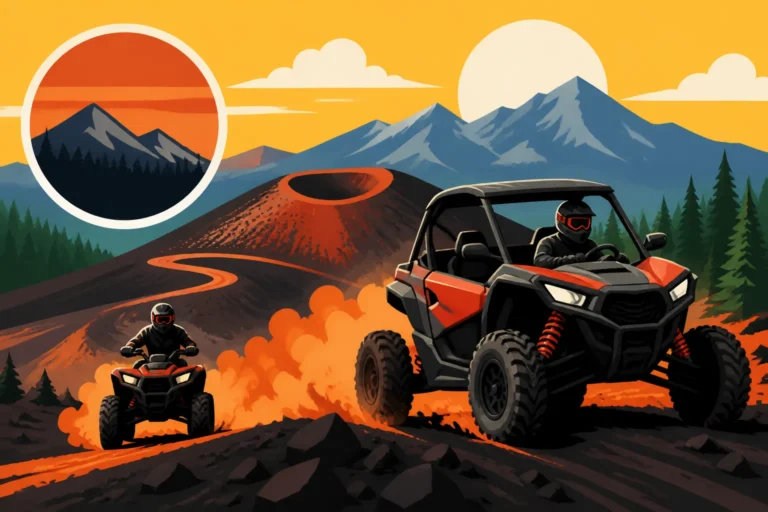
Areas near Phoenix can be convenient for riders based in the Valley, but access rules and route conditions vary by location. Table Mesa and Bulldog Canyon, for example, should not be treated as interchangeable riding areas just because both are north or east of the city. Access requirements, terrain, and the amount of planning involved can differ. For a higher-elevation option, Cinder Hills near Flagstaff offers a very different setting from the low desert, so temperature, wind, and road conditions on the way to the area matter too.
Choose a ride that leaves the group with room to enjoy the day rather than one that stretches every rider’s skill and endurance. If you are bringing a mixed group, agree in advance on the pace, turnaround point, and what happens if someone wants to stop. Arizona Trails Rated for Full-Size Rigs can help frame the machine-fit question, while Family-Friendly Arizona OHV Trails may be useful when young or less-experienced riders are part of the plan.
Confirm access before you tow
A route shown online is not necessarily open, legal for your machine, or suitable for your planned trip. Land boundaries and travel rules can change as a route passes between public land types, and a road that appears connected on a map may not allow motorized travel along its entire length. Use an official travel management map or land-manager information to confirm that your planned route is open to the kind of machine you are bringing.
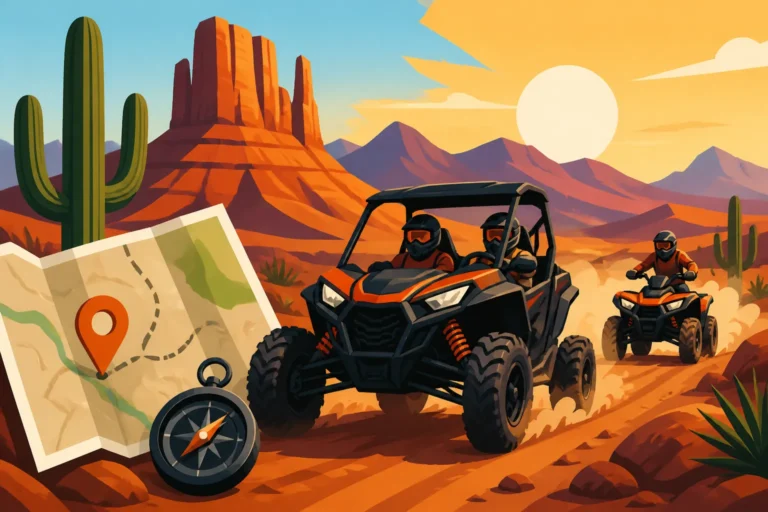
Digital mapping tools, including onX Offroad, can help you review route lines, land boundaries, and nearby access points while you plan. They are useful planning aids, but do not treat any app as a substitute for posted signs or current land-manager notices. Download or save information before heading into areas with limited cell service, and carry a backup way to navigate if your phone battery runs low or the device loses signal.
Check the route shortly before departure, not only when you first book lodging or load the trailer. Look for seasonal restrictions, fire-related closures, construction, or access changes. Finding the Right Travel Management Map and Checking Arizona Trail Status Before You Drive offer useful planning reminders. If you are planning several days of riding, Planning an Arizona Riding Trip can help you build in time for route checks and alternate plans.
| Riding setting | What October may feel like | Planning detail to prioritize |
|---|---|---|
| Low desert near Phoenix or Yuma | Warm to hot in exposed areas, especially later in the day | Early start, ample water, shade breaks, and a shorter backup route |
| Lake Havasu area | Sunny and exposed, with conditions varying by route and time of day | Water, sun protection, and a clear turnaround plan |
| Sedona area | A mix of exposed terrain, rocky routes, and cooler periods in shade | Route difficulty, machine fit, access rules, and crowd expectations |
| Flagstaff and higher country | Cooler mornings and potentially chilly, windy conditions | Warm layers, elevation-specific forecast, and road access checks |
| Prescott area | Variable conditions across forest and higher-elevation routes | Current route status, surface conditions, and suitable tires and recovery gear |
Preparing for the Ride
Pack for the full day, not just the first hour
October’s changing temperatures can make it tempting to pack lightly, especially when the afternoon forecast looks pleasant. Still, a delayed return, mechanical issue, navigation mistake, or unexpected route closure can turn a short outing into a longer day. Bring enough water for the planned ride and an appropriate reserve, with extra consideration for passengers, children, and anyone who is not accustomed to riding in dry conditions. How Much Water a Desert Ride Needs is a useful companion for planning hydration.
Carry sun protection even when the morning is cool. The open desert offers little shade, and wind can make heat feel less obvious while you ride. Sunglasses or goggles, long sleeves, sunscreen, and a hat for breaks can make the day more comfortable. A light warm layer is equally useful for early starts and higher elevations. Pack it somewhere accessible rather than buried beneath equipment you do not expect to use.
Think through basic trail-side needs before leaving the staging area. A first-aid kit, charged phone, navigation backup, tire repair supplies, and tools appropriate to your machine can help with minor problems. If your route is remote, tell someone where you are going and when you expect to return. Cell service can be unreliable, so do not make a working phone connection your only safety plan.
Check the machine and trailer before the drive
A long tow to the trailhead makes small problems inconvenient fast. Before leaving home, check the ATV or UTV’s tires, brakes, lights, fluids, and visible damage. Make sure the machine is secured properly on the trailer and that the trailer itself is road-ready. At the staging area, do a quick walkaround again: straps, tie-down points, loose cargo, and anything that may have shifted during the drive.
For a group ride, check that each machine is appropriate for the route and that riders understand how the group will travel. Agree on a lead and sweep rider, choose a regrouping point, and make sure everyone knows what to do if the group gets separated. On unfamiliar trails, onX Offroad can support route review and navigation, but riders should still pay attention to signs, junctions, and the terrain in front of them. Do not follow a digital line onto a closed or clearly unsuitable route.
Also make room in the plan for the return trip. A ride that begins late in the day may leave little margin for a flat tire, a wrong turn, or a slow-moving section. Set a turnaround time that allows the group to reach the trailer well before dark. If anyone is new to the area, a shorter out-and-back route can be less stressful than a long loop with uncertain junctions.
Staying Safe and Adjusting Your Plan
Watch for fire restrictions and access changes
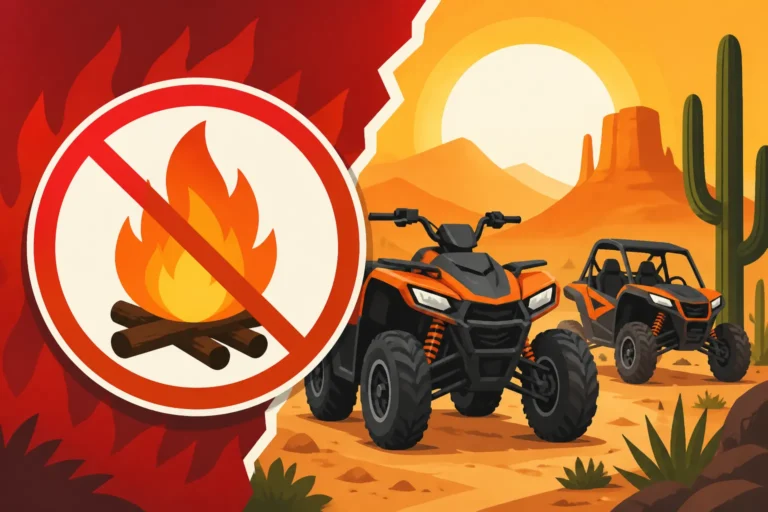
Fire restrictions can affect where and how people travel on public lands. Conditions and rules vary by location, so check the relevant land manager’s information before the ride and follow posted requirements. Do not assume that a restriction in one area applies everywhere, or that a route remains open because it was accessible on a previous visit. Arizona Fire Restrictions by Stage explains why checking the local status matters.
Treat signs and closures as route information, not as suggestions to work around. If a road or trail is closed, choose a legal alternative rather than going around a barrier or creating a new track. A detour across unapproved ground can damage vegetation and soil, cross a boundary you did not intend to enter, or put your group in an unsafe location. When conditions change after you arrive, pause and rework the plan before continuing.
A practical backup plan can be as simple as identifying a second staging area or a shorter route nearby. Save those options before leaving reliable cell service. onX Offroad may help you compare nearby route options while preparing, but confirm that any alternative is open and permitted before using it. A mapped line alone does not establish legal access.
Set a realistic pace and know when to turn around
October can bring comfortable riding weather, but comfortable weather is not a reason to push beyond the group’s abilities. Stop before fatigue makes decision-making sloppy. Keep riders within sight when the terrain allows, regroup at confusing junctions, and give extra space when dust reduces visibility. In a group, the fastest rider should not set a pace that leaves newer riders behind or pressures them to take risks.
Turn around if the route becomes more difficult than expected, a machine develops a problem, weather worsens, or the group is running short on daylight. This is especially important when the planned ride includes washes, steep terrain, or remote sections with few easy exits. A shorter day that ends safely is a better outcome than reaching a scenic destination and discovering that the return leg is beyond the group’s comfort level.
Before you head out, make sure the staging plan is solid too. Confirm where you can legally park and unload, and avoid blocking access for other visitors or emergency vehicles. Arizona Trailhead Parking and Staging offers additional guidance for that part of the outing. If your destination or route changes, tell your check-in contact whenever possible and update the group’s shared plan.
Disclaimer
This article is for general informational purposes only and does not constitute professional advice. Laws, prices and regulations vary by location and change over time. Consult a qualified professional for guidance on your specific situation.