Riding a Mining Road Near Kingman
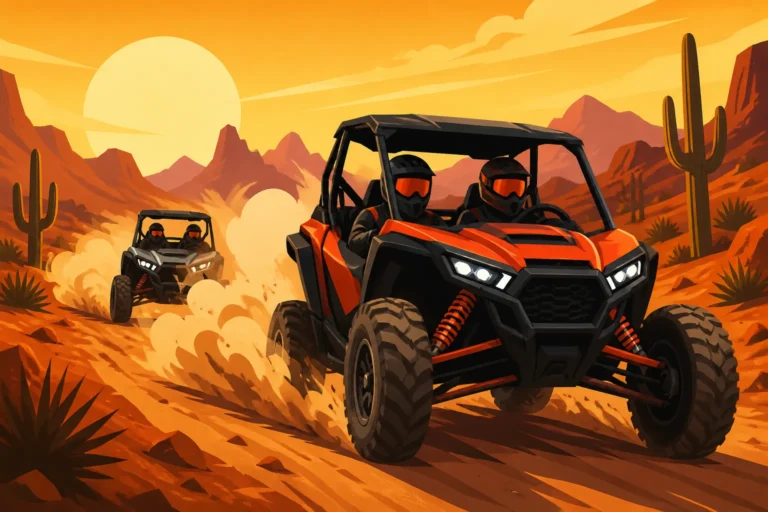
Riding the old mining roads near Kingman, Arizona, presents a unique blend of historical exploration, stunning desert scenery, and rugged off-road adventure. However, many riders often head out without fully understanding the distinct challenges and regulations that come with these historic routes, leading to potential fines, damage to their machines, or even getting lost. This comprehensive guide will walk you through everything you need to know to safely and responsibly navigate the Kingman area's mining roads, ensuring your adventure is memorable for all the right reasons.
Understanding Mining Roads in the Kingman Area
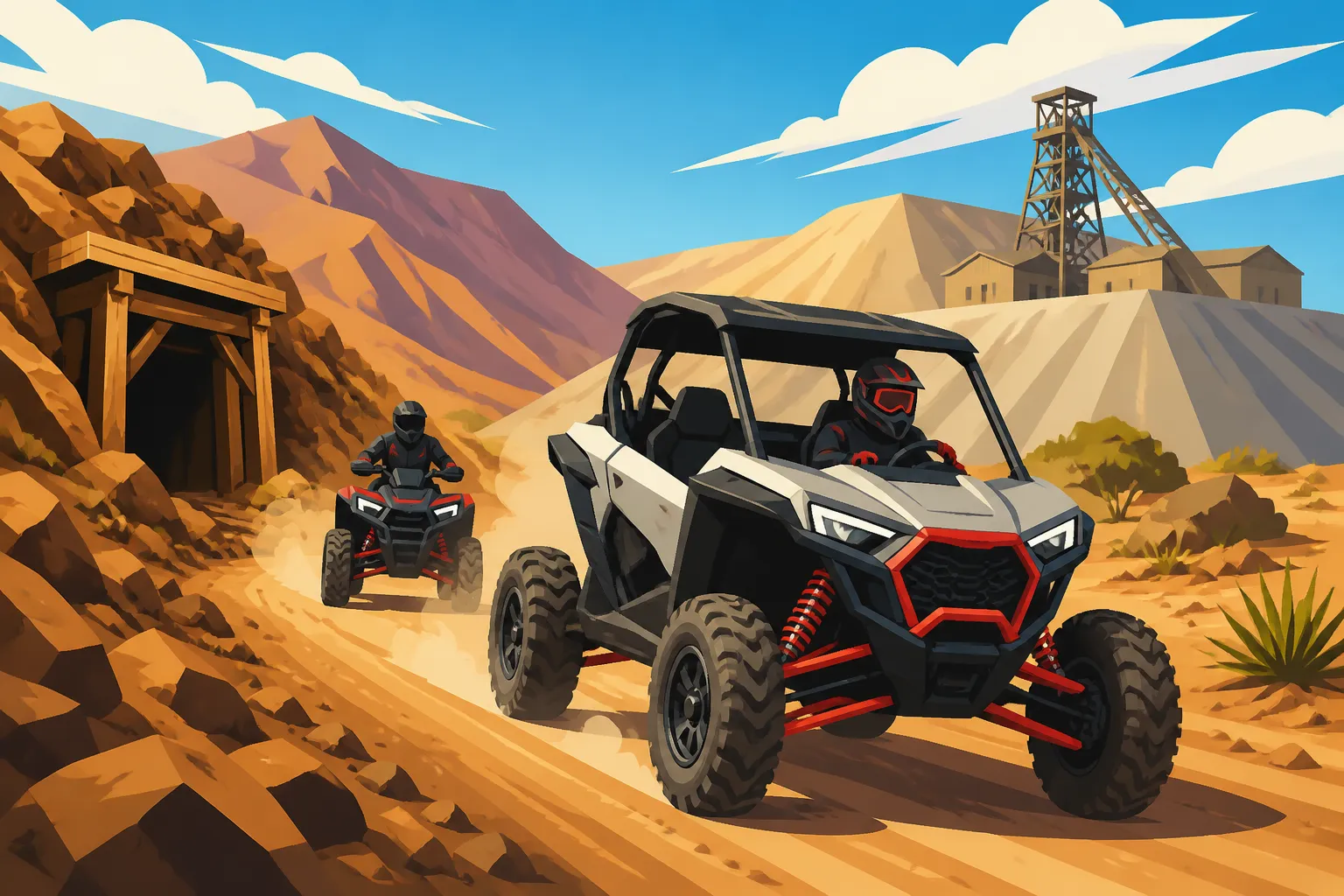
The Kingman area, steeped in a rich history of mining, is crisscrossed with a fascinating network of old mining roads. These aren't your typical graded dirt paths; they are remnants of a bygone era, each with its own story and set of challenges.
What Defines a Mining Road?
Historically, mining roads were simply the most direct, practical routes prospectors and mining companies could carve out to access their claims, transport ore, and bring in supplies. This means they weren't necessarily built with modern off-highway vehicles in mind. You'll find a wide spectrum of conditions: some might be relatively smooth, having seen recent maintenance or frequent use, while others are deeply rutted, strewn with jagged rocks, or partially reclaimed by the desert itself.
Many of these roads were never officially incorporated into a modern road system, leaving their legal status somewhat ambiguous at times. They often traverse a mix of Bureau of Land Management (BLM) land, Forest Service property, Arizona State Trust Land, and privately owned parcels. The terrain varies from high desert scrub to rugged mountain passes, offering breathtaking views but also demanding respect from riders. You might encounter relics of the past – old adits, assay offices, or equipment – serving as poignant reminders of the area's industrious history. Always remember that these historical sites are protected and should not be disturbed or removed.
Navigating Public vs. Private Access
One of the biggest frustrations for riders exploring mining roads is the sudden appearance of "No Trespassing" signs or locked gates. It's incredibly easy to accidentally stray onto private property, especially when old maps might not clearly distinguish land ownership. The Kingman area, like much of Arizona, is a patchwork quilt of public and private lands. Many historic mining claims eventually fell into private hands, or property owners acquired the land surrounding old mine sites.
The key to avoiding trouble is diligent pre-ride planning. Before you even air down your tires, you need to know whose land you'll be riding on. Tools like onX Offroad or other GPS mapping applications are invaluable for overlaying land ownership boundaries onto your route. These apps can often show you in real-time if you're approaching a private parcel or crossing onto State Trust Land (which often requires a permit). [Arizona Trespass Rules Along Desert Roads] are very clear, and violating them, even accidentally, can lead to serious consequences, including fines and legal issues. Always err on the side of caution; if a gate is closed, assume it's for a reason, and if a sign says "Private Property," turn around. Respecting these boundaries not only keeps you out of trouble but also helps maintain good relations between the riding community and private landowners, preserving access for everyone in the long run.
Essential Gear and Machine Prep for Kingman's Mining Roads
The rugged beauty of Kingman's mining roads demands that your off-highway vehicle (OHV) and your preparedness are top-notch. These aren't groomed trails; they're often raw, unforgiving routes that will test your machine and your skills.
Outfitting Your OHV for Rough Terrain
Kingman's mining roads are notorious for sharp, embedded rocks, loose shale, and deep, eroded ruts. Standard factory components might not stand up to the abuse. Tires are your first line of defense, so consider upgrading to an 8-ply radial tire or even a 10-ply, designed for extreme off-road use. These offer superior puncture resistance and durability compared to lighter recreational tires. Look for tires with aggressive, self-cleaning treads that can handle loose gravel and rocky climbs.
Next, focus on your machine's underbelly. Skid plates are not an option here; they are a necessity. Full skid plate kits, often made from high-density plastic or aluminum, protect your vital components like the engine, transmission, and differential from direct impacts. Beyond that, consider reinforced A-arms and rock sliders. These components, like those offered by SuperATV, are engineered to withstand impacts from boulders and prevent frame damage. Upgrading your suspension with heavier-duty springs or aftermarket shocks can also significantly improve ride comfort and handling over continuous rough terrain, reducing driver fatigue and increasing control. Before every ride, it's wise to perform a thorough inspection, much like you would before a big purchase, ensuring everything is tight, fluids are topped off, and nothing is worn excessively. [Going Over a Machine Before You Buy It] applies just as much to pre-ride checks.
Safety Gear and Emergency Preparedness
Venturing into the remote mining areas near Kingman means you must be self-sufficient. Cell service is notoriously spotty or non-existent in many of these canyons and washes. A satellite messenger or a satellite phone is highly recommended for emergency communication. Don't rely solely on your cell phone. [Cell Service in the Arizona Backcountry] can be a real issue.
Beyond the mandatory helmet and eye protection, your personal gear should include ample water – far more than you think you'll need, especially during warmer months. Dehydration is a serious threat in the Arizona desert. [How Much Water a Desert Ride Needs] is often underestimated by even experienced riders. Carry a comprehensive first-aid kit, a fire extinguisher, and a sturdy tool kit with spares like belt, spark plugs, and tire repair items. A full-size spare tire for a UTV, or at least a robust plug kit and portable air compressor for ATVs, is essential. A shovel, tow strap, and a winch (if your machine isn't already equipped) can be lifesavers when you inevitably get stuck in a sandy wash or high-centered on a rock. Finally, always let someone know your planned route and expected return time.
Rules, Etiquette, and Environmental Responsibility
Riding the historic mining roads near Kingman isn't just about thrills; it's about respecting the land, its history, and the rules designed to protect both. Ignorance of the law is never an excuse, and responsible riding ensures these unique areas remain open for future generations.
Arizona OHV Decals and Road Legalities
For most of the mining roads and two-track trails in the Kingman area, if you're on any public land (which many of these routes are), your OHV must display a valid Arizona OHV Decal. This isn't just for designated OHV areas; it applies to any public land where you might be operating. [Arizona's Annual OHV Decal Explained] details this requirement. The decal funds trail maintenance, law enforcement, and other programs that benefit riders. Failure to have one can result in a citation.
If your plan involves connecting various mining roads by utilizing paved county roads or crossing short sections of state highway, your machine will need to be fully street-legal. This means it needs a proper license plate (often an "MC" plate), insurance, a horn, mirrors, lights (headlights, taillights, brake lights), and sometimes a windshield, depending on the specifics of the build. [Making a UTV Street Legal in Arizona] involves a rigorous process, and it's crucial to understand these requirements before you head out. Don't assume that because a road looks remote, you can bypass these rules. Arizona Game and Fish Department (AZGFD) and local law enforcement patrol these areas, and they know the common infractions.
Responsible Riding and Environmental Stewardship
The desert ecosystem around Kingman is fragile, and it's our responsibility as riders to minimize our impact. The core principle is "Leave No Trace." This means packing out everything you pack in, including all trash, broken parts, and even organic waste like fruit peels. Avoid disturbing historical artifacts, old structures, or geological formations. These are part of Arizona's heritage and should be left for others to discover and appreciate.
Stick to existing trails and roads. Creating new tracks, especially across sensitive desert crust, can cause irreversible damage and is illegal. Be mindful of wildlife; many desert creatures are most active during dawn and dusk. Give animals a wide berth and never harass them. Reduce your speed when passing through residential areas or near historical sites, not only for safety but also to minimize dust and noise. While the desert often feels vast and empty, noise travels far, and desert communities value their peace. [Noise Rules in Arizona Desert Communities] are important to consider, especially when transitioning from wide-open desert to areas with homes. Remember that many old mining routes pass through critical habitat, and acting as a responsible steward ensures these unique landscapes remain accessible and healthy.
Planning Your Kingman Mining Road Adventure
A successful and enjoyable ride on Kingman's mining roads doesn't just happen; it's the result of careful planning and preparation. The more you know before you go, the safer and more rewarding your adventure will be.
Mapping and Route Planning
Before you leave the house, dive deep into your maps. Don't rely solely on a single source. Combine paper topographical maps with digital GPS applications like onX Offroad or Gaia GPS. These tools allow you to study the terrain, identify potential obstacles (like steep grades or narrow washes), and pinpoint historical points of interest. Look for water sources, though assume most are unreliable in the desert. Always mark potential bailout points or alternative routes in case a planned trail becomes impassable. [onX Offroad for Arizona Trails] is a particularly powerful tool because it often includes land ownership overlays, which are critical in the Kingman area.
It's crucial to understand how to read a Motor Vehicle Use Map (MVUM) if you plan on venturing onto Forest Service or BLM land. [Finding the Right Travel Management Map] can seem daunting, but these maps clearly delineate which roads and trails are open to motorized vehicles, which are closed, and any seasonal restrictions. Don't just follow a track you found online without verifying it against official maps. Conditions change rapidly in the desert due to weather, maintenance, or new closures, so always check the most current information available from the local BLM or Forest Service office. Some old mining roads might not be officially designated for OHV use, so always verify access.
Best Times to Ride and Local Considerations
The Kingman area experiences extreme temperatures. Summers are brutally hot, often exceeding 100 degrees Fahrenheit, making mid-day riding dangerous due to heat exhaustion and machine overheating. The [Best Months for Arizona Desert Riding] are typically fall, winter, and spring (October through April). During these months, temperatures are much more comfortable, allowing for longer, more enjoyable rides.
Even during cooler months, sudden weather changes are possible. Monsoon season (roughly July to September) brings intense thunderstorms that can cause flash floods in washes and canyons, turning a dry riverbed into a raging torrent in minutes, even if the rain falls miles away. [Monsoon Flooding Across an Arizona Road] is a serious hazard, and it's imperative to avoid washes during and immediately after heavy rains. Before heading out, check the local weather forecast, not just for Kingman, but for the higher elevations and surrounding areas where rain could feed into the washes you plan to cross.
Kingman itself is a great staging point for these adventures. You'll find gas stations, supply stores, and a variety of lodging and dining options. There are also local powersports shops that can help with last-minute gear or repairs. When planning, consider where you'll park your truck and trailer. Many trailheads offer ample parking, but it's always good to verify beforehand, especially for larger rigs.
Kingman Mining Road Essentials
To help you get ready for your next adventure near Kingman, here's a quick reference for essential gear and planning considerations:
| Category | Item | Importance (1-5, 5 being critical) | Notes |
|---|---|---|---|
| Machine Prep | Heavy-Duty Tires | 5 | Minimum 8-ply radial, aggressive tread. |
| Full Skid Plates | 5 | Protects engine, drivetrain, suspension. Check SuperATV for options. | |
| Reinforced Suspension/A-arms | 4 | Improves durability and ride comfort over rocks. | |
| Winch & Recovery Gear | 4 | Essential for self-recovery from sand or being high-centered. | |
| Safety & Survival | Satellite Messenger/Phone | 5 | Crucial for communication where cell service is absent. |
| Ample Water | 5 | Minimum 1 gallon per person per day; more in summer. | |
| Comprehensive First-Aid Kit | 4 | Be prepared for cuts, scrapes, and more serious injuries. | |
| Fire Extinguisher | 3 | Small, accessible unit for brush fires or machine fires. | |
| Spare Tire/Repair Kit & Compressor | 5 | Punctures are common; be ready to fix or replace. | |
| Tools & Spares | 4 | Basic wrench set, duct tape, zip ties, extra belt, spark plugs. | |
| Navigation & Info | GPS Device/Mapping App (e.g., onX) | 5 | With downloaded offline maps and land ownership layers. |
| Paper Maps | 3 | Battery-free backup in case electronics fail. | |
| Arizona OHV Decal | 5 | Required on public lands. | |
| Arizona State Trust Land Permit | 4 | If crossing or accessing State Trust Land. | |
| Personal Gear | Helmet & Eye Protection | 5 | DOT-approved helmet, goggles or shatter-resistant glasses. |
| Sun Protection | 5 | Wide-brimmed hat, sunscreen, long sleeves, gloves. | |
| Appropriate Clothing | 4 | Layered for temperature changes, breathable, tear-resistant. |
These mining roads offer an unparalleled opportunity to connect with Arizona's history and natural beauty. With the right preparation and a respectful attitude, your Kingman OHV adventure will be one for the books.
Disclaimer
This article is for general informational purposes only and does not constitute professional advice. Laws, prices and regulations vary by location and change over time. Consult a qualified professional for guidance on your specific situation.