Registering a Quad Kept at a Winter Home
It's a familiar sight across Arizona: the migrating snowbirds, those incredible folks who trade icy driveways for sunny desert trails each winter. Many of you bring your off-highway vehicles (OHVs) with you, looking forward to months of exploring our stunning landscapes. But the question of how to properly register that quad or side-by-side you keep at your winter home here in the Grand Canyon State can be a real head-scratcher. It’s not always obvious, and you certainly don't want to run afoul of the rules before you even get a chance to enjoy our incredible riding. This guide is going to walk you through exactly what you need to do to get your machine legally ready for Arizona's desert playground, ensuring your winter stay is all about adventure, not administrative headaches.
Understanding Arizona's OHV Registration Requirements for Winter Residents
When you're coming to Arizona for a few months out of the year, whether you're staying in a rental, an RV park, or a second home, the rules for your off-highway vehicle are a little different than for full-time residents. It’s easy to assume your out-of-state registration is sufficient, but Arizona has specific requirements that visitors need to meet to legally ride on our public lands. Neglecting these steps can lead to frustrating encounters with law enforcement and unexpected fines, which is the last thing you want when you're here to relax and ride.
Who Needs to Register in Arizona?
Arizona takes its off-highway vehicle program seriously, and for good reason—our trails are extensive and need funding and management. The fundamental rule is this: if you plan to operate your OHV on any public land in Arizona, you're required to have an Arizona OHV Decal. This applies whether you're a full-time resident, a new arrival, or a winter visitor from another state. Your home state's registration or title might prove ownership, but it doesn't grant you access to Arizona's trails.
Think of it this way: your out-of-state license plates for your car allow you to drive on Arizona roads, but that's because there's reciprocity for standard vehicle registration between states. For OHVs, particularly when it comes to funding the trails you'll enjoy, Arizona has a distinct program. Even if you're only here for a few months, your machine is still using our trails and benefiting from the maintenance and services funded by the OHV program. The state expects all machines using these resources to contribute. This means that if your quad is going to touch Arizona's public lands, even just for a joyride or two, you’ll need an Arizona decal.
The Arizona Non-Resident OHV Decal: Your Key to the Trails
For winter residents and other out-of-state visitors, Arizona offers a specific "non-resident" OHV decal. This isn't just a fancy name; it’s a distinct program designed to bring revenue into the state's OHV fund while allowing visitors to experience Arizona's incredible trail system. The non-resident decal is crucial for any out-of-state OHV owner planning to ride on Arizona's public lands, which includes everything from Bureau of Land Management (BLM) land to Forest Service roads and State Trust Land (though State Trust Land requires an additional permit, which we'll discuss later).
Unlike the decal for Arizona residents, which is issued by the Motor Vehicle Division (MVD), the non-resident decal is administered through the [The Arizona Game and Fish Portal Account Every Rider Needs] and the Arizona Game and Fish Department (AZGFD). This is a critical distinction and often a point of confusion for new visitors. This decal demonstrates that you've contributed to the state's OHV program, which directly supports trail maintenance, signage, law enforcement, and educational initiatives.
The non-resident decal typically lasts for a specific period, usually one year from the date of purchase, allowing you to cover your entire snowbird season, or even multiple shorter visits within that year. It's meant to be affixed to your machine in a visible location, usually on the license plate. It is your visual proof to any ranger or deputy that your machine is legally permitted to be on Arizona's public trails. Without it, you could face penalties for an undecaled machine, which nobody wants when they're simply trying to enjoy their winter getaway. For a general understanding of how the program works, you might want to read [Arizona's Annual OHV Decal Explained].
The Step-by-Step Process for Obtaining Your Non-Resident Decal
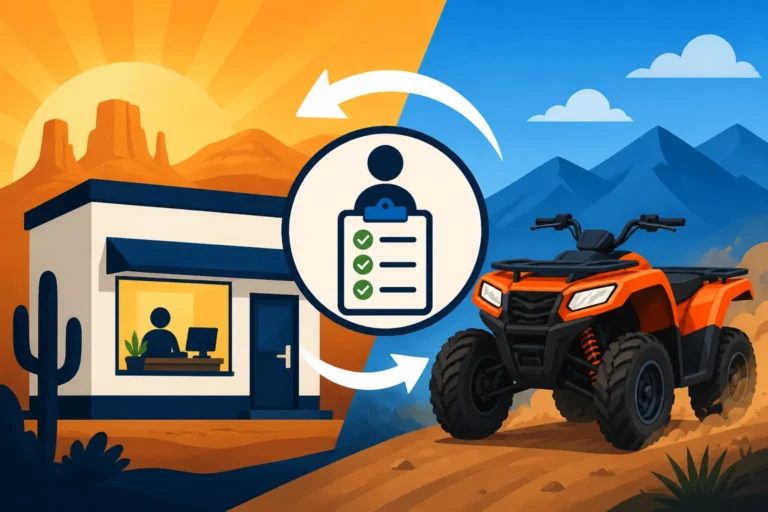
Navigating the process for the first time can feel a bit like trying to find an unmarked trail in the desert – a little daunting, but totally manageable once you know the route. The good news is, for non-residents, the entire decal application process is handled online, which makes it convenient to take care of before you even arrive in the state.
Setting Up Your Arizona Game and Fish Portal Account
Your first port of call for securing a non-resident OHV decal is the Arizona Game and Fish Department's online portal. This portal is essentially your digital gateway to all things related to hunting, fishing, and OHV activities in Arizona. It's where you'll create a user profile, complete the mandatory safety course, and eventually apply for your decal.
To get started, you'll need to visit the AZGFD website and look for the "Portal Account" section. You'll be prompted to create a new account if you don't already have one. This typically involves providing your basic personal information, such as your full name, mailing address (your home state address is perfectly fine), email, and creating a secure password. It's a pretty straightforward process, much like setting up any online account. Make sure to use an email you check regularly, as this will be the primary method of communication for updates or confirmations related to your decal. Having a [Creating an Arizona Game and Fish Portal Account] is fundamental to the entire process.
Completing the Mandatory OHV Safety Education Course
Here's an important step that many experienced riders might initially question, but it's a requirement for almost everyone: the Arizona OHV Safety Education Course. This course is mandatory for all OHV operators who plan to get an Arizona OHV Decal, regardless of age or prior riding experience. Yes, even if you’ve been riding for decades, you'll need to complete this course. The good news is it's absolutely free, entirely online, and designed to be user-friendly.
The course covers a range of vital topics, including safe riding practices, environmental stewardship, Arizona's specific laws and regulations, and general trail etiquette. It's an excellent refresher even for seasoned riders, highlighting the unique challenges and responsibilities of riding in the Arizona desert. You'll learn about things like [Arizona's Spark Arrestor Requirement], how to minimize your impact on fragile desert ecosystems, and what to do in case of an emergency. The course is structured into modules, often with quizzes to ensure comprehension. You can take it at your own pace, stopping and resuming as needed. Once you successfully complete the course, you'll receive a certificate of completion, which is necessary before you can apply for your decal. This course helps ensure that everyone enjoying our trails is equipped with the knowledge to do so safely and responsibly. More details can be found by searching for [Arizona's Free Mandatory OHV Decal Course].
Applying for the Non-Resident OHV Decal Online
With your AZGFD portal account set up and your safety course certificate in hand, you're ready to apply for the actual non-resident OHV decal. This is done directly through your portal account. You'll navigate to the OHV decal section and begin the application.
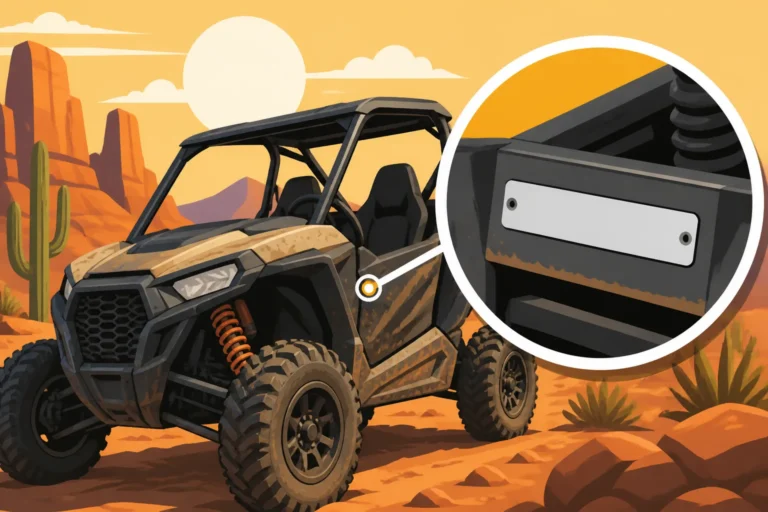
You'll need to provide specific details about your off-highway vehicle, including its Vehicle Identification Number (VIN), make, model, and year. It's a good idea to have your out-of-state title or registration handy so you can accurately input this information. The system will then guide you through the payment process. While I can't give specific figures here, rest assured that the fee for the non-resident decal is clearly displayed within the portal. It's a one-time charge per machine for its validity period.
Once your application is complete and payment is processed, AZGFD will mail your physical decal to the mailing address you provided (your home state address). It's important to allow sufficient time for shipping, especially if you're applying close to your departure date for Arizona. While you wait for the physical decal to arrive, the online system usually provides a temporary proof of purchase or confirmation that you can print and carry with you. However, it's always best to have the actual decal affixed to your machine as soon as it arrives. Many riders choose to apply for this decal a few weeks before heading to Arizona to ensure they have it ready upon arrival. If you're wondering about the resident process, you might be interested in [Renewing an Arizona Decal Online].
Here's a quick comparison of the two main types of decals:
| Feature | Arizona Resident OHV Decal | Arizona Non-Resident OHV Decal |
|---|---|---|
| Issuer | Arizona Motor Vehicle Division (MVD) | Arizona Game and Fish Department (AZGFD) |
| Eligibility | Arizona residents with titled/registered OHVs | Non-residents visiting Arizona with OHVs |
| Purpose | Funds OHV trails, law enforcement, education | Funds OHV trails, law enforcement, education |
| Application Method | MVD or Third-Party offices | AZGFD Online Portal |
| Mandatory Course | Yes | Yes |
| Validity Period | Annually, tied to vehicle registration | One year from date of purchase |
| Proof of Ownership | Required for MVD registration | Your home state's title/registration suffices |
What Else Winter Residents Should Know Before Hitting Arizona Trails
Getting your non-resident OHV decal is a massive step, but there are a few other important considerations for winter residents to ensure a smooth, legal, and enjoyable riding experience in Arizona. Understanding these additional layers of requirements will help you avoid any unexpected surprises and make the most of your time in our incredible desert environment.
Arizona State Trust Land Permits: An Often Overlooked Requirement
Here’s a point that often catches new visitors by surprise: the Arizona OHV Decal, whether resident or non-resident, does not grant you automatic recreational access to Arizona State Trust Land. Arizona has vast amounts of State Trust Land, managed by the Arizona State Land Department (ASLD) to generate revenue for specific beneficiaries, primarily public schools. While much of it looks like open desert, it's not public land in the same way that BLM or Forest Service lands are.
If you plan to recreate on any State Trust Land – this includes riding your OHV, hiking, camping, or even just driving a passenger vehicle on existing roads – you must purchase a separate State Trust Land Recreational Permit. This permit is relatively inexpensive and can be purchased online through the ASLD website. There are options for individual or family permits, typically valid for one year. It's essential to check maps and signage to identify State Trust Land boundaries, as riding on it without a permit is considered trespassing and can result in fines. Many popular OHV areas or routes may cross parcels of State Trust Land, so it's always better to be prepared. For more information, look up [Arizona State Trust Land Recreational Permits]. Even if you just own a piece of land and want to ride nearby, it's important to understand [Arizona Permit Rules on Leased Ground].
Proof of Ownership and Other Important Documents
When you're out exploring Arizona's vast network of trails, it's always a good practice to carry certain documents with you, or at least have them readily accessible within your tow vehicle or at your winter home. First and foremost, you should carry proof of ownership for your OHV. This could be your out-of-state title, registration, or a bill of sale. If you're ever stopped by a ranger, deputy, or other law enforcement, they may ask for this to verify that the machine belongs to you. In the unfortunate event of an accident or theft, having these documents readily available will streamline reporting and insurance claims. Law enforcement often needs to verify details like the VIN, and having the paperwork makes this process quick and easy.
Speaking of insurance, while Arizona doesn't mandate liability insurance for OHVs operating off-highway, it's highly recommended. Your homeowner's insurance policy typically won't cover your OHV once it leaves your property. Dedicated OHV insurance can protect you financially in case of an accident, theft, or damage. If you plan to make your OHV street-legal in Arizona (a whole other process, but possible for some machines), then liability insurance becomes a requirement for road use. Consider researching [Does a Homeowners Policy Reach Your Quad?] to understand your options. It's also wise to keep a copy of your OHV Safety Education Course completion certificate with your documents. In essence, it's always best to be ready for [What an Arizona Ranger Asks a Rider For].
Understanding Arizona's Riding Rules and Regulations
Arizona boasts thousands of miles of OHV trails, but riding them comes with a responsibility to understand and follow the state's rules and regulations. Beyond just having your decal and permits, there are general operational guidelines that all riders, including winter residents, must adhere to.
These rules cover everything from environmental protection to rider safety. For example, all OHVs operating on public land must be equipped with a USDA-approved spark arrestor, a critical component for preventing wildfires in our dry desert environment. [Arizona's Spark Arrestor Requirement] is not something to ignore. Noise limits are also in place, particularly near residential areas. Operators under the age of 18 are typically required to wear a DOT-approved helmet, and eye protection is generally recommended for all riders.
Open container laws apply to OHV operation, just as they do to cars, meaning no alcoholic beverages can be consumed by the operator or passengers while riding. Riding under the influence of alcohol or drugs is strictly prohibited and carries severe penalties. Speed limits, while often not posted on remote trails, are generally "reasonable and prudent" based on conditions, and reckless operation is not tolerated.
It's also crucial to understand where you can and cannot ride. Always stay on designated trails and roads to protect fragile desert vegetation and wildlife habitat. "Cross-country" travel, or creating new trails, is illegal and environmentally damaging. Many OHV areas have maps available (often called Motor Vehicle Use Maps or MVUMs for federal lands) that clearly delineate legal riding areas. Take the time to obtain and [Reading an Arizona Motor Vehicle Use Map] for the areas you plan to explore. Ignoring these rules can lead to citations and fines, taking the fun out of your winter riding. Getting caught without the proper decal, for instance, can be quite costly; understanding [What Riding Arizona Undecaled Costs You] might motivate you to get your paperwork in order. For additional guidance, make sure you know [Do You Carry Papers on an Arizona Trail?] when you head out.
Remember, the goal is to enjoy Arizona’s beautiful backcountry responsibly. With a little preparation and attention to detail, your winter home in Arizona can be the perfect base for endless OHV adventures. You might even use services like LawDepot to help formalize any private transactions you make while here, such as a bill of sale if you decide to buy another quad locally or sell your current one before heading back home. While LawDepot isn't for registration, it's a helpful tool for ensuring legal documents are handled correctly.
Disclaimer
This article is for general informational purposes only and does not constitute professional advice. Laws, prices and regulations vary by location and change over time. Consult a qualified professional for guidance on your specific situation.