Goggles or a Windshield on the Street
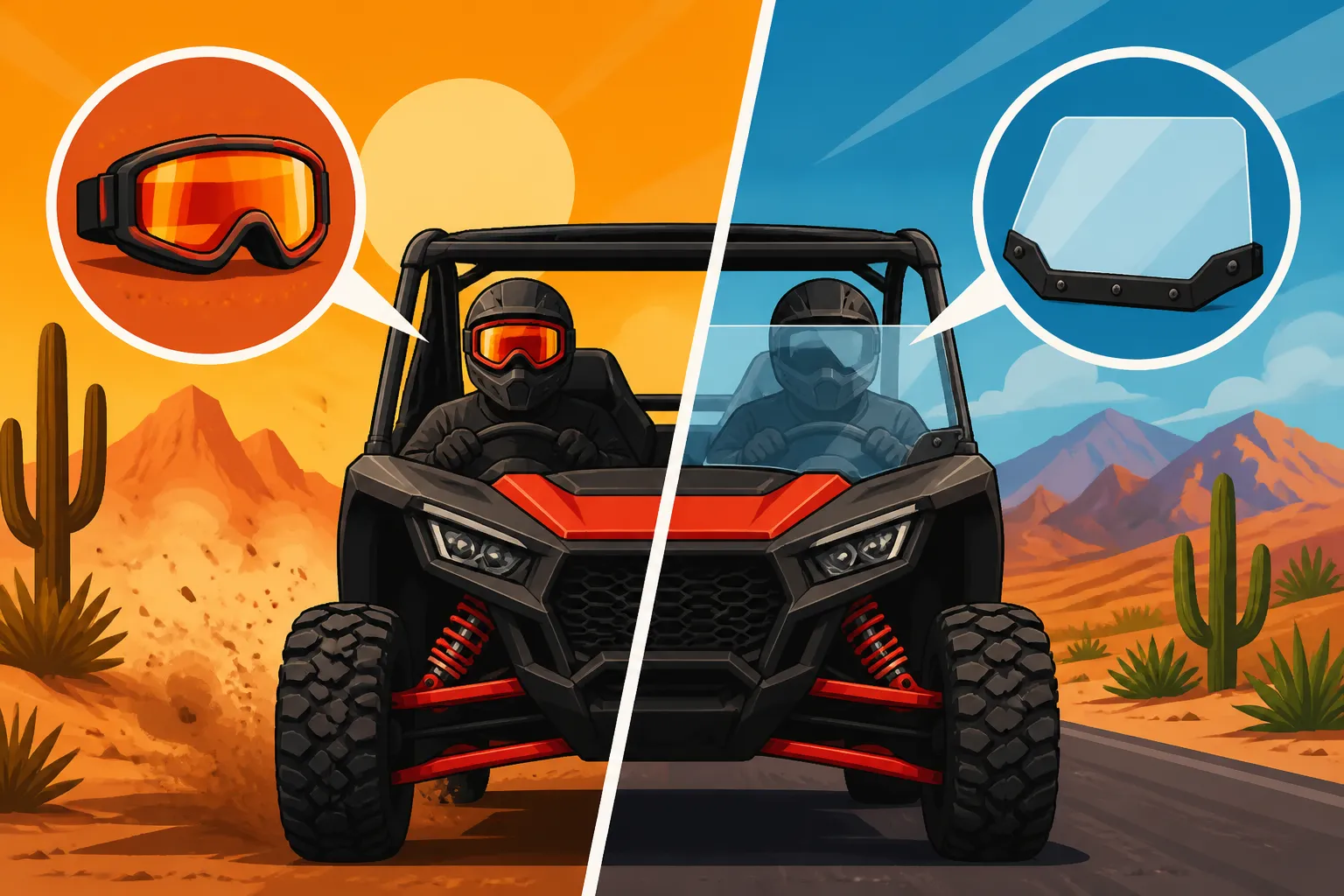
It's a common dilemma for anyone thinking about making their ATV or UTV street legal in Arizona, or even just riding a designated street section to connect trails: what kind of eye protection do you really need? The choice between wearing goggles or installing a windshield on your machine isn't just about personal preference; it involves legal requirements, comfort, visibility, and how you plan to use your off-highway vehicle (OHV) on Arizona's diverse roads. This guide will walk you through the ins and outs, helping you make an informed decision for safe and compliant riding.
Understanding Arizona's Eye Protection Laws for Street-Legal OHVs
Before you even think about comfort or style, it's absolutely crucial to understand what Arizona law requires when you're taking your OHV onto paved roads. The Grand Canyon State has specific rules in place to ensure rider safety, especially when sharing the road with traditional vehicles. You're not just out in the open desert anymore; you're navigating traffic, dealing with other drivers' kicked-up debris, and potentially facing much higher speeds.
The Legal Mandate for Eye Protection
Arizona Revised Statutes are pretty clear: when you're operating an OHV on a public highway, road, or street, you and any passengers need to have eye protection. The law doesn't necessarily dictate what kind of eye protection, but it does require that your eyes are protected. This means that simply wearing your everyday sunglasses isn't usually considered sufficient, especially if they don't offer adequate side protection. The idea is to prevent dust, debris, insects, and other hazards from entering your eyes while you're moving. This applies whether you're riding through a small town connecting to a trailhead or just crossing a paved road to get to another section of dirt. For a deeper dive into making your machine road-ready, check out [What Arizona Requires on a Street-Legal Machine].
When considering your options, always prioritize safety and legal compliance. A well-fitting pair of goggles or a properly installed windshield both fall within the spirit of the law, but they offer very different riding experiences. Many riders don't realize that even if they have a full windshield, if it's heavily scratched or cracked, it might not offer the clear vision an officer expects for "eye protection."
Helmet Rules and Eye Protection for Younger Riders
While this article focuses on goggles versus windshields, it's worth noting that Arizona also has helmet laws that can influence your eye protection choice, especially for younger riders. If you or a passenger are under 18 years old, you are required to wear a U.S. Department of Transportation (DOT) compliant helmet when riding an OHV. Many helmets come with integrated visors, which can serve as eye protection. However, if the helmet doesn't have a visor or if the visor is lifted, separate eye protection like goggles would still be necessary.
This becomes particularly relevant for families enjoying the trails and roads together. Imagine a father and his 16-year-old son out on a side-by-side. The son, being under 18, needs a helmet. If that helmet doesn't have a full visor, or if he prefers the open feel, he'll still need goggles. For more information on age-specific rules, you might find [Arizona Helmet Rules for Riders Under 18] and [Arizona Rules for a Child Passenger] helpful. The overarching goal is to ensure that everyone riding on public roads has their eyes protected from the elements and potential hazards.
The Case for Goggles: Unfiltered Experience and Protection
For many seasoned off-roaders, goggles are the quintessential piece of gear. They offer a direct, immersive experience of the trail and, for street-legal riding, provide the necessary eye protection without altering the open-air feel of an ATV or UTV.
Advantages of Riding with Goggles
There's a certain freedom that comes with goggles. They're lightweight, offer excellent peripheral vision, and can be easily adjusted to fit securely over your eyes, even with a helmet. When you're transitioning from a dusty trail directly onto a paved road, goggles typically provide superior protection from fine dust particles that can easily slip past the edges of many windshields. This is especially true on windy days or when you're following another vehicle on a gravelly shoulder before hitting the pavement.
One of the biggest advantages is clarity. A good pair of goggles, kept clean, provides an unobstructed view of the road ahead. Unlike a windshield that can get splattered with mud, water, or bug guts, goggles can often be quickly wiped clean or swapped out for a fresh pair if they get too obscured. Plus, if you're riding in changing light conditions, you can easily carry different lens tints (clear, smoke, amber) and switch them out as needed, which is much more practical than swapping a full windshield. For those who love the raw feel of the desert, feeling the wind on your face (safely, of course, with proper eye protection) is part of the experience.
Disadvantages and Considerations for Goggles on the Street
While goggles offer many benefits, they also come with their own set of drawbacks, particularly when used for extended periods on the street. The most immediate concern for many is comfort. The strap can sometimes dig in, and wearing them for hours can become tiring. Furthermore, while they offer excellent dust protection, they don't do much for wind noise, which can be significant at higher speeds on a road. This continuous wind buffeting can lead to fatigue over longer distances.
Another factor is weather protection. Goggles will keep debris out of your eyes, but they won't shield your face from rain, cold wind, or intense sun exposure. Imagine getting caught in an unexpected Arizona monsoon downpour while riding a paved road; with just goggles, your face will be fully exposed to the elements. For riders who wear prescription glasses, finding goggles that fit comfortably and effectively over their eyewear can also be a challenge, sometimes leading to fogging issues or an uncomfortable squeeze. Lastly, if you frequently ride behind other vehicles on dusty roads or even paved ones where trucks kick up grime, your goggles can quickly become coated, necessitating frequent stops to clean them.
The Windshield Advantage: Comfort, Clarity, and Customization
Many OHV owners, particularly those with side-by-sides, opt for a windshield to enhance comfort and provide a more car-like experience, especially when navigating longer stretches of public roads. A good windshield can transform your ride.
Benefits of Installing a Windshield
The primary benefit of a windshield is environmental protection. It shields you and your passengers from wind, rain, cold, and flying debris. This dramatically increases comfort on longer road sections, reducing rider fatigue caused by constant windblast and noise. On a chilly Arizona morning ride up into the high country, a full windshield can make a huge difference in staying warm. Similarly, during the intense summer heat, a windshield can help deflect some of the direct sun exposure.
Visibility is also a key factor. While goggles offer immediate eye protection, a clean windshield provides a wide, expansive view, akin to driving a car. Modern windshields are often made from durable, impact-resistant polycarbonate or acrylic, capable of shrugging off rocks and gravel that would shatter an ordinary car window. Brands like SuperATV offer a fantastic range of aftermarket windshields designed specifically for OHVs, from full, solid panels to versatile flip-up or half-windshield options. These can significantly enhance your riding experience, providing protection without sacrificing the adventurous spirit of your machine. When you're linking trails or just cruising to a local diner, a windshield provides a sense of enclosure and protection that goggles simply can't match.
Types of Windshields and Their Nuances
Not all windshields are created equal, and the type you choose will significantly impact your riding experience.
- Full Windshields: These offer maximum protection from wind, dust, and rain. They are ideal for cooler weather, dusty conditions, or riders who prioritize comfort. However, they can sometimes limit airflow, leading to a hotter cabin in summer, and can get dirty or scratched, impairing vision. Some full windshields feature vents or louvers to allow for adjustable airflow.
- Half Windshields: These provide protection for your lower body and chest area but leave an open section at the top, allowing for more airflow. They're a popular compromise for riders who want some protection but still desire the open-air feel. They don't offer full eye protection on their own, meaning goggles would still be necessary for riders sitting behind them, or even for the driver if the upper edge is too low.
- Flip-Up or Fold-Down Windshields: These offer the best of both worlds. You can enjoy the full protection of a complete windshield when needed, then flip it up or fold it down for maximum airflow and an open-air experience when conditions allow, or when you need better visibility off-road. These are incredibly versatile, but typically come at a higher price point and involve more moving parts that could potentially wear out or rattle over time. Brands such as SuperATV excel in offering these versatile options for various UTV models.
- Tinted Windshields: Some windshields come with a tint, which can reduce glare. While helpful on sunny days, ensure the tint doesn't impair visibility in low light or at night.
Regardless of the type, windshields require regular cleaning to maintain optimal visibility. Dust, bugs, and mud can quickly obscure your view, especially on Arizona's desert roads. Carrying a dedicated cleaning kit with a soft cloth and a plastic-safe cleaner is a good practice. Scratches are also a concern, as they can permanently impair vision; always use soft materials for cleaning and avoid harsh chemicals or abrasive wipes.
Disadvantages and Maintenance of Windshields
While beneficial, windshields do have downsides. They can get incredibly dirty very quickly, especially on dusty Arizona trails or when splashing through washes. A dirty windshield can be more dangerous than no windshield at all, as it severely impairs visibility. Cleaning them can be a chore, and improper cleaning can lead to scratches, which become permanent visual obstructions. Over time, UV exposure from the intense Arizona sun can cause some plastics to haze or yellow, further reducing clarity.
Another consideration is airflow. A full windshield, while protective, can significantly reduce the airflow into the cabin, making hot Arizona summer rides even hotter. This is where options like vented or flip-up windshields, as offered by companies like SuperATV, become really valuable. Finally, a windshield adds weight and can slightly impact the aerodynamics of your machine, though for most recreational riders, this effect is negligible. For serious mudding or extreme rock crawling, a windshield might also limit your ability to lean out and spot obstacles. For rides that combine street sections with deep desert adventures, consider how [Dust Behind You on a Desert Road] might affect your windshield's clarity.
Making Your Choice: Factors to Consider for Arizona Road Riding
Deciding between goggles and a windshield (or a combination of both) depends on several factors specific to your riding style, your machine, and the conditions you expect to encounter in Arizona.
Your Primary Riding Environment
Think about where you'll be spending most of your time.
- Mostly Paved Roads and Short Trail Connections: If your street-legal OHV is primarily used for cruising paved roads, linking short trail sections, or commuting around a rural area, a windshield offers superior comfort, weather protection, and a more relaxed ride. You might still want to carry goggles for passengers or for yourself if you ever fold down or remove your windshield for serious off-roading. For connecting towns and trails, you'll want to be familiar with [Riding Town to Trailhead in Arizona].
- Heavy Off-Roading with Occasional Road Use: If your machine's natural habitat is the rugged Arizona backcountry, and you only hit the pavement out of necessity (like crossing a highway or riding a short county road to the next trail), then goggles might be your preferred primary eye protection. They handle the extreme dust and rough conditions better, and you won't have to worry about scratching an expensive windshield on a thorny bush.
Climate and Weather Conditions
Arizona's climate is a huge factor.
- Summer Heat: During the scorching summer months, a full windshield can turn your UTV's cabin into an oven. Vented or half-windshields, or the ability to flip a windshield open, become incredibly important for airflow. Goggles offer maximum ventilation for your face, which can be a relief in 110-degree heat. Think about [Summer Heat and Arizona Road Riding] and how it impacts your comfort.
- Dust and Wind: Arizona is known for its dust. On windy days, or following other vehicles, dust can be relentless. Goggles provide a tight seal around your eyes, offering excellent protection. Windshields protect your entire face, but if the dust is fine enough, it can still swirl into the cab.
- Monsoon Season: An unexpected summer storm can turn a pleasant ride into a soggy one. A full windshield is invaluable for keeping rain off your face and improving visibility. Goggles will keep rain out of your eyes, but your face will still get wet.
Personal Comfort and Preferences
Ultimately, your personal comfort and riding style play a significant role.
- Open-Air Feel vs. Enclosed Comfort: Do you love the wind in your face and the raw, unfiltered experience of riding? Goggles are probably for you. Do you prefer a more protected, car-like environment where you can have conversations more easily and avoid the elements? A windshield will be your friend.
- Wearing Glasses: If you wear prescription glasses, finding comfortable goggles that fit over them without fogging can be a challenge. In this case, a windshield might offer a more comfortable solution, allowing you to wear your regular glasses.
- Noise and Fatigue: Extended road riding with goggles can lead to significant wind noise, which contributes to fatigue. A windshield can dramatically reduce wind noise, making for a quieter and more relaxed journey.
Cost and Maintenance
Consider your budget and willingness to maintain your gear.
- Goggles: Generally less expensive to purchase than a quality windshield. They are also relatively easy to clean and replace if scratched or damaged. You might need multiple pairs or different lens tints.
- Windshields: Can be a significant upfront investment, especially for high-quality, versatile options like flip-up designs. They require careful cleaning to prevent scratches and may need occasional replacement due to wear, hazing, or major impacts. However, the long-term comfort and protection they offer often justify the cost for frequent road riders.
Here's a quick comparison to help you weigh your options:
| Feature | Goggles (Primary Eye Protection) | Windshield (Primary Protection) |
|---|---|---|
| Legal Status | Compliant with Arizona eye protection laws | Compliant, assuming clear and well-maintained |
| Comfort | Lightweight, can cause pressure points over time | High comfort, reduces windblast and noise |
| Visibility | Excellent peripheral, immediate eye-level clarity | Wide, expansive view, can get dirty/scratched |
| Dust Protection | Excellent, forms a tight seal around eyes | Good for face, but fine dust can enter cab from sides/top |
| Weather Protection | Eyes protected, face exposed to rain/cold | Full face and cab protection from rain, wind, cold |
| Airflow | Maximum facial airflow, can be noisy | Varies by type (full, half, vented), can reduce airflow |
| Cleaning | Easy to wipe/replace lenses | Requires careful cleaning to avoid scratches, more involved |
| Cost | Generally lower initial cost | Higher initial cost, especially for versatile options |
| Versatility | Easy to swap for different conditions/tints | Options like flip-up offer versatility |
| Best For | Hardcore off-roading, short road links, hot weather | Frequent road use, comfort, all-weather protection |
Many Arizona riders find that a combination approach works best: a quality full or flip-up windshield for general road use and comfort, with a good pair of goggles kept handy for those especially dusty trail sections or when the windshield is removed for extreme off-roading. This way, you're always prepared for whatever Arizona's incredible landscape throws your way.
Disclaimer
This article is for general informational purposes only and does not constitute professional advice. Laws, prices and regulations vary by location and change over time. Consult a qualified professional for guidance on your specific situation.