Arizona Rules on Canal Banks
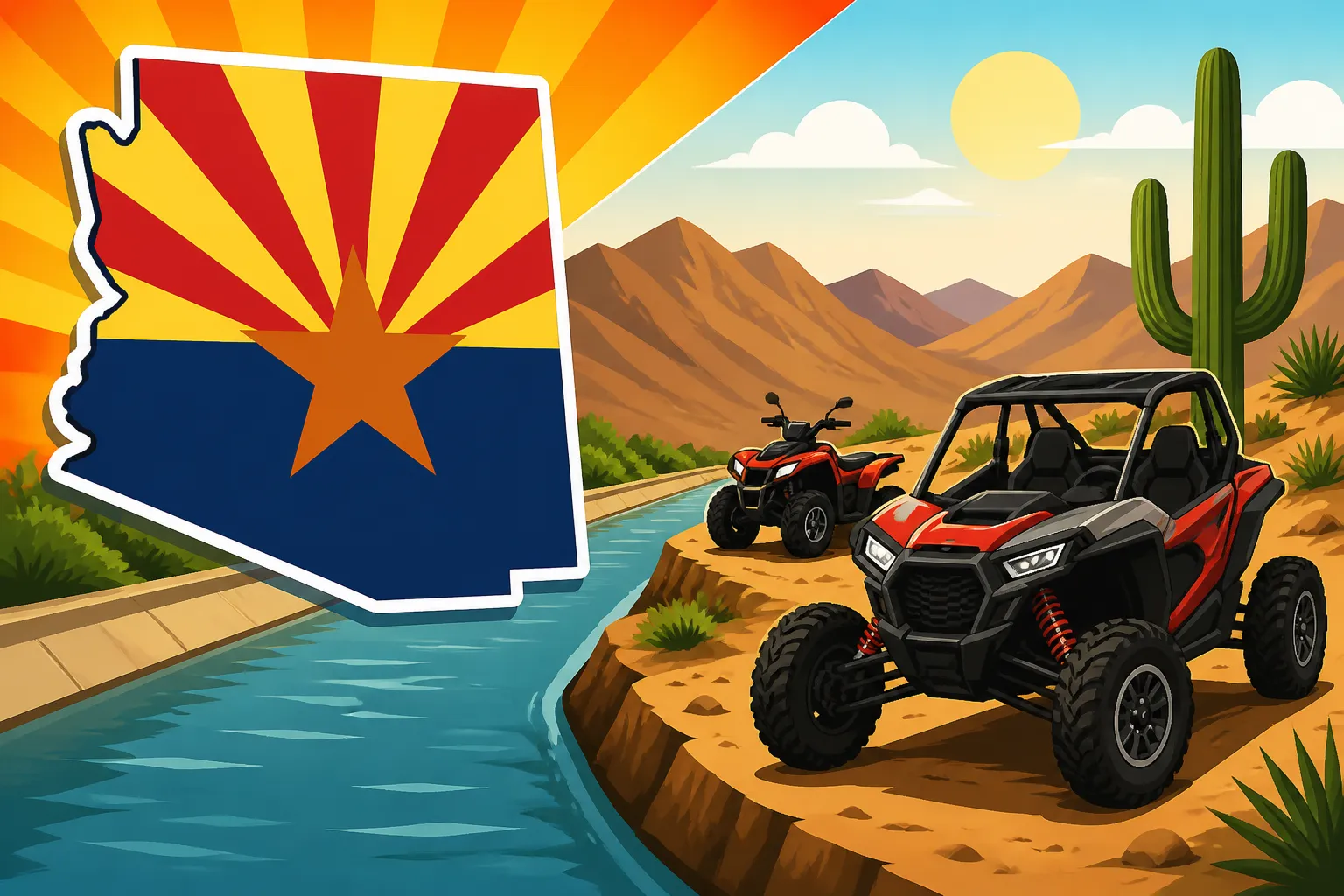
It’s a tempting thought, isn't it? You’re out riding your ATV or UTV in the Arizona desert, maybe cutting through a familiar area, and you spot those long, relatively smooth dirt roads running alongside the canals. They look like a convenient shortcut, an easy path to get from point A to point B, or even just a fun, unrestricted stretch of open riding. However, this seemingly simple solution to navigating the desert can lead to significant legal trouble and serious dangers. This guide is going to walk you through exactly why riding on Arizona canal banks is almost always a bad idea, what the law says, and where you can legally and safely enjoy your machine.
The Allure and the Reality: Why Canal Banks are So Tempting and Dangerous
Let's be honest, the appeal of canal banks is undeniable. They often provide a flat, easy-to-access route, avoiding the washboard roads, deep sand, or rocky climbs that define much of Arizona's off-highway terrain. For many riders, especially those trying to get from a staging area to a trailhead, or simply exploring, these paths seem like a quick, no-fuss option. You might see tracks there already, making you think it’s a common, accepted practice. It’s easy to assume that if it’s dirt, and it's out in the middle of nowhere, it must be public access.
But here’s the stark reality: what looks like an inviting shortcut is often a hazardous, forbidden zone. These banks are not built for recreational riding. They are critical infrastructure for delivering water, and they come with a host of hidden dangers. Imagine encountering a steep, unexpected drop-off that suddenly plunges into the water, or hidden culverts and unstable banks that can collapse under the weight of your side-by-side. The dirt surfaces, while appearing smooth, can be deceptive, turning into slick, impassable mud after even a light rain, or hiding sharp rocks and debris left by maintenance crews.
Beyond the physical risks, there's the very real danger of running into heavy equipment. Water management districts constantly patrol and perform maintenance on these canals. Picture turning a blind corner and suddenly facing a massive backhoe or dump truck. These operators are focused on their work, not on recreational riders. The potential for a serious collision, far from paved roads and emergency services, is a grim reality. So, while the thought of an easy cruise along a canal bank might be appealing, the combination of unforeseen environmental hazards and potential encounters with industrial machinery makes it a gamble you really don't want to take.
The Legal Landscape: What Arizona Law Says About Canal Access
The single most crucial thing to understand about canal banks in Arizona is that, with very few exceptions, they are private property. They belong to irrigation districts, water companies, or other utility providers, not the general public. This means that riding your ATV or UTV on these banks constitutes trespass, a violation that can carry significant penalties. It doesn't matter if there are no "No Trespassing" signs every hundred feet; the land is generally considered private.
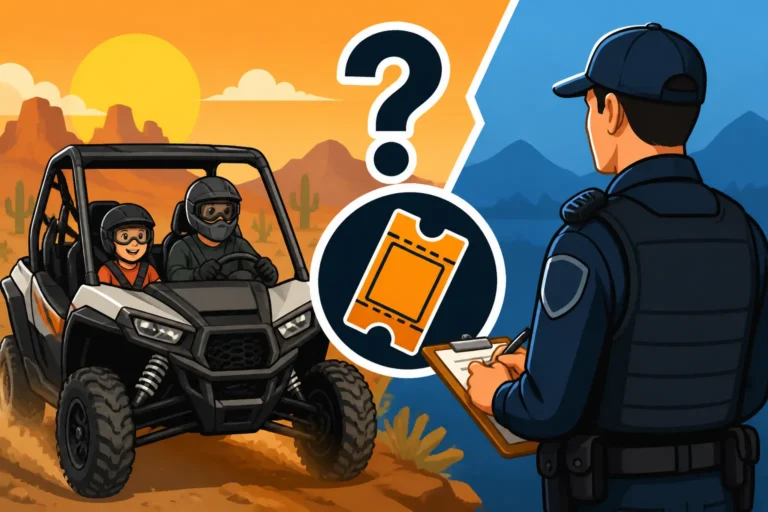
Arizona's trespass laws are pretty clear. If you are on private land without permission, you can be cited. For OHV riders, this can mean a fine, and in some cases, your machine could even be impounded. An Arizona Ranger or local law enforcement officer doesn't need to catch you in the act of tearing up the bank. Simply being present on the property is enough. The intent of the law is to protect this vital infrastructure and ensure the safety of those who work on it, as well as the public. It's a critical point many riders overlook, often learning the hard way after a citation. You might find yourself having to explain why you were riding where you shouldn't have been, and that excuse of "I didn't know" rarely holds water, pun intended. This is why knowing [Arizona Trespass Rules Along Desert Roads] is so important.
The entities that own and operate these canals need unobstructed access for maintenance, repairs, and inspections. Imagine a break in the canal wall, threatening to flood nearby property or disrupt water supply. Their crews need to get there fast, without having to navigate around recreational vehicles or deal with damage caused by unauthorized use. Your presence, even if you’re just cruising along, interferes with their operations and creates liability risks for them. They have a right to protect their property and operations.
Who Owns the Canals? Understanding Water Infrastructure and Trespass
When we talk about who owns Arizona's canals, we're really talking about a few major players and numerous smaller irrigation districts. The two biggest names you'll likely encounter are the Central Arizona Project (CAP) and the Salt River Project (SRP).
The Central Arizona Project (CAP) manages a 336-mile system of canals, tunnels, pumping plants, and pipelines that bring Colorado River water to Arizona's major population centers and agricultural areas. Their infrastructure is absolutely massive, and their canal banks are vital to maintaining this intricate system. Their rules are strict: no unauthorized access, period.
The Salt River Project (SRP) operates an even older, vast network of canals throughout the Phoenix metropolitan area and beyond, delivering water and power. These canals often run right through developed and undeveloped areas, making them incredibly tempting to riders looking for a quick path. Again, these are private, actively managed corridors.
Beyond CAP and SRP, there are numerous smaller, local irrigation districts and water delivery companies across the state. Each of these entities has its own property rights and rules regarding their canals. For all of them, the primary concern is the integrity of their infrastructure and the safety of their personnel and the public. These aren't just ditches; they are complex, engineered waterways that are crucial to Arizona's existence.
Consider the consequences if a canal bank is damaged by unauthorized riding. It could lead to erosion, compromise the structural integrity of the canal, and potentially result in costly repairs or even a catastrophic breach. This is why these owners take trespass so seriously. They aren't trying to be killjoys; they're safeguarding essential resources. So, while you might think you're just enjoying a ride, you're actually on property that is critical to a huge population and carries immense responsibility. Equipping your machine with durable parts from a company like SuperATV is fantastic for tackling challenging, legal trails, but no amount of aftermarket toughness will protect you from a trespass citation on a canal bank.
Safe Alternatives and Responsible Riding Practices
So, if canal banks are largely off-limits, where can you actually ride your ATV or UTV in Arizona? The good news is that Arizona boasts an incredible wealth of legal and designated off-highway vehicle areas and trails. We're talking about [Arizona's 40,000 Miles of OHV Trail], which provides a lifetime of exploration without the risk of fines or dangerous encounters.
The key to responsible riding in Arizona is proper planning and knowing where you're allowed to go. This typically involves using maps from the U.S. Forest Service (USFS) and the Bureau of Land Management (BLM), which clearly mark designated motorized routes. These maps, often called Motor Vehicle Use Maps (MVUMs), are your best friend. They show you exactly which trails and roads are open to OHVs, which have seasonal closures, and which are off-limits. Many of these maps are available online or at local ranger stations. Additionally, mapping apps like onX Offroad are invaluable for navigating these designated trails.
Instead of risking a citation and your safety on a canal bank, focus your efforts on discovering these fantastic, legal riding opportunities.
For example:
- Forest Service Roads: Many national forests in Arizona, like the Prescott National Forest or Tonto National Forest, have extensive networks of forest roads and trails open to OHVs. Just remember to check for specific restrictions, especially during fire season. You can learn more about [Arizona Rules on Forest Service Roads].
- BLM Land: Much of Arizona's desert is managed by the Bureau of Land Management, offering vast expanses for riding. Again, stick to designated routes and avoid creating new trails. [Arizona Rules on BLM Roads] are a great resource.
- State Trust Land: While a significant portion of Arizona is State Trust Land, it requires a permit for recreational use, even if you're just driving through. This is an important distinction from federal lands. Remember to purchase your [Arizona State Trust Land Recreational Permits] before venturing out.
When you're planning your ride, make sure your machine is properly registered and decaled. An [Arizona's Annual OHV Decal Explained] is mandatory for almost all off-highway vehicles operating on public land. And always remember to carry proof of ownership and insurance, as an Arizona Ranger might ask for [What an Arizona Ranger Asks a Rider For] during a routine check.
Choosing to ride on designated trails means you're supporting the OHV community and helping to preserve access for future generations. It’s also generally safer, as these trails are often maintained, and you're less likely to encounter unexpected hazards or industrial equipment. Plus, the views from a mountain trail or a desert wash are far more rewarding than the sight of a concrete canal. Investing in quality accessories from a brand like SuperATV, such as durable A-arms or heavy-duty winches, is perfect for outfitting your machine for legitimate trail adventures, ensuring you're ready for whatever challenges the legal trails throw your way, rather than navigating the legal quagmire of a canal bank.
Ultimately, the choice to ride safely and legally protects not only you but also the invaluable water infrastructure that sustains Arizona. Enjoy the desert, explore its beauty, but do it in the right places.
| Access Type | Typical Ownership | Legal Status for OHVs | Common Dangers | Consequences of Trespass |
|---|---|---|---|---|
| Canal Banks | Irrigation Districts, Water Utilities | Private Property | Heavy equipment, steep drops, unstable banks, deep water, mud, hidden culverts | Fines, machine impoundment, liability for damages |
| Designated OHV Trails | USFS, BLM, State Parks | Public Access | Natural terrain hazards (rocks, sand, climbs), other riders | None, if rules followed |
| State Trust Land | Arizona State Land Department | Permit Required | Similar to public land, but with permit necessity | Fines for no permit, trespass |
Disclaimer
This article is for general informational purposes only and does not constitute professional advice. Laws, prices and regulations vary by location and change over time. Consult a qualified professional for guidance on your specific situation.