Arizona OHV Injury Claims
Experiencing an off-highway vehicle (OHV) accident in Arizona can be a terrifying and disorienting event, leaving you not only with physical injuries but also a mountain of questions about what comes next. The desert trails and backcountry roads we love in Arizona, while beautiful, also present unique hazards, and navigating the aftermath of an injury can feel like riding through a flash flood in a wash – sudden, overwhelming, and potentially dangerous if you don't know the right path. This guide is here to help you understand the complex landscape of Arizona OHV injury claims, giving you a clear roadmap of your rights, the steps to take, and what to expect when seeking compensation for your losses.
Understanding Arizona's OHV Accident Landscape
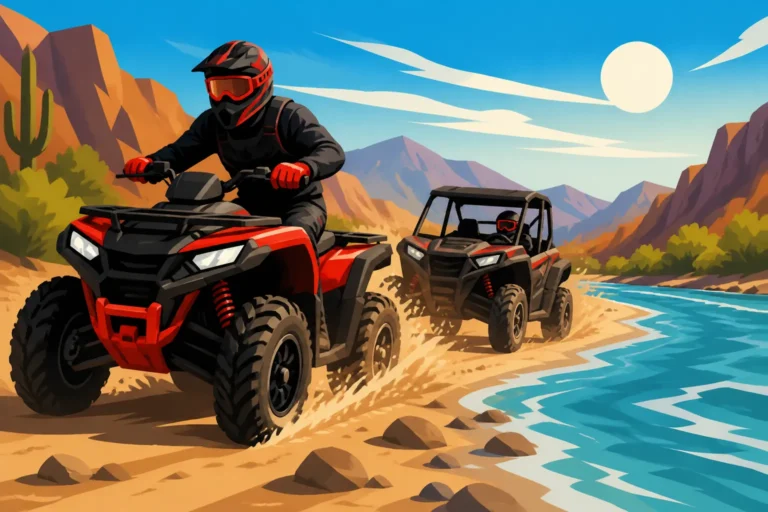
Arizona is a paradise for OHV enthusiasts, with thousands of miles of trails winding through breathtaking landscapes from the red rocks of Sedona to the vast Sonoran Desert. But with all that adventure comes inherent risk. When an accident happens, understanding the common scenarios and what to do in the immediate aftermath is crucial for any potential injury claim.
Common Causes of OHV Injuries in Arizona
It's easy to assume that all OHV accidents are simply "rider error," but the reality is far more nuanced. Many factors contribute to these incidents on our desert and mountain trails. Sometimes, it's a lapse in judgment, like taking a turn too fast or attempting a climb beyond your machine's or your own capability. A sudden mechanical failure can also be a culprit; perhaps a steering component gives out, or a tire blows due to a hidden desert thorn. If you've invested in quality aftermarket parts, say from a reputable brand like SuperATV, you'd expect them to hold up, but even the best components can fail under extreme conditions or from improper installation.
Then there are the environmental factors unique to Arizona. We have incredibly diverse terrain – from rocky washes and sandy dunes to tight, tree-lined forest trails. A hidden dip, a large rock, or an unexpected erosion gully can catch a rider off guard. Collisions with other vehicles, whether another OHV on a blind corner or a full-size pickup on a shared county road, are unfortunately common. Wildlife, too, plays a role; a deer darting across the trail or even smaller desert creatures can cause a rider to swerve and lose control. And let's not forget the sheer heat during summer months, which can lead to fatigue, dehydration, and impaired judgment, making riders more prone to errors. Each of these scenarios, from a solo rollover to a multi-vehicle pile-up, has its own set of complexities when it comes to determining fault and pursuing a claim.
The Immediate Aftermath: Steps to Take at the Scene
When an OHV accident occurs, especially one involving injuries, the moments immediately following are critical. First and foremost, ensure everyone's safety. If possible, move to a safe location away from further hazards or oncoming traffic. Render first aid if you are trained and it is safe to do so. Your priority should always be the well-being of yourself and your passengers.
Once immediate safety is addressed, it’s imperative to contact emergency services and law enforcement if there are any injuries, significant property damage, or if the accident occurred on public roads or trails. Even on trails, deputies and rangers often patrol, and having an official accident report filed is invaluable for any future injury claim. Remember, Arizona has specific requirements for [Arizona OHV Crash Reporting], and knowing these can save you headaches down the line.
While waiting for help, if you are able, start documenting everything. Take photos and videos from multiple angles – of the vehicles involved, the scene, any visible injuries, and environmental factors like road conditions, trail markers, or obstructions. Exchange information with all parties involved: names, contact details, insurance information, and vehicle registration. Also, look for witnesses. Their unbiased account can be crucial in establishing what happened. Get their names and phone numbers. Avoid admitting fault or making definitive statements about the accident's cause, even if you feel shaken or responsible in the moment. Stick to the facts.
Navigating the Arizona OHV Injury Claim Process
Once the initial shock subsides, the real work of dealing with an OHV injury claim begins. This process is rarely straightforward, involving careful investigation, understanding legal principles, and often, extensive communication with insurance companies.
Establishing Fault and Liability in Arizona
A significant hurdle in any injury claim is proving who was at fault and therefore liable for the damages. In Arizona, this often comes down to demonstrating negligence. Negligence means that someone failed to act with the reasonable care that a prudent person would have exercised in a similar situation, and this failure directly caused your injuries. For instance, if another rider was operating their UTV recklessly, perhaps attempting a dangerous maneuver or ignoring [Arizona Alcohol Limits for OHV Operators], and caused a collision, their negligence could be established.
However, OHV accidents can be tricky because multiple parties might share some degree of fault. Arizona operates under a "pure comparative negligence" system. This means that even if you were partially at fault for the accident, you can still recover damages, but your award will be reduced by your percentage of fault. For example, if you're found to be 20% responsible for the accident, your total damages award will be reduced by 20%. This is why thorough investigation, collecting witness statements, and reviewing any available evidence (like dashcam footage or GPS data) is so critical. The more evidence you have to clearly illustrate the other party's actions, or inactions, the stronger your case for holding them fully accountable.
Types of Damages You Can Claim After an OHV Injury
When pursuing an OHV injury claim in Arizona, you're generally looking to recover both economic and non-economic damages. These are designed to compensate you for the losses you've suffered due to the accident.
Economic Damages are tangible, quantifiable losses that have a clear monetary value. These typically include:
- Medical Expenses: This covers everything from ambulance rides and emergency room visits to surgeries, physical therapy, medications, and any ongoing medical care related to your injuries. Keep meticulous records of all bills and expenses.
- Lost Wages: If your injuries prevented you from working, you can claim compensation for lost income, including past and future earnings. This can also extend to a reduction in your earning capacity if the injuries result in long-term disability.
- Property Damage: This covers the cost to repair or replace your damaged OHV, gear, or any personal property destroyed in the accident. If you've just installed a new SuperATV lift kit or upgraded your tires, you'll want to document those investments.
Non-Economic Damages are more subjective and compensate you for the intangible impacts of your injuries. These can be harder to quantify but are equally important:
- Pain and Suffering: This encompasses the physical pain and discomfort you've endured, both immediately after the accident and ongoing.
- Emotional Distress: The psychological impact of an accident, such as anxiety, depression, fear, or PTSD, can be profound.
- Loss of Enjoyment of Life: If your injuries prevent you from participating in activities you once enjoyed, including riding your OHV, this is a legitimate claim.
Here's a quick overview:
| Damage Type | Description | Examples |
|---|---|---|
| Economic | Quantifiable, out-of-pocket losses | Medical bills, lost income, vehicle repair/replacement, prescription costs, assistive devices |
| Non-Economic | Subjective losses, impacting quality of life | Physical pain, emotional anguish, scarring/disfigurement, loss of consortium, inability to enjoy hobbies |
Dealing with Insurance Companies in Arizona OHV Claims
After an OHV injury, you'll inevitably find yourself dealing with insurance companies – potentially your own, and certainly the at-fault party's. This can be one of the most stressful parts of the entire process. Insurance adjusters are trained negotiators, and their primary goal is to minimize the payout from their company.
It's crucial to understand that anything you say to an insurance adjuster, especially from the other party's company, can be used against you. They might try to get you to provide a recorded statement, or ask leading questions designed to elicit information that could reduce the value of your claim. It's often advisable to politely decline a recorded statement until you've consulted with an attorney. Stick to providing basic facts about the accident and your injuries, but avoid speculating about fault or the extent of your injuries until you have a full medical evaluation.
If you have your own OHV insurance, knowing your policy limits and what type of coverage you have is essential. Some policies might cover medical payments (MedPay) regardless of fault, or uninsured/underinsured motorist coverage which can be a lifesaver if the at-fault party has insufficient coverage or no insurance at all. Reviewing your policy carefully, especially regarding [Arizona OHV Insurance Cost] and minimums like [Arizona Insurance Minimums for Road Riding] if your machine is street-legal, will give you a better understanding of your own protections. Be wary of quick settlement offers; these are almost always lowball offers made before the full extent of your injuries and long-term costs are known.
Legal Considerations and Seeking Professional Help
The legal complexities surrounding OHV injury claims in Arizona can be daunting. From statutes of limitations to proving negligence in challenging environments, understanding when and how to seek professional legal guidance is paramount.
When to Consult an Attorney for Your Arizona OHV Injury Claim
Deciding whether to hire an attorney after an OHV accident can feel like another burden, but in many situations, it's the wisest course of action. If you've suffered serious injuries requiring extensive medical treatment, hospitalization, or that result in long-term disability, a lawyer is almost certainly necessary. These cases involve complex calculations of future medical costs, lost earning capacity, and significant non-economic damages that an experienced personal injury attorney can accurately assess and fight for.
Furthermore, if there's any dispute over who was at fault, or if multiple parties are involved, an attorney can navigate these complexities. They can investigate the accident thoroughly, gather evidence, interview witnesses, and reconstruct the scene. If you're dealing with an uncooperative insurance company that's denying your claim or offering an insultingly low settlement, a lawyer can advocate on your behalf, negotiate effectively, and if necessary, take your case to court. Even if you're just feeling overwhelmed by the paperwork and calls from adjusters, a legal professional can take that weight off your shoulders, allowing you to focus on your recovery.
Understanding Arizona's Statute of Limitations for Injury Claims
Time is a critical factor in personal injury claims, and Arizona, like all states, has a "statute of limitations" – a strict deadline by which you must file a lawsuit in court. For most personal injury claims in Arizona, including those stemming from OHV accidents, the statute of limitations is generally two years from the date of the accident. This might seem like a long time, but two years can pass surprisingly quickly, especially when you're focusing on recovery and dealing with medical appointments.
Missing this deadline can be catastrophic for your claim. If you don't file a lawsuit within the specified timeframe, you'll almost certainly lose your right to pursue compensation, regardless of how strong your case might have been. This is another compelling reason to consult with an attorney as soon as possible after a serious OHV injury. They can ensure that all necessary legal steps are taken within the appropriate timeframe, preserving your right to seek justice.
Common Challenges in Arizona OHV Injury Cases
OHV injury claims in Arizona come with their own unique set of challenges that can make them particularly complex. One significant hurdle is often proving fault, especially in solo accidents or those where no witnesses were present. The remote nature of many Arizona trails means evidence might be sparse, and the rapidly changing terrain, like a wash after a monsoon, can alter the scene before investigators arrive. Imagine trying to prove negligence when the only evidence is a bent SuperATV A-arm and a skid mark on a trail that's constantly being reshaped by weather.
Another common issue is dealing with uninsured or underinsured operators. While Arizona has liability minimums for street-legal machines, many off-highway vehicles are not fully insured, or only carry basic liability which may not cover severe injuries. This can leave an injured party with limited options for recovery, which is where your own uninsured/underinsured motorist coverage, if you have it, becomes incredibly important.
Additionally, accidents can occur on various types of land – public roads, designated OHV trails (managed by the Forest Service or BLM), private property, or even unmarked desert land. The jurisdiction and specific rules, like those regarding [Arizona Trespass Rules Along Desert Roads], can vary, adding layers of complexity to determining liability and applying relevant laws. Even environmental factors, such as riding in [Arizona Monsoon Season and Flash Flooding], can contribute to an accident, making it harder to assign blame solely to another party. These unique aspects underscore why experienced legal counsel is often invaluable in navigating the challenging landscape of Arizona OHV injury claims.
Disclaimer
This article is for general informational purposes only and does not constitute professional advice. Laws, prices and regulations vary by location and change over time. Consult a qualified professional for guidance on your specific situation.