Single File on a Narrow Desert Road
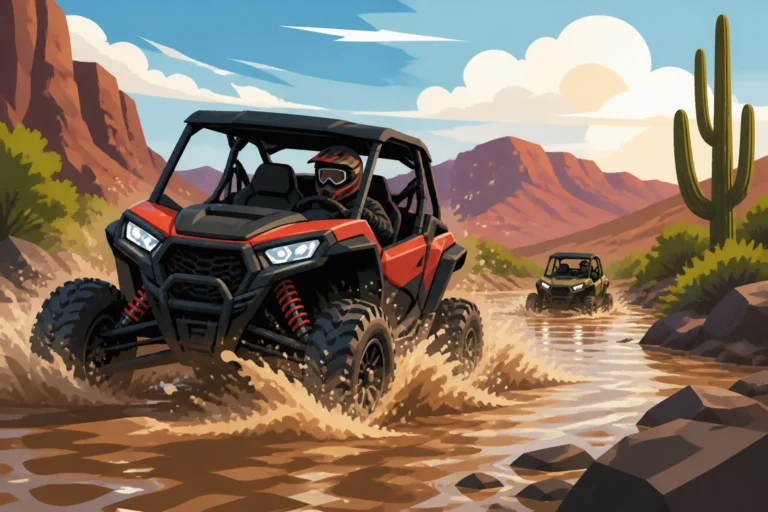
There's nothing quite like exploring Arizona's vast and breathtaking desert landscapes on your ATV or UTV. But those thrilling, winding trails often narrow down to little more than a single vehicle width, creating some unique challenges for riders. This guide is all about navigating those tight spots safely, courteously, and responsibly, ensuring everyone has an enjoyable and incident-free adventure.
Understanding Arizona's Narrow Desert Roads and Etiquette
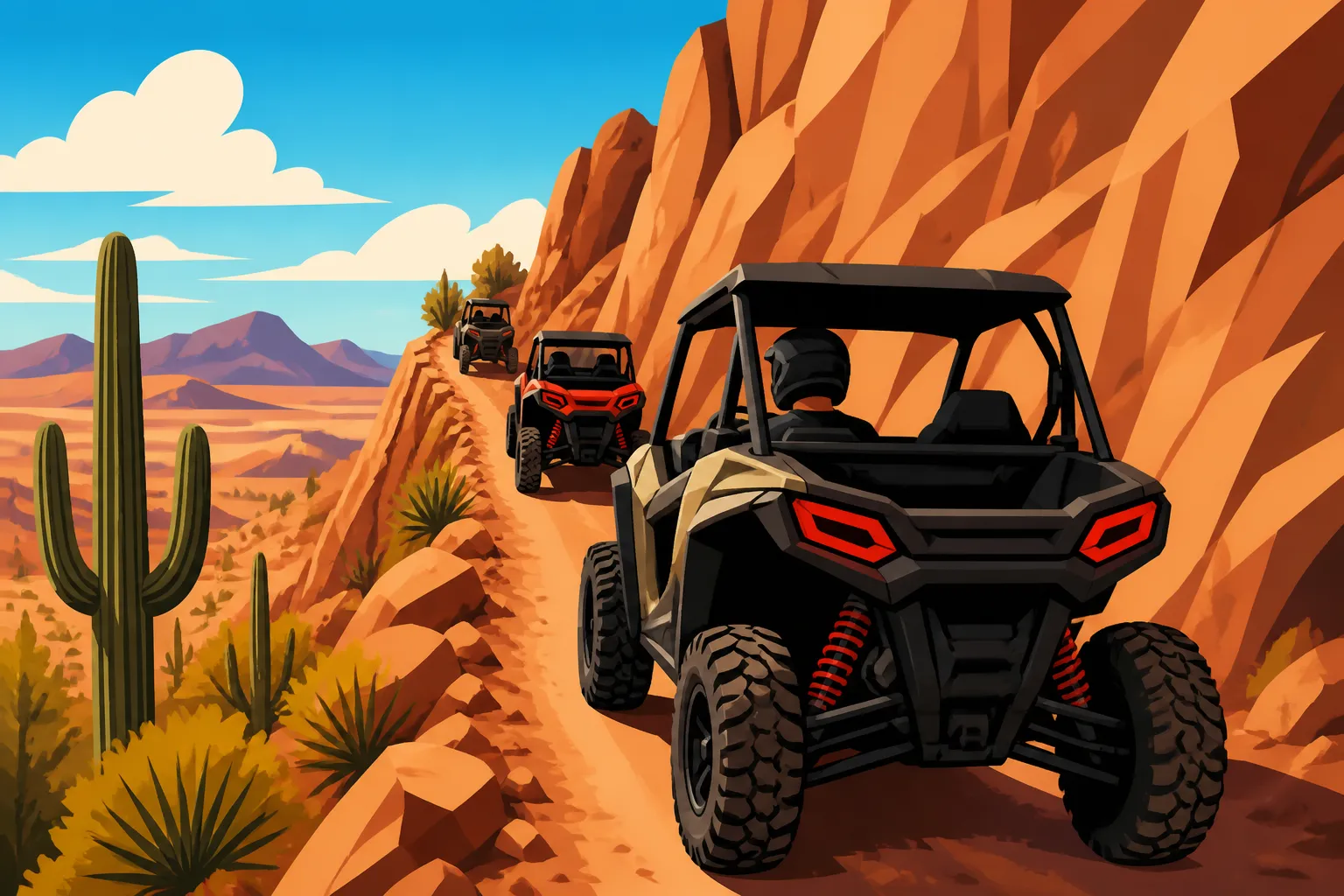
Picture this: you're out with your riding buddies, enjoying a beautiful Arizona day, when the wide-open two-track suddenly funnels into a single, dusty ribbon snaking between cacti and boulders. It's a common scenario in our incredible desert playground, and knowing how to handle it is crucial.
The Challenges of a Single-Lane Trail
Narrow desert roads and trails present a distinct set of hurdles that can quickly turn an enjoyable ride into a stressful one if you're not prepared. First off, limited visibility is a huge factor. Dust kicked up by machines ahead of you can hang in the air, obscuring your view of what's coming. Then there are those infamous blind corners, where you simply can't see around the bend until you're right on top of it. Imagine coming around a sharp turn only to find another UTV heading straight for you!
Beyond other vehicles, you also have to contend with the terrain itself. These single-lane paths often mean less room to maneuver if you encounter an obstacle like a downed tree or a large rock. You're committed to that narrow path, and there's often no easy way to get out of the way. This is especially true on trails that might hug a hillside or have a steep drop-off to one side. The stakes feel a little higher when you know there's not much forgiveness if you misjudge.
Why Single File is Critical for Safety and Respect
Riding single file isn't just a suggestion; it's a fundamental principle for responsible off-roading, particularly on Arizona's delicate desert trails. The primary reason is, of course, safety. By staying in a single line, you reduce the likelihood of collisions, especially on those aforementioned blind corners. It gives everyone more predictability and reaction time. When everyone knows the protocol, it creates a much safer environment for all trail users.
But it's also about respect – respect for the environment, for other riders, and for the land managers who work tirelessly to keep these trails open. Widening a single-track trail by riding side-by-side where there isn't room leads to trail erosion and can damage sensitive desert vegetation. It can destroy the very trails we love to ride, leading to closures and restrictions. When you see a trail that's been "braided" into multiple paths, it's usually a sign of irresponsible riding, and it harms the natural landscape. Sticking to single file helps preserve the integrity of the trail and the surrounding ecosystem for future generations of riders.
Legal Aspects of Sharing Arizona's Roads
While many narrow desert paths might feel like the wild west, they're often governed by a mix of official regulations and common-sense trail etiquette. Many of these routes are considered [Arizona Forest Service Roads] or [Arizona BLM Roads], and while they might be unpaved and remote, they are still public access routes. This means general rules of the road, like yielding to oncoming traffic, still apply, even if they're not explicitly marked with signage every mile.
It's also essential to be aware of [Arizona Trespass Rules Along Desert Roads]. Sometimes these narrow roads might border or even briefly pass through private property. Riding single file, staying on the established path, and not veering off into someone's ranch or mining claim is not just polite, it's the law. Always keep an eye out for fences, "No Trespassing" signs, or other indicators of private land. Understanding [Arizona Rules for Work and Utility Machines] can also be helpful, as you might encounter working vehicles on these same routes that have different operational needs. The last thing you want is a citation or an unhappy landowner because your group was spread out and perceived as causing a disturbance.
Practical Strategies for Single-File Riding
Navigating those skinny desert roads with a group requires a little planning and a lot of communication. It's not just about getting from point A to point B, it's about doing it safely and efficiently as a team.
Communication is Key in a Group
When riding in single file, especially with dust and engine noise, effective communication is your best friend. Simple hand signals can go a long way. Develop a system with your group for things like "stopping," "slow down," "oncoming traffic," or "obstacle ahead." These visual cues are quick and don't rely on sound. Remember that the lead rider is the eyes of the group, and they need to effectively relay information back.
For more advanced communication, many groups rely on two-way radios or helmet-mounted communicators. These devices allow for clear, real-time conversations, which is invaluable for alerting riders to hazards, discussing route changes, or simply checking in. Brands like SuperATV offer a range of accessories, including communication systems, that integrate seamlessly into your UTV or helmet. With a clear line of communication, you can maintain appropriate spacing between machines, ensuring everyone has enough reaction time. This spacing is also critical for reducing dust ingestion for the riders behind you, making the experience more pleasant for everyone.
Mastering Blind Corners and Limited Visibility
Blind corners are where accidents happen. The golden rule here is slow down. Reduce your speed significantly before entering a blind turn, allowing you more time to react if you encounter something unexpected. It's also a good practice for the lead rider to use a quick, audible horn tap just before a completely blind corner, as a courtesy warning to any potential oncoming traffic. Listening for the sounds of other vehicles before you commit to the turn can also be very helpful.
Some experienced groups use a "point man" system, where one rider, often on a dirt bike due to its maneuverability, goes ahead slightly to scout particularly challenging sections or blind turns. They can then radio back to the main group, confirming the path is clear or alerting them to a hazard. Always be ready to stop your machine quickly and safely, even in the middle of a turn. This preparedness can prevent a head-on collision or an unplanned detour into a ditch.
Dealing with Oncoming Traffic
Encountering another group or a single vehicle on a narrow, single-lane desert road means someone has to yield. Generally, the accepted etiquette is for the downhill traveler to yield to the uphill traveler, as it's often harder to stop and restart on an incline. However, always be prepared to yield if it's safer to do so, regardless of your direction. Look for widened sections of the trail, pull-offs, or small clearings where you can safely move your machine to the side to let others pass. A friendly wave and a nod go a long way in fostering good trail camaraderie.
Remember that OHV trails are often shared by more than just ATVs and UTVs. You might encounter hikers, mountain bikers, or even horseback riders. These non-motorized users generally have the right-of-way. Slow down significantly, give them a wide berth, and be prepared to stop your engine if you encounter horses, as the noise can spook them. A friendly greeting can help diffuse any potential tension and ensure that all trail users feel respected. Consider reading up on [Group Etiquette Through a Small Desert Town] as many of the same principles apply when sharing narrow passages on the trail.
Equipping Your Machine for Narrow Paths
Your machine itself plays a significant role in how well you navigate narrow desert roads. A few thoughtful modifications and additions can make a world of difference.
The Role of Machine Width and Modifications
Arizona's trails vary wildly, and some of the most scenic ones can be surprisingly tight. Many side-by-sides are built quite wide for stability, which is great for open desert, but can be a challenge on trails with width restrictions or natural chokepoints. Before heading out, it's a good idea to know your machine's exact width. Some aftermarket companies, like SuperATV, offer specialized components, such as narrow A-arms or suspension kits, that can reduce your machine's overall width, allowing you to access more restrictive trails.
Always check trail ratings and local regulations for any width limitations before you go. You don't want to get miles into a trail only to find your machine is too wide to pass through a gate or a particularly tight section. Understanding [Machines Under 1,800 Pounds] and [Why Machine Weight Matters in Arizona] can also give you insight into how different machines perform and fit on various terrains, as lighter, narrower machines often have an easier time on tight paths.
Visibility Aids for Shared Trails
Even when riding single file, anything that makes your machine more visible to others is a huge plus. Whip flags are practically mandatory in many popular Arizona riding areas, especially dunes or busy trails where dust can obscure machines. A tall, brightly colored whip flag dramatically increases your visibility over hills and around corners, giving other riders a heads-up that you're there. You can learn more about [Whip Flags on a Road Section of a Ride] for specific guidance.
Ensuring your headlights, taillights, and brake lights are fully functional is also paramount, not just for night riding but for dusty daytime conditions as well. Running your lights, even during the day, can make you more noticeable. Adding reflective tape to the sides and rear of your machine can further enhance visibility, especially during dusk or dawn rides, or if you find yourself needing to stop on the side of a narrow path.
Essential Gear for Narrow Trail Navigation
Beyond your machine's setup, carrying the right gear can make all the difference. A reliable GPS unit or a smartphone app with detailed off-road maps (like onX Offroad) is indispensable. These tools can help you confirm you're on a designated trail, identify potential pull-offs, and navigate around unexpected obstacles. Familiarize yourself with [Reading an Arizona Motor Vehicle Use Map] before you head out, as these maps are goldmines for understanding trail designations and any specific restrictions.
Additionally, recovery gear like a small shovel, a tow strap, and a winch (if your UTV is equipped) can be crucial. Getting stuck or having a mechanical issue on a narrow trail means you can't just drive around it; you might block the entire path. Being able to self-recover or assist a buddy quickly keeps the flow of traffic moving and minimizes impact on the trail. Don't forget basic tools for minor repairs, a first-aid kit, and plenty of water, especially when [Riding an Arizona Road at 110 Degrees].
Promoting Responsible Riding Habits
Our shared passion for Arizona's amazing off-road trails comes with a responsibility to maintain them and ensure they remain open for everyone. Promoting responsible riding is something we all need to take seriously.
Minimizing Your Impact on the Trail
The principle of "tread lightly" is never more important than on narrow desert roads. Always stay on designated paths. Resist the urge to create new bypasses around puddles, rocks, or other obstacles, as this directly contributes to trail widening and erosion. If you encounter an obstacle you can't safely navigate, it's better to turn around than to damage the trail or your machine.
Be mindful of your speed and driving style, especially in tight areas. Aggressive driving can kick up excessive dust, erode corners, and create ruts that make the trail more difficult for others. Think about how your actions affect the trail and other users. Pack out everything you pack in, and if you see trash, consider picking it up. Every little bit helps keep our desert beautiful and accessible.
Teaching New Riders Proper Etiquette
We all started somewhere, and bringing new riders into the fold is a great way to grow our community. However, it's vital to teach them proper trail etiquette from the get-go. Before hitting the trails, conduct a thorough safety briefing covering communication signals, spacing, how to handle oncoming traffic, and the importance of staying on the trail. Lead by example by consistently demonstrating responsible riding habits.
Encourage new riders to take their time, observe more experienced riders, and ask questions. A well-informed new rider is a safer rider and a better steward of our trails. The [Arizona's Free Mandatory OHV Decal Course] is an excellent resource for everyone, but especially for those new to Arizona's specific rules and ethics. It sets a great foundation for responsible off-road adventures.
Reporting Issues and Advocating for Trails
If you encounter illegal trail widening, excessive trash, or other damaging activities, it's important to report it to the appropriate land management agency (Forest Service, BLM, State Land Department). Documenting the issue with photos and GPS coordinates can be very helpful. These agencies rely on the eyes and ears of responsible users to help protect our resources.
Beyond reporting, consider becoming an advocate for the trails. Join local OHV clubs, participate in trail cleanup events, or even volunteer for trail maintenance projects. Your annual [Arizona's Annual OHV Decal Explained] fees contribute to the [Arizona OHV Fund and Trail Projects], but direct involvement from the riding community is invaluable. Supporting organizations that work to keep trails open and maintained ensures that future generations can also enjoy the thrill of riding Arizona's incredible desert roads.
Here's a quick comparison of communication methods for group riding:
| Communication Method | Pros | Cons | Best For |
|---|---|---|---|
| Hand Signals | No equipment needed, universally understood, quick | Limited range, requires line of sight, can be missed | Short-range cues, immediate hazards, lead/tail rider |
| Two-Way Radios | Longer range, clear verbal communication, group-wide | Requires equipment, can be bulky, batteries die, limited channels | Larger groups, varying terrain, route coordination |
| Helmet Communicators | Hands-free, private/group chat, integrated into helmet | More expensive, battery life, limited range between units | Small to medium groups, seamless conversation, music/GPS |
| Horn Taps/Flashes | Simple, draws attention, universal sound | Limited information, can be misunderstood, potentially startling | Alerting oncoming traffic, emergency warnings |
Disclaimer
This article is for general informational purposes only and does not constitute professional advice. Laws, prices and regulations vary by location and change over time. Consult a qualified professional for guidance on your specific situation.