Riding Slowly Past Desert Homes
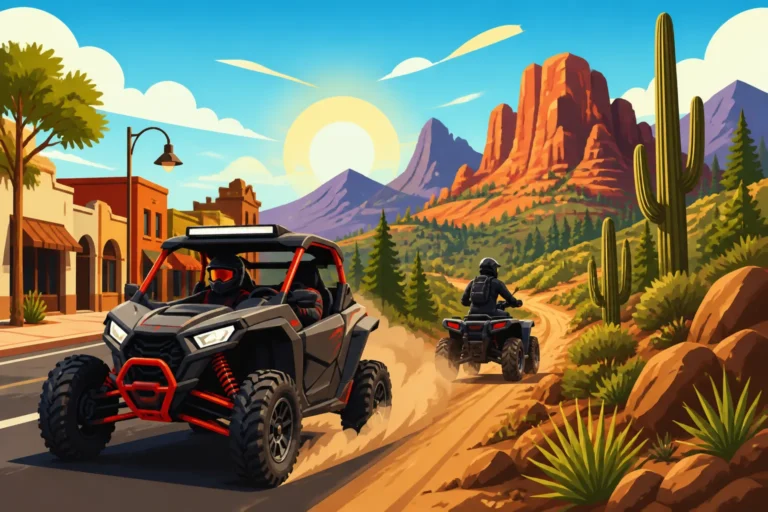
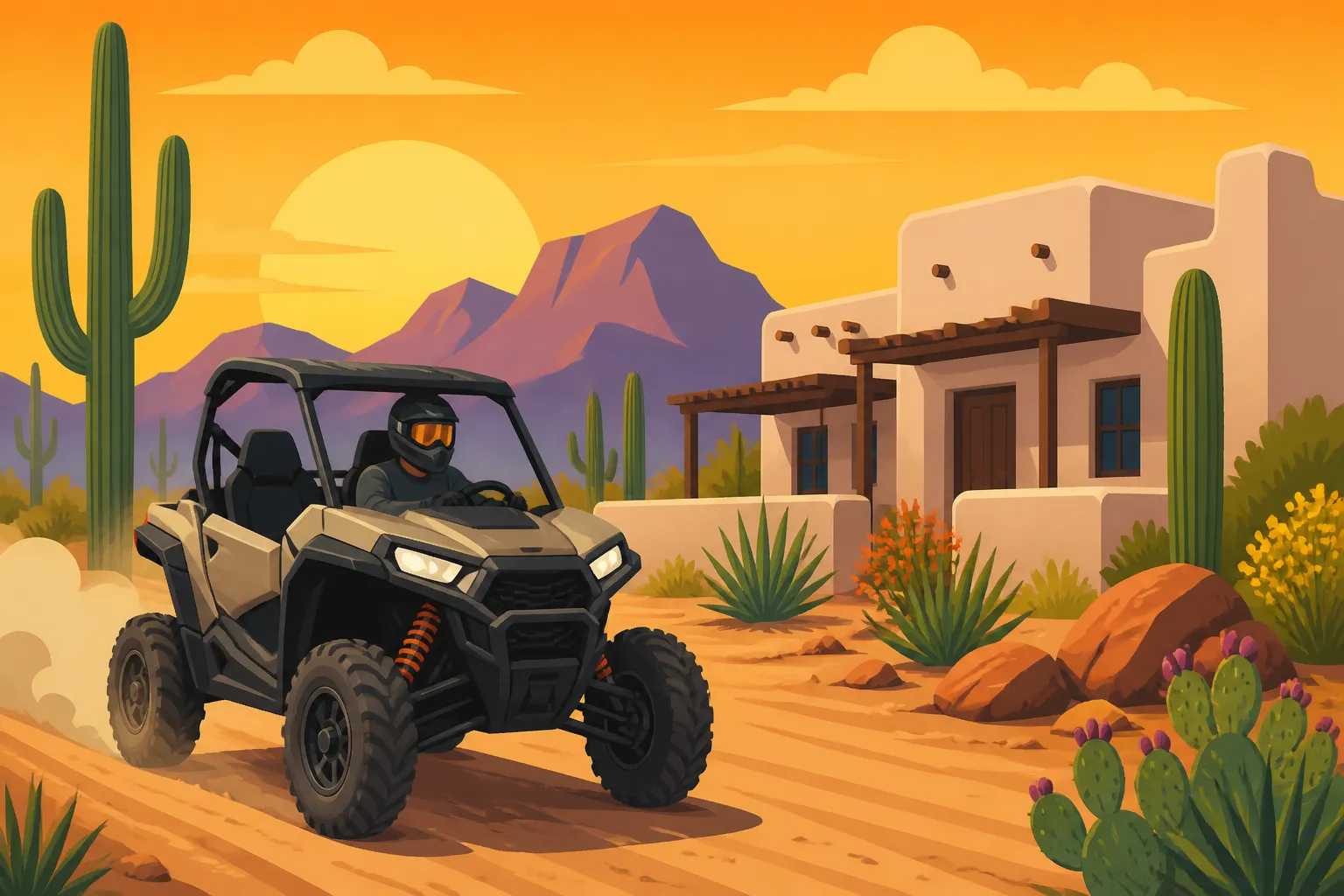
We’ve all been there: enjoying a fantastic day out on the trails, kicking up a little dust, and feeling the freedom of the desert, when suddenly you find yourself rolling past a row of homes right at the edge of the wilderness. It’s easy to get caught up in the thrill of the ride, but zooming past someone’s property can quickly turn that peaceful desert escape into a noisy, dusty headache for the residents. This guide is all about how to navigate these moments with respect, minimizing your impact on desert communities, and ensuring that OHV riding continues to be a welcome sight, not a nuisance, for everyone who calls the Arizona desert home.
Understanding the Impact of OHV Riding on Desert Communities
Riding your off-highway vehicle (OHV) in Arizona is an incredible experience, offering access to stunning landscapes and thrilling adventures. However, the increasing popularity of OHVs means more interaction with residential areas that often abut public lands. It's crucial for us, as riders, to understand the real impact our machines can have on those living nearby. Ignoring these impacts can lead to stricter regulations and even trail closures, dimming the very freedom we cherish.
Noise Pollution and Its Effects
Think about it: the desert is often sought out for its quiet, serene environment. For residents living at the edge of town or nestled against a wilderness boundary, the expectation is peace. When a group of side-by-sides or ATVs rolls by, especially with modified exhausts, the noise can be jarring. This isn't just a fleeting annoyance; sustained or repeated noise pollution can genuinely disrupt daily life, impacting everything from backyard conversations to sleep patterns, and even scaring pets and local wildlife. It creates a sense of intrusion and can quickly erode goodwill towards the OHV community.
The type of engine and exhaust system on your machine plays a huge role here. Stock exhaust systems are generally designed to meet specific noise regulations, but aftermarket exhausts, while sometimes offering performance benefits, can significantly amplify sound. Even if your machine is street legal and adheres to [Arizona Muffler and Noise Limits], the sheer volume of a passing OHV can still feel excessive in a quiet residential area. We need to be mindful that what sounds exciting to us on the open trail might sound like a disruptive roar to someone in their living room.
Beyond the immediate sound, there's the cumulative effect. One machine passing by might be tolerable, but if a constant stream of OHVs uses a route near homes, the repeated noise becomes a severe problem. This is where the reputation of the entire OHV community comes into play. If residents consistently complain about noise, it directly impacts future access and relationships. Showing respect for their desire for peace is not just polite; it's essential for the long-term health of our sport.
Dust Concerns for Residents and the Environment
Picture this: you’ve just washed your car, wiped down your patio furniture, or maybe even hung your laundry out to dry. Then, an OHV speeds by, kicking up a thick cloud of fine desert dust that settles on everything. For residents, this isn't just an inconvenience; it's a constant battle against grime, affecting air quality inside their homes, requiring more frequent cleaning, and potentially even causing issues with HVAC filters or solar panels. The dust isn’t just unsightly; it can be a health concern, especially for those with respiratory sensitivities or young children.
The desert environment itself is also sensitive to dust. While a certain amount of dust is natural, excessive particulate matter can impact fragile desert plants and ecosystems. It’s a delicate balance out here, and our machines, particularly when ridden at speed, can disrupt that balance. Think about how much dust a brand-new SuperATV suspension kit might stir up if you're flying down a graded dirt road—it's a lot! We have a responsibility to minimize our footprint, and that includes being mindful of the dust we create, particularly in areas where people live.
The impact can be most pronounced during dry periods when the desert soil is pulverized and loose. A slow, controlled pass generates far less dust than a fast, aggressive one. The direction of the wind also plays a role, carrying dust further into residential areas. Being aware of these factors and adjusting our riding style can make a huge difference in how our presence is perceived by those who live in these fringe areas.
Safety Perceptions and Community Relations
When OHVs are seen speeding or riding erratically near homes, it naturally creates safety concerns. Residents worry about children playing in yards, pets running loose, or even property damage. The sight of a machine going too fast can instantly create a perception of recklessness, even if the rider has no ill intent. This perception can lead to fear and resentment, fostering an "us vs. them" mentality between riders and residents.
Building positive community relations is vital for the future of OHV recreation. When residents see riders operating responsibly and courteously, it helps to dispel negative stereotypes and fosters a more accepting view of our sport. It's about being a good ambassador for the OHV community every time you encounter a residential area. Every interaction, every slow pass, every friendly wave contributes to the overall narrative.
When we consider the larger picture, responsible riding near homes isn't just about avoiding a ticket; it's about preserving access to the trails we love. If communities perceive OHVs as a constant threat or nuisance, they will push for tighter restrictions, increased enforcement, and even outright closures of popular routes. By demonstrating respect and consideration, we help ensure that the Arizona desert remains accessible for generations of riders to come.
Arizona Regulations and Local Ordinances for Residential Areas
Understanding the rules of the road—and off-road—is critical for any Arizona OHV enthusiast. While state laws provide a framework, local municipalities often have their own specific ordinances that govern noise, speed, and access, especially in residential zones. Ignorance of these rules isn't an excuse, and violating them can lead to citations, fines, and even a loss of riding privileges.
State Law Basics: Street Legal vs. Off-Highway Only
Arizona state law makes a clear distinction between OHVs registered for off-highway use only and those that have been modified and registered as street legal. [Making a UTV Street Legal in Arizona] involves adding specific equipment like turn signals, rearview mirrors, a horn, and DOT-approved tires, and then obtaining an MC (Motorcycle) plate. For a street-legal machine, many of the standard traffic laws apply, just as they would to a car or motorcycle.
However, just because your machine is street legal doesn't give you a free pass to ignore common courtesy or local rules when passing residential areas. Even a street-legal side-by-side like a Polaris RZR, equipped with high-performance components from SuperATV, still needs to operate with respect. The state outlines [What Arizona Requires on a Street-Legal Machine], but it doesn't override local noise regulations or the expectation of responsible operation in neighborhoods. A vehicle registered for the street can travel on designated roads, but that privilege comes with the responsibility to not disturb residents.
For off-highway only machines, the rules are much stricter. These OHVs are generally restricted to trails and designated OHV areas and cannot operate on paved public roads unless crossing at a designated intersection or in specific, limited circumstances as part of a trail system. Driving an off-highway only machine through a residential street, even slowly, is typically illegal and can lead to significant penalties, including citations for operating an unregistered vehicle on a public road or even reckless endangerment depending on the circumstances. [What Riding Arizona Undecaled Costs You] can be substantial, and that's just for the decal. Local violations often add to that.
Local Noise Ordinances and Enforcement
This is where things can get tricky. While Arizona state law sets some general guidelines for vehicle noise, individual cities and counties have the authority to enact their own, often more stringent, noise ordinances. These ordinances typically apply to all vehicles, including OHVs, and they define acceptable noise levels during different times of the day. What might be permissible on a remote trail could be a violation on a residential street.
These local ordinances are usually enforced by city police departments, county sheriffs, or even community-specific patrols. Complaints from residents often trigger enforcement actions. If a neighborhood experiences persistent noise issues from OHVs, it's very likely that local authorities will increase patrols and start issuing citations. The penalties can range from monetary fines to potential impoundment of the vehicle, particularly for repeat offenders or egregious violations. [Arizona Penalties for Reckless Riding] also consider noise as a factor in disturbing the peace.
It's a good idea, especially if you regularly ride near a particular community, to familiarize yourself with their specific ordinances. A quick search on the city or county website for "noise ordinance" or "OHV regulations" can provide valuable information. Remember, these ordinances are often put in place to protect the quality of life for residents, and by adhering to them, we demonstrate our commitment to being responsible members of the larger community.
Trespass and Private Property Concerns
One of the most critical aspects of respectful riding near homes is understanding and respecting private property boundaries. In Arizona, much of the desert landscape is a patchwork of public lands (like BLM or Forest Service), State Trust Land, and private parcels. It's not always obvious where one begins and the other ends, but ignorance is not an excuse for trespass. [Arizona Trespass Rules Along Desert Roads] are clear: you cannot ride on private land without explicit permission from the landowner.
This becomes especially pertinent when riding near residential areas, where property lines can extend right up to the edge of a public road or trail. Even if a path looks like a public route, if it crosses private property without an easement, you are trespassing. The consequences of trespassing can include citations, fines, and potentially even civil lawsuits from landowners. Nobody wants to deal with a confrontation with an angry homeowner, let alone a legal issue, just for straying off course.
The best practice is to always stay on clearly marked public roads or trails. Look for signs, fences, or other indicators of private property. If in doubt, turn around or find an alternative route. Using GPS apps with land ownership overlays, such as onX Offroad, can be incredibly helpful in identifying public vs. private land. This not only protects you from legal trouble but also fosters trust with residents who see you respecting their property rights.
Best Practices for Respectful Riding Near Desert Homes
Being a responsible OHV rider isn't just about following the law; it's about embodying a spirit of respect and consideration for everyone who shares the desert, especially those living in its quiet corners. Adopting these best practices when you’re near desert homes can make a world of difference in how OHV riders are perceived and can help preserve our access to the trails we love.
Mind Your Speed and Driving Style
The absolute most important thing you can do when passing desert homes is to slow down. I mean really slow down. Think "walking pace" or even slower, depending on the situation. This isn't the time to test the top speed of your custom SuperATV build. Excessive speed kicks up more dust, generates more noise, and presents a greater perceived safety risk to residents. It’s a sure-fire way to draw negative attention and complaints.
Avoid sudden accelerations, aggressive turns, or quick braking, all of which contribute to noise and dust. Maintain a smooth, steady pace. Think of yourself as driving through a school zone, even if there isn't a posted speed limit. The goal is to be as unobtrusive as possible. If you encounter children or pets near a home, slow down even further, make eye contact if appropriate, and be prepared to stop. Showing this level of caution demonstrates responsible operation and tells residents you are aware of their presence and safety.
Remember, the impression you leave in these residential areas can stick with people long after you’ve passed. A controlled, quiet, and slow approach signals respect, while a fast, loud, and dusty pass signals disregard. This simple act of reducing your speed is perhaps the single most effective way to be a good neighbor on the trails.
Minimize Noise and Dust Generation
Beyond just slowing down, there are other proactive steps you can take to minimize your footprint near homes. When riding a manual transmission machine, try to ride in a higher gear at lower RPMs. This often reduces engine noise compared to revving high in a lower gear. For automatic transmissions, simply easing off the throttle will achieve a similar effect. Avoid unnecessary idling near homes; if you need to pause, try to do so further down the trail away from residences, or turn off your engine.
Maintaining your machine properly is also key. Ensure your exhaust system is intact and free of leaks. Aftermarket exhausts, while popular for performance, can be significantly louder. If you have one, be extra vigilant about slowing down and being quiet in residential zones. Ensure your spark arrestor is in good condition; while primarily for fire prevention, a well-maintained exhaust system generally runs quieter. Regular maintenance can prevent unexpected loud noises that could alarm residents.
Furthermore, try to choose routes that naturally steer clear of dense residential areas if possible. Some trails might have bypasses that avoid homes, even if they add a little extra distance. If you must pass homes, try to keep as much distance as safely possible between your machine and their property. This lessens the impact of both noise and dust. Always remember that the quieter and cleaner your pass, the less likely you are to generate complaints and contribute to calls for restricted access.
Be Visible, Courteous, and Aware
While you're focusing on speed and noise, don't forget the human element. Be visible and make sure your presence is known in a non-threatening way. This includes running [Whip Flags on a Road Section of a Ride] for added visibility, especially if you're traveling in a group. It makes you easier to spot by residents, particularly children, and helps them understand you're part of organized recreation.
If you make eye contact with a resident, offer a friendly wave and a smile. Acknowledging them goes a long way. It shows you recognize their right to peace and quiet and are not trying to sneak by. Many residents who live near OHV trails are simply looking for a little respect; a friendly gesture can transform a potentially negative interaction into a positive one. Understanding that residents might not be accustomed to OHV traffic or might have negative preconceived notions is important. Your actions can help change those perceptions.
Finally, always be aware of your surroundings. Look for children playing, pets, or people walking. Be prepared for the unexpected. The desert is a shared space, and by demonstrating politeness, caution, and awareness, you contribute to a positive image for the entire OHV community. This collective effort ensures that we can all continue to enjoy Arizona's vast and beautiful landscapes responsibly.
The Long-Term Benefits of Responsible OHV Operation
Being a good neighbor when riding your OHV isn't just about avoiding a ticket or a dirty look; it's about securing the future of off-highway recreation in Arizona. Every slow pass, every reduced dust cloud, and every friendly wave contributes to a larger goal: preserving access, fostering positive relationships, and ensuring the continued enjoyment of our incredible desert trails.
Preserving Access and Preventing Closures
This is perhaps the most critical long-term benefit. When OHV riders consistently behave irresponsibly near residential areas—speeding, creating excessive noise, or trespassing—it inevitably leads to complaints. These complaints don't just disappear; they get lodged with local authorities, state agencies, and elected officials. A high volume of negative feedback often results in increased enforcement, stricter regulations, and, ultimately, the closure of trails and riding areas that are deemed a nuisance or a safety hazard to communities.
We've seen it happen time and again: a few bad actors can spoil it for everyone. By self-policing and demonstrating a collective commitment to responsible riding, the OHV community can actively work to prevent these closures. Organizations like SuperATV, which supply enthusiasts with quality parts, thrive on continued access. When residents see responsible riders, they are less likely to advocate for restrictions. Think of it as investing in the future of your hobby. The [Arizona OHV Decal Money Goes] towards trail maintenance and enforcement, which further supports responsible riding and helps keep trails open for everyone.
It's a delicate balance of shared use. Our actions directly influence public perception, which in turn influences policy and land management decisions. Every time you ride respectfully past a desert home, you are actively participating in the preservation of OHV access for yourself and for generations of riders to come.
Fostering Positive Community Relations
Beyond preventing closures, responsible riding builds bridges between the OHV community and non-riding residents. Instead of being viewed as a disruptive force, riders can be seen as respectful outdoor enthusiasts who appreciate the desert just as much as anyone else. Positive interactions—a friendly wave, an apology for dust, or simply adhering to posted rules—can transform neighbors from potential adversaries into understanding allies.
When residents see OHV riders acting courteously, it can change their entire perspective on the sport. They might even become advocates for continued access, understanding that the vast majority of riders are responsible and considerate. This shift in perception is incredibly valuable, especially when land-use decisions are being made. Building this goodwill means that when issues arise, the OHV community has a better chance of being heard and understood, rather than immediately dismissed.
Ultimately, we are all members of larger communities, whether we live in a city, a small town, or right on the edge of the desert. Fostering positive relations means recognizing that we share these spaces and that mutual respect is essential for peaceful coexistence.
Enjoying the Desert Responsibly
The Arizona desert is a magnificent playground, offering endless opportunities for exploration and adventure, from the challenging routes near [Charouleau Gap Between Oracle and Tucson] to the scenic vistas of [Table Mesa North of Phoenix]. Embracing responsible riding practices, especially around desert homes, doesn't diminish the fun; it enhances it. Knowing that you're enjoying the desert without causing distress to others adds a layer of satisfaction to every ride.
It’s about being a good steward of both the land and the community. When you know you’ve done your part to minimize noise and dust, and you’ve shown respect to residents, you can ride with a clear conscience. This commitment to responsible recreation ensures that the joy of off-roading in Arizona remains a privilege for all, not just a select few. The freedom to explore our incredible state is something truly special, and it’s up to us to protect it through our actions.
Disclaimer
This article is for general informational purposes only and does not constitute professional advice. Laws, prices and regulations vary by location and change over time. Consult a qualified professional for guidance on your specific situation.