After a Crash on an Arizona Desert Road
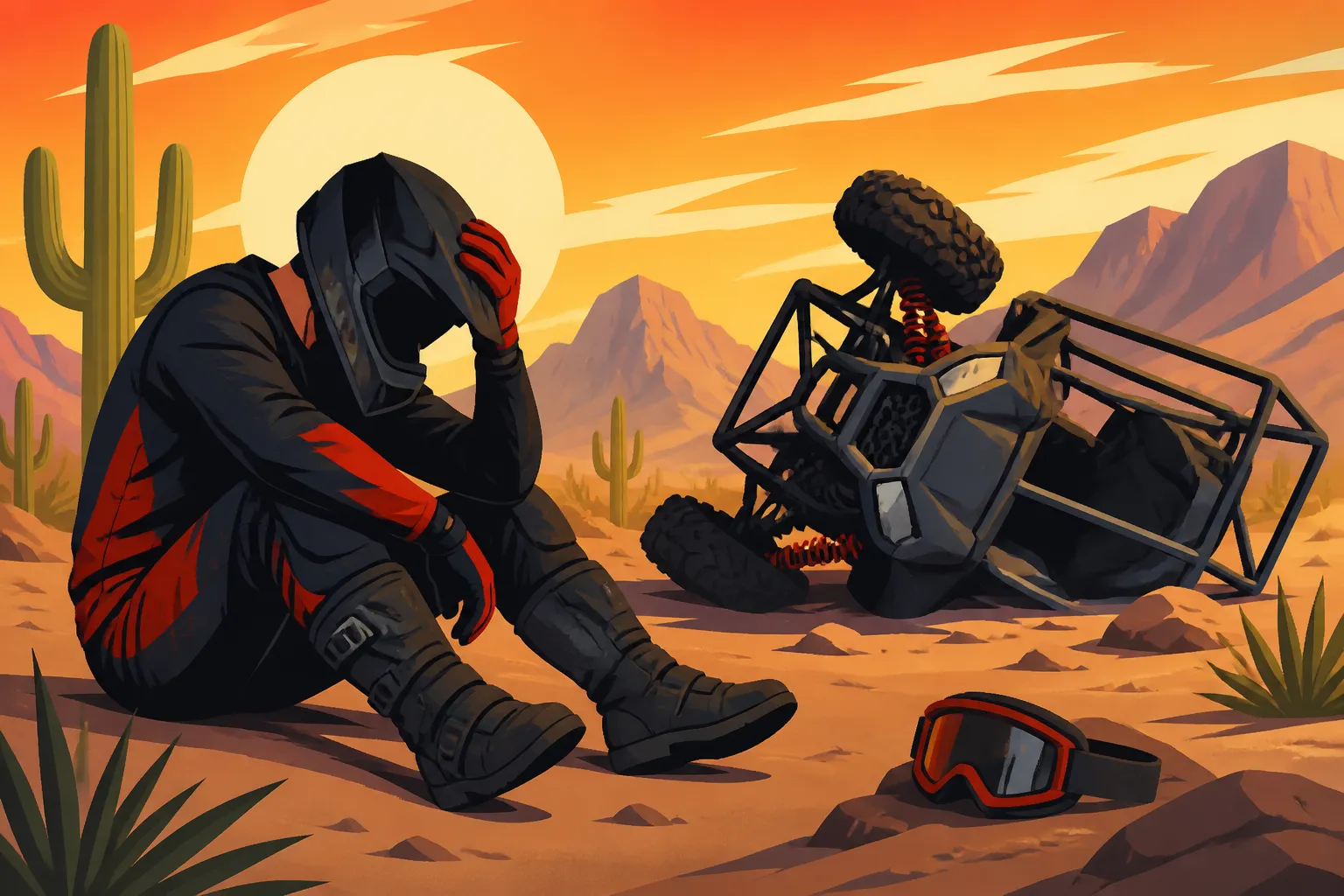
Nobody ever plans to crash their ATV or UTV out on the Arizona desert roads, but unfortunately, accidents can happen when you least expect them. Whether it’s a minor fender-bender with another machine, a rollover on a tricky trail, or a collision with an obstacle, the moments immediately following a crash can be disorienting and stressful. This guide is here to walk you through the essential steps to take if you find yourself in an off-road incident, helping you navigate the aftermath safely, legally, and with as much peace of mind as possible.
Immediate Steps to Take After a Desert Crash
When the dust settles after an unexpected incident on an Arizona desert road, your first priority is always the safety and well-being of yourself and anyone else involved. The desert environment presents unique challenges, from limited cell service to extreme temperatures, making quick and clear thinking even more crucial. Don't let panic take over; having a plan in your head will help.
Prioritizing Safety and Assessing Injuries
The very first thing to do, if you are able, is to take a deep breath and assess the situation for immediate dangers. Are you or any passengers injured? Check for bleeding, broken bones, or signs of shock. If anyone is seriously hurt, your next immediate step is to get help. This is where pre-ride planning truly pays off. Do you have a satellite messenger or a fully charged cell phone (even if service is spotty, sometimes a text can go through, or you can find a signal by walking to higher ground)? Remember, time can be critical, especially in the remote Arizona desert where temperatures can soar and help might be a long way off. Always carry a well-stocked first-aid kit that includes supplies for major trauma, not just minor scrapes.
Once you’ve addressed any immediate medical needs and called for help if necessary, make sure the accident scene itself is safe. Is there a risk of fire from spilled fuel? Are other machines still moving around the area? Try to move yourself and any injured parties to a safer spot if possible, but only if doing so won't worsen injuries. This might mean moving a short distance away from a wrecked machine that could still be unstable or near a potential hazard.
Securing the Accident Scene and Preventing Further Damage
After tending to injuries, securing the scene is paramount to prevent additional accidents and preserve evidence. If your machine is still operational and can be moved safely without causing further damage or injury, try to get it off the main travel path to avoid blocking others. However, if moving it seems risky or could compromise crucial evidence, leave it where it is and focus on making it visible to oncoming traffic. This is where a [Whip Flags on a Road Section of a Ride] can come in handy, even after a crash.
Set up warning devices if you have them – reflective triangles, flares, or even just brightly colored clothing or items waved by a person if it’s safe to do so. The vastness of the desert can sometimes make it hard for other riders or emergency responders to spot a scene from a distance, especially around blind corners or over crests. If you have extra people with you, assign someone to stand a reasonable distance from the crash site to alert approaching traffic. For parts that have come off the machine, carefully move them to a safe spot nearby if they pose a hazard, but try to keep them close to their original impact points for later documentation.
Documenting the Scene and Gathering Information
Once the immediate safety concerns are handled, the next critical phase involves collecting as much information as possible about the crash. This evidence will be vital for any insurance claims, accident reports, or potential legal proceedings down the line. It might feel overwhelming, but taking these steps can save you a lot of headaches later.
Photographing the Accident Details
Get out your cell phone or camera and start taking photos – lots of them. Capture wide shots of the overall scene, showing the positions of all machines involved, the surrounding terrain, and any relevant landmarks. Then, move in closer for detailed shots. Photograph the damage to your machine from multiple angles, focusing on impact points, broken parts, and any fluid leaks. Don’t forget to photograph the same details on any other machines involved. Take pictures of tire marks, debris, and any damage to natural features like rocks or bushes that might indicate the path of the crash.
It’s also crucial to photograph any injuries sustained by yourself or your passengers. While not pleasant, these visual records can be incredibly important for insurance claims, especially if you need to submit [Arizona OHV Injury Claims]. Make sure your photos are clear and well-lit. The desert light can be harsh, so try to get shots that accurately represent the scene without overexposure or deep shadows. If you happen to have a [GoPro] or similar action camera, check its footage – it might have captured the incident itself.
Collecting Information from All Parties and Witnesses
If other people or machines were involved in the crash, you absolutely need to exchange information with them. This isn't the time to be shy; gather details meticulously. This includes their full names, contact information (phone and email), addresses, and driver's license numbers. Get their vehicle information as well: make, model, year, VIN (which you can often find on the frame, though sometimes obscured by dirt or modifications – a great place for a durable component from a company like SuperATV to have it clearly stamped), and their insurance company and policy number. Write down any [Arizona Penalties for Reckless Riding] you believe contributed to the accident, if applicable, as this information may be relevant for authorities.
Don't forget about witnesses! People who saw the crash but weren't directly involved can provide invaluable objective accounts. Ask for their names, phone numbers, and a brief statement of what they observed. Even if they don't want to get heavily involved, a quick recorded statement on your phone or a written note can be incredibly helpful. Be polite but firm in gathering this information; it’s essential for your protection.
Reporting the Incident and Initiating Claims
After you've secured the scene and gathered initial information, the next phase is to officially report the incident to the appropriate authorities and your insurance provider. The remoteness of Arizona's desert roads can complicate this, as different agencies may have jurisdiction depending on where precisely the crash occurred. This is a critical step to ensure proper documentation and to start the process of getting your machine repaired and any medical bills covered.
Contacting Law Enforcement and Land Management
Determining who to call can be tricky out in the vast Arizona desert. If the accident happened on a county road or within a city limit, the local sheriff's department or city police will be your first call. However, if you're on federal lands – like Bureau of Land Management (BLM) or Forest Service roads – their respective law enforcement (BLM rangers, Forest Service law enforcement officers) might need to be notified, in addition to the local sheriff. On Arizona State Trust Land, you might involve the State Land Department or even Arizona Game and Fish Department officers, especially if they're the first responders on scene. It’s always best to call 911 if there are injuries or significant damage, and they can help dispatch the correct agency.
Be prepared to provide your exact location, which can be challenging in the desert. If you have a GPS device or a mapping app like onX Offroad on your phone, use it to get precise coordinates. Describe the scene, the nature of the crash, and if there are any injuries. Even if law enforcement doesn't respond immediately due to the remote location or minor nature of the crash, it's important to have made the attempt to report it. Keep a record of when you called, who you spoke to, and any incident numbers provided. Knowing [Arizona OHV Crash Reporting] procedures beforehand is always a good idea.
| Incident Type | Recommended Contacts (Initial) | Key Information Needed |
|---|---|---|
| Injuries/Significant Damage | 911 (will dispatch local Sheriff/EMS) | Exact Location (GPS coordinates), Nature of Injuries, Scene Description |
| Minor Damage/No Injuries | Local Sheriff's Office, BLM/Forest Service (if on federal land) | Location, Description of Incident, Other Parties' Info |
| State Trust Land | Arizona State Land Department, Arizona Game & Fish | Location, Incident Details, Trust Land Permit Number |
| Hit & Run | Local Sheriff's Office (even if minor) | Description of Fleeing Vehicle/Operator, Direction of Travel |
Notifying Your Insurance Company
As soon as reasonably possible after ensuring everyone's safety and reporting the incident to authorities, you need to contact your insurance company. This is a crucial step for getting your machine repaired and covering any medical expenses. Even if you think the crash was minor, it's wise to inform them; sometimes, hidden damage or delayed injuries can become apparent later. If you were involved with another party, your insurance company will also handle communication with their insurer. Make sure you understand your policy's coverage limits, especially regarding [Arizona Liability Minimums for Street-Legal Machines] if you have such a policy, and comprehensive coverage for off-road damage.
Provide your insurance agent with all the information you collected at the scene: photos, witness statements, the other party's details, and any law enforcement report numbers. Be honest and factual about what happened. If you’re covered under a policy that includes collision or comprehensive for your OHV, this is when that coverage kicks in. Remember that policies vary greatly, so knowing [Arizona OHV Insurance Cost] and what it covers before a crash is always best. They can guide you through the claims process, which will involve assessing the damage and arranging for repairs or a payout.
Dealing with Vehicle Recovery and Repairs
After the initial shock, documentation, and reporting are handled, the practical matter of getting your machine out of the desert and back in working order looms large. This stage can be frustrating, especially if your OHV is heavily damaged, but there are resources and steps to help you through it.
Getting Your Machine Out of the Desert
If your ATV or UTV is no longer drivable, you’ll need to arrange for recovery. In some cases, a friend with a capable truck and trailer might be able to help, especially if you're on a relatively accessible desert road. However, for more remote locations or severely damaged machines, you might need to call a specialized towing service that can handle off-road recoveries. Not all tow companies are equipped for the rugged terrain of the Arizona desert, so be sure to ask if they have 4×4 vehicles and proper recovery gear. Sometimes, your insurance policy might cover towing, so check with them first. Many [Arizona Trailhead Parking and Staging] areas are relatively accessible, but if you're deep in a wash or far up a mountain trail, it can be quite an operation.
Consider the time of day and weather conditions when planning a recovery. Attempting a recovery in the middle of a hot Arizona summer afternoon can be dangerous for everyone involved. If you're stuck in a very remote area, it might even require assistance from local search and rescue teams, although they are primarily for human rescue, not vehicle recovery. Having a plan for [Towing Off a Desert Trail] is something every experienced Arizona rider considers. It’s also a good reminder to always ride with essential [Recovery Gear for Deep Sand] or challenging terrain.
Assessing Damage and Planning for Repairs
Once your machine is safely recovered, the next step is a thorough damage assessment. Your insurance company will likely send an adjuster to inspect the vehicle. Take your own detailed notes and photos of all damage, both obvious and hidden. Even seemingly minor impacts can cause significant underlying issues with the frame, suspension, or drivetrain. If you have custom parts or aftermarket accessories, make sure these are noted as well. A trusted mechanic specializing in ATVs and UTVs can provide an independent estimate, which can be helpful when dealing with insurance.
When it comes to repairs, you'll have options. You might choose to have the repairs done at a certified dealership, an independent powersports repair shop, or if you're handy, you might tackle some of the work yourself. For those who enjoy working on their machines, finding quality replacement parts is key. Companies like SuperATV offer a wide array of aftermarket parts, from heavy-duty axles and ball joints to complete suspension kits, which can not only replace damaged components but also provide an opportunity to upgrade your machine for future durability. Remember to get estimates in writing and understand what parts will be used – OEM (Original Equipment Manufacturer) or aftermarket. If the cost of repairs exceeds a certain percentage of the machine's value, the insurance company might declare it a total loss, providing a payout instead of fixing it.
Disclaimer
This article is for general informational purposes only and does not constitute professional advice. Laws, prices and regulations vary by location and change over time. Consult a qualified professional for guidance on your specific situation.