Fines for Speeding on a Desert Road
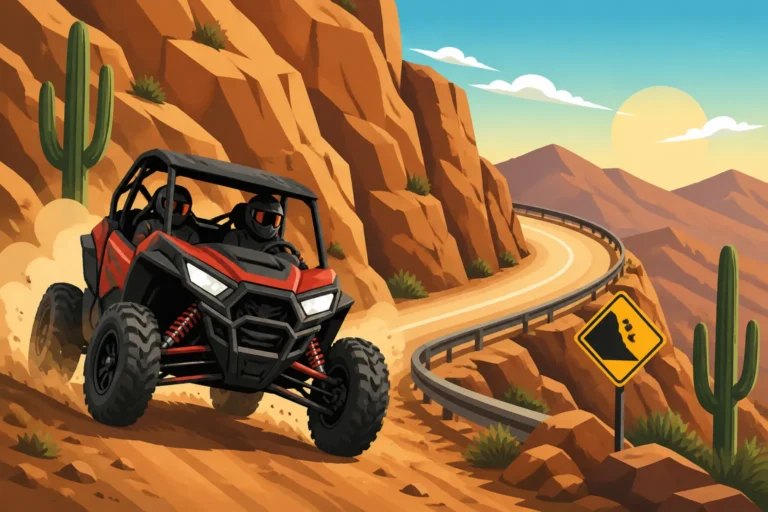
There's nothing quite like the freedom of piloting your ATV or UTV across the vast, open spaces of the Arizona desert. The wind in your face, the dust trailing behind, the incredible vistas—it's an experience many of us live for. But that feeling of wide-open possibility can sometimes lead to an uncharacteristic heavy foot, especially on those seemingly endless dirt roads. Many riders forget that "desert road" doesn't automatically mean "no rules," and finding yourself slapped with a speeding ticket miles from pavement is a rude awakening no one wants. This guide is here to walk you through the realities of speeding fines on Arizona's desert roads, what other penalties might come with it, and how to keep your wallet (and your record) clear so you can truly enjoy those epic rides without the stress.
The Harsh Reality of Speeding Fines on Desert Roads
When you're out there on a county-maintained dirt road, perhaps headed to a favorite staging area or connecting trails, it's easy to assume the speed limit signs you see on paved roads don't apply, or that enforcement is a distant fantasy. Let me tell you, that's a dangerous assumption. Arizona treats speeding on a graded desert road much like speeding on any other road. While the exact fine can vary based on how fast you were going over the limit and the specific jurisdiction (county sheriff, state DPS, or even local municipal police if you're close to a town's boundaries), the impact is real and can hit your pocket hard.
Think about it: that 45 mph sign on a graded dirt road near Wickenburg or outside Florence isn't just a suggestion. It's a legal limit. Go 10-20 mph over that, and you're looking at a base fine that can quickly escalate with surcharges, court fees, and other administrative costs. It's not uncommon for a "minor" speeding ticket to creep into the hundreds of dollars, especially after all those add-ons. And unlike a friendly warning from a rancher, these tickets carry demerit points that can impact your driving record, potentially leading to higher insurance premiums for all your vehicles, not just your OHV.
I know, it sounds a little buzzkill, doesn't it? We escape to the desert to get away from "the man," only to find "the man" has a radar gun in the middle of nowhere. But those limits are there for reasons, whether it's dust control for nearby homes, safety for other recreational users, or simply maintaining the road structure. Even if you've kitted out your machine with top-notch SuperATV suspension and a powerful engine, those limits still apply to you just like they would to a pickup truck. Ignoring them can turn a fantastic day in the saddle into a costly headache.
Beyond the Speeding Ticket: Related Offenses and Their Costs
It's rare that an officer pulls you over just for speeding on a desert road and doesn't also check for other compliance issues. A speeding ticket can often open the door to a whole host of additional citations if your machine or your riding isn't completely up to snuff. These related offenses can quickly double or triple the financial sting of your initial speeding violation, making that "cheap thrill" incredibly expensive.
One common issue is the OHV decal. If you're caught speeding, an officer will definitely check for a valid and properly affixed [Arizona's Annual OHV Decal Explained]. Riding an undecaled machine on public land, even a county road, is a separate offense with its own set of fines. Or perhaps your street-legal UTV is missing a required piece of safety equipment, like mirrors or a horn. Suddenly, that single speeding ticket turns into a stack of violations, each adding to your total cost. Even if your machine is technically street legal, make sure all those required items like [Arizona's 500 Foot Headlight Rule] or [Mirror Placement on a Street-Legal UTV] are present and functional.
Another area that often gets overlooked, especially by those enjoying an adult beverage around camp before heading out, is operating under the influence. An officer stopping you for speeding might also assess your sobriety. Arizona has strict [Arizona Alcohol Limits for OHV Operators], and a DUI on an OHV carries severe penalties, including hefty fines, possible jail time, and suspension of your driver's license. Even if you're "just riding back to camp," if you've been drinking, those desert roads are not exempt from DUI laws. It’s a very real danger, both legally and physically.
| Offense Category | Common Issues | Potential Consequences |
|---|---|---|
| Speeding | Exceeding posted limit, reckless speed | Fines, demerit points, increased insurance premiums |
| OHV Compliance | Missing or expired OHV decal, no [Arizona Certificate of Title for an Off-Highway Vehicle] or registration | Fines, impoundment of machine, required purchase of decal |
| Street-Legal Compliance | Missing lights, horn, mirrors, seatbelts, etc. | Fines, warnings, orders to fix before further operation |
| Impaired Operation | DUI/DWI on an OHV, open container violations | Hefty fines, license suspension, possible jail time, mandatory classes |
| Safety Violations | No helmet (under 18), child passenger violations | Fines, mandatory safety courses |
| Environmental/Land Use | Trespassing, riding off designated trails | Fines, restitution, potential impoundment, loss of access |
Enforcement and Consequences: Who's Watching and What Happens Next
It's a common misconception that because you're "out in the middle of nowhere," enforcement is lax. That couldn't be further from the truth in many parts of Arizona. State Parks Rangers, Forest Service Law Enforcement Officers, Bureau of Land Management (BLM) Rangers, and County Sheriff's Deputies are all authorized to patrol and enforce traffic and OHV laws on the vast network of desert roads and trails. They're often on patrol in marked OHVs, pickups, or even unmarked vehicles, and they know the common routes riders take.
When an officer pulls you over, they'll typically ask for your driver's license, registration, and proof of insurance if your machine is street-legal. They'll also check for your OHV decal. If you’re a new resident, remember [Arizona Registration Deadline for New Residents] and don't delay. If you're on a multi-day trip, always have your [Keeping the Paperwork on the Machine] readily accessible. They might also ask about your route and destination. Be polite, cooperative, and answer truthfully. Trying to argue your way out of a clear violation rarely works and can sometimes lead to additional charges like "failure to comply" or "disorderly conduct."
The consequences extend beyond just the immediate fine. As mentioned, demerit points from a speeding ticket will go on your Arizona Motor Vehicle Division (MVD) record. Accumulating too many points can lead to a license suspension, which would prevent you from legally driving any vehicle, including your truck and trailer, let alone your OHV on any street-legal sections. Plus, those higher insurance rates can linger for years, making every subsequent premium payment a painful reminder of that one moment of impulsiveness. Sometimes, the cost of fighting an OHV ticket can be more than just paying it outright, but it's essential to understand your options, especially if you believe you were wrongly cited.
Staying Clear: Avoiding Fines and Riding Smart in the Arizona Desert
The best way to deal with speeding fines and related penalties is, quite simply, to avoid them altogether. Riding smart, responsibly, and within the law not only protects your wallet and your driving record but also helps maintain access to our incredible desert riding areas. Remember, one irresponsible rider can sometimes lead to stricter rules for everyone.
First and foremost, know the speed limits. Even on unposted dirt roads, there's usually a default limit (often 25 mph or 15 mph in residential areas). If you see a sign, obey it. Don't assume that because the road is gravel, the posted 45 mph is a suggestion. Use common sense. If dust is bothering other users or homes, slow down. If you're going around a blind corner, ease off the throttle. Upgrading your machine with SuperATV accessories is great for performance and durability, but it doesn't exempt you from the rules of the road.
Secondly, ensure your machine is fully compliant. Before every ride, do a quick check. Is your OHV decal current and properly displayed? If your machine is street legal, are all the required components like headlights, taillights, horn, and mirrors in working order? Do you have your registration and proof of insurance with you? This includes knowing [What Arizona Requires on a Street-Legal Machine]. These simple checks can save you from additional citations if you do get pulled over for something else.
Finally, ride sober and responsibly. Alcohol and OHVs don't mix. Period. If you're going to enjoy a drink at camp, park the machine for the night. Think about other riders, hikers, and residents. Maintain a safe distance from other vehicles, especially when passing on dusty roads. Be respectful of private property and designated wilderness areas. By riding with respect for the land, the rules, and fellow enthusiasts, you ensure that the Arizona desert remains a playground for all of us, free from unnecessary fines and frustrations. Planning your ride carefully, knowing [Which Arizona Roads Are Open to OHVs], and practicing good trail etiquette are key to an enjoyable and lawful experience.
Disclaimer
This article is for general informational purposes only and does not constitute professional advice. Laws, prices and regulations vary by location and change over time. Consult a qualified professional for guidance on your specific situation.