What an Arizona Bill of Sale Should Carry
Buying or selling a used ATV or UTV in Arizona can feel like navigating a maze of paperwork, especially when you’re trying to make sure everything is legal and above board. One of the biggest headaches, and often the most overlooked, is getting the bill of sale right. Many folks think a quick scribble on a napkin is enough, only to find themselves in a bind later when they can't get the machine titled or registered, or worse, facing legal questions about ownership. This guide is here to walk you through exactly what an Arizona bill of sale for an off-highway vehicle (OHV) should include, ensuring a smooth transaction for both parties and preventing those frustrating, unexpected roadblocks down the trail.
Why a Proper Bill of Sale Matters So Much in Arizona
It's easy to dismiss a bill of sale as just another piece of paper, especially when you're excited about a new machine or eager to sell one quickly. But in Arizona, for any kind of off-highway vehicle, from your nimble ATV to your beastly UTV, this document is far more than a simple receipt. It's a critical legal record, proving the transfer of ownership, defining the terms of the sale, and laying the groundwork for all subsequent official actions. Without a robust and accurate bill of sale, you could find yourself in a really sticky situation, whether you're the buyer trying to register your new ride or the seller needing proof you no longer own it.
Protecting Both Buyer and Seller
Let's be honest, private party sales can feel a bit like the Wild West sometimes. As a buyer, you're handing over hard-earned cash, and you need ironclad proof that you now own that machine, free and clear. A detailed bill of sale protects you from claims of previous ownership, ensures you know exactly what you're buying, and provides recourse if the seller misrepresents the vehicle. Imagine buying a quad, only to have the previous owner claim you never paid them. Without a proper bill of sale, how do you prove otherwise? On the flip side, as a seller, it's your definitive record that you've released the vehicle and its associated liabilities. If that machine is later involved in an accident or found on private land where it shouldn't be, a clear bill of sale proves you were no longer the owner at the time. This document is truly your best friend in a private sale, offering peace of mind to everyone involved.
The Foundation for Arizona Titling and Registration
In Arizona, getting your OHV properly titled and registered through the Motor Vehicle Division (MVD) or an authorized third-party provider isn't just a suggestion; it's a legal requirement if you plan to ride on state land or designated trails. And guess what one of the very first things they'll ask for is? You guessed it – proof of ownership, which primarily comes in the form of a clear title and a well-executed bill of sale. Without a complete and accurate bill of sale, you can hit an immediate wall. The MVD needs to see a clear chain of ownership, and if your bill of sale is missing critical information, is incomplete, or looks questionable, they can, and often will, refuse to process your application. This means no [Arizona's Annual OHV Decal Explained], no fun on the trails, and a whole lot of frustration trying to track down a seller who might have already moved on. This document is truly the bedrock upon which your entire legal riding experience in Arizona is built.
Avoiding Future Headaches and Legal Woes
Beyond the immediate needs of titling and registration, a solid bill of sale prevents a multitude of future problems. Think about potential disputes: What if the machine breaks down a week after you buy it, and you believe the seller misrepresented its condition? What if the seller suddenly claims they never received full payment? Or, what if the vehicle turns out to have been stolen, and you need to prove you purchased it in good faith? Each of these scenarios can spiral into costly legal battles, wasted time, and immense stress. A comprehensive bill of sale, detailing all aspects of the transaction, acts as your primary evidence, clarifying the agreement between buyer and seller. It's also vital for calculating [Arizona Sales Tax on a Machine Purchase] correctly, ensuring you pay what's owed and avoid any surprises from the state later on. Investing a little time upfront to get this document right can save you untold hours of frustration and potentially thousands of dollars in legal fees down the line.
Essential Information Every Arizona OHV Bill of Sale Needs
When you're putting together or reviewing an Arizona OHV bill of sale, think of it as compiling a complete story of the transaction. Every piece of information is a vital detail, ensuring clarity, legality, and protection. Don't skimp on the specifics; a vague bill of sale is almost as bad as no bill of sale at all. We're aiming for a document that leaves no room for doubt about what was sold, to whom, for how much, and when.
Identifying the ATV or UTV Clearly
This might sound obvious, but you'd be surprised how often people just write "1 Polaris RZR" and call it a day. That's simply not enough. You need to identify the specific machine being sold with absolute certainty. Here's what absolutely must be included:
- Year, Make, and Model: Be precise. Is it a 2018 Can-Am Maverick X3 X RS Turbo R? Or a 2010 Honda Rancher 420? Every detail matters.
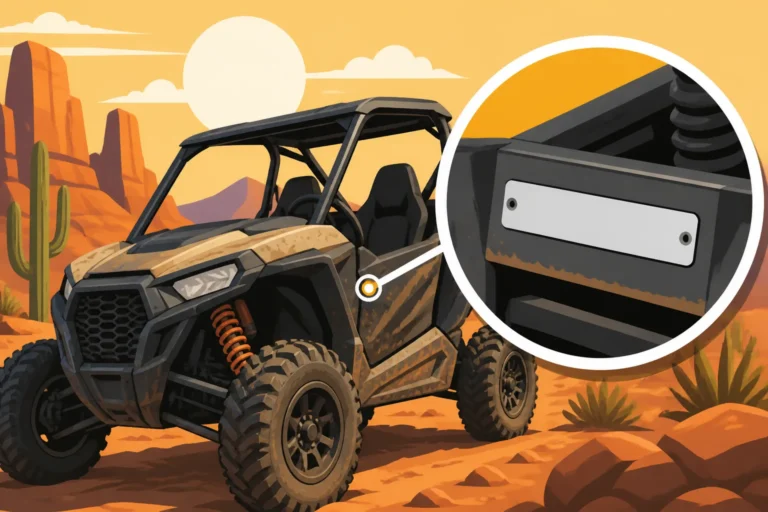
- Vehicle Identification Number (VIN): This is the single most important identifier for any vehicle, including your OHV. The VIN is a unique 17-character code stamped directly onto the machine's frame, usually near the front suspension, under the seat, or on a crossmember. Double-check this number against the vehicle itself and any existing title or registration documents. A VIN typo on the bill of sale can render it useless for titling purposes, forcing you to go back to the seller for corrections, which can be a real pain if they're hard to reach. This is critical for [Checking a Serial Number Before Handing Over Cash].
- Odometer/Hour Meter Reading: While not always required for titling, it's a very good idea to include the current reading if the machine has one. This provides a snapshot of the machine's usage at the time of sale and can be important if there's ever a dispute about the machine's condition or wear and tear.
- Color: A small detail, but it helps further distinguish the machine. "Red" or "Camo Green" adds another layer of identification.
Accurate identification prevents confusion, ensures you're buying (or selling) the exact machine intended, and streamlines the process when you go to get [Getting an Arizona Certificate of Title for a Quad].
Comprehensive Buyer and Seller Details
Just as you need to clearly identify the machine, you also need to clearly identify the parties involved in the transaction. This is crucial for establishing who owned the OHV before, and who owns it now. Again, don't just use first names or nicknames; use full legal names as they appear on official identification documents.
- Full Legal Names: For both the buyer(s) and seller(s), use their complete names. If the machine is being sold by a business or registered under an LLC, use the full legal business name.
- Current Physical Addresses: Include the complete street address, city, state, and ZIP code for both parties. A PO Box isn't usually sufficient for official documents like this.
- Contact Information: While not strictly required by the MVD, including phone numbers and email addresses is highly recommended. This provides a way for either party to contact the other if there are any questions or issues that arise after the sale, such as needing a clarification on the bill of sale itself or tracking down a missing title document.
- Signatures: Both the buyer(s) and seller(s) must sign the bill of sale. Their signatures are their legal acknowledgment and agreement to the terms of the sale. Without signatures, the document holds no legal weight.
This complete personal information solidifies the transfer of ownership from a legal standpoint, making it crystal clear who is responsible for the machine at the moment of sale.
The Purchase Price and Payment Terms
Money changes hands, and that's a pretty big deal! This section of the bill of sale confirms the financial aspect of the transaction and is incredibly important for various reasons, including tax calculations and resolving payment disputes.
- Total Purchase Price: Clearly state the agreed-upon price for the OHV. Write it out in both numerical form (e.g., $7,500.00) and in words (e.g., Seven Thousand Five Hundred Dollars and Zero Cents). This dual entry helps prevent any misinterpretation or alteration of the price.
- Date of Sale: This is critical! The date of the transaction determines when ownership officially transferred, which is vital for calculating [Arizona Sales Tax on a Machine Purchase] and establishing liability.
- Method of Payment: Briefly state how the payment was made. Was it cash? A cashier's check? A personal check? A bank transfer? While you don't need to include bank account numbers, indicating the method provides an extra layer of financial transparency and can be useful for your personal records.
- Any Deposits or Partial Payments: If a deposit was made, or if the sale involves installments (though less common for private OHV sales), clearly detail the amounts, dates, and how they contribute to the total purchase price. This protects both parties from disagreements about what has and hasn't been paid.
- Statement of Full Payment Received: Ideally, the bill of sale should include a line where the seller confirms they have received full payment for the OHV. This acts as a receipt and releases the buyer from any further financial obligation related to the purchase.
Getting these financial details absolutely correct ensures there's no ambiguity about the cost, payment status, and official date of the transaction. This becomes especially important if you're trying to prove [Proof of Ownership for an Arizona Title] down the road.
Specific Clauses and Details to Consider Including
Beyond the bare essentials, there are additional clauses and statements that can significantly strengthen your Arizona OHV bill of sale. These aren't always legally mandated for basic titling, but they offer crucial layers of protection and clarity, helping to prevent misunderstandings or disputes after the sale. Think of these as adding extra armor to your legal document, especially when you're dealing with a used machine where its history and condition might not be perfectly known.
Statement of "As-Is" Condition
When you buy a used OHV from a private seller, it's almost always an "as-is" sale. This means you're buying the machine in its current condition, with all its existing faults, whether visible or hidden, and the seller isn't offering any warranty or guarantee after the sale. It's a fundamental protection for the seller, and something buyers need to be aware of.
A clear "as-is" statement on the bill of sale ensures that there are no expectations of post-sale repairs or refunds from the seller. A typical clause might read: "The buyer acknowledges that the off-highway vehicle is sold 'as-is' and 'where-is,' with no warranties, express or implied, including any warranty of merchantability or fitness for a particular purpose." This helps manage expectations and prevent the buyer from coming back later, claiming the machine was misrepresented when it breaks down shortly after purchase. As a buyer, this means you need to do your due diligence before you hand over the cash, thoroughly inspecting the machine and even considering a professional pre-purchase inspection. For more on preparing for a purchase, you might find [Buying a Used Side-by-Side in Arizona: The Paperwork] helpful.
Disclosure of Known Defects or Issues
While an "as-is" clause protects the seller from implied warranties, it doesn't always protect them from claims of outright fraud or intentional misrepresentation. If the seller knows about a significant defect or issue with the OHV, it's always best practice – and often legally safer – to disclose it in writing on the bill of sale. This creates transparency and shows good faith.
For example, if the machine has a known issue with the transmission, a crack in the frame, or an electrical problem, it's wise to list these. A simple statement like, "Seller discloses that the transmission occasionally slips in reverse," or "Buyer acknowledges seller disclosed a minor oil leak from the front differential," can save both parties a lot of grief. While this might seem counter-intuitive to a seller wanting to offload a machine, full transparency protects you from claims that you intentionally hid a defect. It also allows the buyer to make a fully informed decision, factoring these known issues into the purchase price. This is particularly important for buyers who are considering a machine that might eventually need a [Bonded Title for a Quad in Arizona] due to unclear history or issues.
Odometer Reading and Its Importance
For many OHVs, especially older ATVs, an odometer or hour meter might not even exist, or if it does, it might not be a reliable indicator of actual usage. However, for newer UTVs, an odometer or hour meter is common, and its reading can significantly impact the perceived value and condition of the machine.
If an odometer or hour meter is present, you should record the reading on the bill of sale. More importantly, the bill of sale should include a statement regarding the accuracy of that reading. For example: "Odometer/Hour Meter Reading: [Current Reading] miles/hours. Seller certifies that to the best of their knowledge, the odometer/hour meter reading reflects the actual mileage/hours of the vehicle, OR Seller states that the odometer/hour meter reading is NOT the actual mileage/hours." This helps to address potential concerns about "rollback" or inaccurate readings, which can be a serious issue in vehicle sales. Even if it's just an "hour meter" for an ATV, noting its reading provides valuable context. This detail is often overlooked but can be a small but significant piece of evidence if questions arise about the machine's history or [Arizona Records and a Machine's Ownership History].
Acknowledgment of Sale and Transfer of Ownership
This clause ties everything together, clearly stating that the transaction has occurred and ownership has officially changed hands. It's the grand finale of the bill of sale, leaving no room for doubt.
This statement should explicitly declare that for the consideration (the purchase price) paid, the seller is conveying all rights, title, and interest in the described OHV to the buyer. It solidifies the legal transfer. For example: "Seller hereby sells, transfers, and conveys all right, title, and interest in the above-described off-highway vehicle to Buyer." This is crucial for the buyer when they proceed with [Registering an OHV in Arizona] and obtaining an [Arizona Certificate of Title for an Off-Highway Vehicle]. It ensures that the MVD sees a clear and unambiguous transfer of property, which is exactly what they need to update their records and issue a new title in the buyer's name.
How to Create a Legally Sound Arizona OHV Bill of Sale
Okay, so you understand why you need a good bill of sale and what information should be in it. Now, let's talk about the how. Creating a legally sound document doesn't have to be intimidating. While you certainly could just write it out by hand, there are much better, more reliable ways to ensure all the necessary bases are covered, especially when it comes to legal language and proper formatting.
Using Templates and Online Resources
One of the easiest and most effective ways to create a comprehensive bill of sale is to use a pre-made template. These templates are designed by legal professionals to include all the standard clauses and fields required for a valid vehicle sale, often with specific versions tailored to different states. This takes the guesswork out of it and significantly reduces the risk of forgetting something crucial.
Many online legal document services offer bill of sale templates specifically for motor vehicles or OHVs. For example, services like LawDepot provide customizable bill of sale templates that you can fill in with your specific details. These platforms guide you through the process, prompting you for all the necessary information, which is a huge help for first-time buyers or sellers. They also often include options for witness signatures or notarization, which we'll discuss next. Using a template ensures that the language is legally appropriate and that you're not inadvertently omitting a required element that could cause issues when you try to get [Getting an Arizona Certificate of Title for a Quad] at the MVD. Even a simple search online for "Arizona OHV bill of sale template" will yield numerous results, but stick to reputable sources to ensure accuracy.
Witness Signatures and Notarization When Recommended
While Arizona MVD may not always require a bill of sale to be notarized for a simple title transfer, adding a witness signature or having the document notarized can provide an extra layer of protection and verification. Think of it as reinforcing the document's authenticity.
- Witness Signatures: Having one or two impartial adults witness both the buyer's and seller's signatures on the bill of sale can be very beneficial. These witnesses should also print their names and provide their contact information. Their presence adds credibility, as they can attest that both parties willingly signed the document on the specified date. This can be invaluable if there's ever a dispute about the authenticity of signatures or the circumstances of the sale.
- Notarization: A notary public is a public official who verifies the identity of the signers and witnesses the signing of documents. When a bill of sale is notarized, the notary places their official stamp and signature on the document, certifying that the signatures are legitimate. This is the highest level of authenticity for a document and makes it much harder for someone to later claim they didn't sign it. While it might cost a small fee and require a trip to a bank or a notary service, it’s a wise investment, especially for higher-value machines or if you have any doubts about the other party. While not always mandatory for [Arizona MVD OHV Registration Explained], it certainly can't hurt and offers significant peace of mind.
What to Do If the Seller Doesn't Have a Title
This is a scenario that sends shivers down many buyers' spines: you find the perfect machine, but the seller admits they don't have the title. This is a huge red flag, but it's not always a deal-breaker, though it certainly complicates things. A robust bill of sale becomes even more critical in this situation.
If a seller claims they never received a title, lost it, or never transferred it into their name, your bill of sale must be impeccably detailed. It should clearly state that no title was provided by the seller at the time of sale. As the buyer, you'll need this comprehensive bill of sale, along with potentially other forms of [Proof of Ownership for an Arizona Title], to apply for a new title in your name. In some cases, you might even need to pursue a [Bonded Title for a Quad in Arizona] or try to get [Titling an Arizona Quad With No Ownership History]. The MVD will scrutinize these applications very carefully, so the more detail and legal strength your bill of sale has, the better your chances of a successful title application. LawDepot and similar services can often provide templates that explicitly address sales without a title, guiding you on the specific language needed to protect yourself. Never buy an OHV without a title and a comprehensive bill of sale; that's just asking for trouble!
Common Pitfalls and How to Avoid Them
Even with the best intentions, it's easy to make mistakes when drafting or signing a bill of sale. These mistakes, however minor they might seem at the time, can lead to significant problems down the road, from delays in getting your OHV registered to outright legal disputes. Being aware of these common pitfalls is the first step in avoiding them and ensuring a smooth, headache-free transaction.
Incomplete or Vague Information
This is perhaps the most frequent issue. People rush, they're excited, and they gloss over details.
- Missing VIN: Failing to include the full, correct Vehicle Identification Number (VIN) is a critical error. The VIN is the primary identifier for the machine. If it's incorrect or absent, the MVD may refuse to title or register the OHV because they can't definitively link the document to the physical machine. Always double-check the VIN on the bill of sale against the actual machine and any existing title.
- Vague Descriptions: Simply writing "ATV" or "Side-by-Side" isn't enough. You need the year, make, and model. Imagine trying to identify a specific "blue truck" out of thousands. The more specific you are, the less chance for confusion.
- Incomplete Personal Details: Omitting full legal names, addresses, or failing to differentiate between multiple buyers or sellers can cause issues. If the machine is jointly owned or purchased, ensure all parties are clearly listed and sign the document.
- Unclear Purchase Price: An ambiguous price (e.g., "$7K" instead of "$7,000.00") or missing payment terms can lead to disputes about how much was paid or if full payment was received. Always write out the price in both numbers and words.
The frustration of being turned away at the MVD because of a missing character in a VIN or a vague description is real. Take the extra five minutes to make sure every blank is filled clearly and accurately.
Unsigned or Unwitnessed Documents
A bill of sale, regardless of how perfectly drafted, is just a piece of paper without the proper signatures.
- Missing Signatures: Both the buyer and the seller must sign the bill of sale. Without both signatures, the document isn't a legally binding agreement between the parties and cannot prove the transfer of ownership. This is a common problem for buyers who try to get [Titling a Machine the Seller Never Signed For]. Always confirm that both parties have signed before concluding the sale.
- Lack of Witness or Notarization (When Advisable): While not always a legal requirement for MVD purposes, if you skip having a witness or notary where it would have been highly advisable (e.g., a high-value machine, a sale without a title, or if you have any reservations about the other party), you're foregoing an important layer of protection. This can leave you vulnerable if a dispute arises later regarding the legitimacy of the signatures or the terms of the sale.
Think of signatures as the seal of approval. Without them, the document holds no official weight. Don't be tempted to leave this crucial step to chance.
Forgetting Copies and Records
Once the sale is done, and the OHV is exchanged, it's easy to shove the paperwork into a drawer and forget about it. This is a mistake. Both the buyer and the seller need to keep thorough records.
- Failure to Make Copies: Always make multiple copies of the signed bill of sale. Both the buyer and the seller should walk away with at least one original signed copy each. For the buyer, this is their proof of ownership for titling and registration. For the seller, it's their proof they no longer own the machine, releasing them from future liability. Digital copies (scans or photos) are also a good idea as a backup, but always strive for a physical original.
- Not Keeping Related Documents: Don't just keep the bill of sale; keep all related documents. This includes the signed-over title (if applicable), any payment receipts, communications (emails, texts) related to the sale, and even advertisements. This comprehensive collection of paperwork can be invaluable if you ever need to demonstrate a clear chain of ownership or defend yourself in a dispute. This is especially true if you are selling a machine with [Selling a Quad in Arizona With No Title] and need to prove the transaction.
- Disposing of Records Too Soon: Don't shred or discard your records as soon as the title is transferred. Keep these documents for several years. You never know when you might need them, whether it's for tax purposes, legal questions, or even just remembering details for a future sale.
A well-organized paper trail is your best defense against future complications. Don't underestimate the power of good record-keeping.
| Essential Bill of Sale Item | Why It's Crucial | Common Pitfall & How to Avoid |
|---|---|---|
| OHV Identification | Links the document to the specific machine. | Missing or incorrect VIN. Always double-check VIN & model. |
| Buyer/Seller Details | Establishes legal parties involved. | Incomplete names/addresses. Use full legal names & contact info. |
| Purchase Price & Date | Records financial transaction & transfer date. | Vague price or date. Write price in numbers & words; precise date. |
| "As-Is" Statement | Protects seller from post-sale claims (for used machines). | Missing statement. Include clear "as-is" clause. |
| Known Defects Disclosure | Promotes transparency, protects seller from misrepresentation claims. | Hiding issues. Disclose significant known defects in writing. |
| Odometer/Hour Meter | Provides usage snapshot, addresses potential tampering. | Omitting reading or accuracy statement. Record & state accuracy. |
| Transfer of Ownership Statement | Explicitly states legal transfer of property. | Vague wording. Use clear "sells, transfers, conveys" language. |
| Signatures | Makes the document legally binding. | Missing buyer/seller signatures. Verify both parties sign. |
| Witness/Notary | Adds authenticity & extra protection (recommended for high value/no title). | Skipping when advisable. Consider for significant transactions. |
| Copies for Both Parties | Provides proof of ownership/sale for both buyer and seller. | Only one copy. Ensure both parties get an original signed copy. |
Disclaimer
This article is for general informational purposes only and does not constitute professional advice. Laws, prices and regulations vary by location and change over time. Consult a qualified professional for guidance on your specific situation.