Swansea Townsite Ghost Town Ride
A ride to Swansea Townsite can turn into a memorable mix of desert travel and Arizona mining history, but the remote setting makes route planning part of the trip. Dirt roads, changing conditions, limited services, and protected historic remains all deserve attention. This guide covers how to prepare, what to expect at the site, and how to ride responsibly in the surrounding Buckskin Mountains.
Planning an ATV or UTV ride to Swansea Townsite
Understand the setting before choosing a route
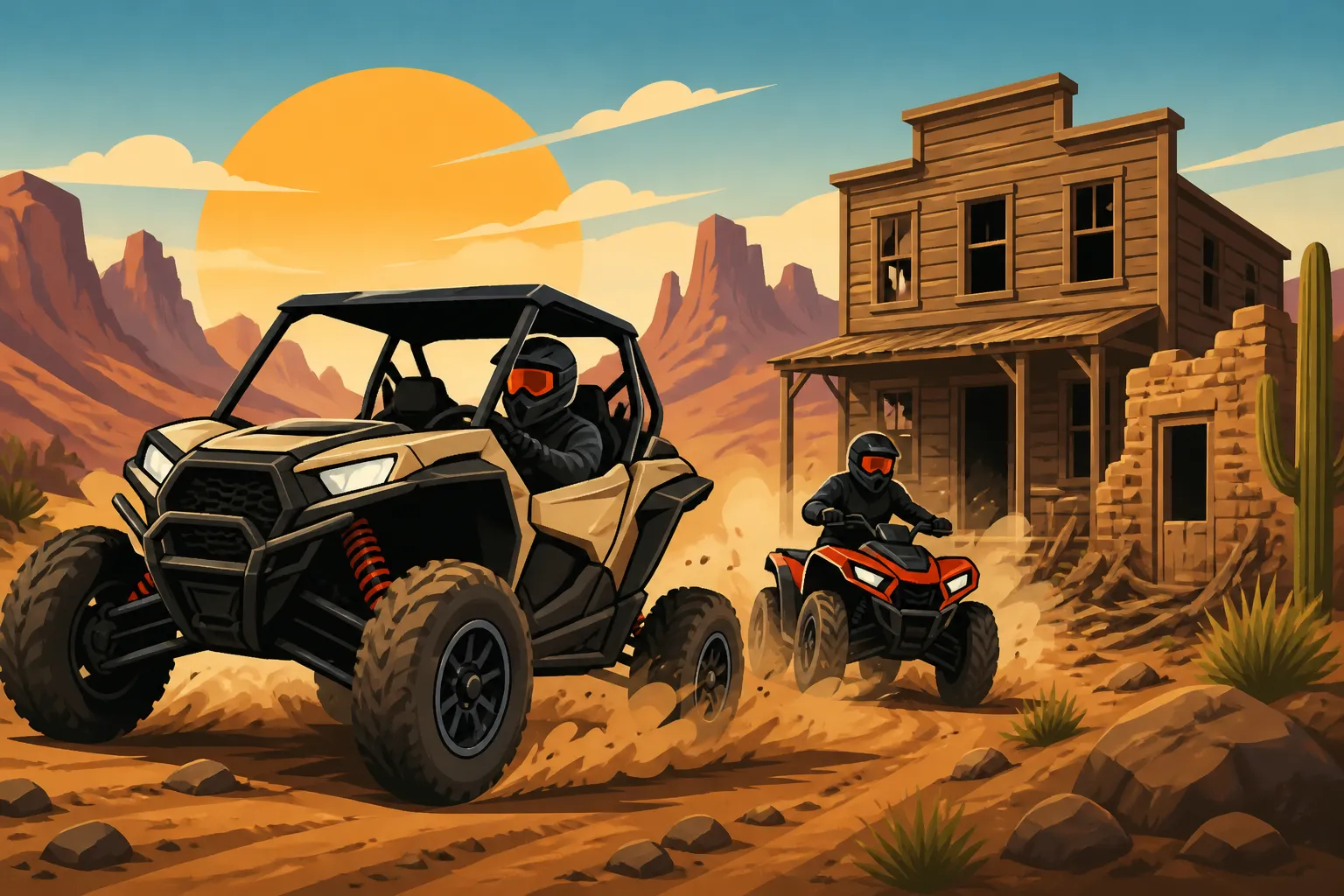
Swansea is a historic mining town in western Arizona’s La Paz County, in the Buckskin Mountains region. The townsite and its remains are the destination; the ride there is through a remote desert landscape where road conditions and access can vary. Don’t assume that a line shown on a recreational map is an open, legal, or suitable route for your machine.
Start with the broad area and your intended approach, then confirm that each road or route is open to motorized travel. The guide to [Swansea Townsite and the Buckskin Mountains] is a useful starting point for understanding the ride area. If you’re comparing routes with other trips nearby, [Buckskin Mountains Trail Network] and [Backway to Oatman Conditions] may also help you think through the region’s terrain and the importance of checking conditions.
Build a route that matches your machine and group, not just the shortest line to the destination. A two-seat ATV, a wide side-by-side, and a lifted full-size UTV may have different clearance and width needs. Confirm road width, surface, gates, and any posted restrictions before you commit to an approach.
Check maps and access rules before leaving
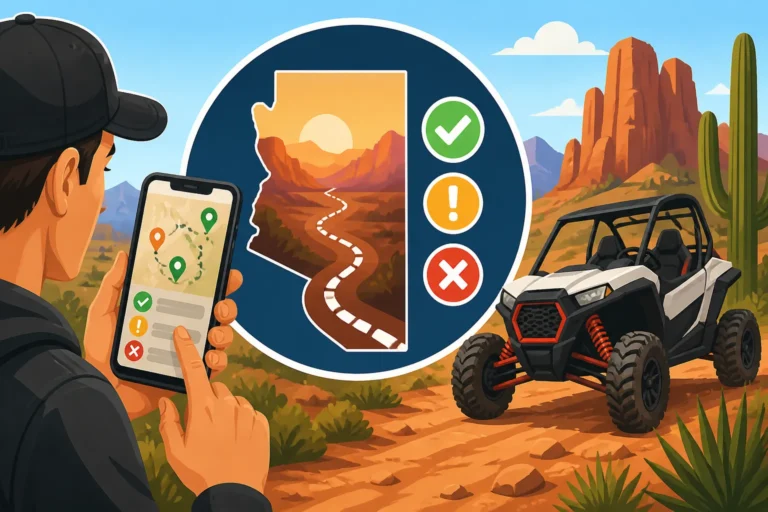
Use an official travel map or land manager information to check motorized access. Maps can show which routes are designated for vehicles and may include seasonal restrictions or closures. A navigation app such as onX Offroad can help you follow a planned route and understand where you are, but an app should not replace official access information. Download what you need before leaving town, since cell reception may be unreliable in remote areas.
For a careful map check, compare sources rather than relying on one screen. [Reading an Arizona Motor Vehicle Use Map] explains how to use a travel map, while [Finding the Right Travel Management Map] can help you identify the map relevant to your route. An app like onX Offroad can be useful for situational awareness, but don’t treat an app’s route line as permission to drive there.
Before setting out, check for temporary road closures, fire restrictions, weather concerns, and land boundaries. If a route appears to cross private, tribal, or restricted land, don’t assume that a public road continues through it. Turn around if access is unclear or a gate is closed. A short detour is better than trespassing or getting stuck beyond a safe turnaround point.
What to expect on the ride
Prepare for remote desert travel
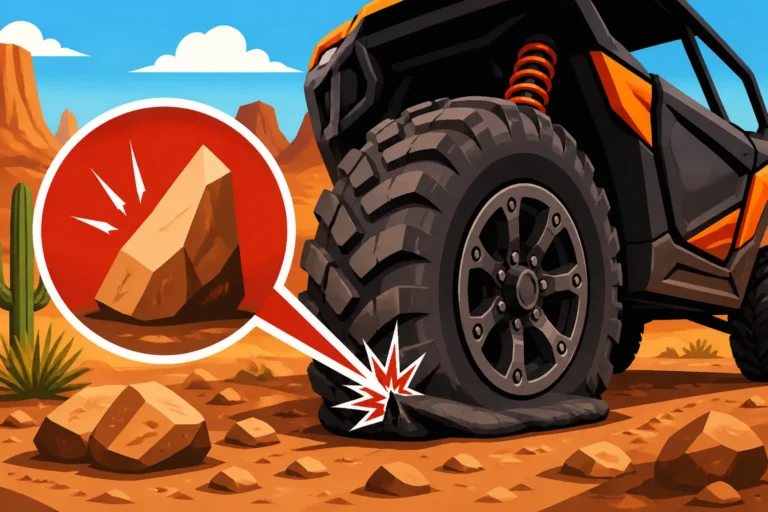
The ride can feel very different from a quick loop near a town or a developed staging area. Services may be far away, the surface may change, and a route that looks straightforward on a map can take longer than expected. Plan for the possibility of a puncture, overheating, a dead battery, or a vehicle that needs recovery.
Carry enough water for every person, plus a reserve. Don’t plan around a single water source or assume you’ll be able to buy supplies near the route. [How Much Water a Desert Ride Needs] offers useful planning context. Bring food, sun protection, a first-aid kit, basic tools, tire-repair supplies, and a way to contact help that does not depend entirely on cell service. [Cell Service in the Arizona Backcountry] is worth reviewing before you rely on a phone for navigation or emergencies.
Let someone who isn’t riding with you know your planned route, who is in your group, and when you expect to check in. Agree on a turnaround time before you start. If the group is moving more slowly than expected or conditions are worse than anticipated, shorten the outing rather than pressing on because the destination is close on the map.
Match the route to your machine and riding group
A route that works for one machine may not suit another. Pay attention to clearance, width, turning room, tires, and the experience level of everyone in the group. If you’re riding a UTV, check that the route is appropriate for its width and that you have room to turn around safely. If the route includes loose rock or deep sand, make sure your group has the skills and recovery equipment to handle those conditions.
Keep a comfortable distance between machines. Desert dust can reduce visibility, and following too closely leaves less time to respond to a sudden stop or obstacle. Choose a pace that allows the least experienced rider to stay in control. Take breaks in safe pullouts rather than stopping in the travel lane or on a blind section of road.
Use onX Offroad, a GPS unit, or an offline map to keep track of your position, but don’t stare at a screen while moving. Have a passenger navigate when possible, or stop in a safe place to check the route. Save a backup map and note key turns before leaving. If the route on your device differs from signs, gates, or official information on the ground, follow the posted access rules.
Visiting the Swansea historic site responsibly
Treat the remains as protected history
The old townsite is the reason many riders make the trip, but it is not an obstacle course. Historic structures and objects can be fragile, even when they look sturdy. Don’t climb on unstable walls, enter unsafe buildings, move artifacts, or take pieces of the site home. Leave the area as you found it so that future visitors can experience the same history.
Keep machines on routes and in areas where motorized access is allowed. Avoid driving across ruins, disturbing archaeological features, or making new tracks to reach a viewpoint. A shortcut that leaves a visible scar can damage the very landscape that makes the trip worthwhile. Pack out trash, including food wrappers and small items that can blow away.
If you’re visiting with children, explain the boundaries before you arrive. Old mining areas can include unstable structures, sharp debris, holes, and other hazards that may not be obvious from a distance. Keep children close and supervise them around any remains. Don’t enter a structure just because someone else has left footprints nearby.
Be considerate of other visitors and the landscape
Swansea is a remote destination, but you may still encounter hikers, other riders, campers, or people exploring the historic area. Slow down near the site, give others room, and keep noise reasonable. Avoid spinning tires, revving engines near visitors, or gathering in a way that blocks access.
Desert ground can be easily damaged, especially when riders leave established routes. Stay on designated roads and trails rather than widening a path around a rut or creating a new line. If you encounter a closed gate or a sign restricting access, respect it. Don’t assume a route is open simply because another vehicle has used it.
For a broader look at the care needed around historic destinations, [Arizona Ghost Towns You Can Ride To] offers useful context. If Swansea is part of a longer western Arizona trip, [Standard Wash Near Lake Havasu City] may help you compare another riding area, but check access and conditions separately rather than assuming the same rules apply.
A practical pre-ride checklist
Confirm the details that can change your day
Before leaving, check the route, weather, vehicle, and group. A simple checklist helps prevent the common problem of reaching a remote turnoff and discovering that a key detail was never confirmed.
| Before you go | What to check |
|---|---|
| Route access | Verify that roads are open to motorized travel and suitable for your machine |
| Navigation | Download maps and save a backup; don’t rely only on cell service |
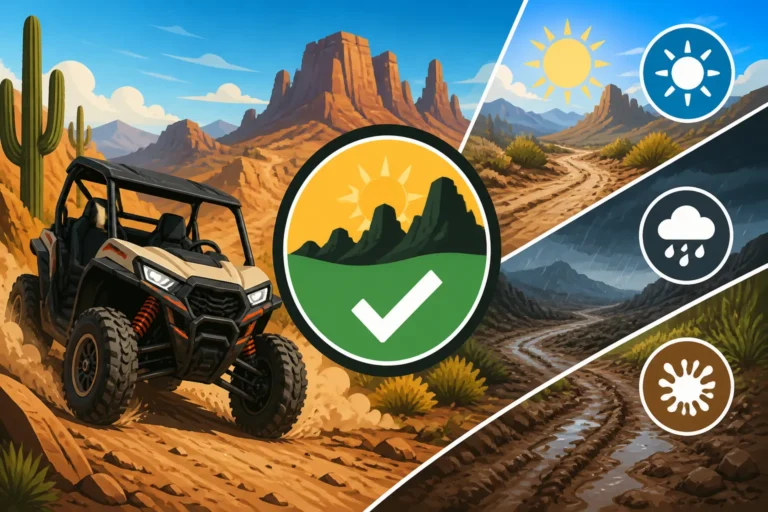
| Weather | Check for heat, storms, wind, and conditions that could affect dirt roads or washes |
| Machine | Inspect tires, brakes, fluids, lights, fuel, and recovery points |
| Supplies | Pack water, food, first aid, sun protection, tools, and tire-repair gear |
| Group plan | Share the route, set a turnaround time, and agree on a check-in plan |
| Historic site | Stay out of unstable structures and leave artifacts where they are |
Be especially cautious when rain is possible. A dry wash can change quickly, and a road that was passable earlier may become difficult or unsafe. Don’t enter flowing water or a flooded wash. If there’s doubt about a crossing, stop and choose a safer option.
Make the ride enjoyable by leaving room in the plan
A Swansea ride is more rewarding when you aren’t racing the clock. Allow time for navigation pauses, breaks, and a respectful visit to the historic site. If the route takes longer than expected, turn around while you still have plenty of daylight and supplies. The goal is not just to reach Swansea; it’s to make the entire outing manageable for everyone in the group.
If it’s your first trip to the area, consider riding with someone familiar with remote desert travel or choosing a conservative route and keeping the day simple. You can always explore more on a later visit. Good preparation, thoughtful navigation, and respect for the site make this a far better ride than trying to squeeze in every possible side road.
Disclaimer
This article is for general informational purposes only and does not constitute professional advice. Laws, prices and regulations vary by location and change over time. Consult a qualified professional for guidance on your specific situation.