Staying in Flagstaff for Cinder Hills
Staying in Flagstaff puts you within reach of Cinder Hills, but a successful riding day takes more than booking a room and pointing your truck toward the trailhead. You’ll need to plan for changing mountain weather, volcanic terrain, trail access, and the practicalities of hauling a machine. This guide helps you choose a base, prepare for the ride, and avoid common trip-planning surprises.
Why Flagstaff Works as a Base for Cinder Hills
The location makes it possible to combine town comforts with a riding day
Flagstaff is a practical place to stay when Cinder Hills is on your itinerary because you can return to a full-service town after a day on the machine. You’ll find places to eat, fuel stops, grocery stores, lodging, and vehicle services in town—useful comforts if you’re traveling with a trailer or a group that doesn’t want to camp.
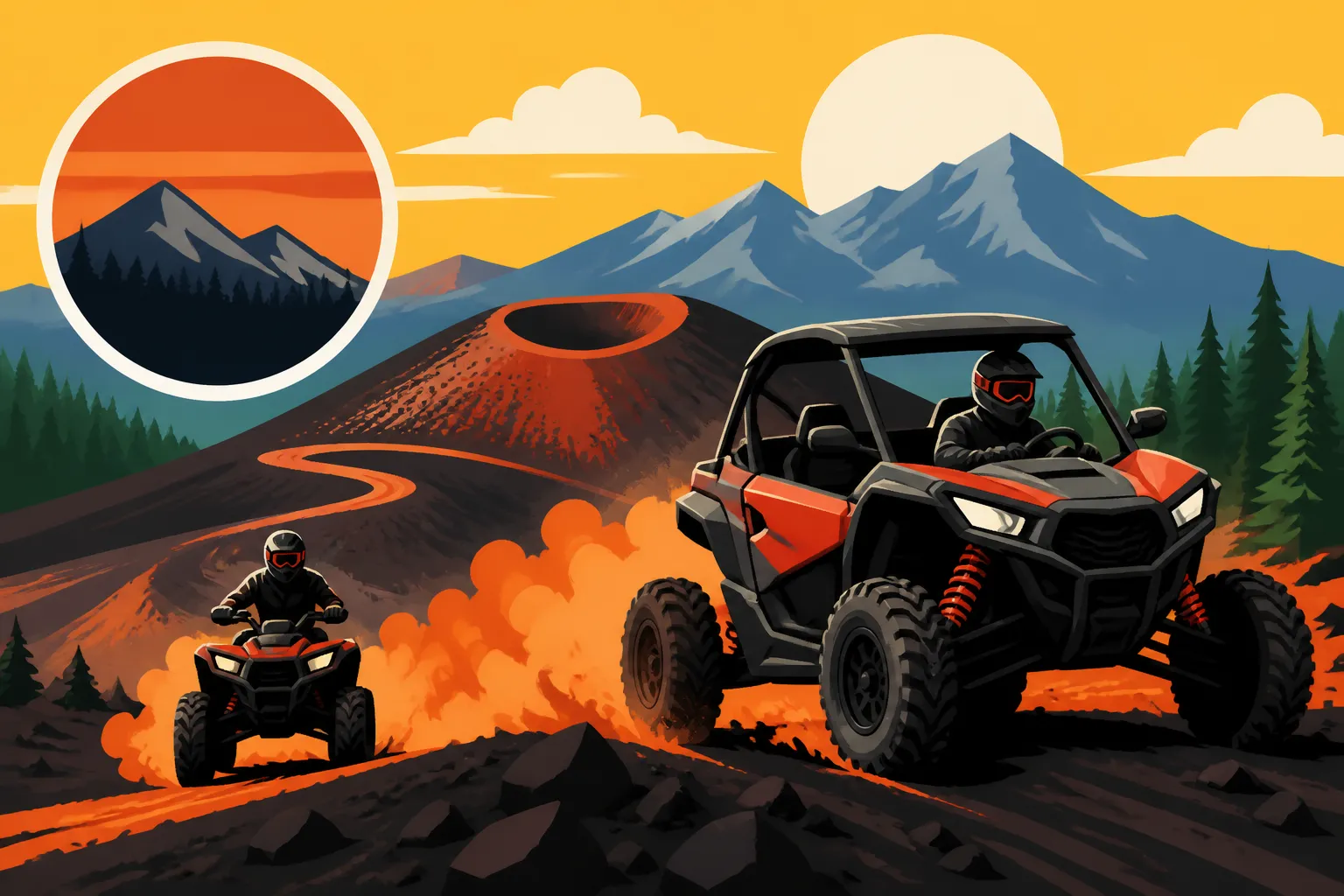
Cinder Hills is in the volcanic landscape northeast of Flagstaff, near Sunset Crater Volcano National Monument. Riders commonly plan access around Forest Road 776, but road conditions, signs, and access details can change. Check current maps and local land-management notices before you leave town, rather than assuming an old route description still applies.
Flagstaff is also a good base if not everyone in your group wants to ride. Someone can spend the day in town or visit nearby attractions while the riding group heads out. If you’re planning a broader trip, compare Cinder Hills with other northern Arizona options in Cinder Hills and Its 13,500 Acres and Arizona Trails Rated for Full-Size Rigs. The right choice depends on your vehicle, riding experience, and what kind of terrain your group enjoys.
Flagstaff’s elevation affects comfort and vehicle planning
Flagstaff sits at high elevation, and the Cinder Hills area is also much higher than Arizona’s low desert. If you’re arriving from Phoenix, Yuma, or another low-elevation area, the cooler air may feel welcome—but don’t mistake that for a guarantee of mild weather. Wind, cloud cover, and the time of year can make a ride feel colder than expected, especially when you’re moving at speed.
Altitude can affect people differently. You might feel winded sooner while unloading machines or walking across loose ground, even if you’re generally active. Give yourself time to acclimate, drink water regularly, and avoid trying to squeeze a long, demanding ride into the first few hours after arriving from a much lower elevation.
The elevation also matters when you’re packing. A sunny afternoon in town can give way to chilly conditions on an exposed ride, and a morning start may feel especially cold. Bring layers you can adjust, gloves suited to the forecast, and enough water for the entire group. For seasonal context, Riding Arizona High Country in Summer and Arizona’s Best Riding Months can help you think beyond the heat patterns familiar from the Phoenix area.
Planning the Ride From Your Flagstaff Stay
Confirm access and trail information before you head out
Before loading up, identify your intended access route and confirm that it is open to your vehicle. Use a current motor vehicle use map and check for road closures, seasonal restrictions, fire-related limits, or other notices from the land manager. A route shown in an older blog post or saved navigation app may not reflect current conditions.
This is especially important around a popular riding area where roads and riding routes can be easy to confuse. A road that gets you near the area is not necessarily an authorized route for every type of vehicle, and a line on a general-purpose map does not automatically mean motorized travel is allowed. Review Finding the Right Travel Management Map and Checking Arizona Trail Status Before You Drive as part of your trip planning.
Offline navigation is worth setting up before you leave Flagstaff. Cell service can be unreliable once you’re away from town, so download maps or save the information you need in advance. Some riders use onX Offroad to study route options and keep map information available offline; it’s still wise to compare app information with official land-manager maps and notices. Don’t rely on a phone connection as your only way to navigate.
Match the machine and route to the terrain
Cinder Hills is known for volcanic cinders and loose, sandy-feeling surfaces. Conditions can vary across the riding area, so don’t assume every route will feel the same or suit every machine. A rider who is comfortable on packed forest roads may find loose material less predictable, particularly when turning, climbing, or following another vehicle through dust.
Talk through the plan before the group starts. Decide who will lead, who will ride at the back, and where you’ll regroup if visibility drops or someone needs help. Leave space between machines so the rider behind can see and avoid the thickest dust. If someone in the group is new to off-road riding, build in time to practice handling and stopping before venturing farther from the staging area.
Use a route that suits the least experienced rider and the least capable machine in the group, not just the most confident driver. If you’re riding a wider side-by-side, verify that the intended routes are appropriate for its width and that the machine is permitted where you plan to go. Arizona Trails That Suit a 50-Inch Machine and Arizona’s Cinder Hills OHV Area are useful starting points for thinking about vehicle fit and local terrain.
| Planning question | What to check before leaving Flagstaff |
|---|---|
| Is the access road open? | Review current forest notices, road conditions, and closures |
| Is the route authorized? | Use the applicable travel map rather than relying on a general navigation line |
| Is the machine suited to the ride? | Consider route width, loose cinders, experience, and vehicle capability |
| Will navigation work without service? | Download maps and carry a backup way to navigate |
| Does everyone have the required paperwork? | Check the rules that apply to your machine and riding status |
| Is the group prepared for changing conditions? | Pack water, layers, basic tools, and a plan for regrouping |
Lodging, Loading, and Everyday Logistics
Pick lodging that fits your machine and trailer
When choosing a Flagstaff stay, look beyond the room itself. If you’re bringing an ATV or UTV, ask whether the property has suitable trailer parking, whether overnight parking is permitted, and whether you can maneuver a truck-and-trailer combination through the lot. A listing that appears convenient online may not have an easy place to turn around or leave a loaded trailer.
If you’re staying in a standard hotel or motel, call ahead and describe what you’re bringing. Ask where the trailer can be parked, whether the machine can remain secured on it, and whether there are restrictions on unloading or working on vehicles in the parking area. Don’t assume that an open-looking lot is available for long-term trailer storage.
A vacation rental or campground may offer more room, but check access roads and parking arrangements carefully. A narrow driveway, steep approach, or soft shoulder can become a headache with a heavy trailer. If your trip includes camping near the riding area rather than staying in town every night, read Camping Beside Arizona OHV Trails and Arizona Trailhead Parking for a Toy Hauler before settling on a plan.
Pack for the whole day, not just the drive to the staging area
It’s tempting to leave most supplies in the truck and assume you can return whenever something is forgotten. That can turn into an irritating interruption if the group gets farther from the staging area than expected or if someone has a mechanical problem. Before setting out, carry the basics you’d want if the ride takes longer than planned: water, sun protection, a first-aid kit, a charged phone, navigation, and simple tools suited to your machine.
Bring layers even when the forecast looks pleasant in town. A cold start, shifting wind, or weather change can make riding uncomfortable, and wet or dusty gear is unpleasant on the drive back. Keep spare clothing and extra drinking water in the tow vehicle, and make sure everyone knows where the group will meet if riders become separated.
A short pre-ride check can prevent avoidable problems. Look over tires, controls, lights, fuel, and tie-downs before leaving your lodging. At the staging area, check that helmets and eye protection fit properly and that passengers have the equipment they need. For more detailed preparation, see Water Planning for an Arizona Trail Day and First Aid an Hour From Pavement.
Safety, Rules, and Seasonal Conditions
Check the rules that apply to your vehicle and ride
Before riding, confirm that your machine meets the paperwork and equipment requirements that apply to it. Rules can depend on whether the vehicle is registered as an off-highway vehicle or street-legal, as well as where you intend to ride. Don’t assume that a plate, a decal, or registration from another state automatically answers every question about access.
If you’re visiting from outside Arizona, look into the requirements that apply to non-resident riders and machines. Arizona Rules for Visiting Riders explains the visitor angle, while Street-Legal Registration Instead of a Decal covers a distinction that can matter when people assume one type of registration automatically substitutes for another. Check the applicable official information before the trip, and make sure the paperwork matches the machine you’re actually bringing.
Stay on authorized routes and follow posted restrictions. Cinder Hills’ volcanic surface may look open and easy to cross, but riding beyond designated routes can damage the landscape and create problems for other visitors. Be considerate around hikers, other riders, and nearby recreation areas, and never treat a trailhead or scenic pullout as permission to ride wherever the ground appears passable.
Plan around weather, fire restrictions, and changing conditions
Northern Arizona weather can be very different from the conditions in the Valley. The Flagstaff area may have snow and winter road hazards, while warmer months can bring afternoon storms and lightning. Before driving out, check the local forecast and any road or forest alerts that could affect your route. If conditions look questionable, changing the day’s plan is better than pressing ahead because the lodging is already booked.
Monsoon-season rain deserves particular attention. Loose volcanic ground, muddy stretches, and storm activity can make a route less comfortable or less predictable. Don’t enter a wash or low area if rain is falling nearby, and avoid assuming that clear skies over the trailhead mean the whole area is safe. Arizona Monsoon Season and Flash Flooding and Arizona Fire Restrictions by Stage are helpful reminders that weather and land-use conditions can affect a ride even when you’re ready to go.
A good Flagstaff-based plan leaves room for a backup day or a shorter outing. If a closure, storm, or road condition makes Cinder Hills unsuitable, don’t improvise by riding an unverified route. Recheck official maps, choose an authorized alternative, or spend the day doing something else in the area. That flexibility can be the difference between a smooth trip and a stressful one.
Disclaimer
This article is for general informational purposes only and does not constitute professional advice. Laws, prices and regulations vary by location and change over time. Consult a qualified professional for guidance on your specific situation.