Overheating on a Long Hot Ride
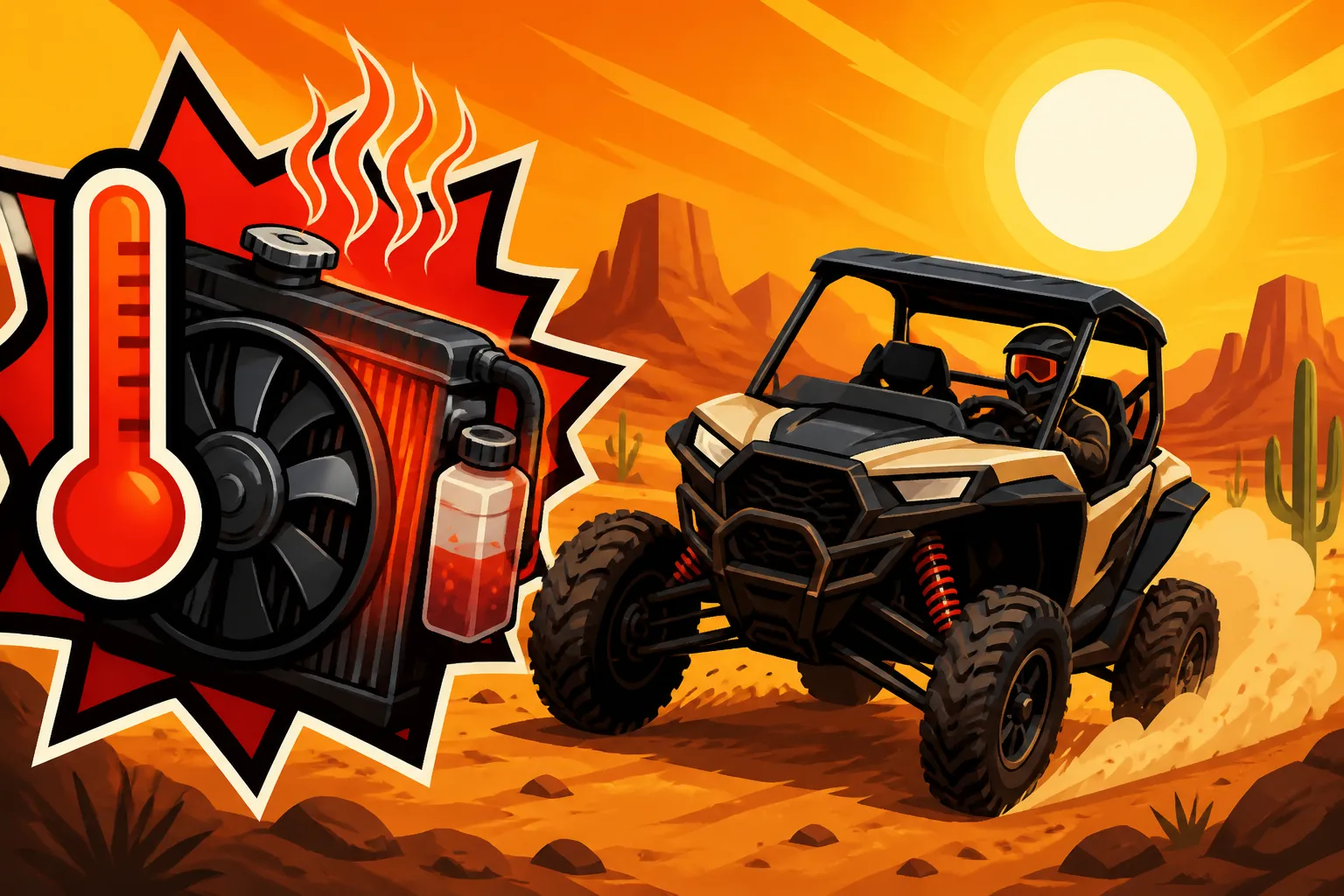
There's nothing quite like the crushing disappointment of having your epic Arizona off-road adventure cut short by a sputtering, steaming machine. When you're out miles from anywhere, whether it's the red rocks of Sedona or the vast expanse of the Sonoran Desert near Phoenix, the last thing you want is a temperature gauge climbing into the red. Overheating on a long, hot ride isn't just an inconvenience; it can lead to serious engine damage, leave you stranded in triple-digit heat, and frankly, ruin your day. This guide is here to walk you through why your ATV or UTV might be getting too hot when the mercury soars, how to spot the early warning signs, and most importantly, what you can do to prevent it and deal with it if it happens.
Understanding Why Your Machine Overheats in Arizona's Heat
Arizona's desert heat is no joke. What might be a minor issue in cooler climates becomes a critical failure point when you're riding through 110-degree F air. Your off-highway vehicle (OHV) works incredibly hard to keep itself cool, but the sheer thermal load of the environment, combined with the demands of off-road riding, can quickly overwhelm even a well-maintained system.
The Brutal Reality of Desert Temperatures
Imagine driving your car in a desert oven; that's essentially what your OHV's engine experiences when you're tearing up trails in Arizona during the summer months. The ambient air temperature itself is often well above the typical operating range for an engine's cooling system. This means the coolant has a much harder time dissipating heat into the air, as the temperature difference between the coolant and the air is significantly reduced. Everything, from the engine block to the transmission and even the differential, is under greater thermal stress. Fluids like engine oil and transmission fluid degrade faster, losing their lubricating properties and leading to increased friction, which generates even more heat. It's a vicious cycle that can quickly snowball into an overheat situation, especially when you're traversing a particularly dusty wash or climbing a steep, rocky trail where airflow is limited. [Riding an Arizona Road at 110 Degrees] can put immense stress on your machine, highlighting the need for robust cooling.
Common Culprits: Radiator, Coolant, and Fan Issues
Often, the root cause of overheating can be traced back to the core components of your OHV's cooling system. The radiator, designed to exchange heat with the surrounding air, can easily become clogged with mud, dust, cactus spines, and debris, especially after a few adventurous rides through [Bulldog Canyon's Sandy Washes] or a particularly muddy monsoon trail. A blocked radiator can't shed heat effectively, no matter how hard the fan works.
Then there's your coolant. Over time, coolant degrades, losing its anti-corrosion and heat-transfer properties. If it's old, diluted improperly, or simply low, it won't be able to absorb and release heat as efficiently. A low coolant level, perhaps from a slow leak, means there isn't enough fluid circulating to cool the engine. Finally, your cooling fan is your engine's last line of defense in low-speed situations or when airflow is minimal. If the fan isn't turning on, isn't spinning fast enough, or has broken blades, the air won't be pulled through the radiator, and your engine temperature will inevitably spike. Sometimes a simple electrical issue or a blown fuse can render your fan useless, turning a fun ride into a roadside breakdown.
Overloading, Aggressive Riding, and Aftermarket Modifications
Even with a perfectly functioning cooling system, you can push your OHV beyond its limits. Loading your side-by-side with too much gear, too many passengers, or towing something heavy will significantly increase the workload on the engine, causing it to generate more heat. Similarly, aggressive riding—constantly running at high RPMs, extended periods of wide-open throttle, or crawling slowly up extremely challenging terrain—demands a lot from your engine and, by extension, your cooling system. Your OHV might be rated for a certain amount of abuse, but Arizona's heat multiplies the stress.
Furthermore, certain aftermarket modifications, while often aimed at improving performance, can inadvertently contribute to overheating. Turbochargers, for instance, significantly boost power but also generate a massive amount of extra heat that the stock cooling system might not be designed to handle. Larger tires can change gear ratios, making the engine work harder, especially when climbing or accelerating. Even cosmetic changes that restrict airflow to the radiator can turn your machine into a hot box. It's crucial to consider the impact of any modification on your cooling system's capacity.
Early Warning Signs Your OHV is Getting Too Hot
Catching an overheating issue early can be the difference between a quick cool-down and a costly engine rebuild. Your OHV is usually pretty good at telling you when something is wrong, if you know what to look and listen for. Paying attention to these subtle cues can save your ride and your wallet.
Dashboard Indicators and Engine Performance Changes
The most obvious sign of an impending overheat is typically found right on your dashboard. Your temperature gauge is your best friend here. If you see it creeping steadily past its normal operating range, or worse, spiking into the red zone, it's time to take immediate action. Many modern ATVs and UTVs also have warning lights—a dedicated temperature light, or sometimes a check engine light that illuminates specifically for overheating. Don't ignore these! They are designed to grab your attention for a reason.
Beyond the visual cues, you might also feel changes in engine performance. A hot engine often starts to lose power, feeling sluggish or less responsive than usual. You might notice a sputtering or hesitation, especially under acceleration, as the engine struggles to maintain optimal combustion. In extreme cases, the engine might even go into "limp mode," intentionally reducing power output to protect itself from severe damage, or simply shut down altogether. Ignoring a rising temperature gauge in the middle of a long desert run, perhaps through [Copper Basin Dunes in the Parker Strip], is a recipe for disaster.
Unusual Noises, Smells, and Visual Cues
Sometimes, your OHV will communicate an overheating problem through your other senses before a light even comes on. A distinct, sweet smell could indicate leaking coolant, especially if you notice a drip after you stop. If the coolant is boiling, you might hear gurgling or bubbling sounds coming from the radiator or overflow tank, a sure sign that it's dangerously hot. In severe cases, you might even hear a faint hissing sound as pressure builds.
Visually, watch for steam rising from under the hood or engine area—this is a critical sign of boiling coolant and means your system is under extreme pressure. You might also spot a bright green, pink, or orange puddle forming under your machine if a hose has burst or a seal has failed. Even changes in exhaust smoke, such as an increase in white smoke, could indicate a head gasket issue caused by prolonged overheating. Keep an eye out for these cues when you pull over for a quick break on a long ride, perhaps at a [Desert Gas Stations That Serve Riders].
Preventing Overheating: Proactive Steps for Arizona Riders
The best defense against overheating is a good offense: proactive maintenance and smart riding habits. Given Arizona's challenging climate, a little extra care goes a long way in ensuring your OHV runs cool and reliably, even on the longest and hottest days.
Essential Pre-Ride Checks and Maintenance
Before every major ride, especially when heading out into the summer heat, take a few minutes to conduct some critical checks. First, always check your coolant level in both the radiator and the overflow tank. Top it off with the manufacturer-recommended coolant if it's low. Also, visually inspect the coolant for any discoloration or debris, which could indicate a problem. Second, examine your radiator fins. Are they caked with mud, dust, or other obstructions? Use a soft brush, compressed air, or a low-pressure water hose to gently clean them. A clean radiator is a happy radiator.
Next, check your cooling fan. Turn on your machine and let it warm up; the fan should kick on when the engine reaches a certain temperature. Listen for any unusual noises from the fan or signs of wobbling. Inspect all coolant hoses for cracks, bulges, or leaks, and ensure all clamps are tight. Consider flushing and replacing your coolant annually, or as recommended by your manufacturer, to maintain optimal performance. A well-maintained cooling system is your best defense against Arizona's brutal summer sun. Getting your machine street-legal in Arizona might also involve ensuring all components are in top shape, which includes the cooling system. [What Arizona Requires on a Street-Legal Machine] often covers these basic safety and maintenance aspects.
Smart Riding Practices in High Temperatures
Your riding style can significantly impact your machine's temperature. When the mercury is soaring, try to moderate your speed and avoid prolonged periods of high-RPM riding. Take regular breaks to allow your engine to cool down naturally. Pull over in a shaded spot if possible, turn off the engine, and let it rest for 10-15 minutes. Consider riding during cooler parts of the day, such as early mornings or evenings, especially for longer excursions. [Dawn Rides Before the Heat Builds] are incredibly popular for a reason.
Choosing your terrain wisely can also help. While challenging climbs are fun, they make your engine work harder and generate more heat. If you're tackling a particularly steep ascent on a scorching day, be mindful of your temperature gauge. Also, be aware of slow-speed, technical riding, where airflow through the radiator is minimal. If you find yourself crawling, consider stopping periodically to let the fan do its work. Ensuring proper [Tire Pressure on Hot Pavement] is another small but crucial detail that can prevent unnecessary stress on your machine and yourself.
Upgrading Your Cooling System for Arizona's Extremes
For many Arizona riders, especially those who push their machines hard or spend a lot of time in extreme conditions, the stock cooling system just isn't enough. Upgrading components can provide that critical extra margin of safety. One of the most effective upgrades is a heavy-duty or oversized aftermarket radiator. These often have more cooling surface area or thicker cores, allowing for greater heat dissipation. Companies like SuperATV, known for their robust aftermarket parts, offer high-performance radiators designed to handle the demands of aggressive riding and extreme temperatures.
Another valuable upgrade is an improved cooling fan, perhaps one that moves more air or has a more aggressive blade design. Some riders even add an auxiliary fan to work in conjunction with the primary one. Thermostats with a lower opening temperature can also be installed, allowing coolant to circulate sooner. For extreme applications, some OHVs can benefit from auxiliary oil coolers or transmission coolers, as these fluids contribute to the overall thermal load. Consult with a reputable dealer or powersports mechanic to determine the best cooling system upgrades for your specific machine and riding habits. Remember, the investment now can save you from costly engine damage down the trail.
What to Do When Your OHV Starts Overheating on the Trail
Despite your best preventative efforts, sometimes an OHV will still start to overheat. Knowing exactly what to do in the moment can prevent minor trouble from turning into a major catastrophe, keeping you and your machine safe in the Arizona backcountry.
Immediate Actions to Take Safely
The very first thing you need to do if you notice your temperature gauge spiking or see steam is to pull over immediately and safely. Find a spot that is out of the way of other traffic, ideally on level ground, and if possible, in the shade. Turn off your engine. This is crucial as it stops the heat generation. Resist the urge to open the radiator cap right away. The cooling system is under immense pressure when hot, and removing the cap can result in a dangerous burst of superheated coolant, causing severe burns. Be patient and allow the engine to cool down for at least 20-30 minutes.
While waiting, you can take off your helmet and eye protection, drink some water yourself, and try to find anything visibly obvious, like a broken hose or a clearly clogged radiator, without touching any hot engine components. Give the engine plenty of time to cool before even thinking about inspecting closer or adding fluids. This patience is key, especially if you're deep in the desert on a trail like [Charouleau Gap Between Oracle and Tucson].
Troubleshooting and Temporary Fixes to Get You Home
Once the engine has cooled significantly and it's safe to touch, you can begin to troubleshoot. Carefully check the coolant level in the overflow tank first. If it's low, and only if the engine is cool to the touch, you can cautiously remove the radiator cap and check the level there. If low, slowly add the manufacturer-recommended coolant, or if absolutely necessary, clean water, until it reaches the fill line. Avoid adding cold water to a hot engine, as the sudden temperature change can crack the engine block.
Next, inspect your radiator for blockages. If it's caked with mud or debris, gently clean it with water from your water bottle or a soft brush if you have one. Check your cooling fan to ensure it spins freely and kicks on when the engine is running (if it's cool enough to restart for a brief test). Look for any obvious leaks from hoses, the water pump, or the radiator itself. If you find a small leak in a hose, a temporary fix with electrical tape or a hose clamp might get you limping back to civilization, but it's not a permanent solution. Sometimes, a severely clogged air filter can also contribute to overheating by making the engine work harder; check its condition if possible. A well-stocked tool bag, perhaps with some [Recovery Gear for Deep Sand], should also contain basic repair items for such emergencies.
Avoiding Future Incidents After an Overheat
Experiencing an overheat on the trail should serve as a wake-up call for a thorough inspection and adjustment of your maintenance routine. Once you're safely home, don't just forget about it. Have a qualified mechanic perform a pressure test on your cooling system to check for leaks in the radiator, hoses, and water pump. They can also check the thermostat's function and ensure your fan is operating correctly. If your coolant was low, try to pinpoint the source of the leak and repair it properly.
Consider upgrading components that might be struggling in Arizona's heat, as discussed earlier. Perhaps a heavy-duty radiator from a brand like SuperATV, or a more powerful cooling fan, would offer better resilience. Regularly flush and replace your coolant, and make pre-ride cooling system checks a non-negotiable part of your routine. Learning from the experience means understanding what caused the overheat (e.g., specific terrain, riding style, lack of maintenance) and making adjustments to prevent it from happening again. It's not just about fixing the symptom, but addressing the root cause so your next ride is focused on fun, not fear of boiling over.
| Component | Stock System (Typical) | Upgraded System (Example) | Benefits of Upgrade |
|---|---|---|---|
| Radiator | Aluminum, single-row core, standard size | Heavy-duty aluminum, dual-row or oversized core, enhanced cooling fins | Increased surface area and fluid capacity for better heat exchange; more robust construction for durability against trail debris. Crucial for sustained high-temperature operation. |
| Cooling Fan | Standard electric fan, fixed speed or simple thermal switch | High-CFM (Cubic Feet per Minute) fan, often with adjustable thermostatic switch | Moves significantly more air through the radiator, especially at low speeds or when idling. Can be set to kick on at a lower temperature, providing earlier cooling intervention. |
| Coolant | Standard ethylene glycol-based coolant, 50/50 mix | Performance coolant, water wetter additives, specialized formulations | Improved heat transfer properties, better corrosion protection, and higher boiling points. Water wetter can reduce surface tension for more efficient heat absorption. |
| Thermostat | Standard factory thermostat (e.g., 180-195°F) | Lower-temperature thermostat (e.g., 160-170°F) | Opens sooner to allow coolant to circulate through the radiator earlier, helping to maintain lower average operating temperatures. |
| Hoses & Clamps | Standard rubber hoses, spring clamps | Silicone hoses, heavy-duty worm-gear clamps | Silicone hoses are more resistant to heat, pressure, and degradation than rubber, offering increased durability and longevity. Better clamps prevent leaks under extreme conditions. |
| Auxiliary Coolers | Typically none (except for engine oil on some models) | Dedicated oil cooler, transmission cooler, power steering cooler | Reduces the temperature of other critical fluids, which in turn reduces the overall thermal load on the engine's primary cooling system. Prevents fluid breakdown and component wear. |
| Engine Guarding | Basic skid plates | Vented skid plates or improved undercarriage protection | While not directly a cooling component, proper venting on skid plates can improve airflow around the engine and transmission, helping to dissipate heat trapped underneath. |
For more information on preparing your machine for Arizona's diverse terrain and rules, check out these articles:
[What Arizona Riders Need Before They Ride]
[Arizona MVD OHV Registration Explained]
[Arizona's Best Riding Months]
[Water Planning for an Arizona Trail Day]
[Heat Illness on a Summer Trail]
[Recovery Gear for Deep Sand]
[Arizona Stage One Fire Restrictions]
[Desert Gas Stations That Serve Riders]
[Tire Pressure on Hot Pavement]
[Do You Carry Papers on an Arizona Trail?]
[After a Crash on an Arizona Desert Road]
[Checking Arizona Trail Status Before You Drive]
Disclaimer
This article is for general informational purposes only and does not constitute professional advice. Laws, prices and regulations vary by location and change over time. Consult a qualified professional for guidance on your specific situation.