What the OHV Decal Buys an Arizona Rider
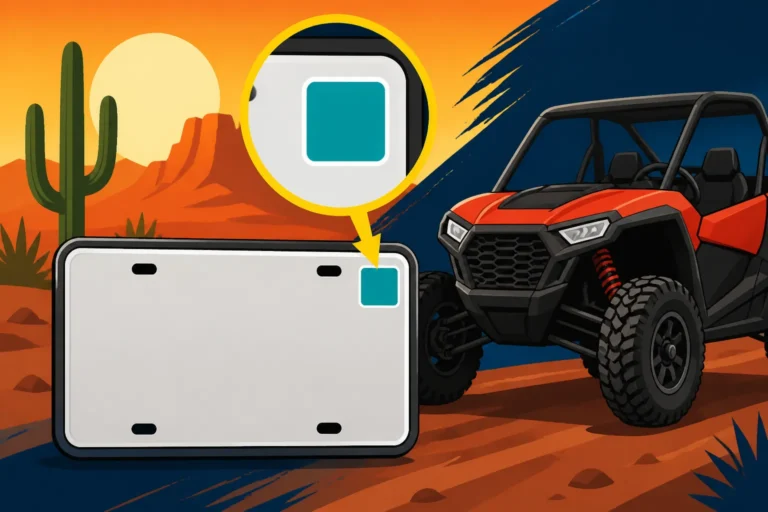
It’s a common sight on Arizona trails: the small, colorful sticker affixed to your OHV’s license plate. For many riders, the annual Arizona Off-Highway Vehicle (OHV) Decal might seem like just another expense, another piece of bureaucratic paper. But let me tell you, as someone who’s spent countless hours exploring the backroads and washes of our beautiful state, that little decal buys you a whole lot more than just the legal right to ride. This guide will peel back the layers to show you exactly what that decal means for your riding adventures and the future of OHV recreation in Arizona.
More Than Just a Sticker: Understanding the Arizona OHV Decal
Think of that small, brightly colored decal as your membership card to Arizona's vast and diverse off-highway playground. It's not just a formality; it's a vital piece of the puzzle that keeps our trails open, safe, and enjoyable for everyone. Without that system, our riding opportunities would shrink dramatically.
The Core Purpose: Trail Access and Maintenance
At its heart, the Arizona OHV Decal is a funding mechanism. The money generated from its sale, and other related fees, goes directly into the Arizona OHV Recreation Fund. This fund is absolutely critical for the health and future of off-highway riding in our state. Imagine hitting a trail only to find it washed out, completely overgrown, or littered with trash – that’s what many trails would look like without dedicated resources for upkeep.
This fund pays for the boots-on-the-ground work that maintains the incredible network of routes we get to enjoy. We're talking about things like trail maintenance, fixing erosion issues that make trails impassable, developing new staging areas where you can safely unload your machines, and installing proper signage so you don't get lost out in the vastness of the desert. When you see a well-maintained trail, a new restroom at a popular trailhead, or clear markers pointing the way, you’re seeing your decal dollars at work. It’s an investment in the very ground we ride on, ensuring that future generations of riders can experience the same exhilaration we do today.
Legal Compliance and Avoiding Penalties
Beyond funding, the OHV Decal is a non-negotiable legal requirement for most machines operating on public and state land in Arizona. This includes ATVs, UTVs, dirt bikes, and even some sand rails. While you might occasionally see machines without them, especially if they are used exclusively on private property, if you plan to hit any of the incredible public trails, that decal needs to be displayed. You can learn more about [Arizona's Annual OHV Decal Explained].
The Arizona Game and Fish Department, the Forest Service, and the Bureau of Land Management (BLM) all have officers and rangers patrolling our riding areas. Getting caught without a current, properly displayed decal can lead to citations and fines. These aren't just minor slaps on the wrist; they can be costly and put a damper on your entire outing. Imagine planning a weekend trip to Sedona, driving all the way out there, only to have your ride cut short because a ranger spots an expired or missing decal. It’s an easily avoidable headache. Ensuring you have your decal means you're operating legally, supporting the system, and can ride with peace of mind.
What Your Decal Directly Funds and Supports
The Arizona OHV Decal isn't just a general fund; it's specifically earmarked for projects and programs that directly benefit the OHV community. It's an essential resource that allows Arizona to maintain and expand its reputation as one of the premier riding destinations in the country.
Trail Development and Infrastructure
Have you ever pulled into a spacious trailhead, complete with paved parking, shade structures, and clear access to your chosen route? Your decal helped pay for that. The funds are frequently allocated to projects that enhance the rider experience from start to finish. This includes the planning and construction of new trails, especially in areas where demand is high or where existing trails need to be rerouted for environmental protection. It also covers the cost of important infrastructure like vault toilets at remote staging areas, improved signage to prevent riders from straying into closed areas or getting lost, and even bridges or culverts over washes that would otherwise be impassable or environmentally sensitive.
Beyond new construction, a significant portion of the funds goes into maintaining existing trails. Our desert environment is harsh, with monsoons causing severe erosion and heavy use leading to wear and tear. Decal funds pay for things like grading trails, clearing debris after storms, and implementing sustainable trail design to minimize environmental impact. When you renew your [Renewing an Arizona OHV Decal Each Year], you’re literally contributing to the preservation and improvement of the routes you love to explore. This constant cycle of development and maintenance ensures that Arizona's 40,000 miles of OHV trail remain accessible and enjoyable year after year.
Safety, Education, and Enforcement
Safety is paramount when you're out in the desert, and your OHV Decal plays a crucial role in promoting it. A portion of the funds supports search and rescue operations, which are unfortunately a regular necessity in our vast and sometimes unforgiving backcountry. It also helps fund OHV safety education programs, which are vital for new riders and families. In fact, many riders are now required to complete the [Arizona's Free Mandatory OHV Decal Course] before obtaining their decal, and these courses are directly supported by the fund. These programs teach responsible riding practices, environmental ethics, and basic first aid, making everyone on the trail safer.
Furthermore, the decal funds support the presence of law enforcement and land management agencies in our riding areas. This isn't just about ticketing; it's about having a visible presence that helps deter illegal activities, responds to incidents, and provides assistance to riders in distress. These officers are often the first line of defense when it comes to enforcing rules that protect both riders and the environment, such as speed limits, noise regulations, and proper disposal of trash. Knowing that there are dedicated resources for enforcement and emergency response allows you to ride with greater confidence, especially in remote areas where cell service is unreliable.
Navigating Arizona's Diverse Riding Landscape
Arizona boasts an incredible array of landscapes, from the red rocks of Sedona to the vast Sonoran Desert and the high country forests. Your OHV Decal is your ticket to exploring much of this diverse terrain, serving as a fundamental requirement for legal access.
Access to State Trust Land and Public Recreation Areas
While the OHV Decal is essential, it's important to understand that it's often one piece of a larger access puzzle, especially when it comes to Arizona State Trust Land. This is land managed by the Arizona State Land Department to generate revenue for public education and other state institutions. While your OHV Decal is a prerequisite for riding on these lands, you will generally also need an [Arizona State Trust Land Recreational Permits]. These permits, which are separate from your decal, allow for a range of recreational activities, including OHV use, on millions of acres across the state. The decal helps ensure that the state has a comprehensive system for managing and funding recreation across these varied land types.
Similarly, federal lands managed by the Bureau of Land Management (BLM) and the U.S. Forest Service often fall under the decal's umbrella. The decal signals that your machine is legally registered for off-highway use within Arizona, which is a foundational requirement for accessing roads and trails on these federal parcels. However, it’s always wise to check specific regulations for unique areas, as some may have additional local rules or seasonal closures. But rest assured, with your decal in hand, you're meeting a major requirement for exploring these vast and varied public recreation areas.
Protecting Our Natural Resources and Environment
Riding OHVs is an incredible way to experience Arizona's natural beauty, but it comes with a responsibility to protect that environment. A significant portion of the OHV Decal funds is dedicated to conservation efforts and minimizing the impact of riding. This includes funding projects that stabilize soil erosion on trails, rehabilitate areas that have been damaged by illegal riding, and conduct studies to better understand how OHV use impacts local ecosystems. It's about finding a balance where recreation and conservation can coexist.
The educational programs funded by the decal also emphasize Leave No Trace principles and responsible riding ethics. Riders are encouraged to stay on designated trails, pack out all trash, and respect wildlife and private property. This collective effort, supported by the decal, helps ensure that the pristine beauty of Arizona's deserts, forests, and mountains remains intact for everyone, not just OHV enthusiasts. It's a testament to the fact that responsible riders care deeply about the landscapes they explore, and the decal helps transform that care into tangible action on the ground.
Beyond the Basics: Common Questions About Decal Benefits
Even experienced riders can sometimes be a little fuzzy on the exact scope of what the OHV Decal covers. It's easy to assume it's a one-stop shop for all your riding needs, but there are a few nuances that are important to understand.
Does the Decal Cover All Fees or Permits?
This is a common misconception: that once you have your OHV Decal, you're good to go anywhere, no questions asked. Unfortunately, that's not always the case. While the decal is absolutely crucial for legal operation on most Arizona public and state lands, it's not a "golden ticket" that eliminates all other potential costs or permit requirements. For example, as we touched on earlier, if you plan to ride on [Arizona State Trust Land Recreational Permits] you will need a separate recreation permit from the Arizona State Land Department. These permits are typically annual and are vital for accessing millions of acres of beautiful riding country.
Additionally, some specific organized events, special recreation areas, or even some private parks might have their own entry fees or unique permit requirements. The decal ensures your machine is registered and you're contributing to the general OHV fund, but it doesn't automatically grant you access to every single corner of the state or cover fees for specific services or events. It's always a good practice to research your specific destination or event beforehand to avoid any surprises. Also, if you’re considering making your OHV street-legal, be aware that entails a whole separate set of registration requirements, inspections, and fees beyond just the decal. The decal covers off-highway use, but street-legal conversion is a different ball game entirely.
What About Non-Resident Riders and Decal Benefits?
For our friends visiting from out of state – perhaps escaping winter's chill or just looking for some epic desert adventures – the question of the OHV Decal often comes up. Many assume their home state registration is enough. However, if you're bringing your OHV to Arizona and plan to ride on any public or state land, you absolutely need an Arizona OHV Decal. There's a specific [Arizona Non-Resident OHV Decal] designed just for this purpose.
The benefits for non-residents are exactly the same as for residents: your decal contributes to the maintenance of the trails you'll be riding, funds safety programs, and ensures you're operating legally within Arizona's borders. It's a way for all riders, resident or visitor, to contribute to the shared resource of our OHV trail system. Think of it as purchasing a temporary share in the upkeep of Arizona's riding paradise. Even if you're only here for a short winter stay, that decal helps preserve the very trails you're enjoying, ensuring they'll be just as great for your next visit.
The Long-Term Impact: Sustaining Arizona's OHV Future
The benefits of the OHV Decal extend far beyond simply keeping trails open for today's rides. It's a proactive investment that shapes the very landscape of off-highway recreation in Arizona for decades to come, fostering a vibrant and sustainable community.
Investing in Future Generations of Riders
One of the most profound, yet often overlooked, aspects of the OHV Decal is its contribution to the future. The funds generated aren't just for fixing today's erosion; they're also allocated to strategic planning for new trails, developing youth riding programs, and creating a sustainable framework for off-highway recreation. This means that the trails we enjoy today will still be there, and even improved, for our children and grandchildren to experience. It's an investment in keeping the spirit of adventure alive across generations.
Imagine a future where all the best trails are closed due to lack of maintenance or funding, or where new staging areas aren't built to accommodate growing numbers of riders. The decal actively works against this scenario. It helps fund initiatives that introduce young people to responsible riding, fostering a love for the outdoors and an understanding of trail etiquette. This continuity ensures that the OHV community remains robust, knowledgeable, and dedicated to preserving the sport for years to come. By supporting the decal, you're helping to lay the groundwork for a rich OHV legacy in Arizona.
Advocacy and Protecting Riding Access
Beyond direct funding for trails, the collective support generated by the OHV Decal plays an indirect but powerful role in advocacy. When the Arizona Game and Fish Department, land management agencies, and various OHV organizations present their case for continued trail access, expansion, or protection, the existence of a strong, self-funding mechanism like the OHV Decal speaks volumes. It demonstrates that the OHV community is organized, willing to contribute financially, and serious about responsible recreation.
This financial backing helps enable various OHV clubs and associations to engage in lobbying efforts, participate in public land use planning meetings, and act as a unified voice for riders. They work tirelessly to prevent trail closures, open new areas, and educate policymakers about the economic and recreational value of OHV tourism. When you have proper documentation for your machine, like a clear bill of sale or other ownership proofs, it supports the overall legitimacy of the OHV community. For instance, sometimes when a machine changes hands, the paperwork can be a bit informal, leading to complications later. Using resources like LawDepot to formalize documents such as a bill of sale can ensure smooth transfers of ownership, which in turn helps keep accurate records within the OHV community. These kinds of efforts, driven by an engaged community and supported by the decal system, are crucial for protecting and expanding our riding opportunities in a state with ever-increasing pressure on its open spaces. Without this advocacy, our access to many beloved riding areas could easily be curtailed.
| Aspect | OHV Decal Benefits | Other Rider Responsibilities / Costs |
|---|---|---|
| Trail Access | Legal access to most public and state OHV trails in Arizona; funds trail maintenance, development, and signage. | May require separate [Arizona State Trust Land Recreational Permits] for State Trust Land; specific event fees; private land permission. |
| Funding | Directly funds the Arizona OHV Recreation Fund for trail upkeep, new infrastructure, safety, education, and enforcement. | Costs for your machine, fuel, gear, insurance, trailer registration, any necessary repairs or modifications. |
| Safety & Education | Supports search and rescue operations; funds OHV safety courses (including the mandatory decal course); promotes responsible riding ethics. | Personal responsibility for safe riding practices, carrying appropriate safety gear, first aid, water; knowledge of terrain and weather. |
| Legal Compliance | Fulfills a primary legal requirement for operating on most public/state lands; helps avoid fines and citations. | Adherence to all traffic laws (if street-legal), land use rules, speed limits, noise ordinances; carrying proof of ownership and registration. For private sales, formalizing the transfer with a clear [What an Arizona Bill of Sale Should Carry] is crucial for both parties, and using services like LawDepot can help ensure these documents are comprehensive and legally sound. |
| Environmental | Funds projects for erosion control, habitat restoration, and sustainable trail design; promotes Leave No Trace principles. | Individual commitment to staying on designated trails, packing out trash, respecting wildlife and flora, minimizing environmental impact. |
| Community & Future | Contributes to the long-term sustainability of OHV recreation; supports advocacy for rider access; invests in future generations of riders. | Participation in OHV clubs, volunteering for trail work, educating new riders, advocating for responsible land use; using tools like LawDepot for legal clarity in transactions helps maintain clear ownership records for the community as a whole. |
| Non-Residents | Provides legal right to ride on Arizona public/state lands, contributing to the same benefits as residents; ensures compliance with Arizona law. | Must obtain the [Arizona Non-Resident OHV Decal]; knowledge of Arizona-specific riding rules and regulations. |
Disclaimer
This article is for general informational purposes only and does not constitute professional advice. Laws, prices and regulations vary by location and change over time. Consult a qualified professional for guidance on your specific situation.