Plate Light Requirements in Arizona
Riding your ATV or UTV on Arizona's public roads and streets offers an incredible way to link trails, grab a bite in a small town, or simply enjoy a scenic drive. But making your off-highway vehicle (OHV) truly street-legal in our state involves navigating a specific set of rules, and among the most frequently overlooked, yet critically important, requirements is ensuring your license plate is properly illuminated. This guide will shine a light on everything you need to know about plate light requirements in Arizona so you can ride with confidence and stay on the right side of the law.
The Essential Role of Plate Lighting for Street-Legal OHVs in Arizona
Picture this: you've just finished a fantastic day of riding the [Arizona's 40,000 Miles of OHV Trail] near Lake Havasu, the sun has dipped below the horizon, painting the sky in fiery desert hues, and you're cruising back to camp on a county road. Everything feels perfect, but then those all-too-familiar flashing lights appear in your rearview mirror. What could it be? Often, it's something as seemingly minor as your license plate not being visible enough in the dark. In Arizona, if you're going to share the pavement with other vehicles, your OHV needs to meet the same basic safety standards, and plate lighting is right up there.
Why Your License Plate Needs to Shine Bright
At its core, the plate light isn't just a bureaucratic hoop to jump through; it's a fundamental safety and identification measure. The purpose is straightforward: law enforcement and other drivers need to be able to clearly identify your vehicle's license plate, day or night. Without proper illumination, your plate becomes a shadowy enigma, making it impossible to read your registration number. This isn't just a minor inconvenience; it's a legitimate concern for public safety and enforcement.
Think about it from a law enforcement perspective. If a sheriff's deputy or a Highway Patrol officer needs to identify a vehicle, whether for a routine check, after an incident, or because a citizen reported something amiss, a clearly visible license plate is their primary tool. When that plate is obscured by darkness, it hinders their ability to do their job effectively, which can understandably lead to a roadside stop. It’s also about general road safety; in the event of an accident or hit-and-run, the ability to quickly and accurately identify a vehicle's plate number is paramount for everyone involved. Investing a little time in a proper plate light saves you a lot of potential headaches and ensures you're a responsible road user.
Specific Arizona Requirements for Plate Illumination
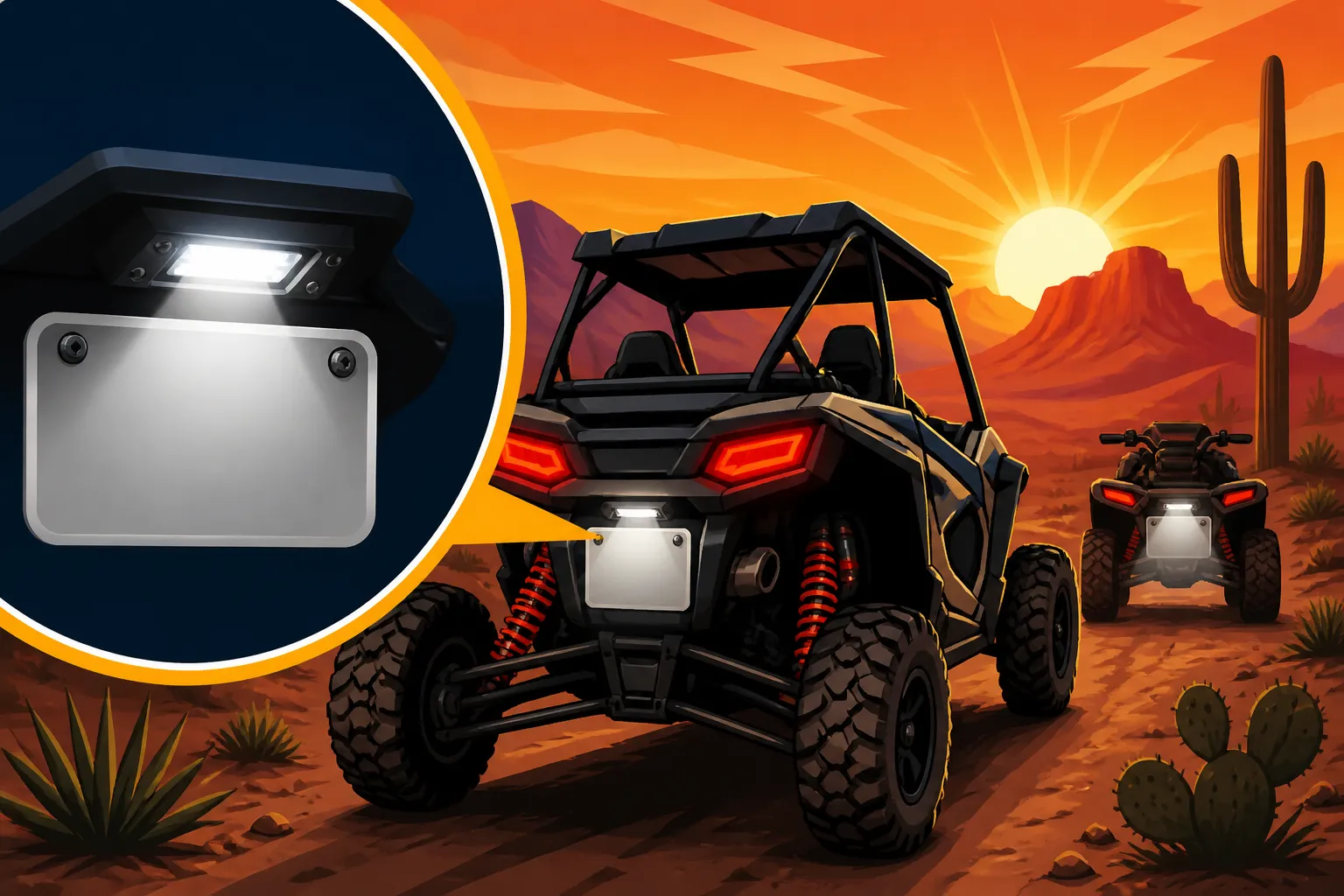
So, what exactly does Arizona demand from your plate light? The law is pretty clear: your rear license plate must be illuminated by a white light that makes the plate "clearly legible from a distance of 50 feet to the rear" at all times when natural light is insufficient. This isn't just about having a light; it's about having one that effectively does the job.
The key phrase here is "clearly legible from 50 feet." This means the light needs to be bright enough to cut through the darkness, evenly illuminating the entire plate without creating shadows or glare that actually make it harder to read. The light color must be white—no blue, red, or other novelty colors, regardless of how cool they might look, as these are non-compliant and can even be confused with emergency vehicle lighting. Your plate light should activate whenever your headlights or taillights are on, ensuring constant visibility during twilight or nighttime driving. For more on how all these pieces fit together, take a look at our guide on [License Plate Lights on an Arizona Machine]. This specific requirement ensures that whether you're idling at a stop sign or cruising down a dark road, your OHV's identity is never in question.
Choosing and Installing the Right Plate Light
Now that we understand why plate lights are so important, let's talk about how to equip your ATV or UTV properly. It's not just about slapping any old light onto your machine; you need a solution that can withstand the rigors of desert riding while still meeting Arizona's street-legal requirements. The good news is that there are many robust options designed specifically for the powersports world.
Options for ATV and UTV Plate Lights
When it comes to illuminating your OHV's license plate, you've got a few solid options tailored for off-road machines. One popular choice is an integrated solution: a license plate frame that has built-in LED lights. These are often sleek, provide even illumination, and keep your wiring tidy since the light is part of the frame itself. Another common and effective option involves small, standalone LED bolts or miniature LED strip lights. These are highly versatile and can be mounted directly above or beside the plate, allowing you to direct the light precisely where it's needed.
What's crucial for any choice you make is durability. Your OHV spends its life getting bounced around, exposed to dust, mud, rain, and scorching Arizona sun. Therefore, your plate light needs to be robust, weatherproof, and resistant to vibrations. Look for units designed for marine or off-road use, as these are typically sealed against the elements and built to withstand constant jarring. Brands like SuperATV offer a variety of lighting accessories, including plate illumination kits, that are known for their ruggedness and ability to handle the harsh conditions we encounter out here in the desert. Always prioritize quality and proper sealing to avoid frustrating failures after just a few rides.
Installation Best Practices for Durability and Compliance
A good light is only as good as its installation. When you're adding a plate light to your ATV or UTV, you want to ensure it not only works correctly but also stays put and withstands the elements. First, consider your power source. The simplest approach is often to tap into your machine's existing taillight wiring. This ensures the plate light comes on automatically whenever your taillights are activated, meeting the "when natural light is insufficient" requirement. Use proper wiring connectors—weather-sealed if possible—and make sure all connections are secure and grounded correctly to prevent intermittent issues or shorts.
Next, focus on the mounting location. The goal is to illuminate the entire license plate evenly without casting shadows on parts of it or creating a blinding glare for drivers behind you. Mount the light so it shines down or directly onto the plate. Ensure the light itself isn't obstructed by cargo racks, spare tires, or other accessories you might have mounted. Protect your wiring by routing it through existing loom or adding new conduit, securing it away from moving parts, hot exhaust, or sharp edges. A loose wire can chafe, short out, or get snagged on trail debris, leaving you in the dark. A secure mount is non-negotiable; don't just zip-tie it on. Use bolts, screws, or heavy-duty mounting tape that can handle the constant jostling of off-road adventures. Proper installation means you won't have to worry about it coming loose or failing when you're far from home. Remember, your [Taillights and Rear Reflectors Arizona Requires] are also crucial, so integrate your plate light installation with these other systems for a complete and compliant setup.
Common Pitfalls and How to Avoid Them
Even with the best intentions, it's easy to make small mistakes when it comes to plate lighting, especially if you're new to the world of street-legal OHVs. These aren't just minor details; they can lead to inconvenient and costly encounters with law enforcement. Understanding these common pitfalls can save you a lot of grief and ensure your rides are hassle-free.
Issues with Insufficient or Non-Compliant Lighting
One of the most frequent problems riders face is having a plate light that simply isn't up to snuff. This can manifest in a few ways:
- Dim or Uneven Illumination: A light that's too weak, or positioned poorly, might only illuminate part of the plate, leaving critical numbers or letters in shadow. This doesn't meet the "clearly legible from 50 feet" standard.
- Incorrect Light Color: As mentioned, the law specifies white light. Using blue, red, or even amber lights for your plate is non-compliant and can draw unwanted attention, often resulting in a ticket.
- Intermittent Functionality: Maybe your light works sometimes, but not always. Loose connections, corroded terminals, or faulty switches can cause your plate light to flicker or fail at inconvenient moments, especially after a bumpy ride.
- Lights Obscured: Sometimes the light itself works fine, but it's positioned behind a mud flap, a cooler, or even a dust-covered spare tire, rendering it useless.
Any of these issues can lead to a roadside stop. Imagine the frustration: you've done all the work to make your machine street-legal, got your [Getting an MC Plate for a Side-by-Side], and you still get pulled over for something as seemingly minor as a dim plate light. Officers have a job to do, and if they can't clearly read your plate, they'll act. These kinds of stops can lead to fines, known as [Arizona OHV Ticket Amounts], and nobody wants to cut short a great day of riding with a citation.
Maintaining Your Plate Light for Arizona's Harsh Conditions
Arizona's desert environment is incredibly beautiful but unforgiving on mechanical and electrical components. Your plate light, being exposed at the rear of your machine, is particularly vulnerable. Regular maintenance is key to preventing issues.
- Combat Dust, Mud, and Water: After every dusty trail ride or a splash through a wash, take a moment to wipe down your license plate and the light itself. A thick layer of dust or caked-on mud can drastically reduce the effectiveness of even the brightest light. While weatherproof, submersion or repeated exposure to water can eventually lead to seals failing, allowing moisture into the light housing.
- Check for Vibration-Related Failures: The constant vibrations from off-road riding are notorious for loosening fasteners and stressing electrical connections. Periodically check that your plate light is securely mounted and that all wiring connections are tight and free of corrosion. Look for any signs of cracks in the housing or lens that could indicate a sealing issue.
- Pre-Ride Checks: Before you head out for any street-legal ride, especially if you're going to be out after dark, make a quick check of your plate light. Turn on your headlights and walk around to the back of your machine. Is the plate clearly lit? Are there any flickering issues? This simple habit can catch problems before they become tickets.
By staying proactive with maintenance, you can ensure your plate light remains compliant and reliable, allowing you to focus on the joy of riding rather than worrying about a potential roadside stop. A little attention goes a long way in protecting your investment and your peace of mind.
Integrating Plate Lights with Your Street-Legal Conversion
Making your OHV street-legal in Arizona isn't just about one component; it's a comprehensive process. The plate light is a crucial piece of the puzzle, but it fits into a much larger system of requirements designed to ensure your machine is safe for public roads. Thinking holistically about your conversion will save you time and prevent missed steps.
Beyond the Plate Light: A Holistic View of Street-Legal Lighting
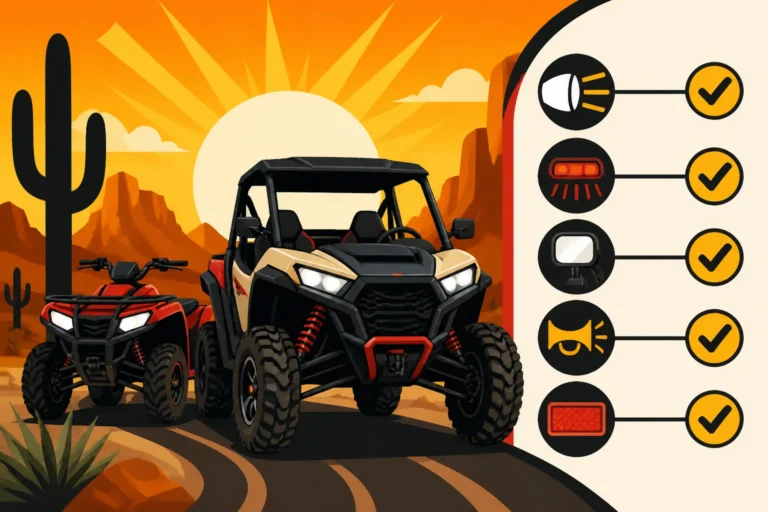
While we've focused on the plate light, it’s essential to remember that it's just one item on a longer checklist when you're working on [Making a UTV Street Legal in Arizona]. Arizona law requires a full complement of lighting and safety equipment if your OHV is to legally share the road. This includes:
- Headlights: You'll need at least one, but usually two, functional headlights that meet specific brightness and aim standards, as detailed in [Arizona's 500 Foot Headlight Rule].
- Taillights and Brake Lights: A working taillight (visible from 500 feet) and brake light (activating when you slow or stop) are mandatory to signal your presence and intentions to traffic behind you. We have a whole article on [Taillights and Rear Reflectors Arizona Requires] that dives deeper.
- Turn Signals: Functional front and rear turn signals are critical for safely indicating lane changes and turns.
- Rear-view Mirrors: At least one, but preferably two, mirrors are needed to give you a clear view of traffic behind you.
- Horn: A horn capable of emitting a sound audible from 200 feet is required to warn other drivers or pedestrians.
These components all work together to create a safe, visible, and compliant vehicle. The plate light ensures your identity is clear, but the other lights ensure your movements and presence are also known. Don't fall into the trap of focusing on one requirement to the exclusion of others; a truly street-legal machine covers all its bases. You can find more detail on all these elements in our comprehensive guide, [What Arizona Requires on a Street-Legal Machine].
A Checklist for Arizona Street-Legal Lighting
To help you keep track of all the lighting requirements for your street-legal ATV or UTV in Arizona, here’s a handy checklist. This isn't exhaustive for all street-legal conversions (e.g., it doesn't cover tires, suspension, or other non-lighting items), but it gives you a solid overview of your lighting needs.
| Component | Arizona Requirement | Compliance Notes |
|---|
Your OHV’s journey to becoming street-legal in Arizona is an exciting one, opening up a whole new world of riding opportunities. But remember, the details matter, especially when it comes to visibility and compliance. By taking the time to understand and correctly address requirements like plate lighting, you're not just avoiding a potential ticket; you're contributing to a safer and more enjoyable experience for everyone on the road. So, get that plate shining bright, hit the open road, and enjoy the incredible Arizona landscape responsibly!
Disclaimer
This article is for general informational purposes only and does not constitute professional advice. Laws, prices and regulations vary by location and change over time. Consult a qualified professional for guidance on your specific situation.