Tire Pressure on Hot Pavement
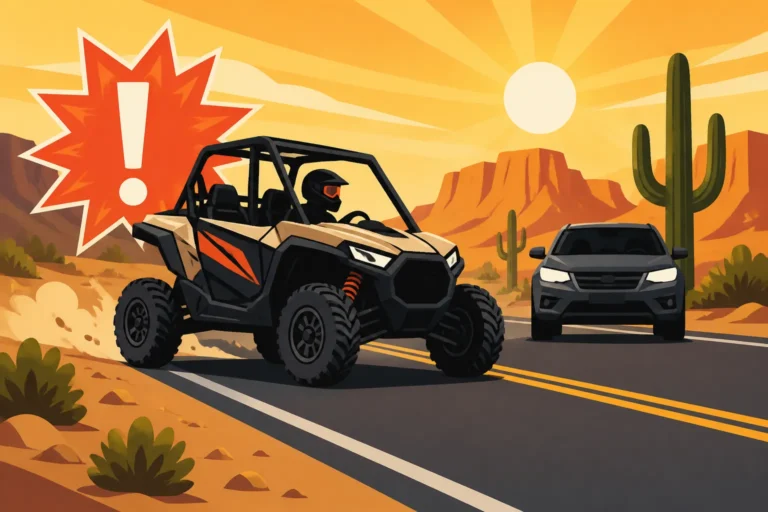
Oh, the Arizona summer! There's nothing quite like the feeling of the sun beating down, not just on your skin, but on that asphalt or concrete as you roll your ATV or UTV out for a street-legal cruise. Many of us forget that the ground itself can reach scorching temperatures, and that intense heat has a direct, often overlooked, impact on one of the most critical parts of our machines: the tires. Incorrect tire pressure on hot pavement isn't just about a bumpy ride; it's a genuine safety concern that can affect handling, wear, and even lead to dangerous blowouts. This guide will walk you through exactly how Arizona's blistering roads affect your tire pressure, why it matters, and what you can do to ensure your street-legal machine stays safe and performs optimally when the mercury climbs.
The Science Behind Tire Pressure Fluctuations in Arizona's Heat
It’s easy to think of a tire as just a rubber ring, but inside that ring is air, and air is highly sensitive to temperature. When you're rolling down an Arizona road in July, the tire isn't just dealing with the ambient air temperature; it's grappling with the heat radiating directly off the pavement. This combination can create a significant internal pressure increase, which, if not accounted for, can lead to real problems.
How Heat Affects Air Molecules in Your Tires
Think back to basic science: gases expand when heated. The air inside your ATV or UTV tires is no exception. As the tire rolls over hot asphalt, especially during those long stretches on a county road or when you're just making your way through town, the rubber heats up. This heat then transfers to the air trapped within the tire. The molecules in that heated air begin to move faster, bouncing off the tire's inner walls with more force, which directly translates to an increase in internal air pressure.
This isn't a minor change, either. For every 10-degree Fahrenheit increase in air temperature, tire pressure can rise by about one PSI (pounds per square inch). Now, consider an Arizona summer day where the ambient air might be 110 degrees, and the pavement can easily hit 150-170 degrees or even higher. Your tires are going to experience a substantial temperature jump from their "cold" starting point, leading to a significant and often unpredictable increase in pressure. Ignoring this expansion is like ignoring a ticking time bomb, especially when you consider the speeds and maneuvering involved in street-legal riding.
The Difference Between Cold and Hot Inflation
When we talk about "cold" tire pressure, we mean the pressure measured when your ATV or UTV has been sitting for at least three hours, or hasn't been ridden more than a mile or two. This is the baseline, the number your manufacturer recommends for optimal performance and safety. This "cold" reading is crucial because it gives you a consistent reference point. Many riders make the mistake of checking their tires after they've been out on the trail or pavement for a while, when the tires are already hot and expanded.
If you inflate your tires to the recommended PSI when they're already warm from a ride, they will actually be underinflated once they cool down. Conversely, if you inflate them to the "cold" recommended PSI and then hit a scorching Arizona highway, that pressure is going to climb significantly. Understanding this dynamic is key to proper tire maintenance. Your goal isn't to hit a specific PSI when hot, but to start at the correct cold PSI, allowing for the natural expansion that will occur as you ride in the heat.
Ambient Temperature vs. Pavement Temperature
While the air temperature in Arizona is certainly a factor, it's often the pavement temperature that's the real villain for your tires. Asphalt, especially dark asphalt, absorbs and retains heat incredibly well, acting like a giant griddle under your tires. On a 100-degree F day, the road surface can easily reach 140-160 degrees F. Imagine a tire constantly in contact with that kind of heat.
This distinction is important because even if you're riding on a relatively "cool" Arizona morning, if the sun has been beating on the road for hours, the pavement can still be radiating immense heat. The friction of the tire on the road, combined with the extreme surface temperature, generates even more heat within the tire itself. This cumulative effect is what drives those significant pressure increases, and why simply checking the weather app isn't enough to predict your tire's performance on the pavement. You need to consider the road itself. [Riding an Arizona Road at 110 Degrees] is a common reality for many, and understanding this heat transfer is paramount.
Checking and Adjusting Your ATV/UTV Tire Pressure for Arizona Roads
Properly managing your tire pressure, especially when you're taking your machine from dirt trails to paved roads or vice versa, isn't complicated, but it does require consistency and the right approach. It’s all about working with the physics, not against them.
The Importance of "Cold" Tire Pressure Readings
As we discussed, the "cold" reading is your North Star. This is the pressure your tire manufacturer specifies, usually found in your owner's manual or on a sticker on your machine. For most ATVs and UTVs, recommended pressures for off-road use can be quite low, sometimes in the single digits, to maximize traction and absorb impacts. However, when you're making a UTV street legal in Arizona, those low pressures are a recipe for disaster on pavement.
For street-legal riding, you'll generally need a higher cold PSI than for off-road. This firmer inflation helps with stability, reduces rolling resistance, and prevents excessive tire flex and heat buildup that can lead to sidewall damage or blowouts. A common range for street-legal UTVs might be 12-18 PSI, but always defer to your machine's or tire's specific recommendations for pavement use. Starting your day with correctly set cold street pressure means your tires will expand into a safer, more stable operating range as they heat up on the road.
Tools You'll Need for Accurate Measurements
You don't need a fancy garage setup to do this right. A good, reliable tire pressure gauge is your most important tool. Forget the cheap plastic stick gauges; they're notoriously inaccurate. Invest in a digital gauge or a high-quality analog gauge with a clear, readable display. Accuracy is key here. You’ll also want a portable air compressor. Whether it's a small 12-volt unit that plugs into your machine's accessory port or a larger one you keep in your tow rig, having the ability to add or release air on the go is indispensable.
Some riders also carry a small, portable inflator/deflator tool, often called an air chuck, that allows for precise air release. This is especially useful if you find your pressure has climbed too high mid-ride, or if you transition from pavement back to dirt and need to quickly air down for better traction. Having quality tools, perhaps even a durable gauge from a company like SuperATV, ensures you can confidently adjust your tires no matter where your Arizona adventure takes you.
Step-by-Step Guide to Adjusting Pressure for Pavement
Here’s a simple routine to follow:
- Check Cold Pressure: Before you start your machine for the day, or if it's been parked for a few hours, check the pressure in all four tires. Make sure your gauge is registering consistently.
- Refer to Pavement PSI: Look up the recommended cold PSI for pavement use for your specific machine and tires. This will likely be higher than your off-road PSI. If you can't find a specific pavement recommendation, consult with a tire professional or start with a slightly higher pressure (e.g., 15 PSI for a UTV) and monitor it closely.
- Adjust Accordingly:
- If your cold pressure is too low for pavement, use your air compressor to add air until you reach the target PSI.
- If your cold pressure is too high (perhaps you just aired up for a heavy load), use your gauge's bleeder valve or a separate deflator to release air slowly until you hit the target.
- Recheck All Tires: After making adjustments, recheck all tires to ensure consistency. It's surprising how quickly a slight error can lead to a significant difference.
- Monitor During Ride: On your first few miles of hot pavement, pay attention to how the machine feels. While you shouldn't constantly air down on the fly, being aware of how much pressure naturally climbs can help you fine-tune your initial cold setting for optimal balance between comfort and stability. Remember, a little flexibility in your plan is crucial when riding on [Summer Heat and Arizona Road Riding].
| Pressure Type | Recommended Use Case | Typical ATV/UTV Range (PSI) | Impact on Pavement |
|---|---|---|---|
| Cold PSI | Street Driving (Pavement) | 12-18 | Baseline for safety |
| Cold PSI | Off-Road (Trails, Sand) | 4-10 | Maximize traction |
| Hot PSI | After Extended Pavement Ride | Varies, usually 3-6 PSI above cold | Natural expansion |
The Dangers of Incorrect Tire Pressure on Scorching Arizona Pavement
Riding your ATV or UTV on Arizona's pavement with the wrong tire pressure isn't just about minor inconveniences; it significantly increases your risk of an accident and accelerates tire wear. The extreme heat exacerbates these issues, making proper inflation even more critical for your safety and your wallet. [Arizona Road Rules Riders Get Wrong] often include neglecting proper tire maintenance for street-legal machines.
Over-Inflation: Reduced Traction and Increased Wear
When your tires are over-inflated for pavement, a few things happen, none of them good. First, the tire’s contact patch—the amount of rubber actually touching the road—shrinks. Imagine trying to balance on your tiptoes; that’s what your tire is doing. This reduced contact patch means less grip, which is a massive safety concern, especially when cornering, braking suddenly, or encountering loose gravel on a paved shoulder. On those fast stretches of highway, reduced traction can lead to a loss of control with potentially severe consequences.
Secondly, over-inflation causes the center of the tire tread to bulge outwards. This means the middle of the tire wears out much faster than the edges, leading to premature tire replacement. The ride quality also suffers significantly; your machine will feel harsher, every bump and imperfection in the road will be magnified, and you might even experience a bouncy, unstable feel. This can be particularly jarring on long rides or if you're carrying a passenger. A little over-inflation can sometimes make a machine feel more "responsive," but it's a false economy when you consider the reduced safety and accelerated wear.
Under-Inflation: Sidewall Damage and Blowout Risk
While over-inflation has its dangers, under-inflation on hot pavement might be even more perilous. When a tire is under-inflated, its sidewalls flex excessively as it rolls. This constant flexing generates a tremendous amount of internal heat, far beyond what the ambient or pavement temperatures alone would cause. This internal heat buildup weakens the tire's structure, especially the sidewalls, and dramatically increases the risk of a catastrophic blowout. Imagine [Overheating on a Long Hot Ride] extending to your tires.
Beyond the blowout risk, under-inflation leads to uneven wear on the outer edges of the tire tread, just the opposite of over-inflation. Your machine will also feel sluggish, with heavy steering and poor handling characteristics, making it harder to control, especially at higher speeds or in emergency maneuvers. This excessive flex also makes the tire more susceptible to punctures and damage from road debris, not to mention the increased fuel consumption due to higher rolling resistance. Companies like SuperATV offer heavy-duty tire options, but even the toughest tires can't overcome the physics of severe under-inflation in Arizona's heat.
Handling Characteristics and Rider Safety
Ultimately, incorrect tire pressure directly impacts your machine's handling and, consequently, your safety. A machine with improperly inflated tires won't perform predictably. If the front tires are over-inflated and the rears are under-inflated, for example, you might experience a strange combination of twitchy steering and rear-end wallow. This inconsistent behavior can be incredibly unsettling, especially for newer riders or when navigating busy streets. [Arizona Penalties for Reckless Riding] are a real possibility if a machine's unpredictable handling leads to an incident.
The consequences range from minor discomfort to serious accidents. Reduced braking effectiveness, poor cornering stability, and the heightened risk of a blowout all contribute to a dangerous riding scenario. When you're sharing the road with cars, trucks, and other vehicles, having a machine that responds precisely to your inputs is non-negotiable. Taking a few minutes to ensure correct tire pressure before each ride is a small investment of time that pays huge dividends in safety and peace of mind.
Best Practices for Tire Care and Longevity in Arizona's Extreme Climate
Given Arizona's demanding climate and the unique challenges of street-legal ATV/UTV riding, a proactive approach to tire care isn't just a suggestion; it's a necessity. Extending the life of your tires and ensuring consistent performance requires a bit more vigilance than just occasionally topping them off.
Choosing the Right Tires for Mixed-Use Riding
Many ATVs and UTVs come equipped with tires designed primarily for off-road use, featuring aggressive treads and soft compounds for maximum grip on dirt, rocks, and sand. While these are fantastic for the trails, they often wear quickly and perform poorly on pavement. If you're going to be spending a significant amount of time on Arizona's roads, investing in a set of "mixed-use" or "all-terrain" tires is a wise decision.
These tires often feature a tighter tread pattern, sometimes with a center rib, and a harder rubber compound that can withstand the rigors and heat of asphalt. They still offer decent traction for light off-road excursions but are far more durable and stable on the street. Some riders even opt for dedicated street tires if their pavement use is extensive. Talk to a reputable tire shop or powersports dealer about your riding habits and the best tire options for your specific machine. Options from companies like SuperATV can provide the durability and performance needed for Arizona's diverse terrains.
Regular Inspections Beyond Just Pressure
While tire pressure is paramount, it's not the only thing to check. Make it a habit to visually inspect your tires before and after every ride. Look for signs of damage: cuts, cracks, bulges, or embedded objects like nails or sharp rocks. Pay close attention to the sidewalls, as they are particularly vulnerable to damage if you're running too low a pressure or hitting curbs.
Also, check your tread depth regularly. If the tread is getting low, especially in the center from over-inflation or on the shoulders from under-inflation, it's time to consider replacement. Worn tires significantly reduce traction and increase your risk, particularly in wet conditions (hello, Arizona monsoon season!). Don't forget to check your valve stems as well; they can become brittle over time, especially in the harsh desert sun, leading to slow leaks.
Understanding Your Machine's Recommended PSI
Your owner's manual is your best friend when it comes to recommended tire pressure. It will provide the manufacturer's suggested PSI for both front and rear tires, typically for "cold" conditions. However, remember that these recommendations are often for general off-road use. If you've made modifications to your machine, such as adding heavy accessories, a large cargo box, or frequently carry a passenger, you might need to slightly adjust your pressure upwards (within safe limits) to compensate for the added weight and maintain stability on the pavement.
Don't be afraid to experiment slightly within a safe range, always monitoring your tire wear and handling. Some riders find that a pound or two more or less than the manufacturer's initial recommendation provides a better ride quality or handling characteristic for their specific setup and riding style on Arizona roads. The key is to make small, informed adjustments and observe the results. For example, when considering [What Arizona Requires on a Street-Legal Machine], remember that proper tire maintenance is as critical as mirrors and turn signals for safe road operation.
Disclaimer
This article is for general informational purposes only and does not constitute professional advice. Laws, prices and regulations vary by location and change over time. Consult a qualified professional for guidance on your specific situation.