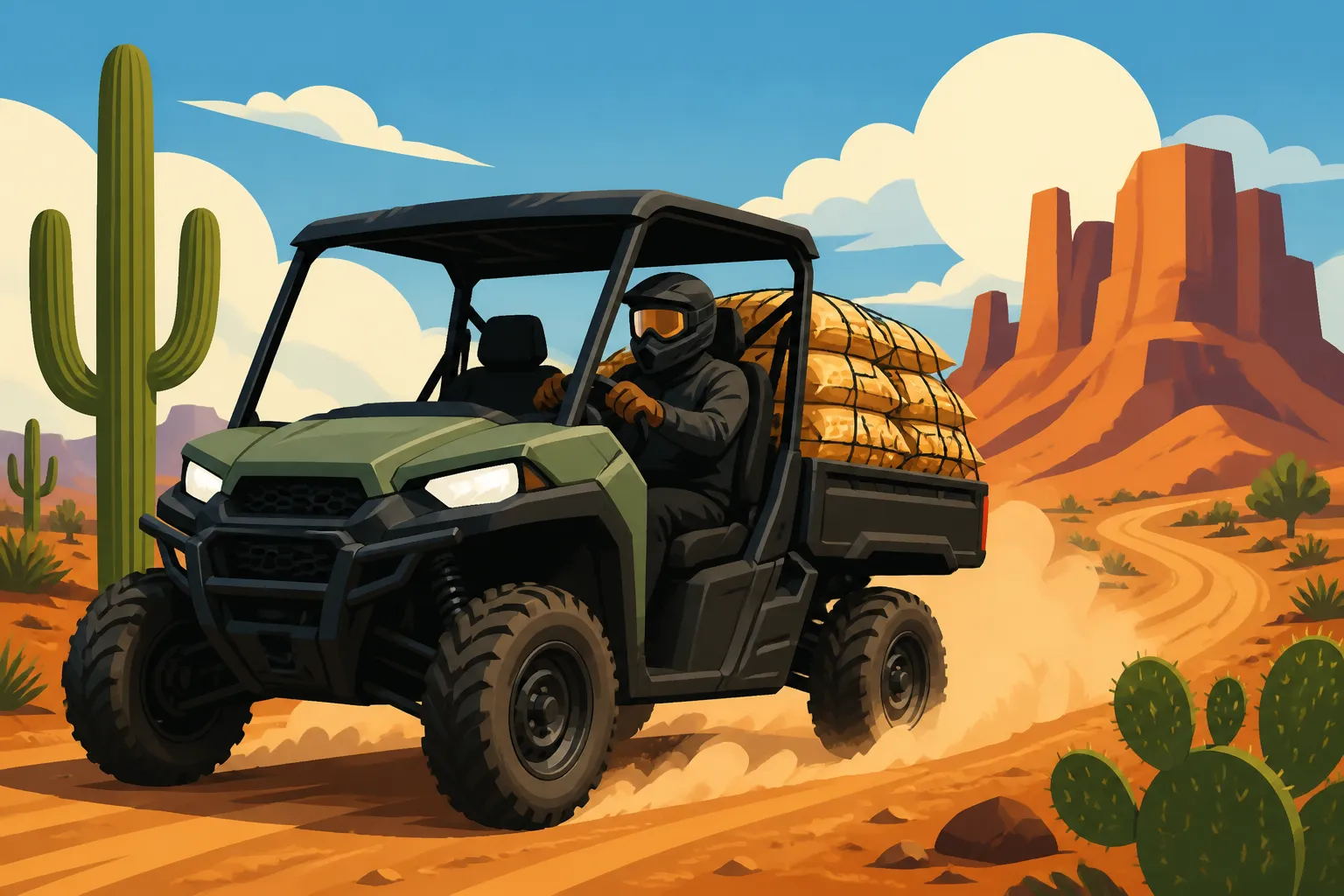
Hauling Feed by UTV on a Desert Road
Anyone who lives, works, or plays out in Arizona's expansive desert knows the constant grind of getting things done in a remote setting. Hauling feed to livestock, delivering supplies to a far-flung water tank, or simply moving heavy tools across your property can be a real headache, especially if you're relying on a truck that's too big for the rough two-track or a quad that can't carry enough. That's where your trusty UTV often steps in, but using it on those public desert roads—even just to get from one section of your ranch to another—comes with its own set of rules and challenges. This guide is all about navigating those regulations and practical considerations so you can safely and legally haul feed and other necessities using your UTV on Arizona's desert roads.
Understanding Arizona's Rules for UTVs on Desert Roads
When you're out in the wide-open spaces of Arizona, it’s easy to feel like the rules don’t quite apply the same way they do in town. But even on a dusty desert road, the Arizona Motor Vehicle Division (MVD) and local law enforcement have specific expectations for how your UTV can be operated, especially if you’re carrying a load. Ignoring these can lead to fines, citations, or worse, an accident.
When Your UTV Can Hit the Pavement
The biggest hurdle for using your UTV on any public road—be it a county-maintained dirt road, a paved rural highway, or even a short stretch of pavement to cross a wash—is its legal status. In Arizona, a UTV is primarily considered an Off-Highway Vehicle (OHV). This means it's designed for off-pavement use and comes with specific registration requirements, primarily the annual OHV decal. However, being an OHV doesn't automatically grant you road access.
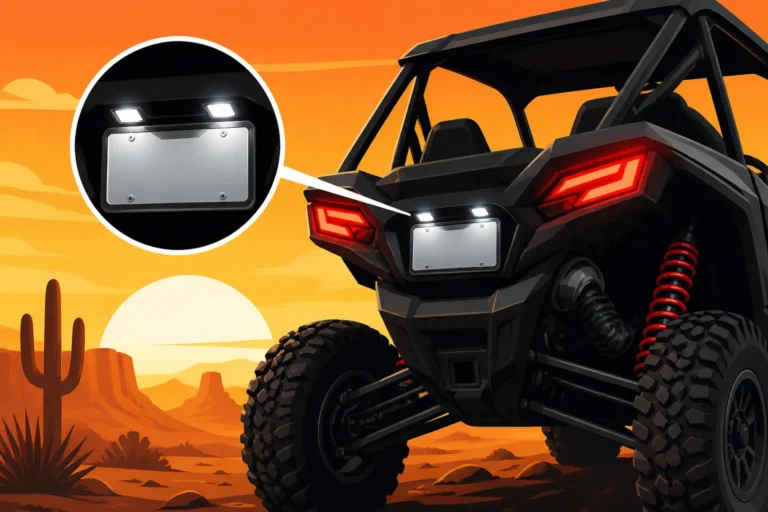
To legally operate your UTV on most public roads in Arizona, it needs to be "street legal." This isn't just a suggestion; it’s a strict requirement for safety and compliance. [Making a UTV Street Legal in Arizona] involves adding specific equipment that transforms your trail machine into something suitable for sharing the road with other vehicles. Think about what a car needs: headlights, brake lights, turn signals, mirrors. Your UTV needs those same basic components, along with a few others. Without these modifications, you're limited to strictly off-highway trails or private land.
When you convert your UTV to be street legal, you’re adding things like DOT-approved tires that can handle pavement, a windshield to protect from debris, and a horn that can be heard. These aren't just for show; they're critical safety features. Beyond the physical upgrades, you'll need to register it for street use and obtain a license plate. Don't forget that even with a street-legal setup, you’ll still need to display your [Arizona's Annual OHV Decal Explained]. The decal is about funding trails, not dictating where you can ride.
Agricultural Exemptions and Specific Use Cases
Many folks use UTVs as workhorses on their ranches, farms, or large properties, and it’s natural to wonder if there are special allowances for these types of machines. [Arizona OHV Rules for Ranch and Farm Machines] do offer some limited exemptions, primarily when the machine is used for actual agricultural purposes. For example, if you're driving your UTV solely on private ranch land that you own or lease, then the street-legal requirements generally don't apply, and in many cases, even the OHV decal isn't strictly necessary. [Do You Need a Decal on Private Arizona Land?]
However, the moment your UTV's tires touch a public road, even if it's a dirt county road connecting two parts of your ranch or accessing a remote feed lot, those agricultural exemptions often become much narrower or disappear entirely. The distinction here is crucial: "private road" means land that is not publicly maintained or accessible to the general public. A "county road," even if it’s unpaved and looks like a two-track through the desert, is still a public thoroughfare.
If your UTV, even one used for ranch work, needs to travel on a public road—be it a paved highway, a dirt county road, or even a designated Forest Service or BLM road—it must typically meet the same street-legal requirements as any other UTV. This means having the proper lighting, mirrors, and all the other components necessary for safe road operation. While you might occasionally see a UTV driving on a short stretch of rural road without all the street-legal bells and whistles, that doesn't mean it's compliant, and it's certainly not a risk worth taking when you're responsible for valuable feed or livestock. Always assume that if you're on a public road, even for a short distance to move feed, your machine needs to be street-legal and properly registered, in addition to having its current OHV decal.
Practicalities of Hauling Feed on Desert Roads
Once you understand the legal landscape, the next big piece of the puzzle is the actual mechanics of hauling feed. It's not just about tossing a few bags in the bed and going; there are crucial safety and practical considerations, especially when dealing with the varied terrain of Arizona's desert roads.
Securing Your Load: Feed, Water, and Supplies
Hauling feed, whether it’s bags of pellets, mineral supplements, or small bales of hay, introduces significant challenges. Your UTV's cargo bed might seem ample, but it has limits. Every UTV has a specified payload capacity, which includes not just the feed, but also passengers, fuel, and any other gear you're carrying. Exceeding this limit compromises handling, braking, and can put undue stress on your suspension and drivetrain, potentially leading to costly repairs or dangerous situations. Always check your UTV's owner's manual for its specific payload capacity.
Once you know your limits, the next step is securing the load. Desert roads are rarely smooth. They're often riddled with washboards, potholes, rocks, and sudden dips. Unsecured feed bags can quickly become projectiles, shifting weight dangerously and even flying out of the bed.
Here’s how to secure your load effectively:
- Tie-Downs are Your Best Friend: Invest in good quality ratchet straps or heavy-duty bungee cords. Loop them over and around your feed, securing them to anchor points in your UTV's bed. Make sure they're tight and re-check them after a few miles of driving, as loads can settle.
- Cargo Nets: For multiple, smaller bags, a cargo net can be invaluable. It creates a web of restraint, holding everything down evenly.
- Cargo Boxes or Bins: If you're hauling loose feed, mineral blocks, or smaller items, consider durable, weather-resistant cargo boxes. Some UTVs have integrated storage, or you can add aftermarket options. Companies like SuperATV offer a range of cargo bed accessories, from full cargo boxes to bed extenders and spare tire mounts, which can be invaluable for organizing and securing your haul. These can keep dust, rain, and curious critters out of your feed.
- Weight Distribution: Heavy items should be placed as low as possible in the bed and centered. Avoid stacking feed so high that it blocks your rear view or creates a top-heavy situation, especially if you're traversing side slopes or uneven terrain. If you're carrying a water tank, ensure it's specifically designed for UTV transport and properly baffled to prevent sloshing.
Remember, the goal is to have the feed move with the UTV, not independently. A shifting load can cause loss of control, especially when braking or navigating tight turns.
Navigating Desert Roads with a Load
Driving a UTV with a heavy load of feed is a completely different experience than zipping around empty trails. Every aspect of your machine's performance will be affected, and your driving style needs to adapt accordingly.
- Braking Performance: A loaded UTV takes much longer to stop. Anticipate stops and begin braking earlier. This is especially critical if you're descending a hill or approaching a blind curve. The added weight puts extra strain on your brakes, so ensure they are in top condition before you head out.
- Altered Handling: The center of gravity changes with a heavy load, making your UTV less responsive and more prone to body roll. Cornering at speed, especially on loose gravel or dirt, becomes riskier. Take turns slower, and avoid sudden steering inputs.
- Increased Wear and Tear: Your suspension, tires, and drivetrain will work harder. Pay attention to how your UTV feels. If you notice excessive bouncing or sagging, you might be overloaded or your suspension needs attention.
- Visibility: A tall stack of feed bags can completely obscure your rear view. Rely on your side mirrors, but also be extra cautious when backing up or merging. Consider adding a wide-angle rearview mirror if your machine doesn't have one.
- Desert Road Challenges: Arizona's desert roads present unique obstacles. Washboard roads, common in the desert, can shake loose even a well-secured load and cause vibrations that are tough on both you and your machine. Deep sand, rocky sections, and wash crossings demand slower speeds and careful throttle control. Be aware of [Dust Behind You on a Desert Road], which can reduce visibility for both you and any vehicles following you. You also need to be vigilant for wildlife, from javelina to deer, which can dart out unexpectedly.
Maintenance and Safety Considerations for Ranch UTVs
When your UTV is a working ranch machine, especially one that regularly hauls heavy loads on challenging desert roads, its maintenance schedule and the safety gear you carry become even more critical. These aren't just recreational rides; they're essential tools for your livelihood or property management.
Pre-Ride Checks and Post-Haul Maintenance
A UTV subjected to the stresses of hauling feed needs a more rigorous maintenance routine. Every time you prepare for a haul, a quick pre-ride inspection can prevent major headaches down the road.
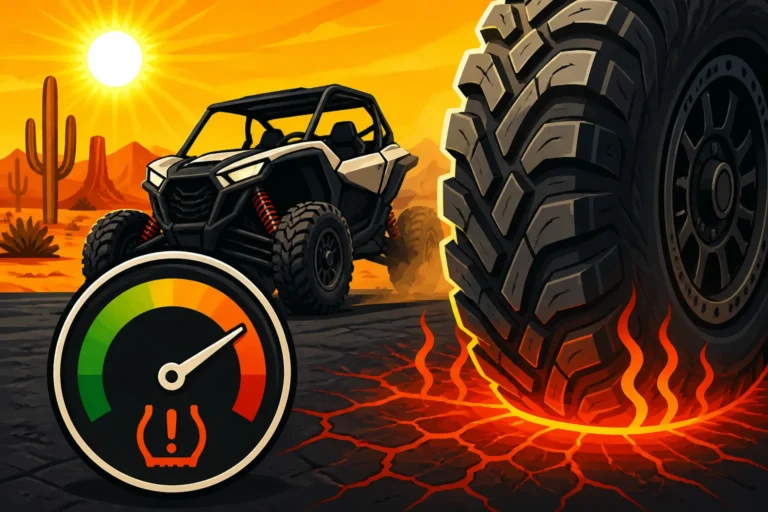
- Tire Pressure: Check your tire pressure before each trip. Too little air can lead to sluggish handling and increased risk of flats, while too much can reduce traction and make the ride harsh. Refer to your owner's manual for recommended pressures, and remember that some riders adjust slightly for heavy loads, but always stay within the tire's maximum limits.
- Fluid Levels: Ensure engine oil, coolant, and brake fluid levels are all at their proper marks. Hauling heavy loads can generate more heat and stress the engine, making proper fluid levels crucial.
- Brake Inspection: Visually inspect your brake pads and rotors. Because hauling significantly increases braking demands, wear will accelerate. Test your brakes before you commit to a heavy load.
- Suspension Components: Look for any signs of damage or excessive wear on shocks, springs, and A-arms. Pay attention to unusual noises or excessive sag when the machine is loaded. Aftermarket heavy-duty springs or shocks can be a wise investment for UTVs consistently used for hauling. Products from brands like SuperATV often include heavy-duty springs, lift kits, and suspension components designed to withstand greater stress and improve ground clearance, which can be a real boon for a ranch UTV.
- Steering and Drivetrain: Check for any looseness in the steering components. Listen for unusual noises from the transmission or axles, especially when accelerating or going over bumps.
After each hauling trip, especially if you’ve been on dusty, rocky, or muddy desert roads, a quick post-haul check-up is advisable. Clean any accumulated dust and debris from the radiator and air filter to prevent overheating and ensure optimal engine performance. Wash down the chassis to prevent dirt and corrosive elements from damaging components. These simple steps can significantly extend the life of your UTV and prevent unexpected breakdowns when you need it most.
Essential Gear for Desert Road Hauling
Being prepared for the unexpected is paramount when operating in remote Arizona desert environments, particularly when you're loaded down with feed. A breakdown or an accident can leave you stranded, so having the right gear on board is non-negotiable.
- Tools and Repair Kit: A basic tool kit including wrenches, sockets, pliers, and a screwdriver set is essential. A tire repair kit (plugs, air compressor, patch kit) is a lifesaver for flats. Consider carrying a spare tire if your UTV allows for it.
- Water, Water, Water: Arizona heat is no joke. Always carry more water than you think you’ll need for yourself, any passengers, and potentially for a machine that might overheat.
- First Aid Kit: A comprehensive first aid kit is crucial for any minor injuries or emergencies.
- Communication Device: Cell service is often spotty or nonexistent in many parts of the Arizona desert. Carry a satellite messenger or a two-way radio to ensure you can call for help if needed. [Carrying a Satellite Messenger in the Arizona Desert] can literally save lives.
- Navigation: While you might know your property like the back of your hand, a GPS device or a reliable map (digital or physical) can be invaluable for unexpected detours or if you become disoriented.
- Safety Gear: Even for short trips on a county road, wearing appropriate safety gear is paramount. This means helmets for all riders under 18 [Arizona Helmet Rules for Riders Under 18], and highly recommended for adults, along with eye protection, sturdy shoes, and long pants/sleeves to protect against sun and abrasions. Seat belts must always be worn.
- Recovery Gear: A small shovel, a tow strap, and even a compact winch (if not already installed) can help you get unstuck from soft sand or mud.
Insurance and Legalities Beyond the Decal
Operating a UTV on public desert roads for any purpose, especially hauling feed, brings additional legal and insurance considerations that go beyond simply having a decal. Understanding these is crucial to protect yourself, your machine, and your finances.
Insuring Your UTV for Road and Ranch Use
Just like any other vehicle that uses public roads, your UTV needs adequate insurance coverage, particularly if it's street-legal. Don't assume your existing homeowner's policy or even a basic OHV insurance policy will fully cover you for road incidents while hauling. [Insuring a Side-by-Side Used on a Ranch] involves specific considerations.
- OHV Insurance vs. Street-Legal Insurance: Standard OHV insurance primarily covers you for off-road use. If you've made your UTV street-legal and obtained a license plate, you’ll likely need a policy that provides coverage equivalent to a regular vehicle when you're on public roads. This typically includes:
- Liability Coverage: This is usually mandatory for street-legal vehicles and covers damages or injuries you might cause to others in an accident. Arizona has minimum liability requirements (e.g., 25/50/15, meaning $25,000 for bodily injury per person, $50,000 for bodily injury per accident, and $15,000 for property damage).
- Collision Coverage: Covers damage to your UTV if it collides with another vehicle or object.
- Comprehensive Coverage: Protects against non-collision incidents like theft, vandalism, fire, or damage from natural events (e.g., a monsoon storm taking out your machine).
- Agricultural/Commercial Use: Inform your insurance provider that you will be using your UTV for agricultural work and on public roads, especially if you're regularly hauling feed. Some policies might have exclusions for commercial or agricultural use, or they might require a specific rider or endorsement to ensure you're fully covered. An accident on a county road while hauling feed could be financially devastating if you're underinsured. [Arizona OHV Crash Reporting] outlines the responsibilities, and you want to be covered for the aftermath.
- Valuable Cargo: While insurance typically covers the vehicle itself, consider if your policy extends to the cargo you're hauling. If you’re carrying a substantial amount of feed or expensive equipment, ensure you understand what, if anything, would be covered if it were damaged or lost in an incident.
It’s always best to speak directly with an insurance agent who specializes in powersports and agricultural policies to ensure you have the right coverage for your specific use case.
Remaining Compliant and Avoiding Fines
Beyond insurance, simply following the letter of the law can save you from costly fines and legal hassles. Law enforcement, whether it's a local sheriff's deputy or a Game and Fish ranger, can and will enforce road rules on desert county roads.
- Current Registration and Decal: Ensure your UTV's registration is current and that your [Where the Arizona OHV Decal Goes on the Plate] is properly displayed. If your UTV is street-legal, make sure your license plate is also clearly visible.
- Proper Equipment: All the street-legal modifications you installed must be functional. Headlights, taillights, brake lights, turn signals, mirrors, horn – they all need to work. Check them regularly.
- Driver's License and Age Restrictions: The operator of a street-legal UTV on public roads must possess a valid driver's license. Standard age restrictions for drivers apply, just as they would for a car or truck.
- Impoundment: Operating an unregistered, undecaled, or non-street-legal UTV on public roads can lead to a citation, and in some cases, your machine could be impounded, creating a huge logistical and financial headache when you need to haul feed.
- Open Container and DUI Laws: Just like driving any other vehicle, [Arizona Alcohol Limits for OHV Operators] apply strictly to UTVs on public roads. Open container laws are also in effect. Do not operate your UTV under the influence of alcohol or drugs.
By understanding and adhering to these regulations, you can ensure your UTV remains a reliable and legal workhorse for hauling feed and other necessities across Arizona’s vast and beautiful desert landscape.
Disclaimer
This article is for general informational purposes only and does not constitute professional advice. Laws, prices and regulations vary by location and change over time. Consult a qualified professional for guidance on your specific situation.