Crossing an Arizona Interstate on a Quad
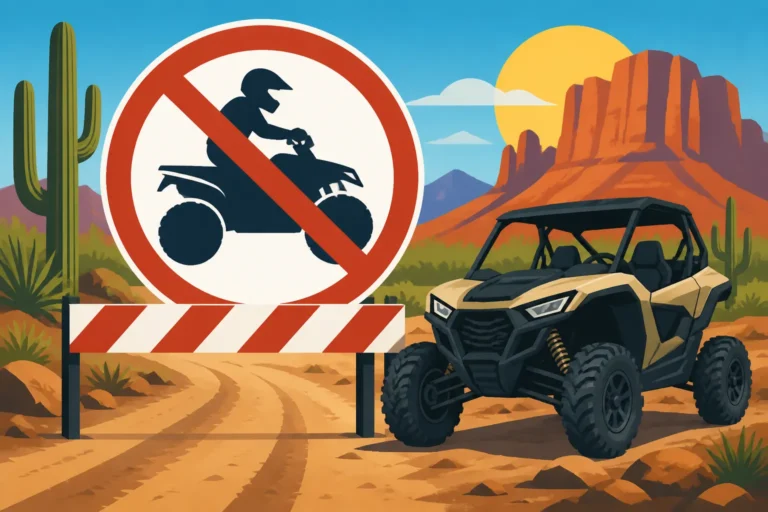
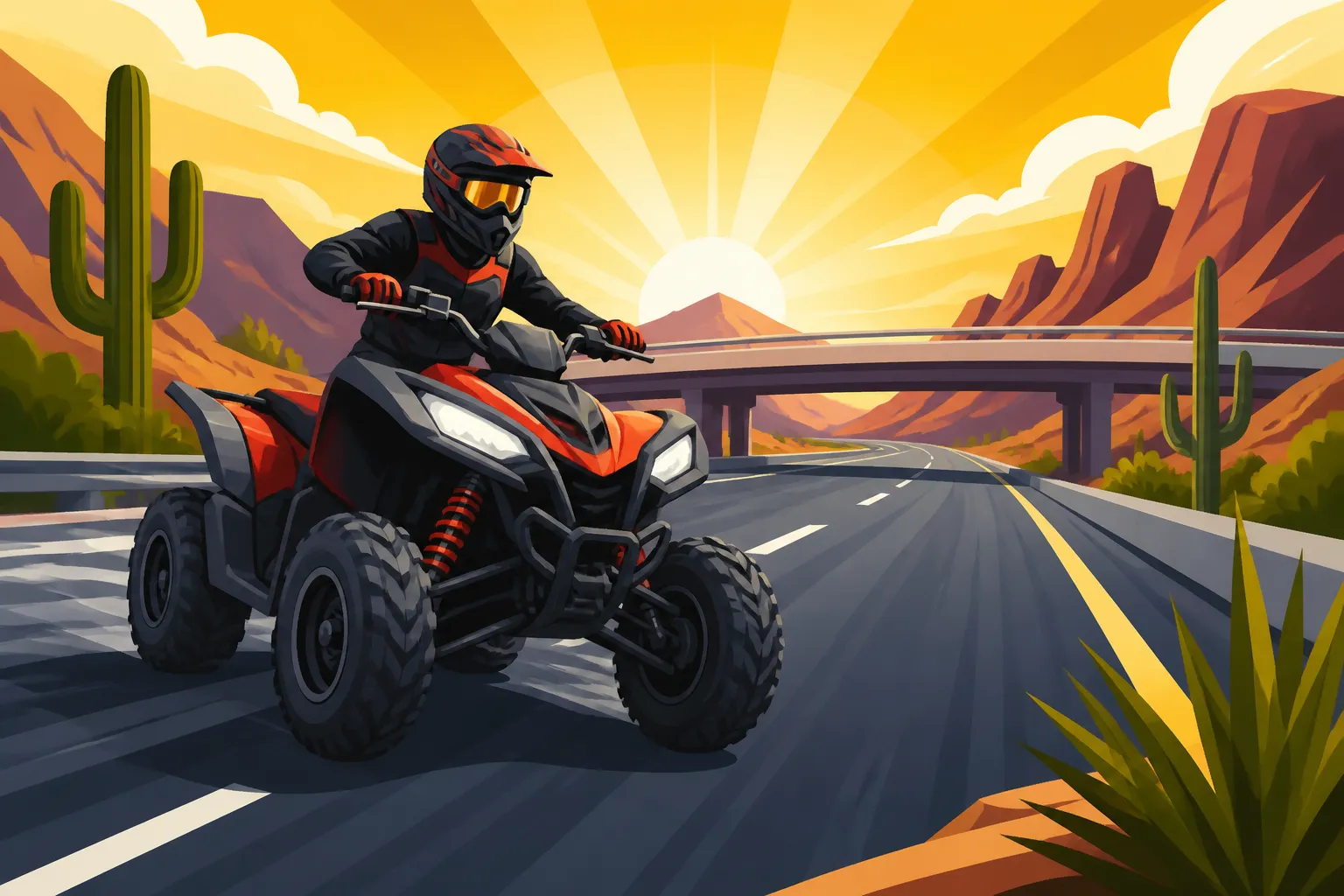
It’s a scenario many Arizona ATV and UTV riders have faced: you’re out exploring the incredible trails our state offers, enjoying the freedom of the desert, when suddenly, a major interstate highway blocks your path to the next riding area. The thought might pop into your head: "Can I just hop on this interstate for a quick minute to get to the other side?" It’s a completely understandable thought, given how often these ribbons of pavement dissect our favorite off-road landscapes. However, the reality of crossing an Arizona interstate on a quad or side-by-side is far more complex than it might seem, often involving strict legal prohibitions and significant safety risks. This guide will thoroughly explain why this isn't typically an option and what safe, legal alternatives you have for navigating around these major arteries.
Understanding Arizona's Interstate Regulations for OHVs
When you're out on the trails, especially when you encounter pavement, it's easy to think all roads are created equal. But Arizona's highway system, particularly its interstates, operates under a very different set of rules compared to the county roads, forest service routes, or even many state highways that are open to street-legal OHVs. The distinction is crucial, not just for legality, but for your safety.
Why Interstates Are Different From Other Roads
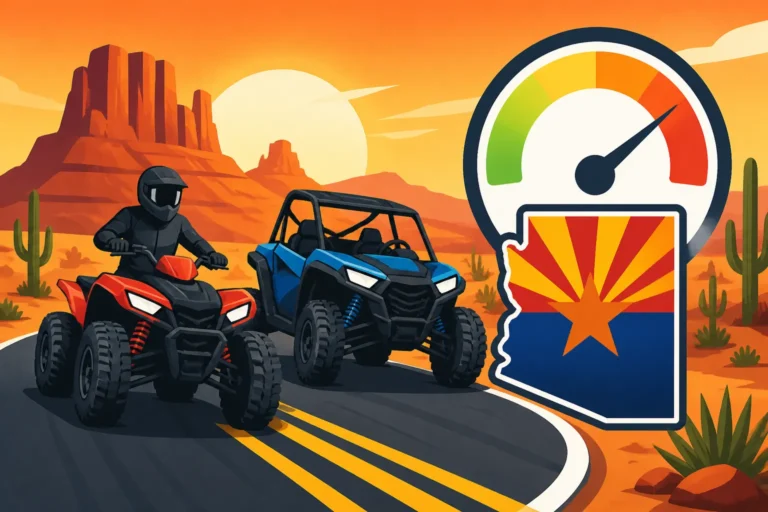
Interstate highways are designed for high-speed, continuous flow traffic. We're talking vehicles traveling at 75 miles per hour, sometimes even faster, with heavy truck traffic. They have specific minimum speed limits, and vehicles unable to maintain those speeds are explicitly prohibited. Your typical ATV or UTV, even one decked out with all the street-legal bells and whistles, just isn't built for that environment. The engineering—from the engine's power output to the suspension, tires, and overall stability—is optimized for off-road or lower-speed paved conditions, not for sharing a lane with a semi-truck doing 70 mph.
Think about the sheer scale of the vehicles around you on an interstate. Your machine, while mighty in the desert, is tiny in comparison. The turbulence from passing vehicles, the extended distances between exits, and the inherent design of the OHV itself make it a dangerous proposition. The frustration of seeing a trail continue just on the other side of an interstate is real, but accepting that this particular type of road is off-limits is the first step toward safe and legal riding.
The Specific Laws That Apply
Arizona law, enforced by the Department of Transportation and local law enforcement, categorizes vehicles based on their design, speed capabilities, and intended use. While an off-highway vehicle can be made "street legal" in Arizona for use on many public roads, this designation almost never extends to interstates. The key factor here is the vehicle's ability to safely maintain the minimum speed limit, which is often 40-45 mph on an interstate, and to keep pace with the flow of traffic. Most OHVs, even larger UTVs, struggle to do this safely or consistently without over-stressing the engine, overheating, or becoming unstable.
Furthermore, specific prohibitions often exist for certain vehicle types on controlled-access highways like interstates. These laws are in place for the safety of all drivers. So, while you might have gone through all the steps to get your side-by-side an [MC Plate and Street-Legal Machines] and meet all the requirements for [Making a UTV Street Legal in Arizona], including turn signals, mirrors, and a horn, these modifications are generally for lower-speed roads like county roads and state highways, not for the interstate system. The law makes a clear distinction here, and ignoring it can lead to serious consequences.
The Realities of a "Street-Legal" OHV and Interstates
You've probably seen plenty of side-by-sides cruising through small Arizona towns or on paved county roads. It’s a fantastic way to link up trails or grab a burger in a trail-friendly community. However, there's a significant difference between being "street-legal" for these types of roads and being authorized—or safe—for interstate travel. It’s not just about adding a few accessories; it’s about the fundamental design and capability of your machine.
What Qualifies an OHV for Road Use (and What Doesn't for Interstates)
To be considered street legal in Arizona, an OHV needs quite a few additions beyond its factory setup. We're talking about things like a rearview mirror, a horn audible from 200 feet, headlamps and taillamps, brake lights, turn signals, and a windshield if the machine didn't come with one. You also need proper registration, an Arizona license plate, and liability insurance. Companies like SuperATV offer a wide array of quality accessories, from their robust full windshields to their durable turn signal kits, that help you meet these requirements. Many riders also upgrade their tires for better on-road performance and install quieter exhaust systems to comply with noise ordinances. These are all crucial for making your machine a legitimate, safe presence on local roads.
However, even with all these essential modifications and upgrades – say, you've got the best aftermarket suspension and a set of DOT-approved tires from a reputable brand like SuperATV – your quad or side-by-side still fundamentally remains an off-highway vehicle. Its engine, frame, and overall dynamics are designed for agile off-road maneuvers or, at best, moderate speeds on paved roads. They are not engineered to sustain high speeds for extended periods on an interstate, nor are they built to withstand the force of impact from a high-speed collision with a passenger car or commercial truck. The distinction is less about what you've added to it, and more about what it is at its core. This is why even a perfectly street-legal side-by-side isn't cleared for interstate travel. You can get an [Arizona Registration for a New Resident] or [Titling an ATV at an Arizona MVD Office], but those documents don't automatically grant interstate access.
Safety Concerns Beyond Legality
Even if, by some stretch, specific signage or a unique local ordinance allowed for brief interstate travel, the safety risks are monumental and should always be your primary concern.
- Visibility: Your ATV or UTV is a small vehicle. On an interstate, surrounded by cars, SUVs, and massive semi-trucks, you are incredibly difficult to see, especially at speed. Even with bright lights and a [Whip Flags on a Road Section of a Ride], you're still a tiny speck in a chaotic, fast-moving environment. Drivers in larger vehicles may not anticipate or see a smaller OHV, leading to dangerous situations.
- Stability and Handling: Off-road machines are often designed with a higher center of gravity and suspension travel that's fantastic for tackling bumps and rocks, but less ideal for stable, high-speed cornering or sudden evasive maneuvers on pavement. Wind buffeting from trucks can make your machine unstable, and sudden lane changes can be terrifying.
- Tire Performance: While you can get DOT-approved tires for street use, many off-road-centric tires will wear rapidly and perform poorly at sustained interstate speeds, potentially leading to blowouts or reduced traction. Heat buildup in tires not designed for such conditions is a serious concern.
- Collision Risks: This is the grim reality. In the event of a collision on an interstate, an OHV offers minimal protection to its occupants compared to a passenger car. The difference in mass and speed involved means the consequences for OHV riders are catastrophic. You might have excellent [Arizona Insurance Minimums for Road Riding] for street-legal use, but an interstate collision often means life-altering injuries or worse.
Considering these factors, the idea of crossing an Arizona interstate on a quad quickly shifts from a question of convenience to a serious assessment of risk.
Practical Strategies for Crossing Interstate Corridors
So, you're faced with an interstate standing between you and your next adventure. Since direct interstate travel on your OHV is almost universally off-limits and unsafe, what are your viable options? The good news is that there are several legal and safe ways to navigate these major transportation arteries without putting yourself or others at risk.
Utilizing Overpasses and Underpasses
This is the most common, legal, and safest method for OHV riders to cross an interstate. Interstates, by design, are built with a network of overpasses and underpasses where local roads, state highways, or even designated county roads traverse them. Instead of trying to ride on the interstate, you need to find the nearest public road that goes over or under it.
These crossing points are designed for all types of vehicular traffic, including properly equipped street-legal OHVs on routes where they are permitted. This means you can often ride your street-legal side-by-side or quad on the connecting roads to reach an overpass or underpass, cross the interstate safely on a designated bridge or tunnel, and then continue your journey on the other side. Always pay close attention to local signage, as some specific roads or bridges might still have OHV restrictions. Knowing the route from [Riding Town to Trailhead in Arizona] can help you map out these crossings. Plan your route carefully using maps (both paper and digital) to identify these crossing points before you even hit the dirt.
For example, if you're riding near Flagstaff and need to get from one side of I-40 to the other, you'd look for an exit that has a state route or county road crossing via an overpass. You might use a road like Historic Route 66, which often parallels or crosses interstates, to find these safe passage points. Similarly, when navigating specific routes like [Crossing US-60 on a Machine], you'll be directed to designated intersections, not onto the main highway lanes.
Trailering Your Machine
When overpasses or underpasses aren't conveniently located, or if you're dealing with a non-street-legal machine, the most straightforward and secure solution is to trailer your OHV across the interstate. This is perhaps the most common approach for serious off-road enthusiasts who frequently explore different trail systems across Arizona.
Loading your ATV or UTV onto a trailer and hauling it with a truck allows you to travel any distance on the interstate system, legally and safely, without worrying about the machine's street-legal status or its suitability for high speeds. Once you're on the other side, or at your desired staging area, you simply unload your machine and hit the trails. This method eliminates all the legal and safety concerns associated with riding an OHV on an interstate.
If you're like many riders, you might already have a capable trailer for this purpose. If you're new to trailering, remember the importance of proper tie-downs and securing your machine to prevent shifting during transit. SuperATV, known for its rugged accessories, also offers various cargo solutions and accessories that can help ensure your machine stays put, whether you're transporting it across town or across the state. Remember, [Trailer Registration for Hauling Quads in Arizona] is also a requirement for your tow-behind equipment.
Avoiding Interstates Entirely
Sometimes, the best solution is simply to plan a route that completely bypasses major interstates. Arizona has an extensive network of backroads, county roads, and [Arizona Roads Open to OHVs] that can often serve as alternative routes, even if they add a bit more time or mileage to your journey. This might mean exploring less-traveled paths, utilizing older state highways, or taking a scenic detour through a smaller community.
While it might seem frustrating to add extra miles to avoid a short hop on an interstate, the peace of mind that comes with staying on legal and safe roads is invaluable. Plus, these detours often lead to discovering new landscapes, small-town eateries, or hidden gems you might have otherwise missed. Always carry detailed maps (both digital and paper) and have a good GPS system to help you navigate these alternative routes. Sometimes, the journey around the obstacle is just as rewarding as the destination itself.
The Consequences of Unauthorized Interstate Riding
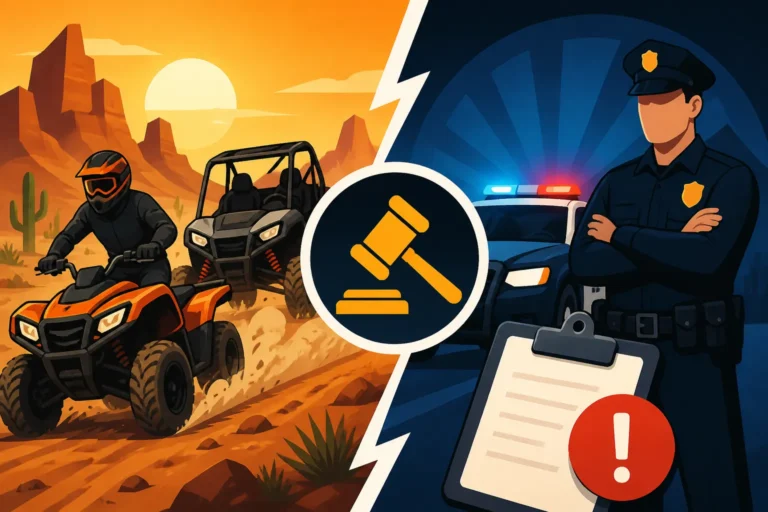
It's tempting to think that a quick dash across an interstate might go unnoticed, especially if you only need to cover a short distance. However, the risks associated with unauthorized interstate riding on an OHV are severe, encompassing significant legal penalties, insurance complications, and, most critically, the potential for devastating personal injury or fatality. It's simply not worth it.
Fines and Legal Penalties
Arizona law enforcement, including the Department of Public Safety (DPS) which patrols interstates, takes violations of highway safety very seriously. If you're caught operating an OHV on an interstate where it's prohibited, you could face:
- Significant Fines: These are often substantial, much higher than a typical traffic ticket for a minor infraction.
- Vehicle Impoundment: Your OHV could be impounded on the spot, leading to costly towing and storage fees, in addition to the hassle of retrieving it.
- Criminal Charges: Depending on the specific circumstances, such as if you were speeding, driving recklessly, or posed an extreme hazard to other motorists, you could face more serious criminal charges beyond a simple traffic citation. This could include charges like [Arizona Penalties for Reckless Riding].
- Points on Your Driving Record: Such violations can add points to your driver's license, potentially leading to increased insurance premiums or even suspension of your driving privileges. [Arizona Fines for Illegal Road Riding] can accumulate quickly.
These penalties are designed to deter unsafe behavior on high-speed roadways and reflect the severe risks involved.
Insurance and Liability
One of the most overlooked consequences of unauthorized interstate riding is the complete lack of insurance coverage. While your street-legal OHV policy provides liability and potentially collision coverage for approved road use, it almost certainly has exclusions for operating the machine in areas where it is expressly prohibited by law, such as interstates.
This means that if you're involved in an accident on an interstate while riding your OHV illegally, your insurance company could deny any claims. You would be personally responsible for:
- All Damages: This includes repairs to your OHV, damages to other vehicles, and any property damage.
- Medical Bills: If you or anyone else is injured, you would be liable for all medical expenses, which can quickly amount to hundreds of thousands of dollars.
- Legal Defense: You would also bear the cost of any legal defense required if you are sued by other parties involved in the accident.
The financial fallout from such an incident could be catastrophic, far outweighing any perceived convenience of a brief interstate crossing.
The Human Cost
Beyond the legal and financial ramifications, the most profound and tragic consequence of riding an OHV on an interstate is the potential for serious injury or fatality. As discussed earlier, OHVs offer minimal protection in high-speed collisions. The odds are stacked against you in an environment where heavy vehicles travel at freeway speeds.
Riders pursue off-roading for the thrill, the freedom, and the connection with nature, but none of that is worth risking your life or the lives of others. The frustration of an impassable interstate can be immense, but choosing a legal and safe alternative—whether an overpass, an underpass, or trailering—is always the responsible choice. There's an abundance of incredible riding to be had in Arizona; ensuring you return home safely after every adventure is paramount.
Disclaimer
This article is for general informational purposes only and does not constitute professional advice. Laws, prices and regulations vary by location and change over time. Consult a qualified professional for guidance on your specific situation.