Arizona Helmet Rules for Riders Under 18
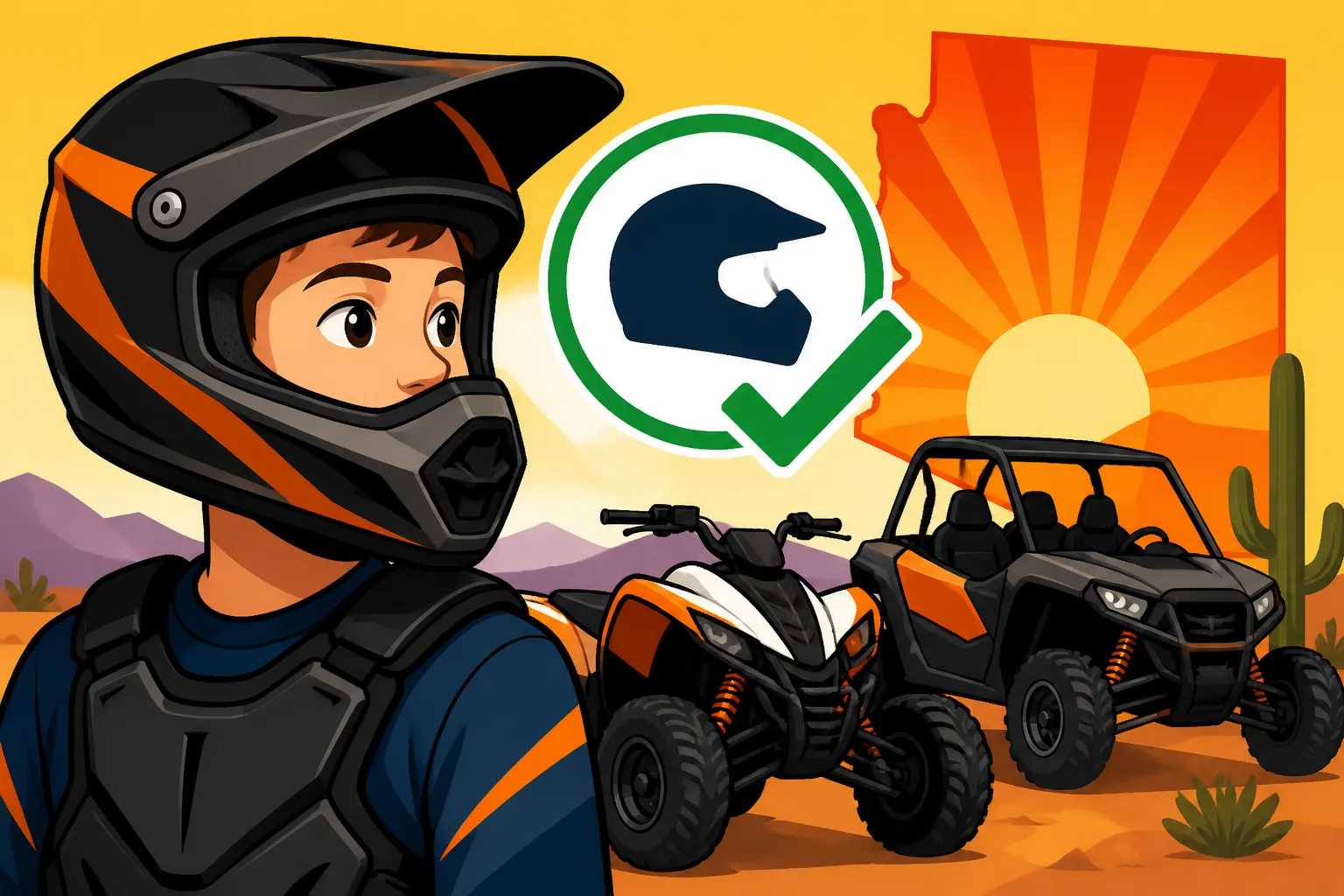
Riding the stunning trails and vast open spaces of Arizona with your kids is an experience like no other, but navigating the rules, especially those around safety gear for young riders, can feel like trying to read a dusty old map without a compass. This guide will cut through the confusion surrounding Arizona's helmet laws for riders under 18, detailing exactly who needs to wear one, what type of helmet is required, and why these rules are so crucial for keeping our younger generation safe on the trails.
Why Arizona's Helmet Laws Prioritize Young Riders
As a lifestyle blogger dedicated to the Arizona ATV & UTV scene, I've seen firsthand how exhilarating and sometimes unforgiving our desert and mountain trails can be. It's a passion we often share with our children, and because of that, Arizona has put in place specific laws to protect our youngest adventurers. These aren't just arbitrary rules; they're born from a deep understanding of the risks involved and the unique vulnerabilities that young riders face when operating or riding as passengers on off-highway vehicles (OHVs).
Imagine the excitement of a family ride through the Saguaros, but then consider the sudden change in terrain, an unexpected rut, or a moment of inexperience that can lead to a tumble. For an adult, these incidents can be serious, but for a child, whose skull is still developing and whose reaction times might not be as sharp, the consequences can be catastrophic. The state's focus on riders under 18 isn't about stifling fun; it's about safeguarding their future, ensuring they can continue to enjoy this incredible sport for years to come. It’s about being proactive rather than reactive, preventing injuries before they even happen. This commitment to youth safety is woven into the fabric of Arizona's OHV regulations, from specific training requirements to the fundamental mandate of head protection.
The Statistics Behind Youth Helmet Requirements
It’s easy to dismiss safety regulations as inconvenient, but when you look at the cold, hard facts, the reasoning becomes incredibly clear. Studies consistently show that head injuries are one of the leading causes of death and serious disability in ATV and UTV accidents, especially among children. A child's head-to-body proportion is different from an adult's, making them more susceptible to head trauma during a rollover or ejection. Their neck muscles aren't as strong, and their developing brains are more fragile. Even a seemingly minor impact can have lasting effects.
When emergency rooms in Arizona see OHV-related injuries, a significant percentage involve young riders, and tragically, many of the most severe cases could have been mitigated with proper helmet use. The data doesn't lie: helmets save lives and prevent debilitating injuries. They absorb impact, distribute force, and protect the most vital organ in the human body. These aren't just numbers on a page; they represent real families and real lives impacted by preventable accidents. This stark reality is precisely why Arizona doesn't mince words when it comes to helmet laws for those under 18, viewing them as a critical layer of protection for our youth.
Vulnerabilities of Young Riders on ATVs and UTVs
Beyond the raw statistics, there are specific developmental and physical vulnerabilities that make young riders particularly at risk without proper head protection. Children often have less experience judging terrain, speed, and potential obstacles. Their peripheral vision might not be fully developed, and their decision-making processes are still maturing, leading to impulsive actions that adults might avoid. Think about a teenager pushing the limits a bit, or a younger child getting distracted by something on the trail – these are common scenarios that can quickly turn dangerous.
Furthermore, children operating machines might not have the physical strength or coordination to handle a sudden swerve or a steep incline as effectively as an adult. They might struggle to maintain control on uneven surfaces, or their smaller stature might make it harder to reach controls or see over obstacles. When you combine these factors with the inherent risks of off-road riding, a helmet isn't just a suggestion; it's an absolute necessity. It acts as a final line of defense against the unforgiving forces of impact, protecting the brain from trauma that could forever alter a child's life.
Who Must Wear a Helmet Under Arizona Law
Arizona's OHV laws are quite clear on the subject of helmets for young riders, and it's essential for every parent and guardian to understand them inside and out. The rules primarily revolve around age and the type of land you're riding on. Generally speaking, if you have a rider or passenger under the age of 18, a helmet is almost always a requirement when operating an OHV on public lands or roads where OHVs are permitted. This isn't a guideline; it's a legal mandate designed to protect the most vulnerable members of our riding community.
This blanket rule often catches out-of-state visitors by surprise, but it's a core tenet of responsible riding in Arizona. Whether your child is just learning on a small youth ATV or riding as a passenger in a powerful side-by-side, if they're under 18, their head needs to be protected. There are very few exceptions, and it's always safer to err on the side of caution. Even if you think a specific situation might fall into a gray area, strapping on that helmet is the smartest move you can make for your child's safety and your peace of mind.
Operators Under 18 on Public Lands and Roads
Let's get specific: if your child, who is under 18, is operating an OHV – be it an ATV, UTV, dirt bike, or any other machine designated as an off-highway vehicle – on any public land in Arizona, they must wear an approved helmet. This includes all state trust lands, Bureau of Land Management (BLM) land, Forest Service roads, and county roads where OHVs are permitted. [Arizona's 40,000 Miles of OHV Trail] covers a vast amount of terrain, and wherever those trails lead on public ground, the helmet rule for young operators applies.
This also extends to situations where a street-legal OHV is being operated on public roads. While certain machines can be made street legal in Arizona, the age-related helmet requirements do not disappear just because you're on pavement. A 16-year-old driving a street-legal UTV to a trailhead still needs that helmet. There's no escaping this crucial safety measure until they hit their 18th birthday. It’s a foundational rule for safe OHV operation for anyone under that age, regardless of the machine's street legality or the specific public thoroughfare.
Passengers Under 18: No Exceptions
It's not just the person behind the handlebars or steering wheel who needs to be protected. Arizona law is equally stringent when it comes to passengers under the age of 18. If a child or teenager is riding as a passenger in an OHV on public lands or roads, they too must wear an approved helmet. This is a common point of confusion, especially for families riding side-by-sides with multiple seats. Parents sometimes assume that because the child is safely buckled into a roll-cage-equipped UTV, a helmet isn't necessary. This is a dangerous misconception.
Think about the forces involved in a sudden stop, a sharp turn, or an unexpected impact. Even within the confines of a UTV, a child's head can strike the roll cage, another passenger, or even the ground if the vehicle tips. The helmet provides that critical layer of cushioning and protection. So, whether your 10-year-old is riding shotgun in your Polaris RZR or your 15-year-old is in the back seat of a Can-Am, if they're under 18, their head needs to be secured inside a certified helmet. This rule is designed to safeguard all young occupants, recognizing that the risks aren't exclusive to the operator. For more on what's expected when it comes to minor riders, check out [Arizona Rules for a Child Passenger].
The Nuance of Private Land and Exemptions
Now, this is where things can get a little nuanced, and it's important to understand the distinctions. Arizona's state laws regarding helmet requirements for riders under 18 primarily apply to public lands, roads, and trails. This means that if you are riding exclusively on private property that you own or have explicit permission to use, the state's helmet laws for minors generally do not apply. For example, if you have a sprawling ranch outside of Prescott and your kids are riding their quads solely within your property lines, state helmet mandates for minors typically wouldn't be enforced by state authorities.
However, and this is a huge "however," just because it might be legally permissible on private land doesn't mean it's safe or advisable. As a parent, you have a moral and ethical responsibility to protect your child, and the physics of an OHV accident don't change whether you're on public land or private. The risk of head injury is still very real. Many experienced riders and safety advocates would strongly recommend that any minor riding an OHV wear a helmet at all times, regardless of the land ownership. After all, a head injury on your private property is no less severe than one on a national forest trail. Common sense and parental responsibility should always guide decisions about safety on private land, even when the law offers an exemption. Remember, even on private land, other safety rules, like those concerning age-appropriate machines, might still be applicable. For a deeper dive into these nuances, you might find [Do You Need a Decal on Private Arizona Land?] helpful, as it often touches on related topics.
Understanding Arizona's Approved Helmet Standards
It’s not enough to just throw any helmet on your child’s head and call it a day. Arizona law, like most states, specifies that helmets must meet certain safety standards to be considered legal and effective. This is critical because not all helmets are created equal, and a helmet designed for, say, bicycling, simply won't offer the protection needed for the higher speeds and impact forces associated with OHV riding. When you're outfitting your young rider, you need to look for specific certifications that indicate the helmet has undergone rigorous testing.
Choosing the right helmet involves more than just picking a cool color or a recognizable brand. It's about understanding the safety ratings, ensuring a proper fit, and recognizing that this piece of equipment is arguably the most important one your child will wear. A compliant helmet is engineered to absorb impact, distribute force, and resist penetration, all of which are vital in protecting a developing brain. Don't compromise on this, ever. Investing in a high-quality, certified helmet is an investment in your child's well-being and their ability to continue enjoying the thrill of the ride safely.
DOT-Compliant Helmets: The Gold Standard
When we talk about approved helmet standards in Arizona for OHV use, the benchmark is almost always "DOT-compliant." DOT stands for the U.S. Department of Transportation, and their certification means a helmet has met minimum safety performance standards. You'll typically find a "DOT" sticker on the back of any helmet that meets this standard. This sticker isn't just for show; it's a visible assurance that the helmet has been tested for impact absorption, penetration resistance, and retention system strength.
For any rider under 18 on public lands or roads in Arizona, a DOT-compliant helmet is the legal requirement. This isn't optional. When you're shopping for a helmet for your child, make sure you explicitly look for this certification. Helmets that don't carry the DOT sticker, even if they look sturdy or are labeled for other sports, may not provide adequate protection and won't meet legal requirements. Always double-check, and if you're ever in doubt, ask the retailer. Companies like SuperATV, for instance, offer a range of accessories, and while they might not sell helmets directly, they emphasize safety, and any helmet used with their products on Arizona trails should always meet DOT standards.
Beyond DOT: What Certifications Mean for Safety
While DOT certification is the minimum legal requirement in Arizona, there are other, often more stringent, safety certifications that indicate an even higher level of protection. These include Snell and ECE (Economic Commission for Europe) certifications. Snell, a non-profit organization, conducts even more rigorous tests than the DOT, often involving multiple impacts and different impact points. An ECE certification is widely recognized internationally and is known for its comprehensive testing protocols.
| Certification | Primary Focus | Key Features | Legal in Arizona for OHVs |
|---|---|---|---|
| DOT | Minimum Federal Safety Standard | Impact absorption, penetration, retention system. | YES (Required Minimum) |
| Snell | Enhanced Safety Performance | Multi-impact protection, higher energy absorption, wider range of test points. | YES (Exceeds DOT) |
| ECE | International Standard | Impact absorption, penetration, chin strap integrity, shell rigidity. | YES (Exceeds DOT) |
When you see a helmet with both a DOT sticker and a Snell or ECE sticker, you know you're getting a top-tier product. While Arizona law only mandates DOT, choosing a helmet with additional certifications provides an extra layer of peace of mind. It means the helmet has passed even tougher tests, offering superior protection in a wider range of accident scenarios. Especially for active young riders, investing in these higher-rated helmets is a smart decision, offering the best possible defense against serious head injuries.
Proper Helmet Fit and Maintenance
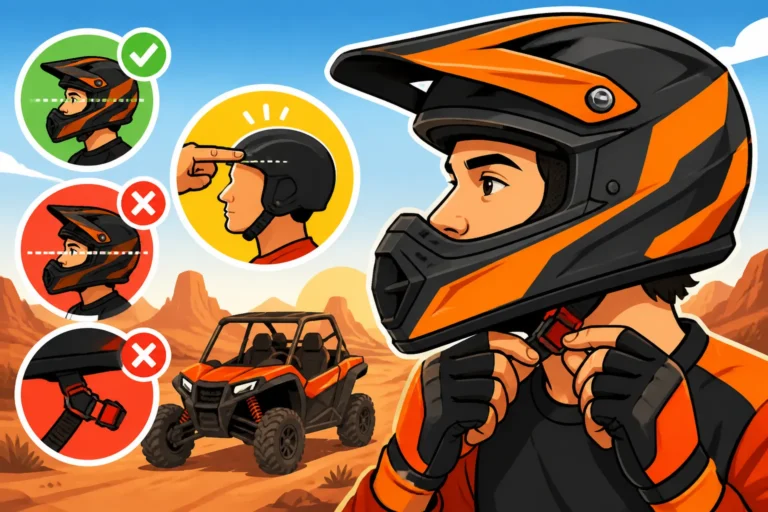
Even the most expensive, highly-rated helmet is useless if it doesn't fit correctly or isn't properly maintained. A helmet for a young rider must be snug but not uncomfortably tight, leaving no room for significant movement on the head. It shouldn't shift from side to side or forward and back when the chinstrap is fastened. The eye port should provide a clear, unobstructed view, and the chinstrap should be securely fastened so that the helmet cannot be pulled off. Many youth helmets come with different padding options to ensure a custom fit as a child grows.
It's crucial to measure your child's head circumference and consult the manufacturer's sizing chart. Remember, a child's head is still growing, so you'll need to check the fit regularly. Beyond fit, maintenance is key. Helmets should be stored in a cool, dry place, away from direct sunlight and harsh chemicals, which can degrade the helmet's materials. Inspect the helmet before each ride for any cracks, dents, or signs of wear. If a helmet has been involved in any significant impact, even if it looks fine on the outside, it should be replaced immediately. The internal foam, designed to absorb impact, can be compromised after a single hit, rendering it ineffective for future protection. Regularly checking for wear and tear, and replacing a damaged helmet, is just as important as the initial purchase. For more on ensuring your child's safety, consider reading [Fitting and Fastening a Helmet Properly].
Consequences of Non-Compliance: What Happens When Rules Are Broken
Nobody wants to deal with legal trouble, especially when you're out trying to enjoy a family day in the Arizona desert. But ignoring the helmet laws for young riders can lead to more than just a stern talking-to. Arizona takes the safety of its youth very seriously, and state law enforcement, including county sheriffs, game and fish officers, and BLM rangers, are well-versed in OHV regulations. Getting caught with an unhelmeted minor on board an OHV on public land or a permitted road can result in a citation, which comes with fines and other potential repercussions.
It's not just about the monetary penalty; it's about the message it sends. Ignoring these rules puts your child directly in harm's way and undermines the collective effort to promote safe and responsible OHV riding. The goal of enforcement isn't to be punitive but to reinforce the critical importance of safety. Understanding the potential consequences can serve as a strong motivator to always ensure every young rider has their DOT-compliant helmet securely fastened before hitting the trail.
Citations and Fines for Parents and Guardians
If a minor under the age of 18 is found operating or riding as a passenger on an OHV without a legally required helmet on public land or a designated OHV route, it's typically the parent or legal guardian who will receive the citation. Arizona law holds adults responsible for ensuring the safety and legal compliance of minors under their supervision. This means that even if you're not the one operating the machine, but your child is riding unhelmeted, you could be facing a fine.
The amount of the fine can vary, but these citations are not minor. They are designed to be a deterrent and to emphasize the seriousness of the violation. Beyond the financial cost, a citation can be a significant inconvenience, often requiring a court appearance or at least a focused effort to resolve the issue. It's a clear signal from the state that these safety regulations are not to be taken lightly. Avoid the hassle and ensure your kids are always geared up correctly. For more details on what might happen, refer to [Citations That Reach an Arizona Parent].
The Impact on Riding Privileges and Education Requirements
While a direct loss of OHV riding privileges for a minor due to a helmet violation isn't typically the first consequence, repeated offenses or involvement in an accident without a helmet could certainly lead to stricter enforcement actions down the line. What's more immediate is the potential impact on education requirements. Arizona already mandates an OHV Decal Course for many riders, especially those under 18. [Who Must Take the Arizona Decal Course] clearly outlines these requirements.
Getting a citation for a helmet violation could trigger additional mandatory safety courses or even more stringent oversight if it's seen as a pattern of unsafe behavior. The state's OHV program is heavily focused on education and safety awareness, and non-compliance with fundamental rules like helmet use goes against the very spirit of the program. Authorities want to see that riders, and especially young riders, are committed to safe practices. A violation indicates a gap in that commitment, which may necessitate further educational intervention before continued riding is fully sanctioned.
Insurance Implications After an Unhelmeted Incident
Beyond legal penalties, perhaps one of the most significant consequences of riding without a helmet – especially for a minor – comes from the insurance perspective. If a young rider is involved in an accident while not wearing a legally required helmet, any resulting head injuries could lead to severe complications with insurance claims. While OHV insurance might cover property damage or other bodily injuries, an insurer could argue that a head injury was exacerbated, or even caused, by the lack of a helmet, potentially reducing or denying coverage for related medical expenses.
Imagine the devastating financial burden of a serious head injury if insurance refuses to cover the costs. Medical treatments, rehabilitation, and long-term care for severe brain trauma can run into hundreds of thousands, if not millions, of dollars. This is a risk no parent wants to face. Insurance companies often have clauses regarding compliance with local laws and safety regulations. Failing to adhere to Arizona's helmet law for minors could be interpreted as a breach of your policy terms, leaving you personally liable for exorbitant medical bills. This alone should be a powerful incentive to ensure your child is always wearing an approved helmet. For more information on coverage, you might be interested in [Does a Homeowners Policy Reach Your Quad?].
Beyond Helmets: Other Safety Gear for Young Arizona Riders
While the helmet is undeniably the most critical piece of safety gear for young OHV riders in Arizona, thinking about safety shouldn't stop there. Off-road riding, by its very nature, exposes riders to various elements and potential hazards beyond head trauma. From flying debris and dust to potential abrasions and impacts, a comprehensive approach to protective gear is essential, especially for children whose bodies are still developing and who might not have the same instinctual reactions as experienced adults.
Outfitting your young adventurer from head to toe in appropriate gear isn't just about complying with regulations; it's about minimizing risks and maximizing comfort, allowing them to focus on the ride and learn safely. Just as a helmet protects the brain, other gear protects the eyes, skin, and limbs from common injuries. Companies like SuperATV offer many accessories that enhance the safety and functionality of your machine, but personal protective equipment remains paramount. This holistic approach ensures that young riders are as shielded as possible from the unpredictable nature of the desert trails.
Eye Protection: Goggles and Face Shields
After a helmet, robust eye protection is arguably the next most vital piece of gear for any OHV rider, especially children. Arizona's desert environment is beautiful, but it's also harsh. Riders face dust, dirt, kicked-up rocks, branches, insects, and intense sunlight. Without proper eye protection, these elements can cause significant discomfort, impair vision, and even lead to serious eye injuries. Imagine trying to navigate a tricky section of trail with dust burning your eyes or a flying rock obscuring your vision; it's an instant recipe for an accident.
For young riders, this typically means a good pair of riding goggles that fit snugly with their helmet, or a helmet with an integrated face shield. The key is to ensure they offer full coverage, are scratch-resistant, and don't fog up easily. Regular eyeglasses or sunglasses are not sufficient; they can shatter on impact and don't provide adequate protection from debris. Investing in high-quality goggles or a helmet with a durable face shield will keep your child's vision clear and protected, allowing them to safely take in the stunning Arizona landscapes. Read more about this in [Eye Protection on an Arizona Road].
Protective Clothing and Footwear
While helmets and goggles protect the head and eyes, the rest of the body needs protection too. For young OHV riders, this means dressing them in appropriate clothing and footwear that can guard against abrasions, impacts, and the elements. Long sleeves and long pants, ideally made from durable, tear-resistant materials, are a must. They protect against scrapes from branches, sun exposure, and the dreaded "desert rash" from sliding on gravel. Many youth-specific riding jerseys and pants offer padding in key areas, increasing protection during a fall.
Gloves are also highly recommended to protect hands from blisters, abrasions, and impacts, while also improving grip on the handlebars. As for footwear, sturdy over-the-ankle boots are essential. They protect the feet and ankles from impacts, provide stability, and prevent feet from slipping off footrests. Open-toed shoes, sandals, or even regular sneakers offer insufficient protection and should never be worn while riding an OHV. Layering is also important, as Arizona temperatures can fluctuate dramatically between morning and afternoon, even in the cooler months.
Seat Belts, Roll Cages, and Rider Restraints in UTVs
For those riding in UTVs, the presence of seat belts, roll cages, and other rider restraints adds another layer of critical safety, particularly for young passengers. Unlike ATVs, UTVs are designed with multi-passenger capabilities and often come equipped from the factory with advanced safety features. However, these features are only effective if used correctly. Every occupant, especially children, must be securely strapped into the vehicle's seat belts or harnesses before the machine moves.
Roll cages are designed to protect occupants in the event of a rollover, but they work in conjunction with seat belts to keep riders safely inside the vehicle. Aftermarket modifications, like doors, window nets, or enhanced harnesses from a company like SuperATV, can further improve safety by keeping limbs inside the cage during dynamic maneuvers or an accident. Never allow a child to ride with their arms or legs outside the vehicle, or to stand up in the UTV while it's in motion. Ensuring proper use of all factory and aftermarket restraint systems is vital to maximizing the safety benefits they provide, especially for our smallest passengers. For more on this, check out [Belts and Nets in a Side-by-Side].
Preparing Young Riders for Arizona's Diverse Terrain
Arizona is a rider's paradise, offering everything from sandy washes and rocky climbs to forested trails and wide-open desert. But with this incredible diversity comes a need for preparedness, especially when teaching young riders the ropes. It’s not just about having the right gear; it’s about having the right mindset, knowledge, and practical skills to navigate these varied environments safely and responsibly. Preparing young riders goes beyond just the legal requirements; it instills a lifelong appreciation for safety and stewardship.
As parents and mentors, we have the opportunity to shape the next generation of OHV enthusiasts. This means not only ensuring they're equipped with the best protective gear, but also that they understand the machines they're riding, the terrain they're on, and the rules of the trail. Taking the time for proper training and supervision sets them up for a lifetime of enjoyable and accident-free riding experiences, turning them into confident and capable adventurers rather than just passengers.
Mandatory OHV Decal Course and Its Importance
A cornerstone of preparing young riders for Arizona's trails is the state's mandatory OHV Decal Course. While the specific requirements can vary, anyone who intends to purchase an OHV decal (which is needed for most public land riding) often has to complete this course. For young riders, it's absolutely crucial. This isn't just a formality; it's a comprehensive online program that covers everything from basic riding techniques and safety strategies to environmental responsibility and trail etiquette. [Arizona's Free Mandatory OHV Decal Course] details how to access and complete this vital training.
Think of it as driver's ed for the off-road. The course teaches young riders about potential hazards, how to handle different terrains, the importance of protective gear (including helmets!), and what to do in an emergency. It instills a sense of responsibility and awareness that simply can't be gained by just hopping on a machine. Completing this course not only meets a legal requirement but also equips young riders with invaluable knowledge that directly contributes to their safety and the safety of those around them. It's a foundational step for any aspiring young Arizona OHV enthusiast.
Supervising Young Riders in the Desert
Even after a young rider has completed their safety course and is fully geared up, hands-on supervision in the desert is non-negotiable. Arizona's diverse terrain, while beautiful, can be deceptively challenging. A wash that looks simple can hide soft sand or unexpected drops. A rocky trail can quickly become technical. Young riders, regardless of their training, benefit immensely from the experience and guidance of a seasoned adult. This means actively riding with them, observing their technique, and offering constructive feedback.
Supervision isn't about stifling their independence; it's about providing a safety net and helping them build confidence. Choose trails that are appropriate for their skill level and machine size. Start easy and gradually increase the difficulty. Teach them about reading the terrain, maintaining safe following distances, and understanding trail markers. When approaching tricky sections, dismount and walk through the obstacle together, discussing the best line and potential hazards. Your presence and guidance are invaluable in turning a new rider into a competent and safe one. For advice on machine selection, look into [Picking a First Quad for a Desert Kid].
Age-Appropriate Machine Selection and Training
A huge, often overlooked, aspect of preparing young riders is ensuring they are on an age-appropriate machine. Arizona, like many states, has specific guidelines and recommendations for the size and type of OHV a child can operate. Putting a small child on a machine that's too powerful or too large for them to handle is an accident waiting to happen, regardless of how many helmets they wear. The machine should fit their physical size, strength, and developmental capabilities. They need to be able to comfortably reach all controls, operate the machine smoothly, and have their feet firmly planted when seated.
Beyond the machine itself, structured training is essential. While the OHV Decal Course covers theory, practical, hands-on training under controlled conditions is vital. This could be through a certified OHV training program or guided instruction from an experienced parent in a safe, open area. Focus on fundamentals like starting and stopping, turning, shifting weight, and emergency braking. Reinforce the "rider in control" principle. The combination of the right machine and proper training is the bedrock of safe OHV riding for young adventurers, building their skills incrementally and responsibly.
Disclaimer
This article is for general informational purposes only and does not constitute professional advice. Laws, prices and regulations vary by location and change over time. Consult a qualified professional for guidance on your specific situation.