Engine Size Limits for Arizona Riders Under 16
Getting your kids into the exciting world of off-highway vehicle (OHV) riding in Arizona is a fantastic way to bond as a family and explore our incredible desert landscape. But for many parents, the rules around engine size and age can feel like a confusing maze, leaving you wondering if you're making the right choice or even staying on the right side of the law. This guide aims to demystify those specific regulations for riders under 16, helping you confidently choose the perfect machine for your young enthusiast while keeping everyone safe and compliant.
The Foundation: Arizona's Core Rules for Young OHV Riders
Arizona takes the safety of its youngest riders very seriously, which is why there are clear guidelines regarding the type of off-highway vehicle a child can operate. These rules aren't arbitrary; they're designed to ensure that a child's machine matches their physical capabilities, experience level, and maturity, reducing the risk of accidents. It's not just about the child's ability, but also about the machine's power and handling characteristics.
Age-Specific Engine Displacement Limits
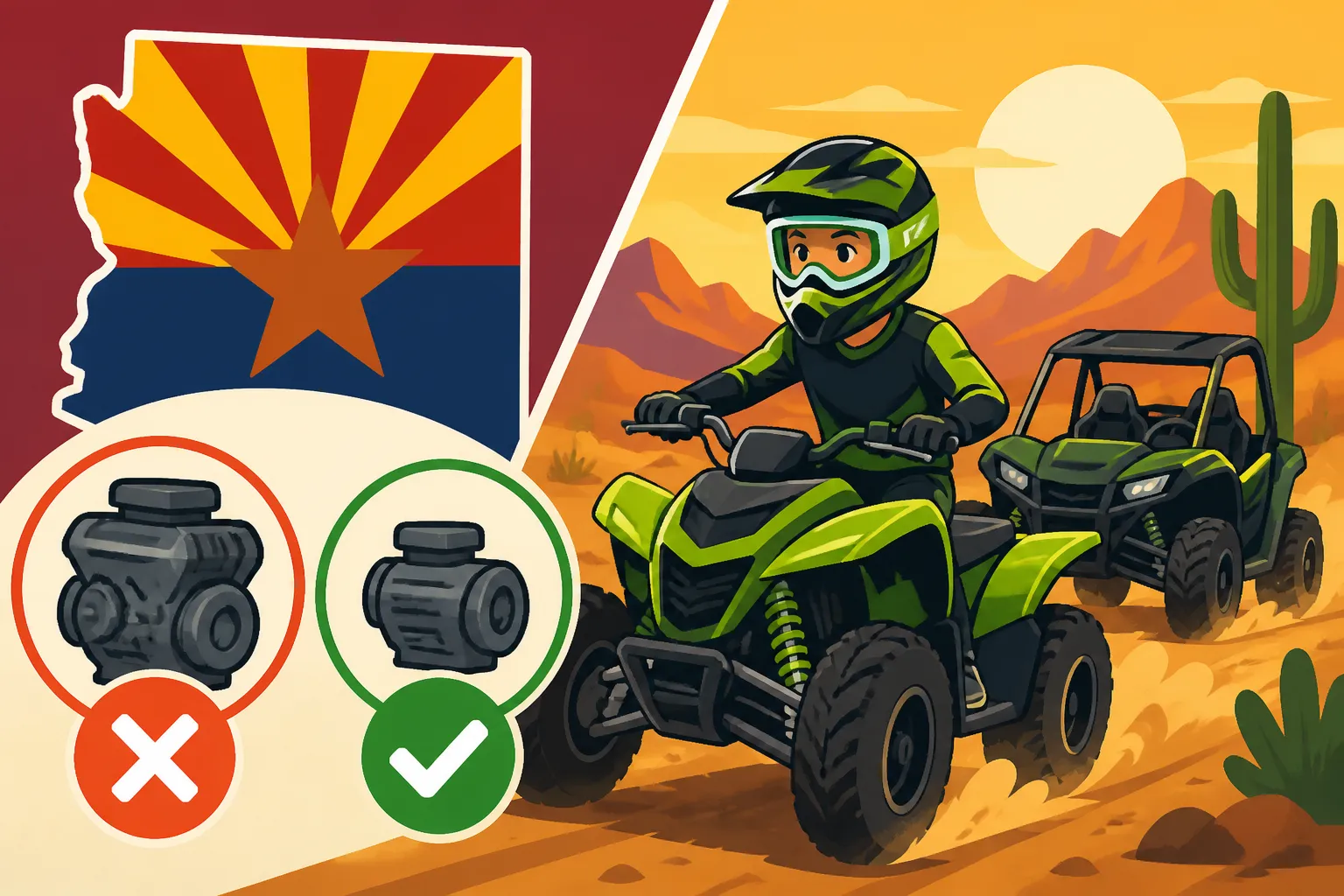
The Arizona Game and Fish Department, along with state statutes, sets specific limits on engine displacement (measured in cubic centimeters, or CCs) based on the rider's age. This is the cornerstone of youth OHV safety here in Arizona. You can't just throw any kid on any quad; there's a ladder of power that matches growth and skill.
For instance, a tiny 50cc machine might be perfect for a very young beginner, but it would be completely underpowered and unsafe for a pre-teen who needs more responsiveness. Conversely, putting a young child on a machine designed for adults could lead to them losing control almost instantly, with potentially devastating consequences. The rules aim for that sweet spot of challenge and safety. It’s about ensuring that the machine doesn’t overpower the rider, allowing them to learn and build skills incrementally. The age breakpoints are clear, and understanding them is your first step as a parent.
| Rider Age | Maximum Engine Size for ATVs/Side-by-Sides | Exceptions/Considerations |
|---|---|---|
| Under 12 | 90cc | Cannot operate an OHV on public lands unless under direct adult supervision and the OHV is appropriate for their age and size. Many parents will find that a smaller 50cc or 70cc machine is more suitable for very young children, focusing on stability and ease of control over raw power. This age group should be on machines designed specifically for youth. |
| 12 to 15 years | 250cc | Riders in this age group may operate an OHV with a maximum engine displacement of 250cc. They must be under direct adult supervision when riding on public lands. This allows for a significant step up in power and capability, preparing them for larger machines as they gain experience. It's a critical learning phase where skill development truly accelerates. |
| 16 years and older | No engine size limit | Once a rider turns 16, they are considered an adult operator under Arizona law regarding OHV engine size. They can operate any size OHV on public lands, provided they have a valid driver's license (if operating a street-legal OHV) or meet other general OHV operating requirements. |
Note: These limits apply to ATVs and side-by-sides. Dirt bikes have slightly different classifications, often broken down by engine type (2-stroke vs. 4-stroke) and size, but the general principle of age-appropriate power remains consistent.
Supervising Young Riders
It's not enough to just put your child on the right-sized machine; you also need to ensure they are properly supervised. For all riders under 16, direct adult supervision is a must when they're operating an OHV on public lands. This means an adult (18 years or older) must be physically present and actively monitoring the young rider. It’s about more than just being in the same general area; it’s about being able to intervene quickly if necessary, offer guidance, and ensure safety. This is a common point of misunderstanding, as some parents think merely being nearby is sufficient. But "direct supervision" implies close proximity and active engagement. You can find more details about these requirements in resources like [Arizona Age Rules for Young Riders] and [Supervising a Young Rider in the Desert].
Why These Limits Exist: Safety and Development
Understanding the "why" behind these rules can help parents appreciate their importance and make better decisions. Arizona's OHV laws are crafted with a deep consideration for child development, accident prevention, and fostering responsible riding habits from a young age. It's not about restricting fun; it's about protecting our children so they can enjoy the sport for years to come.
Preventing Accidents and Injuries
The primary reason for engine size limits is to prevent accidents. Imagine a small child trying to control a powerful 450cc quad designed for an adult. The machine's weight, acceleration, and top speed would be far beyond their physical strength and reaction time. They might not be able to reach the controls comfortably, steer effectively, or brake quickly enough in an emergency. This mismatch is a recipe for disaster.
By gradually increasing the allowed engine size, these rules ensure that young riders are progressively exposed to more powerful machines as their physical stature, motor skills, judgment, and experience grow. A child on a machine that's too big is more prone to rollovers, collisions, and loss of control, leading to severe injuries. These limits are a proactive measure to keep kids out of harm's way, allowing them to gain confidence and competence on machines that are manageable for them. It's similar to how we wouldn't hand the keys to a sports car to a new teenage driver; gradual progression is key.
Fostering Skill Development
Beyond just safety, these limits play a crucial role in skill development. Learning to ride an OHV is a process that builds upon foundational skills. Starting on a smaller, less powerful machine allows a child to master the basics: throttle control, braking, steering, balance, and obstacle negotiation, without being overwhelmed by excessive speed or torque. It teaches them patience and precision.
As they become proficient with a 70cc or 90cc machine, they're then ready to handle the increased weight and power of a 250cc. This gradual progression helps build muscle memory, judgment, and confidence. Rushing this process can lead to bad habits, fear, or a complete disinterest in riding if the initial experience is intimidating or dangerous. The goal is to create competent, safe riders who understand their machines and the terrain. This structured approach helps ensure that riders develop a solid foundation before advancing to more demanding vehicles. This is also why courses like [Arizona's Free Mandatory OHV Decal Course] are so valuable, even if they don't cover specific engine sizes, they reinforce overall safety.
Practical Considerations for Parents and Guardians
Navigating these engine size limits as a parent involves more than just reading the law. It's about making informed choices, ensuring compliance, and setting your child up for success and safety. From the moment you start looking for a machine to every time you hit the trail, there are practical steps you can take. You’ll want to review [Youth Machine Size Rules Arizona Parents Ask About] for a broader perspective.
Choosing the Right Machine
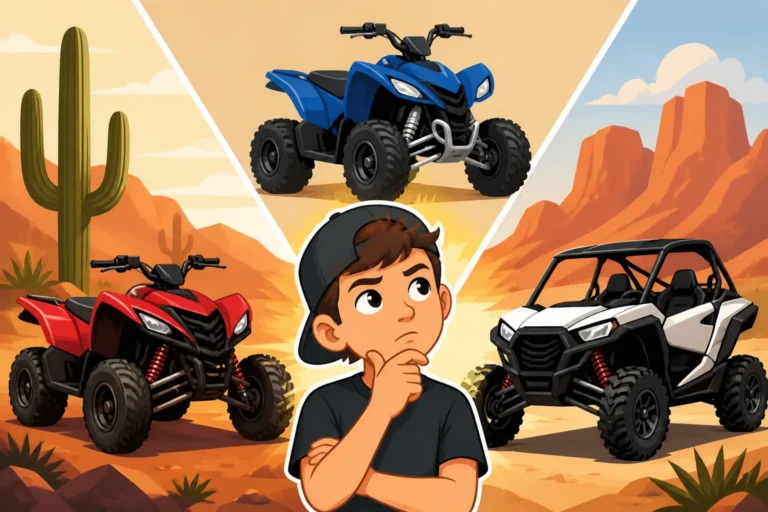
When you're ready to get a machine for your child, don't just focus on the maximum allowed engine size for their age. Consider their individual size, strength, maturity, and prior experience. A small 12-year-old might still be better off on a 90cc or 125cc machine rather than jumping straight to a 250cc. Look for youth-specific models that often come with features like speed limiters, remote engine shut-offs, and adjustable suspension, which can be invaluable for new riders.
Before making a purchase, have your child sit on the machine. Can they comfortably reach the handlebars and controls? Can they operate the brakes effectively? Are their feet able to touch the ground (or footrests) securely? Does the machine feel stable for them? If buying a used machine, thoroughly inspect it and ensure it's in good working order. Don't forget, even for youth machines, you'll need to understand [Proof of Ownership for an Arizona Title] and [Arizona Sales Tax on a Machine Purchase].
Equipping Your Young Rider Properly
Beyond the machine itself, proper safety gear is non-negotiable. This includes an DOT-approved helmet that fits snugly and is securely fastened. For riders under 18, helmets are mandatory on public lands in Arizona. Eye protection (goggles or a face shield) is also crucial to protect against dust, debris, and branches. Long-sleeved shirts, long pants, gloves, and over-the-ankle boots complete the protective ensemble. Never allow a child to ride in shorts, t-shirts, or open-toed shoes. This gear isn't just a recommendation; it's a vital layer of protection that can prevent serious injury. Remember to check [Arizona Helmet Rules for Riders Under 18] to ensure full compliance.
Documenting Ownership and Permission
Even if a child is riding an age-appropriate machine under supervision, the OHV itself still needs to be properly registered and titled. Typically, the machine will be titled in an adult's name, as a minor cannot legally own property in the same way an adult can. If the machine is purchased through a private sale, a clear bill of sale is essential. If your child is riding a machine that belongs to someone else, or if you're supervising a friend's child, consider having a written agreement or permission slip. Simple documents, sometimes available through services like LawDepot, can help clarify liability and permission, especially if you ever need to prove you have the owner's consent for the child to operate it. This creates a clear paper trail and avoids misunderstandings about who is responsible for what.
Common Pitfalls and How to Avoid Them
Even with the best intentions, parents can sometimes fall into traps when it comes to youth OHV riding. Being aware of these common issues can help you steer clear of problems and ensure a smooth, safe, and enjoyable experience for everyone involved. The key is foresight and adherence to the spirit, not just the letter, of the law.
Misinterpreting "Private Land" Exemptions
Many parents assume that if their child is riding on private land, all the rules fly out the window. This isn't entirely true, and it's a dangerous assumption. While some of Arizona's OHV laws, like the decal requirement, might have specific exemptions for riding solely on private property with permission, the fundamental safety principles and the spirit of the age/engine size limits still apply. [Do You Need a Decal on Private Arizona Land?] is a good read for specific decal exemptions.
More importantly, if an accident occurs on private land, having a child on an age-inappropriate machine could still lead to liability issues, even if it's "your land, your rules." The injury risk remains. Therefore, even on private property, it's highly recommended to stick to the age-appropriate engine size guidelines and ensure proper supervision. These rules are for safety first, not just public land enforcement. Don't let your guard down just because you're off the main trail.
Underestimating the Importance of Training
While Arizona has a mandatory OHV safety course for those who need an OHV decal, specific training beyond that is invaluable for young riders. Relying solely on a child's natural coordination or your own casual instruction might not be enough. Consider enrolling your child in a certified OHV safety course designed specifically for youth. These courses teach critical skills, hazard awareness, and responsible riding etiquette in a structured environment.
Such training goes beyond basic operation, covering things like riding over obstacles, navigating different terrains, understanding trail etiquette, and emergency procedures. The skills and confidence gained from a formal course can be a game-changer for a young rider, making them safer and more capable. Don't underestimate how much a professional instructor can impart compared to a parent trying to teach on the fly. This knowledge is important for [Picking a First Quad for a Desert Kid].
The Temptation of "Growing into It"
It's a common scenario: a parent buys a slightly larger machine than their child currently needs, with the idea that the child will "grow into it" over a year or two. While it might seem like a cost-saving measure in the long run, it's a significant safety risk in the short term. As discussed, putting a child on a machine that's too big or powerful for their current age and skill level dramatically increases the risk of accidents.
It's far better to buy a machine that perfectly fits their current stage of development, even if it means upgrading later. Many youth machines hold their value well, making the transition to a larger model less painful financially. Prioritize immediate safety over future convenience. Remember, the rules are there for a reason, and trying to skirt them, even with good intentions, can lead to serious consequences, including [Citations Arizona Writes to Parents].
What Happens if Rules Are Broken?
Ignoring these age and engine size limits can lead to more than just a stern look from a ranger. Operators under 16 found in violation of these rules can face citations. Parents or legal guardians can also be held responsible for violations committed by minors under their supervision. These penalties can include fines and may even impact future riding privileges. More importantly, in the event of an accident, operating an OHV outside of the legal parameters could complicate insurance claims and increase legal liability.
The goal isn't to scare anyone, but to underscore the seriousness of these regulations. They are in place to ensure the well-being of young riders and maintain responsible use of our public lands. Adhering to them protects your child, your family, and the future of OHV riding in Arizona.
Navigating the world of OHV riding with kids can feel like a lot to take in, but by understanding and respecting Arizona's engine size limits for riders under 16, you're not just following the law – you're actively safeguarding your child's ability to enjoy this amazing sport. Choose wisely, supervise diligently, and you'll be creating cherished family memories on the Arizona trails for years to come.
Disclaimer
This article is for general informational purposes only and does not constitute professional advice. Laws, prices and regulations vary by location and change over time. Consult a qualified professional for guidance on your specific situation.