Stripping an Old Quad for Parts
There comes a time for many of us Arizona OHV enthusiasts when an old, trusty quad has simply seen better days. Maybe it’s been through one too many desert scrapes, the engine finally gave up the ghost, or the repair bill outweighs its entire value. It’s hard to let go, but staring at a non-running machine gathering dust in the garage isn't helping anyone. This guide is here to walk you through the practical, responsible, and legal steps of stripping down that old quad for parts right here in Arizona, making the most of what's left.
Why Strip a Quad for Parts in Arizona?
Deciding to dismantle an off-highway vehicle (OHV) can feel like admitting defeat, especially if it holds sentimental value from countless desert adventures. But sometimes, it's the most sensible path forward, both for your wallet and for giving those still-good components a new lease on life. You're not just junking it; you're recycling its essence.
When Repair Costs Outweigh Value
Picture this: your beloved ATV, a veteran of many a dusty Arizona trail, suddenly develops a catastrophic engine knock. Or maybe you had an unfortunate encounter with a saguaro that bent the frame beyond reasonable repair. You take it to the shop, hopeful, only to get a quote that makes your eyes water. The cost to fix it, whether it's a blown transmission, a completely seized motor, or major structural damage, often far exceeds what the quad is worth in its current condition. It's a frustrating reality many riders face – you love the machine, but pouring thousands into an older model just isn't financially smart. At this point, keeping it around as a sad lawn ornament or selling it whole for a pittance isn't the best option. Parting it out allows you to recoup some of those potential repair costs by selling individual components that are still perfectly functional.
The Market for Used ATV/UTV Parts
The Arizona desert is tough on machines, and parts wear out. This creates a vibrant and consistent market for used ATV and UTV components. Think about it: someone might need a good front A-arm because theirs hit a rock on the [Broken Arrow Trail Difficulty], or a fender after a roll in the [Cinder Hills OHV Area]. A perfectly good carburetor, a seat, wheels, tires, suspension components, or even just wiring harnesses can be invaluable to another rider looking to repair their machine on a budget. Instead of your entire quad being worth mere dollars for scrap metal, its individual pieces can fetch a much better price. You're helping fellow riders keep their machines running, and in turn, getting more value out of your non-running quad than you ever would selling it as a whole, damaged unit. It’s a win-win for the desert riding community.
Understanding Arizona's Rules for Parting Out
Before you grab a wrench, it's absolutely critical to understand the legalities involved, especially concerning ownership. Skipping these steps can lead to headaches down the road, making what should be a straightforward process much more complicated. Arizona has clear rules about vehicles and their titles, and OHVs are no exception.
The Importance of the Title and Ownership
This is perhaps the most crucial first step: proving you own the machine outright. In Arizona, just like with cars, off-highway vehicles usually come with a Certificate of Title. This document is your ultimate proof of ownership. If you can't find your title, you need to apply for a replacement before doing anything else – attempting to sell major components without proper documentation can be a major issue, especially if someone later tries to title a rebuilt machine using parts from yours. You need to ensure there are no liens against the machine. A lien means someone else, like a bank or a lender, still has a financial claim on the quad. If there’s an active lien, you technically don’t fully own it until that lien is satisfied, and trying to part it out would be a legal mess. Always check your title for any recorded liens. For more on this, check out [Liens on an Arizona OHV Title] or [Proof of Ownership for an Arizona Title]. Knowing your machine's history through Arizona MVD records can also provide peace of mind; you can often request [Arizona Records and a Machine's Ownership History].
When to Report a Vehicle as "Junked" or "Dismantled"
Once you've decided to part out your quad, especially if you're getting rid of the frame, you'll need to deal with the Arizona Motor Vehicle Division (MVD). You can't just dismantle it and walk away, especially if it has a valid title. Arizona has processes for reporting a vehicle as "junked" or "dismantled." This is crucial because it removes the machine from the MVD's active records, preventing any future confusion or liability issues associated with its Vehicle Identification Number (VIN). Failing to do this could mean that years down the line, MVD might still have your VIN on file, leading to potential complications if someone tries to use parts from it in a way that creates a "new" vehicle without proper documentation. Properly junking a machine ensures that the frame or chassis, which carries the primary VIN, is legally accounted for as no longer a functional vehicle. For detailed steps on this process, you’ll want to look at information on [Junking a Machine Beyond Repair]. It’s about being responsible and ensuring a clean break from the records.
The Practical Steps of Dismantling and Selling Parts
Once you’ve got your ducks in a row legally, it’s time to get your hands dirty. This part can be rewarding, as you methodically take apart your machine and prepare its valuable components for their next life. Safety and organization are key here, both for your own well-being and for maximizing your profits.
Documenting and Photographing Your Machine
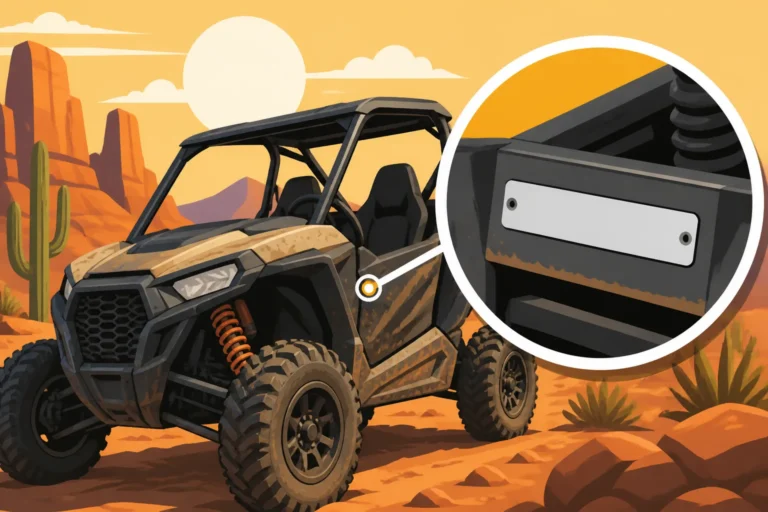
Before you even touch a wrench, take a moment to thoroughly document your quad. This means taking plenty of clear, well-lit photographs from all angles. Capture the overall condition, highlight any still-good parts, and make sure to get close-ups of specific components you plan to sell. This visual record is invaluable for a few reasons: it helps you inventory what you have, provides a baseline for describing the condition of parts, and can be useful for any questions potential buyers might have. Crucially, locate and photograph the Vehicle Identification Number (VIN). The VIN is usually stamped on the frame, often near the steering head or on a frame rail. This unique identifier links the machine to its title, and while you’re selling parts, having that record is essential for verifying the machine's origin, especially if you sell a major component like an engine or frame section. Knowing [Which VIN Character Gives Your Quad's Model Year] can also be useful for part compatibility. If your machine's VIN is obscured or hard to find, consult [Finding the VIN on a Desert-Worn Machine].
Safely Disassembling the Quad
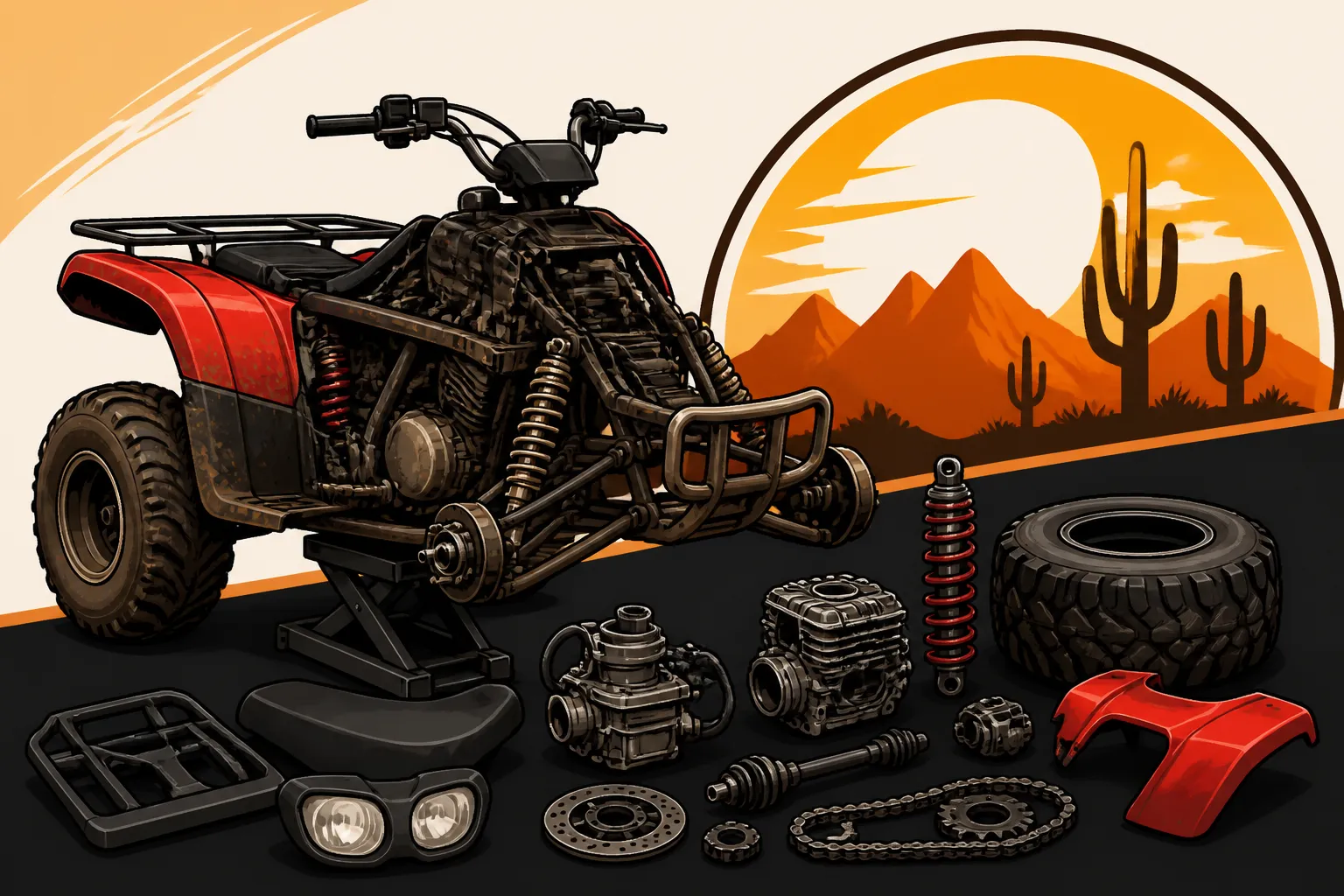
Now for the fun part! Safety first, always. Wear appropriate personal protective equipment like gloves, safety glasses, and sturdy footwear. Have a clear, well-ventilated workspace. Before you start unbolting, drain all fluids – oil, coolant, fuel, brake fluid – into appropriate containers for recycling or proper disposal. Never just dump them on the ground; Arizona's desert environment is fragile, and proper fluid disposal is an environmental responsibility. Organize your tools and have containers ready for fasteners, so you don't lose crucial bolts. Work systematically, perhaps starting with exterior plastics, then wheels, suspension, engine, and so on. As you remove parts, clean them up as best you can. A clean part looks better in photos and often sells faster. Label parts if necessary, especially if you're dealing with multiple similar components or specific left/right designations. Keep track of what you're disassembling and storing; a simple spreadsheet can be a lifesaver for inventory management.
Selling Your Parts: Marketplaces and Documentation
Once you have a collection of clean, functional parts, it’s time to find them new homes. Popular online marketplaces like eBay, Facebook Marketplace, and specialized OHV forums are excellent places to list your items. Locally, classifieds and powersports shops might have bulletin boards. When listing, be descriptive, honest about the condition, and include those clear photos you took. For major components like engines, transmissions, or even frame sections (if you decide to cut and sell), a clear bill of sale is vital. This protects both you and the buyer by documenting the transaction and proving legal transfer of ownership for that specific part. While the whole quad won't be titled again, if someone builds a custom machine, they might need proof of where major components came from. Resources like LawDepot offer easy-to-use templates for creating a professional bill of sale, ensuring all the necessary details are covered. This is important to ensure clear paperwork on your end, protecting you from any future questions. Make sure your bill of sale includes details such as the part description, serial numbers (if applicable), sale price, date, and contact information for both parties. For general information on what these documents should contain, refer to [What an Arizona Bill of Sale Should Carry].
Here's a quick comparison of options for your old quad:
| Feature | Selling as a Whole, Non-Running Unit | Parting Out for Individual Components |
|---|---|---|
| Effort Required | Low (sell as-is) | High (disassemble, clean, photograph, list individual items) |
| Potential Return | Low (often scrap value or slightly more) | Medium to High (parts often fetch more than the whole machine) |
| Timeframe to Sell | Quick if priced very low | Longer (selling many individual items takes time) |
| Buyer Pool | Limited (mechanics, DIY project enthusiasts, junkyards) | Broad (anyone needing a specific replacement part) |
| Legal/Paperwork | Simple (transfer title) | More complex (ensure clear title, possibly report dismantled, bills of sale for parts) |
| Environmental Impact | Still leaves proper disposal to the new owner or scrap yard | Requires responsible fluid disposal and final scrap of frame |
What to Do With the Remaining Frame and Shell
After you've stripped all the valuable parts, you'll likely be left with the bare frame and perhaps some unusable plastic or metal pieces. Don't just leave it to rust away in your yard. There are final steps to properly dispose of these remnants and officially close the chapter on your quad.
Options for Scrap Metal Disposal
Once you’ve removed everything of value, you’ll be left with the bare frame, possibly some rusted-out exhaust components, or mangled plastic. These items are typically considered scrap metal or waste. The most common and environmentally sound option is to take the remaining metal to a local scrap yard. They will weigh the metal and pay you a small amount, often just pennies per pound, but it’s better than nothing and ensures proper recycling. Check with your local scrap yard for their specific requirements; some might want specific metals separated, while others will take mixed loads. For any plastic components that are beyond reuse, you'll need to dispose of them through your regular waste collection, assuming they fit within your municipality's guidelines for bulk trash or recycling, if applicable. Remember to be mindful of any components that might still contain hazardous materials, like small amounts of oil in a shock or brake fluid in a line, and dispose of these responsibly.
Formalizing the "Junk" Status with Arizona MVD
This final step is crucial to prevent any future issues. As mentioned earlier, even a bare frame with a VIN attached can technically remain on MVD records if not formally reported. Once you’ve stripped the quad and are ready to send the frame to the scrap yard, you should inform the Arizona MVD that the vehicle has been dismantled or junked. This process ensures that the VIN is officially removed from their active database. It prevents any future liability if, for example, someone were to improperly use a part with the original VIN on another machine, or if the MVD somehow still expected annual registration renewals (which is unlikely if it’s no longer titled, but best to be thorough). By officially junking the machine, you are making a clean break. Contact the MVD or visit their website for the specific forms and procedures required for "junking a machine beyond repair" or "dismantling a vehicle." This prevents any possible [Arizona Penalties for an Undecaled Machine in Arizona] if the frame were to somehow show up in an unexpected place. Following through on this final piece of paperwork is an important step in responsible OHV ownership, even at the end of a machine's life.
Disclaimer
This article is for general informational purposes only and does not constitute professional advice. Laws, prices and regulations vary by location and change over time. Consult a qualified professional for guidance on your specific situation.