Buying a Salvage Machine Cheap
The dream of owning an ATV or UTV in Arizona often clashes with the reality of powersports vehicle prices. It's completely understandable to look for a deal, and sometimes, a salvage title machine pops up at a price that seems too good to be true. While the allure of "cheap" is powerful, diving into the world of salvage machines requires a clear head, a lot of research, and an understanding of the potential headaches involved. This guide is here to lay out exactly what you're getting into, from the initial purchase to finally getting that machine out on Arizona's incredible trails.
The Allure and the Alarms of a Salvage Title Machine
There's a reason why salvage title ATVs and UTVs are priced significantly lower than their clean-title counterparts, and it's not always a simple fix. Understanding the underlying meaning of that "salvage" stamp is the first, crucial step before you even consider opening your wallet.
Why a Salvage Title Catches Your Eye The "Cheap" Factor
Let's be honest, the primary magnet for a salvage title machine is almost always the price tag. You see a side-by-side that usually goes for double or triple the amount, and suddenly, the idea of a little DIY repair doesn't seem so daunting. It feels like you're uncovering a hidden gem, a secret pathway to adventure without breaking the bank. Perhaps it was involved in a minor fender bender, or maybe it was recovered after a theft with some cosmetic damage, making you think a few weekends in the garage will get you a fantastic deal. It's easy to get caught up in the excitement of a bargain, imagining yourself riding through the [Sedona Red Rock Trails] or tearing up the [Cinder Hills OHV Area] for a fraction of the usual cost.
This initial appeal often overshadows the deeper questions. You might start envisioning the machine sparkling after a new coat of paint or a few replaced panels, ignoring the fact that what truly makes a machine valuable isn't just its appearance, but its structural integrity and mechanical soundness. That "cheap" price is a signal, not necessarily an invitation to an easy project, but a warning to proceed with extreme caution and a skeptical eye.
Understanding What "Salvage" Really Means in Arizona
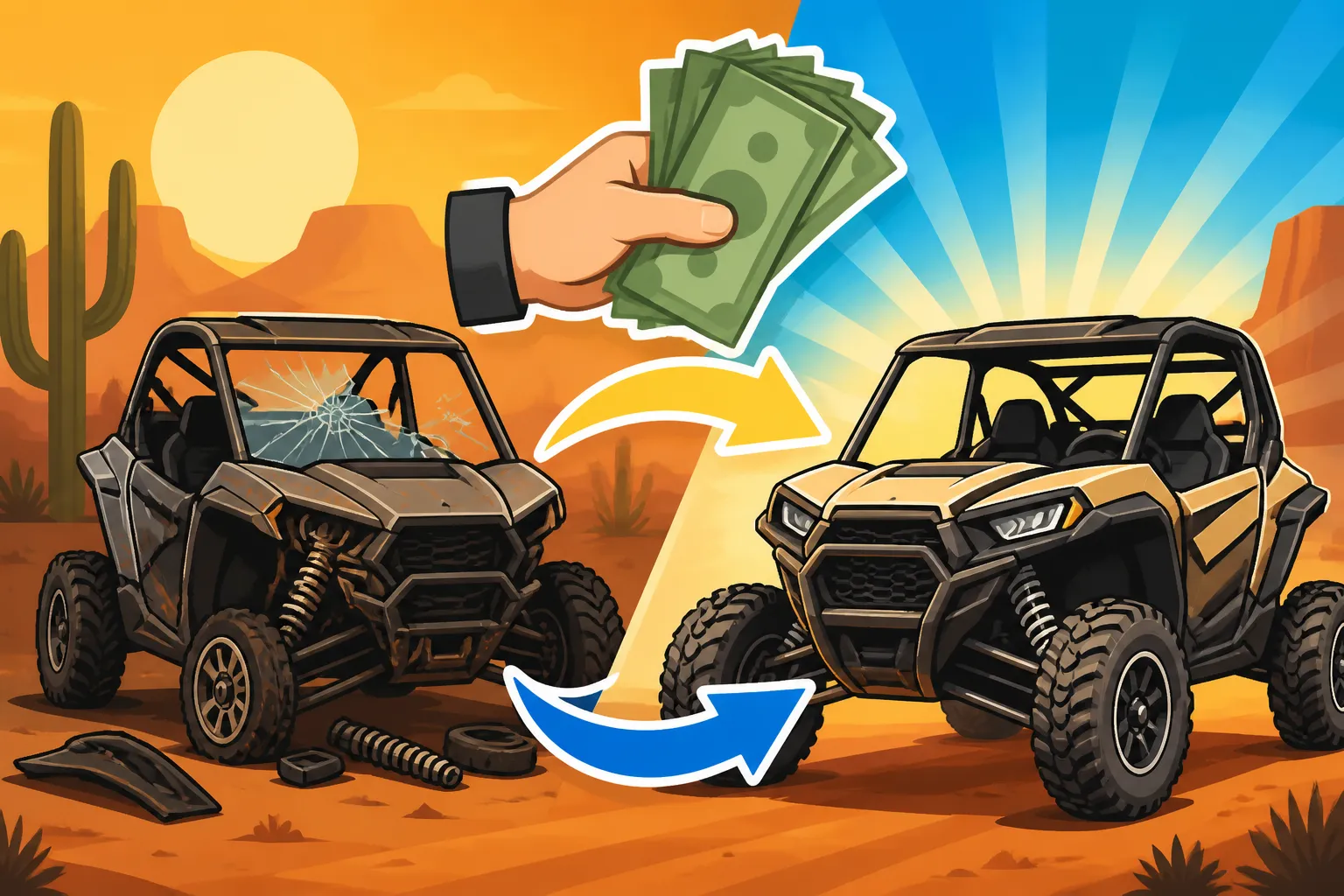
In Arizona, a "salvage" title isn't just a casual term; it carries significant legal weight. When an ATV or UTV is branded with a salvage title, it means an insurance company has deemed the machine a total loss due to damage from a collision, flood, fire, or even recovery after a theft. Essentially, the cost to repair the vehicle to its pre-damage condition, or sometimes just a certain percentage of its fair market value, was simply too high for the insurer to justify. At that point, the insurer pays out the claim, takes possession of the machine, and sells it off, often at auction, with that tell-tale salvage title.
What this means for you, the potential buyer, is that the machine is no longer considered roadworthy or eligible for normal registration until it has been properly repaired and inspected. It's not just a fix-it-up project; it's a regulated process to ensure the machine is safe to operate again. You can learn more about this whole area in our guide on [Salvage and Rebuilt Machines in Arizona]. Until it successfully passes an inspection and receives a "rebuilt" title, it's essentially just a collection of parts, albeit potentially valuable ones, that cannot be legally ridden on public lands or registered with the Arizona MVD.
The Hidden Costs That Can Erase the "Cheap"
While the initial purchase price might be low, the real challenge, and where most people stumble, is in the hidden costs that can quickly balloon beyond your budget. What starts as a "cheap" machine can become a money pit faster than you can say "desert dust." For starters, you have the direct repair costs: new parts, specialized tools, and potentially expensive labor if you're not doing all the work yourself. Frame damage, for instance, isn't just a cosmetic issue; it requires expert assessment and repair to ensure safety and proper alignment, which can run into thousands of dollars.
Then there's the time investment. Sourcing parts, waiting for repairs, scheduling inspections with the MVD – it all takes time, and sometimes, a lot of it. You might spend months, or even a year, getting your "bargain" ready to ride, during which time it's just sitting in your garage, not hitting the trails. Perhaps the biggest hidden cost is the uncertainty. Until you really dig into the machine, you might not uncover all the damage. A seemingly minor collision could have bent an axle, damaged internal engine components, or stressed suspension points that only reveal themselves after a few rides. These unforeseen repairs are what truly eat away at your initial savings and can turn a promising project into a frustrating financial drain.
Navigating the Arizona Salvage Title Process
Once you've wrapped your head around what a salvage title truly means, and you've decided to move forward, understanding Arizona's process for getting that machine back on the trails is paramount. It's not as simple as fixing it up and riding; there are specific steps the Arizona Motor Vehicle Division (MVD) requires.
The Importance of a Complete Paper Trail
When dealing with a salvage machine, paperwork is king, queen, and the entire royal court. First and foremost, the seller must provide you with a salvage title for the machine. If they don't have it, or claim it's "lost" or "in the mail," walk away. No salvage title in hand means you're buying a pile of metal with no legal proof of ownership, and you'll face an uphill battle, if not an impossible one, trying to get it titled yourself. Even if they have a clear lien release, that's not enough if the actual salvage title isn't there.
Beyond the salvage title, you'll need a thoroughly detailed bill of sale. This isn't just a casual scribble on a napkin; it needs to be comprehensive, clearly stating that the machine is being sold with a salvage title, the VIN, purchase price, date, and contact information for both buyer and seller. A robust bill of sale protects both parties. For a reliable template that ensures all necessary details are included, consider using a service like LawDepot. It ensures you don't miss any critical information that the MVD might later require when you go to title the machine. Having all your ducks in a row with the paperwork from day one will save you countless headaches down the line. We cover more on proper documentation in [What an Arizona Bill of Sale Should Carry].
The Rebuilt Title Inspection Your Gateway to Riding
Once you've acquired your salvage machine and meticulously completed all the necessary repairs, your next big hurdle is the rebuilt title inspection by the Arizona MVD. This isn't just a casual glance-over; it's a mandatory, detailed examination designed to ensure two critical things. First, the MVD wants to verify that the machine is structurally sound and safe to operate on public lands again. They're checking that any damage that caused the salvage branding has been properly addressed and repaired to safe standards.
Second, and equally important, they're looking to prevent fraud and theft. During this inspection, you'll need to present all your receipts for major components purchased for the repair. If you replaced the engine, frame, or significant body panels, the MVD will want to see proof of purchase for those parts. This helps them confirm that the parts used in the rebuild weren't stolen and legitimately belong to you. This might seem like a lot of hoops to jump through, especially if you're salvaging parts from another machine, but it's a non-negotiable step to convert that salvage title into a usable, "rebuilt" title. For scenarios where ownership history gets particularly complex, our guide on [Titling a Machine Rebuilt From Two Wrecks] offers deeper insights.
What the Arizona MVD Looks For During Inspection
When you take your newly rebuilt ATV or UTV for its MVD inspection, be prepared for a thorough examination. The inspectors are primarily looking to confirm the machine's identity and safety. They will meticulously verify the Vehicle Identification Number (VIN) to ensure it matches your paperwork and hasn't been tampered with. This is a critical step, as any discrepancies with the VIN can halt your progress. [Correcting a VIN on an Arizona Record] can give you more insights into how important VIN accuracy is.
Beyond the VIN, they'll be checking that all repairs meet basic safety standards. This includes ensuring brakes are functional, lights work (if applicable for street use), and the overall structural integrity of the frame and suspension is sound. They're not necessarily judging the aesthetic quality of your paint job, but rather the foundational safety and legality of the machine. If you've modified the engine or made significant changes, they will want to ensure it still complies with Arizona regulations. If you plan to make your machine street-legal, remember that a rebuilt title might also trigger an [Emissions Testing for a Street Machine] requirement in certain areas like Phoenix or Tucson, adding another layer to the process. If anything is amiss or unclear, you could face delays or even require multiple re-inspections, further extending the time until you can hit the trails.
Due Diligence Before You Buy: Protect Your Wallet
The old adage "buy cheap, buy twice" often rings true with salvage vehicles. The key to not falling into that trap is rigorous due diligence before you hand over any cash. This means inspecting everything, asking hard questions, and doing your homework.
Thoroughly Inspecting the Salvage Machine
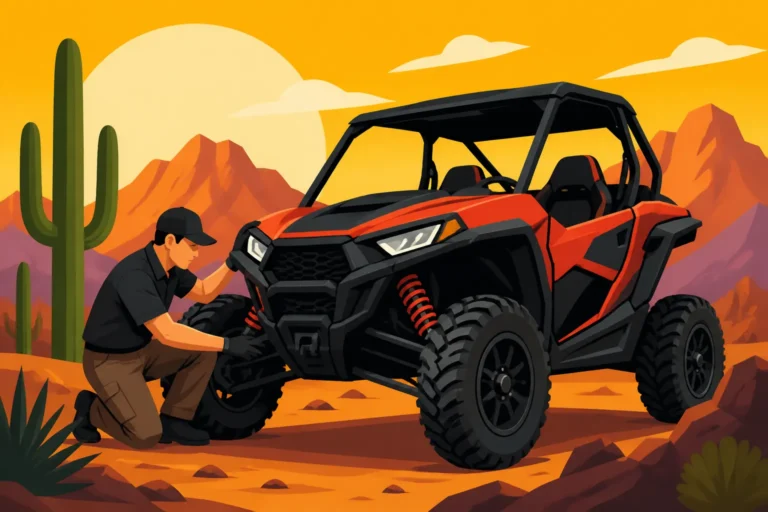
This is perhaps the most critical step in the entire process. Never, ever buy a salvage machine sight unseen, or without a detailed, hands-on inspection. If possible, bring a mechanic or a highly experienced off-road enthusiast with you – someone who knows what to look for beyond superficial damage. Start with the frame: look for bends, cracks, or signs of welding that indicate serious structural damage. A bent frame is incredibly difficult and expensive to repair correctly and can compromise the machine's safety and handling permanently.
Next, move to the engine and transmission. Look for signs of water intrusion (mud lines in the airbox, rust in the oil fill cap), fire damage (melted wires, charred plastics), or significant impact damage. Check the suspension components for bends, cracks, or leaks. Steering components should be free of play and move smoothly. Don't forget the electrical system, which can be a nightmare to diagnose and repair, especially if water or fire was involved. Even small details matter. For example, check the VIN plate itself. Is it securely attached? Does it look original? Comparing it against records you've pulled is vital, as discussed in [Checking a Serial Number Before Handing Over Cash]. This meticulous approach will help you uncover issues that might not be immediately obvious but could be deal-breakers.
Running a History Check and Understanding the "Why"
Understanding why a machine received a salvage title is almost as important as inspecting the damage itself. Was it a relatively minor collision, a theft recovery, or a devastating flood? Each scenario presents unique repair challenges and potential long-term issues. A collision might mean straightforward body and suspension repairs, while flood damage can lead to pervasive corrosion in electrical systems, engine components, and bearings that may not manifest until months later. Fire damage, too, can compromise wiring harnesses, plastics, and even structural components.
Always run a VIN check through reputable online services. These reports can often reveal past accidents, reported theft, and sometimes even the type of damage that led to the salvage title. If a seller is vague, defensive, or unwilling to provide the VIN for a history check, consider that a major red flag. They might be trying to hide something, and you're better off walking away than inheriting someone else's expensive secret. This deep dive into the machine's history helps you assess the true scope of work required and potential risks involved. For more on what a specific title means, see [What a Rebuilt Title Signals to a Buyer].
Estimating Repair Costs and Market Value
This is where the rubber meets the road. Before you commit to buying a salvage machine, you absolutely must get realistic estimates for all necessary repairs. This means consulting with mechanics, researching part costs, and accounting for your own time if you plan to do the work. Don't just guess; get actual quotes. Once you have a clear picture of the estimated repair costs, add that to the initial purchase price of the salvage machine. This gives you your total estimated investment.
Now, compare this total investment to the market value of a similar ATV or UTV with a clean title and in good working condition. If your total estimated investment is close to or even exceeds the market value of a clean-title machine, then that "cheap" salvage deal isn't really a deal at all. You'd be better off saving your money for a machine with less baggage. If you decide to proceed, having a clear written agreement can protect you. Tools like those available from LawDepot can help you draft a comprehensive private sale agreement that covers all the terms, even for a salvage vehicle, ensuring both parties are clear on the sale details and condition.
Here's a simple breakdown to help you visualize the costs:
| Item | Description | Estimated Cost (Hypothetical) |
|---|---|---|
| Salvage Purchase Price | The initial amount you pay for the damaged machine. | $3,000 |
| Frame Repair | Welding, straightening, or replacement (if needed). | $1,500 |
| Engine/Transmission Work | Major internal repairs, rebuilding, or replacement. | $2,000 |
| Suspension Components | Shocks, A-arms, bushings, tie rods. | $700 |
| Electrical System Repair | Wiring harnesses, sensors, ECU (if damaged by water/fire). | $800 |
| Body Panels/Plastics | Replacement of damaged fenders, hood, seats. | $600 |
| Tires/Wheels | If damaged in accident or from sitting. | $400 |
| Miscellaneous Parts/Fluids | Filters, oil, coolant, small hardware, battery. | $250 |
| MVD Rebuilt Title Fee | Required fee for inspection and new title. [Arizona OHV Title Fee] | $25 |
| TOTAL ESTIMATED INVESTMENT | Sum of all above costs. | $9,275 |
| Market Value (Clean Title) | What a similar machine in good condition, with a clean title, would sell for. | $8,500 – $10,000 |
In this hypothetical example, your total investment could easily approach or exceed the market value of a clean-title machine. This table underscores the importance of a realistic repair estimate.
The Realities of Owning a Rebuilt ATV/UTV
So, you've done your homework, completed the repairs, and successfully navigated the MVD inspection to get your rebuilt title. Congratulations! But the journey doesn't quite end there. Owning a rebuilt title machine comes with its own set of realities that are important to understand for the long haul.
Insuring a Rebuilt Title Machine in Arizona
One of the often-overlooked challenges of owning a rebuilt title ATV or UTV is getting it insured. While it's now legally titled and operable, some insurance companies in Arizona might be hesitant to offer coverage, or they may charge significantly higher premiums. This is because a rebuilt title signals a history of extensive damage, and insurers perceive these vehicles as carrying a higher risk for future claims. They might be concerned about latent damage, or simply view them as less reliable, even after inspection.
It is absolutely crucial to obtain insurance quotes before you even purchase a salvage machine, or at the very least, before you've sunk a significant amount of money into repairs. You might find that some companies won't offer comprehensive coverage at all, only liability. This could be a significant issue if you're financing the machine or simply want to protect your investment from theft or further damage on the trails. Always compare different providers and be transparent about the machine's rebuilt title status. For more details on this, you can check out [Insuring an ATV in Arizona]. The peace of mind that comes with proper coverage is invaluable, especially when you're out exploring Arizona's diverse terrains.
Resale Value and Future Headaches
Let's be realistic: a rebuilt title carries a stigma, and it will almost certainly affect the machine's resale value down the line. Even if your repairs were expertly done and the machine runs flawlessly, buyers are inherently wary of rebuilt titles. They will assume, often correctly, that the machine has a history of significant damage, and they will expect to pay a lower price compared to a similar machine with a clean title. You might find it considerably more difficult to sell the machine when the time comes, and you'll likely have to answer many of the same questions and concerns you had when you first considered buying it.
Potential buyers will want to see all your repair receipts, photos of the damage, and documentation from the MVD inspection. They will also likely factor in the depreciation caused by the rebuilt title into their offer. While you might have saved money on the initial purchase, be prepared to lose some of that saving on the back end when you try to sell. This isn't to say it's impossible, but it requires patience, transparency, and a realistic expectation of its market value.
Deciding If the "Cheap" Is Worth the Trouble
Ultimately, the decision to buy a salvage ATV or UTV in Arizona comes down to a careful weighing of the pros and cons. The "cheap" initial purchase price can be very appealing, offering a way into the OHV lifestyle at a lower barrier to entry, or presenting a rewarding project for a mechanically inclined individual. Successfully rebuilding a machine can bring immense satisfaction and a sense of accomplishment, especially if you plan to keep it for a long time. It could also be an excellent option for someone who needs a utility machine for private land and isn't overly concerned with resale value.
However, the cons are substantial. There are hidden costs, the significant time investment for repairs and MVD hurdles, potential difficulties with insurance, and the almost guaranteed reduction in resale value. This path is truly best suited for experienced mechanics, those with a deep understanding of powersports vehicles, and individuals who have significant time, resources, and patience. For someone looking for a turn-key solution or a hassle-free experience, the perceived "cheapness" of a salvage title machine often turns out to be anything but. For most casual riders, investing a bit more upfront for a clean-title machine might save you a lot of grief, money, and time in the long run, allowing you to focus on what you really want to do: ride Arizona's amazing trails. Before embarking on any part of the registration journey, reading [Arizona MVD OHV Registration Explained] is a good idea.
Disclaimer
This article is for general informational purposes only and does not constitute professional advice. Laws, prices and regulations vary by location and change over time. Consult a qualified professional for guidance on your specific situation.