Dealer Paperwork on a New Machine
Buying a new ATV or UTV in Arizona should be an exhilarating experience, but often, the mountain of paperwork that comes with it can feel more daunting than tackling a gnarly desert trail. Between the sales forms, tax documents, and all the things needed for registration and titling, it's easy to get overwhelmed and wonder if you've signed your life away. This guide is here to untangle that administrative mess, explaining exactly what paperwork you'll encounter when purchasing a brand-new off-highway vehicle from an Arizona dealer and what your dealer is typically responsible for filing on your behalf.
Navigating the Initial Paperwork Storm When Buying New
When you walk into an Arizona powersports dealership, ready to pick out that shiny new side-by-side or ATV, you're not just agreeing to a price; you're stepping into a whirlwind of documents. It can feel like a lot, especially when you're just excited to hit the trails. But understanding these initial papers is key to a smooth ownership experience down the road. This isn't just bureaucratic red tape; these documents are your proof of ownership, your tax record, and the foundation for getting your machine legally registered in Arizona.
The Bill of Sale: More Than Just a Receipt
The bill of sale is perhaps the most fundamental document you'll receive from your dealer. While it might seem like a glorified receipt, it's actually a legally binding contract that transfers ownership of the vehicle from the dealer to you. It's not just about the money you paid; it clearly outlines the specifics of the transaction. Always ensure it includes the full names and addresses of both the buyer and the seller (the dealership), a detailed description of the machine, including its make, model, year, and crucially, its Vehicle Identification Number (VIN).
This document serves as your immediate proof that you now own the machine. If you're ever stopped on the way home from the dealership, or if there's any dispute about the purchase, the bill of sale is your primary evidence. It's also absolutely essential for completing the titling process with the Arizona Motor Vehicle Division (MVD). Think of it as the bedrock upon which all subsequent legal ownership hinges. Keep it in a safe place, ideally a fireproof one, because you'll likely need to refer back to it, especially when it comes time for [Arizona Sales Tax on a Machine Purchase] or if you ever decide to sell the machine in the future.
Manufacturer's Statement of Origin (MSO) or Manufacturer's Certificate of Origin (MCO)
One of the most critical documents you'll receive when buying a new machine is the Manufacturer's Statement of Origin (MSO) or Manufacturer's Certificate of Origin (MCO). This document is the equivalent of a birth certificate for your off-highway vehicle. It's issued by the manufacturer and certifies that the vehicle meets all federal safety standards and has not been previously titled or registered. In essence, it proves that your machine is truly "new" and has never had a legal owner before you.
The MSO/MCO is absolutely non-negotiable for obtaining your very first Arizona Certificate of Title. Without it, the MVD has no official record from the manufacturer to confirm the vehicle's origin and specifications. The dealer will typically endorse (sign over) this MSO/MCO to you, the buyer, effectively transferring the initial ownership from the factory to you. This signed-over document, along with your bill of sale, is what the MVD will use to issue a title in your name. Double-check that all information on the MSO/MCO matches your machine and the bill of sale before you leave the dealership, as any discrepancies can cause significant headaches when you attempt [Getting an Arizona Certificate of Title for a Quad].
Understanding Your Arizona Tax Responsibilities
Tax season might feel far away when you're dreaming of open desert, but buying a new OHV involves immediate tax considerations. The good news is that when you purchase from a licensed dealer in Arizona, they typically handle the collection and remittance of these taxes for you, simplifying your life considerably. Still, it's smart to understand what you're paying for and why.
Arizona Sales Tax on a New Machine Purchase
When you buy a new ATV or UTV from an Arizona dealership, you'll be charged sales tax as part of the total purchase price. This is a standard part of buying any retail item in the state. The dealership acts as an agent for the state, collecting these taxes from you at the point of sale. They then remit these funds directly to the Arizona Department of Revenue on your behalf. This means you generally don't have to worry about calculating or sending in sales tax payments yourself after leaving the dealer.
The sales tax amount will usually be clearly itemized on your bill of sale or purchase agreement. It's important to understand that this is distinct from registration or titling fees. While they all contribute to the final cost, sales tax is directly tied to the purchase price of the vehicle itself. Knowing that the dealer is taking care of this aspect can offer peace of mind, ensuring you're compliant with Arizona's tax laws right from the start, and avoiding any unexpected notices down the road.
Avoiding Use Tax Confusion on a Dealer Purchase
Here's where it can get a little confusing for some buyers, especially if they've heard about "use tax" elsewhere. Use tax in Arizona is generally applied to goods purchased outside of Arizona but then brought into the state for use. For instance, if you were to buy a machine in Nevada and bring it home to Arizona, you might owe use tax on that purchase if you didn't pay an equivalent sales tax in the state of purchase.
However, when you buy a new machine directly from an Arizona dealership, and they collect and remit the Arizona sales tax for you, you typically do not owe use tax on that same transaction. The sales tax you paid covers your obligation for bringing the machine into use within the state. This is why it's so important to keep your detailed bill of sale as proof that sales tax was collected. This documentation will serve as your defense if any questions about use tax ever arise, ensuring you aren't double-taxed. Understanding the distinction helps clarify your financial obligations and can save you from unnecessary worry, especially if you're [Registering an Out-of-State Machine in Arizona] in the future.
The Dealer's Role in Your Arizona Registration and Titling
One of the biggest advantages of buying from a licensed Arizona dealer is that they often streamline the entire registration and titling process for you. They're equipped to handle the necessary MVD paperwork, which saves you a trip to a potentially busy office and ensures everything is submitted correctly the first time.
Temporary Plates and Permits
Once you've made your purchase and the paperwork is signed, you're probably eager to hit the trails immediately. Arizona dealers understand this and will often provide you with a temporary plate or permit. This allows you to legally operate your new OHV for a short period while the MVD processes your permanent registration and title. These temporary documents usually have an expiration date printed on them, typically around 30 to 45 days, giving the MVD sufficient time to send out your official documents.
It's crucial to understand the limitations of these temporary tags. They are strictly for interim use and usually come with conditions, such as remaining within state lines or only driving directly to a registration agent. Make sure to keep this temporary permit visibly displayed on your machine, just as you would with your permanent license plate and OHV decal. If you were ever stopped by law enforcement during this interim period, this permit proves your purchase is legitimate and that your permanent paperwork is in process.
Titling and Registering Your New OHV Through the Dealer
For many buyers, the most valuable service a dealer provides is handling the titling and registration. Instead of you having to fill out forms, gather documents, and visit an MVD office or authorized third-party provider, the dealer takes on this responsibility. They will submit your MSO/MCO, bill of sale, and any other required forms directly to the Arizona MVD. This process ensures that your machine is properly registered and that you receive an Arizona Certificate of Title in your name. Many dealerships even use services, or are themselves, [Third-Party MVD Providers That Register OHVs] to expedite this.
This service is a huge convenience, especially for first-time buyers or those who simply don't have the time to navigate the MVD system. The dealer will ensure all the necessary fees are paid and that the application is complete, significantly reducing the chance of errors that could delay your ownership documents. This includes processing your application for an Arizona OHV Decal, which is mandatory for riding on public lands. By entrusting the dealer with this, you're often getting a smoother, more efficient path to legal riding. For more on the overall process, check out [Arizona MVD OHV Registration Explained].
What You Get Back From the Dealer
After the dealer submits all the necessary paperwork, there's usually a waiting period for the MVD to process everything. However, what you should receive from the dealer before you leave, beyond the temporary permit, are copies of all signed documents, especially your bill of sale and the signed-over MSO/MCO. Once the MVD has completed its work, your official Arizona Certificate of Title, your registration card, and your annual [Arizona's Annual OHV Decal Explained] will be mailed directly to you.
It's vital to review these official documents as soon as they arrive. Check that your name is spelled correctly, the VIN matches your machine exactly, and all other details are accurate. If you financed your purchase, note that your title will likely list the lender as the lienholder until the loan is paid off. Should you find any errors, contact the dealership immediately, as they can help facilitate corrections with the MVD.
Key Documents You'll Need and What to Watch For
While the dealer takes care of much of the heavy lifting, you'll still have a role to play and certain documents to keep track of. Being organized and vigilant will save you potential headaches down the line.
Proof of Ownership and Personal Identification
When you initially purchase your new OHV, your primary "proof of ownership" will be the combination of your bill of sale and the Manufacturer's Statement of Origin (MSO/MCO). These documents are paramount and will be used by the dealer to apply for your official title. Alongside these, you'll absolutely need valid personal identification, such as an Arizona driver's license or state ID card. The dealership needs this to verify your identity as the buyer and ensure all names on the paperwork match your legal identification.
It's also worth noting that while dealers use their own official forms, understanding the basic structure of a legal document can be helpful. For instance, if you were ever to sell your machine privately in the future, you might use a template from a service like LawDepot for your own bill of sale to ensure all necessary fields are covered. For now, trust the dealer's paperwork, but always review it thoroughly. Make sure you get copies of everything you sign and keep them safe.
Checking Your VIN: A Critical Step
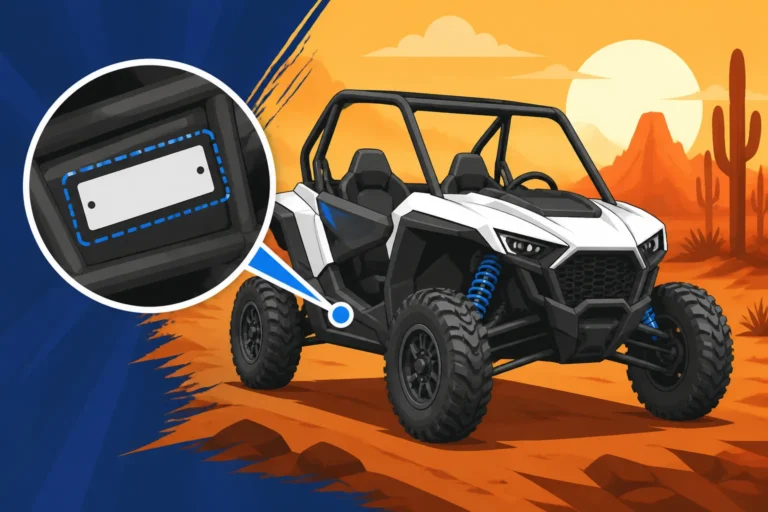
The Vehicle Identification Number (VIN) is a unique identifier for your ATV or UTV, much like a serial number. It will be prominently displayed on the machine itself (usually stamped on the frame), and it should appear on every single piece of paperwork related to your purchase: the bill of sale, the MSO/MCO, your financing agreement, and eventually your title and registration. Before you drive off the lot, take a moment to physically verify that the VIN on the machine perfectly matches the VIN on all your documents.
Even a single digit or letter error can cause significant problems down the line. An incorrect VIN can lead to delays in titling, issues with insurance claims, and even make it difficult to sell the machine in the future. The MVD takes VIN accuracy very seriously. If you discover a mismatch later, correcting a VIN on an Arizona record can be a bureaucratic hassle, so it's far better to catch it at the dealership. Knowing [Where a Polaris RZR Carries Its VIN] or any other machine can help you double-check this crucial detail.
Understanding Your Financing Paperwork
If you're financing your new ATV or UTV, there will be an additional layer of paperwork to navigate. This typically involves a loan agreement that outlines the terms of your financing, including the loan amount, interest rate, payment schedule, and any associated fees. Your lender will also be listed as a "lienholder" on your Arizona Certificate of Title. This means that while you possess and use the machine, the lender legally holds an interest in it until the loan is fully repaid.
Carefully read all financing documents before signing. Understand your obligations and rights. Once the loan is paid off, the lienholder will release their interest, allowing you to obtain a clear title in your name. For more details on the lending process, you might find information on [What a Lender Wants for a UTV Loan] useful. Even if you're not financing, being aware of this process adds to your overall understanding of how OHV ownership is recorded in Arizona.
Here's a quick overview of what to expect:
| Document Type | What You Receive/Sign at Dealership | What the Dealer Submits to MVD/State |
|---|---|---|
| Proof of Purchase | Signed Bill of Sale (your copy), Signed MSO/MCO (your copy) | Original MSO/MCO, Original Bill of Sale |
| Financial | Financing Agreement (if applicable) | No financial documents directly (unless lienholder info for title) |
| Identification | Dealer confirms your ID | Your personal information for title/reg |
| Tax | Sales tax itemized on Bill of Sale | Sales tax remittance to AZ Dept. of Revenue |
| Temporary Use | Temporary plate/permit | N/A (MVD sends permanent documents directly) |
| Permanent Docs | N/A (MVD mails to you directly after processing) | Application for Title, Application for Registration, OHV Decal application |
Disclaimer
This article is for general informational purposes only and does not constitute professional advice. Laws, prices and regulations vary by location and change over time. Consult a qualified professional for guidance on your specific situation.