Who Gets the Ticket When an Arizona Child Rides
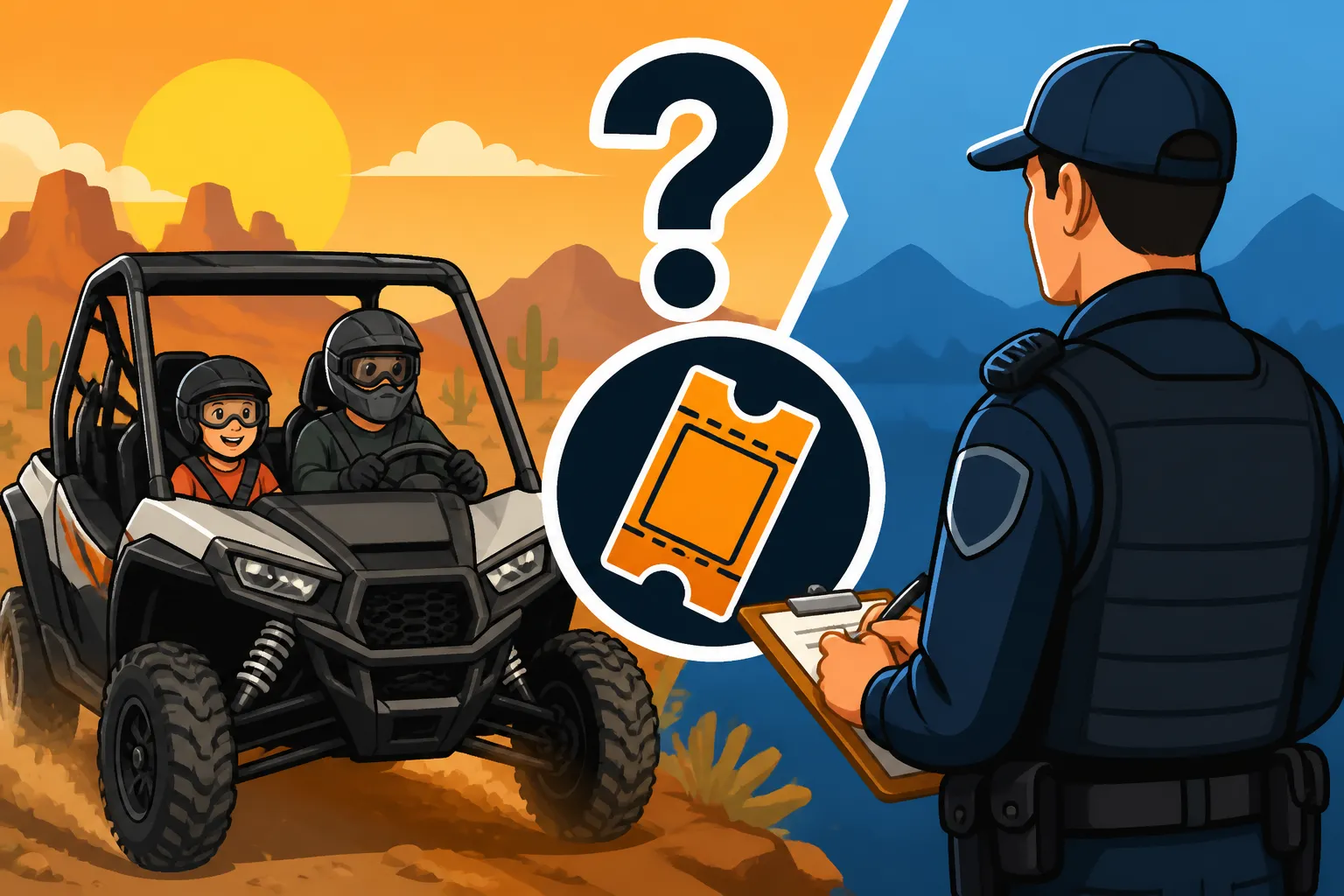
It’s a scenario many of us in Arizona have either witnessed or worried about: a child, full of youthful enthusiasm, riding an off-highway vehicle (OHV) in the desert or on a designated trail. But what happens if that ride goes sideways and an enforcement officer steps in? The question isn't just about the child's safety, which is paramount, but also about the legal repercussions. It can be incredibly confusing for parents to understand who, exactly, is on the hook when a minor is found operating an OHV in violation of Arizona's intricate laws. This guide will break down the laws, the responsibilities, and the potential consequences for everyone involved, aiming to clarify this often-misunderstood aspect of OHV recreation in our beautiful state.
Understanding the Legal Concept of "Operator" and "Owner"
When a ticket is issued for an OHV infraction, especially one involving a minor, the conversation often immediately turns to who is legally responsible. In Arizona, the distinction between the "operator" and the "owner" of the vehicle can be crucial, as both can face consequences depending on the specifics of the violation and the circumstances surrounding it. It's not always as simple as the person with their hands on the handlebars.
Who is Legally Considered the "Operator"?
The operator of an OHV is generally understood to be the person who is actively in physical control of the vehicle. This is usually the person steering, accelerating, and braking. For adults, this distinction is straightforward. However, when a minor is involved, especially a very young child, things can get a bit more nuanced. While the child might be physically operating the machine, Arizona law often looks beyond the immediate action to the adult who permitted or facilitated that operation. The child's age, their demonstrated competency, and the specific location of the infraction all play a role in how "operator" is interpreted.
An officer observing a violation will typically identify the person in direct control as the operator. If that person is a minor, the inquiry then extends to the supervising adult. It's not uncommon for both the minor (if of a certain age for specific infractions) and the supervising adult to be cited, or for the adult to bear the brunt of the citation entirely. This dual responsibility highlights the serious nature of ensuring compliance with age and safety regulations, even when you're just a passenger or an observer. It's a heavy mantle for parents to wear, knowing their child's momentary lapse in judgment could lead to serious legal headaches for them.
Defining the "Owner's" Responsibility
The owner of an OHV carries a significant burden of responsibility under Arizona law, even if they aren't physically present or operating the vehicle at the time of an infraction. Owning a machine means you are responsible for its proper registration, ensuring it has the required [Arizona's Annual OHV Decal Explained], and that anyone you allow to operate it meets the legal requirements. If you lend your side-by-side to a friend who then lets their underage, unsupervised child ride it and an incident occurs, you, as the owner, could face repercussions.
This responsibility is amplified when the owner is also the parent or guardian of a minor operating the machine. Providing a machine to a child who is either too young to operate it legally, or who is operating it in an unsafe or illegal manner without proper supervision, can directly link the owner to the violation. Officers often look at the chain of custody and permission. If you're the parent and the owner, it's a direct line to you. This is why understanding [Youth Machine Size Rules Arizona Parents Ask About] and other age-related restrictions is so vital, not just for the child's safety but for your own legal protection.
Arizona's Age Restrictions for OHV Operation
Arizona has clear guidelines regarding the age at which individuals can operate OHVs, and these rules are in place for the safety of the rider and others. These aren't just suggestions; they are enforceable laws designed to prevent accidents and ensure that operators have the necessary maturity and skill. Many parents, perhaps unfamiliar with the specifics, might unintentionally put themselves and their children at risk.
Rules for Operators Under 16 Years Old
For anyone under the age of 16, Arizona law imposes specific restrictions on OHV operation. Generally, a person under 16 cannot operate an OHV on public land or roads unless they are under the direct supervision of a parent, guardian, or an adult over 18 years of age. Furthermore, the machine itself must be appropriate for their age and size. There are engine size limits for riders under 16, which means that putting a very young child on a powerful utility-terrain vehicle (UTV) or a large ATV is not only dangerous but potentially illegal, even with supervision.
The nuance here is "direct supervision." This typically means the supervising adult must be within visual and audible range, able to immediately intervene if necessary. It doesn't mean dropping your child off at one end of a trail and picking them up an hour later at the other. If an enforcement officer encounters a child under 16 operating an OHV without this direct, immediate supervision, the supervising adult (if identifiable) or the owner of the machine will likely be held responsible. This is a critical point that often catches parents by surprise when [Arizona Rules for Operators Under 12] or slightly older children are involved.
Specific Requirements for Operators 16 and Older
Once an individual reaches 16 years of age, the rules surrounding OHV operation loosen somewhat, primarily concerning the need for direct adult supervision. At 16, a person can generally operate an OHV on public lands and roads without needing an adult present, much like operating a standard motor vehicle. However, they are still subject to all other OHV laws, including having a valid [Arizona's Annual OHV Decal Explained] for the machine and adhering to all safety regulations. If the machine is street-legal, they would also need a valid driver's license.
Even at 16, there's an educational component that applies to all riders. Everyone, regardless of age, who operates an OHV on public lands must either have a valid driver's license or complete the free mandatory OHV safety education course. So, while direct supervision might no longer be a requirement for a 16-year-old, the responsibility for knowing and following all other rules shifts squarely onto them, and by extension, their parents who provided the machine. If a 16-year-old gets a ticket, while they are the operator, the parents might still be involved in the legal process, especially regarding fines or any subsequent actions taken by the courts.
Parental Responsibility Under Arizona OHV Law
Arizona law places significant emphasis on parental responsibility when it comes to minors operating OHVs. This isn't just about general parenting; it's codified in specific statutes that hold adults accountable for the actions of children they allow to ride. The state understands that children, by nature, may lack the judgment and experience to make safe decisions, and thus, the onus falls on the adults in their lives.
Legal Guardianship and Direct Supervision Requirements
For any minor operating an OHV on public lands or roads in Arizona, the presence of a parent, guardian, or an adult over 18 years old providing direct supervision is often a non-negotiable legal requirement. "Direct supervision" is not a vague concept; it implies active oversight. The adult needs to be close enough to see the child, hear them, and be able to immediately stop them if they are engaging in unsafe behavior or violating a law. This means riding alongside them, or at least in very close proximity. It's a hands-on requirement.
If an enforcement officer observes a minor operating an OHV without this required direct supervision, the citation will almost certainly be directed at the supervising adult or the parent/guardian who allowed the activity. This is a common situation where [Citations Arizona Writes to Parents] come into play. Many parents mistakenly believe that as long as they are "nearby" – perhaps relaxing at a trailhead while their child explores a loop – they are fulfilling their duty. The law, however, is much stricter, demanding an active and present supervisory role to ensure the child's safety and adherence to regulations.
Providing a Machine to a Minor: Consequences
Simply allowing a minor to use your OHV, or purchasing one for them, comes with significant legal implications if they are not compliant with Arizona's OHV laws. If you provide an OHV to a minor who is then found to be operating it illegally—whether it's due to their age, lack of required safety gear, or operating in a restricted area—you, as the adult who furnished the machine, can be held liable. This extends beyond just providing the vehicle; it includes failing to ensure they have the necessary safety equipment, like a helmet for riders under 18, as detailed in [Arizona Helmet Rules for Riders Under 18].
Imagine a scenario where a 10-year-old is given a powerful side-by-side by their parents and is later found riding it alone on public land. The child is under the legal age for unsupervised operation, and the machine might be too large for them. In such a case, the parents would face penalties for allowing the unlawful operation, in addition to any specific violations the child committed (like not having a [Arizona's Annual OHV Decal Explained] on the machine). This highlights the need for parents to be fully aware of the regulations and to take proactive steps, such as enrolling their child in [Arizona's Free Mandatory OHV Decal Course], even if it's not strictly mandatory for their age, to ensure they are well-versed in safe riding practices.
Legal Statutes and Violation Classifications
When an OHV infraction involving a minor occurs in Arizona, it's not just a slap on the wrist. There are specific state laws that govern OHV operation, and violations can carry distinct classifications and penalties. Understanding these legal frameworks helps illuminate why enforcement officers take these situations so seriously.
Overview of Relevant Arizona Statutes
Arizona Revised Statutes (A.R.S.) contain the specific laws that govern OHV operation. For example, A.R.S. Title 28, Chapter 3, deals with OHVs and defines various offenses, including age restrictions, registration requirements, and safety equipment mandates. These statutes lay out the framework for what is considered legal and illegal conduct when operating an OHV on public and private lands in Arizona. It's not a generic "reckless endangerment" charge right off the bat, but rather specific violations such as operating an OHV without the proper decal, operating underage without supervision, or failing to wear required protective gear.
These laws are designed not only to protect the rider but also to maintain public safety and preserve natural resources. For instance, sections related to noise limits or environmental damage could also apply if a minor is operating an OHV irresponsibly. It's essential for any OHV owner, especially parents, to familiarize themselves with these laws. Ignorance of the law is generally not a valid defense, and the complexities of ensuring compliance for a young rider can be challenging, but it's a necessary part of responsible OHV ownership and use.
Classes of Violations and Associated Penalties
OHV violations in Arizona are typically classified as civil traffic violations or, in more serious cases, misdemeanors. The severity of the penalty depends on the specific offense. For instance, operating an OHV without an [Arizona's Annual OHV Decal Explained] or failing to carry the proper paperwork might result in a civil citation with a fine. These fines can add up quickly, especially if multiple infractions are noted. The fines are set by state statute and can vary, but they are not insignificant.
More serious violations, such as reckless operation, operating under the influence, or repeated offenses, can escalate to misdemeanor charges. A misdemeanor carries more severe consequences, including potentially higher fines, community service, loss of riding privileges, and even jail time in extreme cases (though less common for minors themselves, the supervising adult could face such consequences). When a minor is involved, the court often considers the role of the parent or guardian in allowing the unlawful operation. A conviction can also lead to points on an adult's driving record or impact future licensing. This is why it's so important to understand the potential [Arizona Penalties for Reckless Riding] and other serious infractions.
Enforcement on Arizona Trails and Roads
The vast and diverse landscapes of Arizona, from the Sonoran Desert to the high country forests, are patrolled by various law enforcement agencies. These officers are specifically trained to identify and address OHV violations, including those involving minors. Knowing who might pull you over and what triggers their attention can help riders stay compliant and safe.
Agencies Responsible for OHV Enforcement
In Arizona, OHV laws are enforced by a range of agencies. This includes local county sheriff's deputies, Arizona Game and Fish Department (AZGFD) wildlife managers and officers, Arizona State Parks rangers, U.S. Forest Service law enforcement officers, and Bureau of Land Management (BLM) rangers. Each agency has jurisdiction over specific public lands and roads, but they all share the common goal of ensuring safe and legal OHV operation. When you're out riding, especially in popular areas like the Cinder Hills or near Lake Havasu, you're likely to encounter patrols from one or more of these agencies.
These officers are often seasoned OHV riders themselves, giving them a keen eye for violations. They know the common infractions, such as missing decals, lack of required safety gear, or improper operation. When they see a minor on an OHV, their radar immediately goes up to check for age compliance and proper supervision. They're not out to ruin anyone's fun, but rather to enforce laws designed to prevent accidents and protect the fragile desert environment. Their presence means that even in remote areas, riders are expected to adhere to all regulations.
Common Scenarios Leading to Citations for Minors
Several common scenarios often lead to enforcement officers issuing citations when a minor is operating an OHV. The most frequent is a child, particularly one under 16, being found operating an OHV on public land without direct adult supervision. This could be a 12-year-old joyriding far from the family camp or a teenager without a driver's license operating a street-legal machine on a county road. Another significant trigger is the absence of required safety equipment, especially helmets for riders under 18, or safety belts/nets in a side-by-side, as highlighted in [Arizona Rules for a Child Passenger].
Officers also look for machines that don't have the necessary [Arizona's Annual OHV Decal Explained] or are being operated in restricted areas, such as wilderness boundaries or private property without permission. Noise violations, reckless driving, or operating a machine too large for the child's age are also common reasons for intervention. Many times, it's not malicious intent but simply a lack of awareness of the specific rules. For example, a parent might allow their child to ride on what they believe is "private land" but is actually [Arizona State Trust Land Recreational Permits] that requires specific permits, or even public land where stricter rules apply. An officer encountering any of these situations will typically approach, assess the situation, and if a violation is present, issue a citation to the responsible adult.
Beyond the Ticket: Other Liabilities
While the immediate concern after an OHV incident involving a minor might be the ticket itself, the potential liabilities extend far beyond just fines. Serious accidents can lead to significant civil lawsuits, and understanding how your insurance coverage might respond is crucial for any parent or OHV owner.
Civil Liability and Accidents Involving Minors
If a minor operating an OHV causes an accident that results in injury to another person or significant property damage, the legal fallout can be substantial. In Arizona, parents or legal guardians can be held civilly liable for the actions of their minor children, especially if it can be proven that they were negligent in their supervision or in allowing the child to operate the OHV. This is often referred to as "negligent entrustment" – the act of entrusting a dangerous instrumentality (like an OHV) to an individual who is incompetent or unqualified to operate it.
A civil lawsuit could seek damages for medical expenses, lost wages, pain and suffering, and property repair. These costs can quickly escalate into hundreds of thousands, or even millions, of dollars. Even if the minor themselves committed the negligent act, the suit would typically target the assets of the responsible adults. This adds a layer of solemnity to the need for strict adherence to [Arizona Age Rules for Young Riders] and diligent [Supervising a Young Rider in the Desert]. A simple desert ride gone wrong could financially devastate a family, underscoring the importance of prevention and proper safety measures.
Insurance Implications and Coverage
Your OHV insurance policy is your first line of defense against both legal defense costs and civil liability claims. However, it's critical to understand the specifics of your policy, as not all insurance plans are created equal, and some may have exclusions related to minors or illegal operation. Many policies will have specific clauses regarding operators under a certain age, or if the machine is being operated in a manner that violates state law.
For example, if a child is operating an OHV without the required direct adult supervision, or if they are on a machine that is too powerful for their age according to state guidelines, an insurer might deny coverage for an accident. This leaves the parent or owner personally responsible for all damages and legal fees. Furthermore, while [Arizona Liability Minimums for Street-Legal Machines] exist, these minimums might not be enough to cover serious injuries in a major accident. It's always advisable to carry higher liability limits, especially if minors will be using the machines, and to specifically discuss OHV use by minors with your insurance provider to ensure you have adequate coverage for all foreseeable scenarios.
Preventative Measures and Best Practices
Avoiding tickets and, more importantly, preventing accidents involving young riders, hinges on adopting robust preventative measures and adhering to best practices. This isn't just about following the law; it's about fostering a culture of safety and responsibility within your riding family.
Mandatory Education and Training
Arizona offers a fantastic resource for all OHV riders, particularly those new to the sport or those who are ensuring their children are properly trained: [Arizona's Free Mandatory OHV Decal Course]. While a driver's license can exempt adults from this course, it is highly recommended for everyone, especially if a driver's license isn't held by the rider. For minors, this course is invaluable. It covers essential topics like safe riding practices, environmental responsibility, and the specific laws governing OHV operation in Arizona.
Beyond the mandatory course, hands-on training is critical. Enrolling children in formal OHV safety training programs, often offered by organizations like the ATV Safety Institute, can provide them with crucial skills and judgment that are difficult to teach informally. These courses teach everything from basic machine control to hazard awareness and emergency procedures. Proper training instills confidence and competence, reducing the likelihood of accidents and ensuring that young riders understand the gravity of operating powerful machinery.
Proper Machine Selection and Safety Gear
Choosing the right OHV for a child is paramount. It's not just about size and power; it's about the child's individual skill level, maturity, and physical capabilities. Arizona has specific guidelines regarding [Youth Machine Size Rules Arizona Parents Ask About], which dictates engine displacement based on age. Ignoring these guidelines puts your child at undue risk and can be a basis for legal liability. When looking for aftermarket parts to make a machine safer or more age-appropriate, reputable brands like SuperATV offer a wide range of accessories, from enhanced roll cages and harnesses to safety flags and limiting straps, that can help tailor a machine for younger riders. Always check that any modifications comply with state laws and manufacturer recommendations.
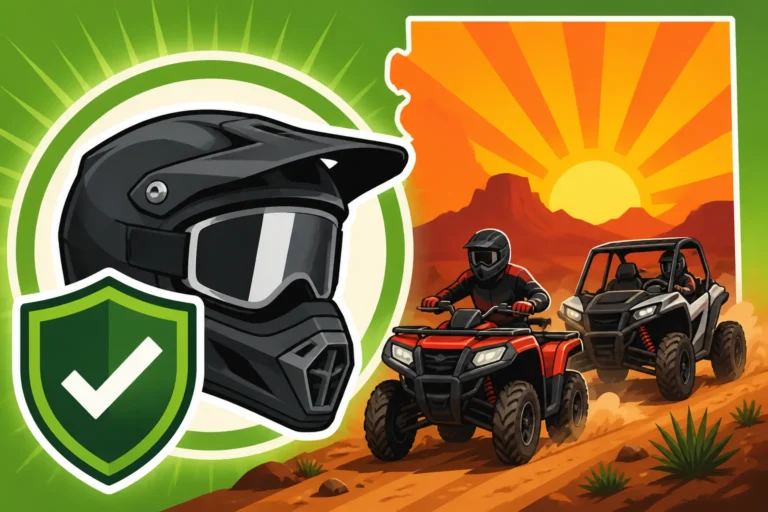
Equally important is ensuring that every rider, particularly minors, wears appropriate safety gear. This includes a DOT-compliant helmet (which is legally required for anyone under 18 in Arizona), eye protection (goggles or a face shield), sturdy over-the-ankle boots, long pants, a long-sleeved shirt, and gloves. This gear isn't optional; it's a critical layer of protection against injuries in the event of a fall or collision. As a parent, you are responsible for providing and enforcing the use of this gear, ensuring your child is as protected as possible during every ride.
Creating a Safe Riding Environment
Even with proper training and gear, the environment in which a child rides plays a huge role in their safety. This means choosing appropriate riding locations, understanding the terrain, and setting clear rules for your children. Start young riders on flat, open terrain away from obstacles, and gradually introduce them to more challenging environments as their skills develop. Always ride within your children's capabilities, not your own.
Before any ride, conduct a safety briefing. Discuss the route, potential hazards, and reinforce riding rules. Teach children about environmental stewardship and how to respect other trail users. It's also vital to communicate expectations about speed, distances, and staying within sight. If your children are riding with friends, ensure all parents are aware of and agree to the same safety protocols. Creating a consistent and disciplined riding culture not only keeps kids safe but also models responsible behavior for them, preparing them for a lifetime of enjoyable and legal OHV recreation.
Navigating the Legal System After a Citation
Receiving an OHV citation, especially one involving your child, can be a stressful experience. However, understanding the process for contesting a ticket and the potential long-term consequences can help you navigate the legal system more effectively.
Options for Contesting an OHV Citation
If you receive an OHV citation for yourself or as the responsible adult for a minor, you generally have a few options. First, you can simply pay the fine, which is an admission of guilt. This closes the case but means the violation will be on your record. Second, you can request a hearing to contest the citation. This is often done if you believe the officer made a mistake, you were wrongly accused, or there were mitigating circumstances. During a hearing, you would present your case to a judge or hearing officer, who would then make a determination.
If you choose to contest, it's wise to gather any evidence you might have: photos, witness statements, or documentation proving compliance (like a valid OHV decal, safety course completion certificate, or proof of supervision). Sometimes, consulting with an attorney experienced in traffic or OHV law can be beneficial, especially for more serious infractions or if there's a risk of points on your driving record. It's important to remember that these are legal proceedings, and having clear, factual information to present is key.
Consequences for Repeat Violations
Arizona's legal system takes repeat violations seriously, and OHV infractions are no exception. If a parent or guardian is cited multiple times for offenses involving a minor's OHV operation, the penalties can escalate significantly. What might start as a civil traffic fine could, with repeated offenses, lead to higher fines, mandatory court appearances, and potentially even misdemeanor charges. The courts might view repeated infractions as a pattern of negligence, leading to more severe legal repercussions.
Beyond the immediate legal penalties, repeat violations can also affect other aspects of your life. They could impact your insurance rates, lead to probationary periods, or in extreme cases, result in the suspension of OHV riding privileges. For the minor involved, a history of infractions, even if the parent receives the ticket, could be considered in future legal contexts. The goal is always to avoid any citations, but especially to prevent a pattern of non-compliance that could lead to a much more difficult and costly legal battle down the road.
Special Circumstances and Exemptions
Arizona's OHV laws are comprehensive, but they also recognize certain special circumstances and offer limited exemptions. Understanding these can prevent misunderstandings with law enforcement and ensure you're always operating legally.
OHV Use on Private Property Versus Public Land
A common misconception among OHV owners is that all rules vanish once you're on private property. While it's true that some state-level regulations, like the requirement for an [Arizona's Annual OHV Decal Explained], often apply only to public lands, riding on private property is not a free-for-all. Local ordinances (county or city) may still apply, particularly regarding noise, nuisance, or trespassing. Moreover, the fundamental responsibility for safety, especially when a minor is operating an OHV, remains with the parent or owner.
If you are [Riding a Friend's Acreage], for instance, you still need permission, and while a state decal might not be required, age restrictions and helmet laws (especially for minors) could still be enforced if local statutes align. The biggest difference is the presence of state or federal enforcement officers; they typically don't patrol private land unless a specific crime or public nuisance is reported. However, if an accident occurs on private property due to negligence, the civil liability aspect remains very much in play, and your insurance might still be affected. Always check local regulations, even on private land, to ensure full compliance.
Exemptions for Ranch and Farm Machines
Arizona law does provide some limited exemptions for OHVs used in agricultural operations. For machines primarily used for farming, ranching, or other agricultural purposes, certain requirements, such as the annual OHV decal, may not apply when they are being operated directly for these tasks on agricultural land or when crossing a public road between fields. These machines are considered tools for work rather than recreational vehicles. This is covered in more detail in [Arizona OHV Rules for Ranch and Farm Machines].
However, these exemptions are specific and narrowly defined. They do not mean that a ranch UTV can be used for recreational riding on public land without a decal, or that a child can operate it unsupervised simply because it's a "work vehicle." If a farm OHV is used for anything other than its agricultural purpose on public land, it must meet all standard OHV requirements, including proper registration, decals, and adherence to age and safety regulations. Parents using OHVs for ranch or farm work need to be especially mindful of these distinctions to avoid inadvertently violating state law.
| Scenario | Age of Minor | Required Supervision | Potential Responsible Parties | Key Law/Regulation |
|---|---|---|---|---|
| Public Land, Unsupervised | Under 16 | Direct Adult (Parent/Guardian/18+) | Parent/Guardian/Owner | A.R.S. 28-1177(B) |
| Public Land, Supervised, No Helmet | Under 18 | Direct Adult (Parent/Guardian/18+) | Parent/Guardian/Adult Supervisor | A.R.S. 28-1179(A) |
| Public Road, Under 16, No License | Under 16 | Driver's License Required for Road | Parent/Guardian/Owner | A.R.S. 28-2051 |
| Any Location, Reckless Operation | Any Age | N/A | Operator & Parent/Guardian | A.R.S. 28-1175 |
| Private Land (No Decal) | Any Age | Varies (Parent/Owner Responsibility) | Parent/Owner | Local Ordinances, Civil Liability |
| Ranch Machine (Recreational Use) | Under 16 | Direct Adult (Parent/Guardian/18+) | Parent/Guardian/Owner | A.R.S. 28-1177 (if not for farm use) |
Disclaimer
This article is for general informational purposes only and does not constitute professional advice. Laws, prices and regulations vary by location and change over time. Consult a qualified professional for guidance on your specific situation.