Checking a Serial Number Before Handing Over Cash
It’s a tale as old as time in the desert riding community: you’ve found what looks like a killer deal on an ATV or UTV, but that little voice in the back of your head is whispering doubts. Is it stolen? Does it have a hidden past? Before you hand over your hard-earned cash, taking the time to thoroughly check the machine’s serial number is absolutely crucial, and this guide will walk you through every step to protect yourself from a regrettable purchase.
The Critical First Step: Locating and Verifying the VIN
Finding the Vehicle Identification Number (VIN) might sound straightforward, but it’s often the first hurdle for potential buyers, especially when dealing with machines that have seen a lot of desert miles. This 17-character code is essentially your ATV or UTV’s unique fingerprint, and it’s the key to unlocking its history.
Where to Find That Elusive VIN
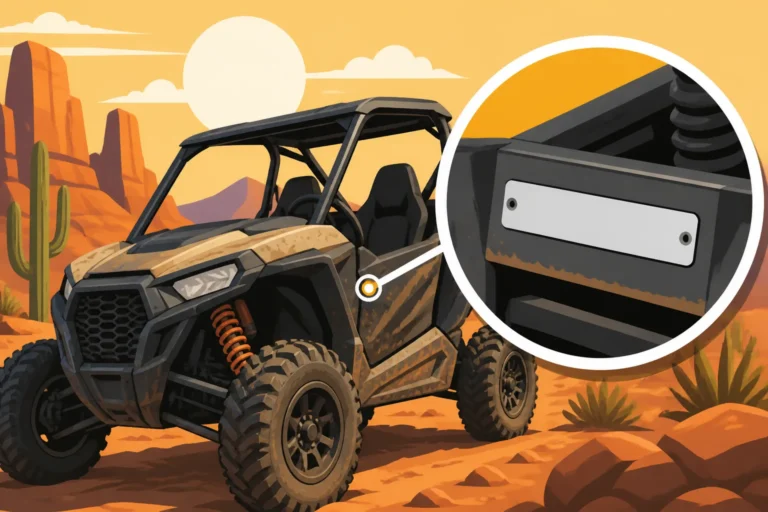
On most ATVs and UTVs, the VIN is stamped directly onto the frame, often in a few common locations. For many quads, you’ll want to look at the front frame down tube, usually near the steering neck. For side-by-sides, it can be on the frame rail under the driver’s seat, near one of the wheel wells, or sometimes on a permanent plate in the engine bay or glove box. It’s also often on the engine casing itself. Manufacturers are required to place it in a location that’s difficult to alter, but also typically visible without major disassembly.
The important thing is to be diligent. Don't just glance; really get in there with a flashlight and a rag. Sometimes, years of mud, dust, and general desert grit can obscure the numbers. You might need to gently scrape away some buildup to make each character clear. If the seller seems hesitant for you to get up close and personal with the machine, that’s an immediate yellow flag. It’s your right, as a potential buyer, to verify this number thoroughly. In some cases, especially with older machines, there might be secondary VIN locations, so if you find one, try to locate another for cross-verification. Trust me, the extra five minutes here can save you thousands later. For tips on how to handle machines that have really been through it, check out [Finding the VIN on a Desert-Worn Machine].
Why a Clear, Unaltered VIN Matters
Once you locate the VIN, the next step is to scrutinize it. What you're looking for here is clarity and consistency. The numbers and letters should be uniformly stamped into the metal, without any signs of grinding, welding, or re-stamping. Any irregularity – faded sections, uneven spacing, or what looks like a patch job – is a major red flag. This could indicate someone has attempted to alter or remove the VIN, which is often a sign that the machine is stolen or has been involved in some other illegal activity.
Buying a machine with a defaced VIN can lead to a heap of legal troubles. In Arizona, operating a vehicle with an altered or removed VIN is a serious offense, and you could face fines, impoundment of the machine, and even criminal charges, even if you bought it innocently. It becomes incredibly difficult, if not impossible, to register or title such a machine, effectively making it useless for legal riding. If you spot any signs of tampering, it's best to walk away from the deal immediately, no matter how good the price seems. It’s just not worth the headache and legal risk.
Decoding the VIN: What the Numbers Tell You
Once you’ve got a clear, unaltered VIN in hand, it’s time to start deciphering what those 17 characters actually mean. This isn't just a random string of numbers and letters; it's a globally recognized standard that holds a wealth of information about the machine itself.
Understanding the 17 Characters
The 17-character VIN is broken down into three main sections: the World Manufacturer Identifier (WMI), the Vehicle Descriptor Section (VDS), and the Vehicle Identifier Section (VIS). The WMI, the first three characters, tells you who manufactured the machine and the country it was made in. For example, "1HF" might indicate a Honda made in the USA. The VDS, characters four through nine, describes the vehicle's attributes, such as its body type, engine size, and series. This is where you can confirm if the seller's description matches the manufacturer's original specifications.
Perhaps one of the most useful characters for a used buyer is the tenth character. This digit or letter typically indicates the model year of the ATV or UTV. Knowing the exact model year is vital for parts, accessories, and understanding the machine’s depreciation. The eleventh character usually tells you the plant where the vehicle was assembled. The final six characters (the VIS) are the unique serial number assigned to that specific vehicle by the manufacturer. By understanding these segments, you’re not just looking at a number; you're reading a story about the machine's origin and core identity. For a deeper dive into decoding specific parts of the VIN, check out [Which VIN Character Gives Your Quad's Model Year].
Tools for a Quick VIN Check
The internet is your best friend when it comes to quickly decoding a VIN. There are numerous free online VIN decoders available with a simple search. You just type in the 17 characters, hit enter, and within seconds, you'll get a report that confirms the manufacturer, model, and year. This is your initial verification step, ensuring that the machine the seller is presenting matches what the VIN says it should be. If the decoder pulls up a different manufacturer or an entirely different type of vehicle, that's another serious red flag that needs investigation.
While these free decoders are fantastic for a preliminary check, it's important to understand their limitations. They primarily confirm the basic manufacturing details. They won't tell you about the machine's ownership history, accident records, or if it's currently listed as stolen. Think of it as verifying the machine's birth certificate. It confirms what it is, but not what's happened to it since it left the factory. This initial check is quick, easy, and absolutely essential before moving on to more in-depth background investigations.
Diving Deeper: Running a Background Check
Once you've confirmed the VIN is legitimate and matches the machine's basic identity, it's time to dig into its past. This is where you uncover the potential hidden problems that could turn your great deal into a money pit or a legal nightmare.
Checking for Theft Records
The absolute priority when buying any used vehicle, especially an ATV or UTV, is to ensure it hasn't been reported stolen. Unfortunately, off-highway vehicles are prime targets for thieves, and buying a stolen machine, even unknowingly, can lead to its confiscation without compensation, and you'll be out your money and your ride. This is why paying for a professional VIN check service that cross-references national theft databases is non-negotiable.
These services access databases like the National Insurance Crime Bureau (NICB) and various law enforcement records. They provide a comprehensive report that will immediately alert you if the VIN is associated with a stolen vehicle. Some sellers might offer to let you call the local police department yourself, but often, individual officers might only check local records, missing a theft reported in another state. A dedicated VIN check service provides a broader, more reliable search. It's a small investment for massive peace of mind. Without this step, you're essentially gambling with a very expensive piece of equipment. Don't skip it; it's your best defense against becoming an unwitting participant in a crime. For more information on this critical step, read [Screening a Used Quad for a Theft Report].
Uncovering Prior Ownership and Title History
Beyond theft, a comprehensive VIN check report can reveal a machine's entire title history, which is packed with crucial information. This is where you'll discover if the ATV or UTV has ever been branded with a "salvage," "rebuilt," "flood," or "junk" title. A "salvage" title typically means the machine was deemed a total loss by an insurance company due to damage (from an accident, fire, or flood). A "rebuilt" title indicates it was salvaged and then repaired and inspected, often with replacement parts. While buying a salvaged or rebuilt machine can be cheaper, it comes with inherent risks regarding its structural integrity and future resale value. Always approach these with extreme caution, and factor in the potential for hidden damage or issues down the road. You can learn more about what these designations mean in [What a Rebuilt Title Signals to a Buyer] and [Buying a Salvage Machine Cheap].
The report will also often show the number of previous owners and any lienholders. A lien means there's an outstanding loan against the machine, and the lienholder (usually a bank or credit union) legally owns a portion of it until the loan is paid off. If you buy a machine with an active lien, you could become responsible for that debt, or worse, the lienholder could repossess the machine. Always ensure the seller provides a lien release if the report shows one. This background check is truly your window into the machine’s past and can save you from inheriting someone else’s problems. It gives you a complete picture of [Arizona Records and a Machine's Ownership History] and helps you understand [Liens on an Arizona OHV Title].
Verifying the Seller's Information
This step is about connecting the dots between the machine, the VIN, and the person standing in front of you. First, meticulously compare the VIN you found on the machine to the VIN listed on the title and any current registration documents the seller provides. These numbers must match character for character. If there's any discrepancy, even a single digit, stop the transaction immediately and ask for clarification. A mismatch is a huge red flag that suggests either the paperwork is for a different machine, or something more nefarious is at play.
Next, verify that the seller's identification (driver's license or state ID) matches the name listed as the owner on the title. If the names don't match, the seller is not the legal owner and cannot legally transfer the title to you. They might be selling on behalf of someone else, which complicates things considerably, or they might not have proper ownership themselves. You need a clean chain of ownership. Finally, ensure you get a robust bill of sale. This legal document should include the VIN, make, model, year, purchase price, date of sale, and the full names, addresses, and signatures of both buyer and seller. A well-drafted bill of sale, like those available through services such as LawDepot, provides a written record of the transaction and protects both parties. It’s absolutely essential for future registration and titling. For details on what this document should contain, see [What an Arizona Bill of Sale Should Carry].
Taking Action: What to Do With the Information
After all your diligent VIN checking and background investigations, you'll have a clear picture of the ATV or UTV's history. Now comes the moment of truth: deciding whether to proceed with the purchase or walk away.
Red Flags and Deal Breakers
Let's be clear: some issues uncovered during a VIN check are absolute deal breakers. If you find any evidence of a tampered or defaced VIN, you must walk away. It's not just a risk; it's practically a guarantee of future legal trouble. Similarly, if the background check reveals the machine is stolen, immediately disengage from the seller and consider reporting your findings to the authorities. You don't want to be involved in that situation.
Another major red flag is an undisclosed lien. If the seller insists there are no liens but your report shows one, they are being dishonest, and you could end up owning a debt that isn't yours. Even if they promise to get a lien release, the safest course of action is to ensure it's cleared before you hand over any money. A seller's unwillingness to provide proper documentation (like a clear title in their name) or allowing you to conduct these checks should also send you running. The risks of ignoring these warnings far outweigh any potential savings. You could lose your entire investment, face legal battles, and be left with a machine you can't legally ride.
Proceeding with Confidence and Paperwork
If your comprehensive VIN check comes back clean – no theft records, no undisclosed liens, a consistent VIN, and a matching title – then congratulations! You can likely proceed with the purchase with a high degree of confidence. Even if the report shows a salvage or rebuilt title, and you're comfortable with that, at least you're entering the deal with full knowledge. Now, it's all about the paperwork to officially transfer ownership.
First, make sure the seller signs over the Arizona Certificate of Title to you correctly. This includes filling in the odometer reading (if applicable for the machine type), sale price, and date. Any errors can delay your titling process at the MVD. Next, finalize that comprehensive bill of sale, ensuring all details are accurate and both parties have signed it. Remember, resources like LawDepot can provide customizable, legally sound bill of sale templates that protect both buyer and seller. Having this clear documentation is vital for your records and for proving ownership. With the signed title and bill of sale in hand, your next step will be to head to the Arizona MVD or a third-party service to apply for your new [Getting an Arizona Certificate of Title for a Quad] and [Registering an OHV in Arizona] in your name. Taking these final steps promptly solidifies your legal ownership and gets you ready to hit the trails with peace of mind.
VIN Check Levels Comparison
| Feature | Basic Online VIN Decoder | Comprehensive VIN Check Report (Paid Service) |
|---|---|---|
| Cost | Often Free | Small Fee (typically one-time per VIN) |
| Information Provided | Manufacturer, Model, Year, Engine Type, Basic Specs | All basic info, plus: |
| Theft Check | No | Yes (National databases) |
| Lien Check | No | Yes (Active loans/liens) |
| Title History | No | Yes (Salvage, rebuilt, flood, junk, odometer rollback flags) |
| Number of Owners | No | Often included |
| Accident History | No | Sometimes included for severe incidents |
| Recommendation | Essential first step to verify basic machine identity | Crucial for identifying hidden risks and ensuring legal ownership |
Disclaimer
This article is for general informational purposes only and does not constitute professional advice. Laws, prices and regulations vary by location and change over time. Consult a qualified professional for guidance on your specific situation.