Arizona Use Tax After an Out-of-State Buy
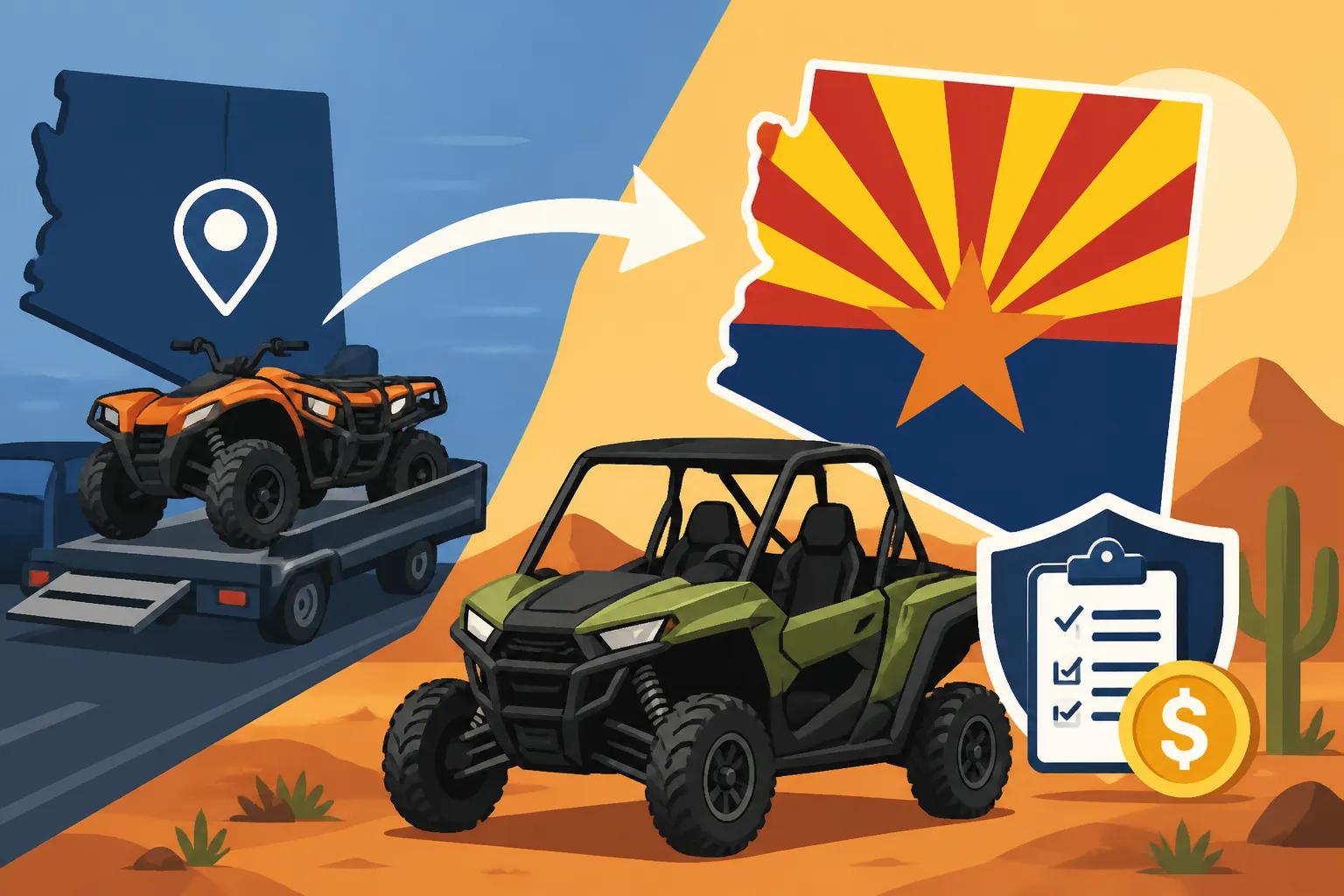
Alright, let's talk about something that trips up so many of us who love hitting the Arizona trails but bought our machine somewhere else: use tax. You snagged that fantastic side-by-side or ATV from a dealership across the border or a private seller a few states away, thinking you'd dodged the Arizona sales tax bullet, right? Well, not exactly. This guide is here to clear up the confusion around Arizona's use tax and ensure you're squared away when you bring your out-of-state OHV home.
What Exactly is Arizona Use Tax, Anyway?
You know sales tax, right? It's that percentage you pay when you buy something inside Arizona. But what happens when you buy a quad or UTV outside of our beautiful state and then bring it here to ride? That's where use tax comes in. Think of use tax as the state's way of leveling the playing field. It's designed to capture the tax revenue on goods purchased outside of Arizona but then "used" or stored within its borders, specifically when no sales tax, or a lower sales tax, was paid at the point of purchase. It's not about punishing you for shopping elsewhere; it's about ensuring fairness and funding state services, just like sales tax does for in-state purchases.
The "Why" Behind Use Tax for Out-of-State Purchases
Imagine if everyone just drove over to Nevada, bought their new Polaris RZR, and brought it back to Arizona, paying no sales tax to Arizona. Our state's coffers would be a lot emptier, and the very trails we love to ride—and the services that maintain them—would suffer. Use tax is crucial for ensuring that the economic activity generated by residents acquiring goods is taxed, regardless of where the transaction physically occurs. This tax revenue contributes to many aspects of the state's budget, including the Arizona Highway User Revenue Fund (HURF) and the OHV Fund, which directly benefits our trail system. Without it, you might find fewer resources dedicated to maintaining those incredible [Arizona's 40,000 Miles of OHV Trail] you're so eager to explore. It's a fundamental component of keeping our state services running smoothly, and that includes the very infrastructure OHV enthusiasts rely on.
When Arizona's Sales Tax Doesn't Apply, But Use Tax Does
The simplest way to think about it is this: if you bought your OHV from an Arizona dealer, they would have collected Arizona sales tax, and you wouldn't owe use tax. That's usually handled right there in the transaction, often with the dealer even filing the paperwork for you. However, if you bought your machine from a dealer in, say, California, and they charged you California sales tax, or perhaps you bought it from a private party in New Mexico, where no sales tax was collected on that specific type of private sale, then Arizona's use tax typically applies.
The key is that Arizona wants to collect its fair share of tax on items consumed or used within its borders. If you paid no sales tax, or paid a sales tax rate in another state that was lower than Arizona's combined state and local sales tax rate, you're generally going to owe Arizona use tax. This applies whether you're bringing a brand new UTV or a seasoned ATV into the state. It's one of those things that can easily be overlooked, especially if you're excited about your new purchase and focused on getting it registered and ready for the desert. But overlooking it can lead to complications down the line.
Calculating and Paying Arizona Use Tax on Your OHV
So, you've brought your shiny (or not-so-shiny, but still awesome) OHV into Arizona from another state. Now comes the part where you figure out what you owe and how to pay it. It can feel a bit like homework, but getting it right means peace of mind.
How to Figure Out What You Owe
Calculating Arizona use tax isn't quite as simple as just a single statewide percentage, because sales tax (and by extension, use tax) often includes both a state portion and a local (county/city) portion. The Arizona Department of Revenue (ADOR) is the place to start for the official rates. Generally, you'll apply the combined state and local sales tax rate that would have been charged if you had bought the machine in Arizona at your specific location.
Here's a simplified way to think about it:
- Find your purchase price: This is the actual amount you paid for the OHV. If you traded something in, it's typically the cash difference you paid, not the full value of the new machine.
- Determine the applicable Arizona sales tax rate: This is where it gets a little tricky because it depends on your specific city and county in Arizona. The state sales tax rate is consistent, but city and county rates vary. You'll need to check the ADOR website for the specific Transaction Privilege Tax (TPT) rates that apply to your residential address, specifically for the "retail sales" category.
- Subtract any sales tax already paid: If you did pay sales tax in another state, you might get a credit for that amount. For example, if you paid 5% sales tax in Utah, and Arizona's combined rate for your area is 8%, you would typically only owe the difference of 3% to Arizona. However, you can't get a refund if the other state's tax was higher; you just won't owe any more to Arizona.
- Calculate the use tax: Multiply the purchase price by the Arizona rate (or the difference if you received a credit for out-of-state tax paid).
Let's look at a hypothetical example:
| Purchase Detail | Value/Rate | Notes |
|---|---|---|
| OHV Purchase Price | $15,000 | Price paid for the machine in Nevada |
| Nevada Sales Tax Paid | $0 | Nevada has no sales tax on vehicles for out-of-state buyers usually |
| Arizona State Sales Tax | 5.6% | Constant statewide rate |
| Maricopa County Sales Tax | 0.7% | Example county rate |
| Phoenix City Sales Tax | 2.3% | Example city rate (if you live in Phoenix) |
| Total Arizona Rate | 8.6% | Sum of state, county, and city rates (5.6% + 0.7% + 2.3%) |
| Arizona Use Tax Due | $1,290 | $15,000 * 0.086 |
This table is a simplified example, and your exact rates might differ. It's crucial to check the current rates for your specific Arizona address. Resources like [Arizona Sales Tax on a Machine Purchase] can provide more context on how these rates typically apply.
The Payment Process: MVD and Beyond
Once you've calculated the use tax, how do you actually pay it? When you go to register your out-of-state OHV and apply for an Arizona title, the Arizona Motor Vehicle Division (MVD) or an authorized [Third-Party MVD Providers That Register OHVs] will typically collect the use tax that is due. This usually happens when you present your [Proof of Ownership for an Arizona Title], such as a bill of sale and the out-of-state title. They'll review your paperwork, confirm the purchase price, and assess the use tax.
It's important to be prepared for this. Don't go to the MVD office assuming you only need to pay registration and title fees. Have your bill of sale handy, clearly showing the purchase price and any sales tax paid in the other state. If you used a generic bill of sale, or one provided by a private seller, make sure it's complete and clearly spells out the transaction. Tools like those offered by LawDepot can provide templates for a [What an Arizona Bill of Sale Should Carry], which can be helpful if you're the buyer and want to ensure all necessary details are captured during a private sale. This document is critical evidence for proving the purchase price and any sales tax you might have already paid.
Common Scenarios and Avoiding Pitfalls
Understanding use tax can be tricky, especially when different states have different rules. Let's look at some common situations and how to avoid making mistakes.
What if I Paid Sales Tax in Another State?
This is a really common question, and thankfully, Arizona usually gives you a credit for sales tax you’ve already paid in another state. The general rule is this: if you paid sales tax on your OHV purchase in another state, Arizona will typically credit you that amount against the Arizona use tax you owe. You'll only be responsible for paying the difference if Arizona's combined state and local sales tax rate is higher than what you paid in the other state.
For example, if you bought your side-by-side in California and paid 7.25% California sales tax, and your Arizona combined rate is 8.6%, you would only owe the difference of 1.35% to Arizona. However, if you paid 8.6% in California and your Arizona rate is also 8.6%, you wouldn't owe anything extra to Arizona. If you paid more sales tax in the other state than Arizona's rate, you won't get a refund from Arizona; you simply won't owe any use tax to Arizona. This credit system prevents you from being double-taxed on your purchase, which is a relief for many riders. Just make sure you have clear documentation—like a dealer invoice or sales contract—showing the sales tax you paid in the other state when you go to the MVD. This applies when you're [Registering an Out-of-State Machine in Arizona], so ensure all your paperwork is in order.
The Consequences of Skipping Use Tax
Ignoring use tax isn't just a minor oversight; it can lead to real headaches. If the MVD determines you owe use tax and haven't paid it, they can hold up your [Arizona MVD OHV Registration Explained] and titling process. You won't be able to get your [Arizona Certificate of Title for an Off-Highway Vehicle] or your OHV decal until the tax is paid. This means you can't legally ride your machine off-highway on public lands in Arizona.
Beyond just the registration hurdle, if the state eventually discovers unpaid use tax, you could be subject to penalties and interest on the overdue amount. It's not uncommon for the ADOR to conduct audits or cross-reference vehicle purchase data, especially for higher-value items like new UTVs. While the MVD usually handles the initial collection during registration, the ADOR ultimately oversees all tax compliance. So, trying to avoid a few hundred dollars in use tax could end up costing you significantly more in penalties and interest down the road, not to mention the frustration of dealing with bureaucratic issues when all you want to do is ride. It's far better to address it proactively.
Keeping Your Paperwork in Order
The old saying "good records are your best friend" couldn't be more true when it comes to out-of-state OHV purchases and use tax. Having everything organized makes the process smoother and protects you from potential issues.
Essential Documents for Your Records
When you bring an OHV into Arizona from another state, you'll want to keep a very clear paper trail. Here's what you absolutely should have:
- Bill of Sale: This is paramount. It should clearly state the purchase date, the full purchase price, the buyer's name, the seller's name, and a complete description of the OHV, including the Vehicle Identification Number (VIN). If it was a private sale, make sure both parties signed it. Templates from services like LawDepot can help ensure this document is comprehensive and legally sound, covering all the bases you'd want in an [Arizona Bill of Sale Should Carry].
- Out-of-State Title or Manufacturer's Statement of Origin (MSO): If the machine was titled in another state, you need that title, properly signed over to you by the seller. If it's a brand new machine, you'll need the MSO from the manufacturer.
- Proof of Sales Tax Paid (if applicable): If you paid sales tax in the state of purchase, you need an invoice or receipt from the dealer clearly showing the amount of sales tax collected. This is what you'll use to claim a credit against Arizona's use tax.
- Any Loan/Lien Documents: If you financed your purchase, keep all loan documents. The MVD will need information about the lienholder to properly record it on your Arizona title. [Liens on an Arizona OHV Title] are important for legal ownership.
- Your Driver's License and Proof of Arizona Residency: While not directly for use tax, these are crucial for getting your OHV registered in Arizona.
Keeping these documents organized in a dedicated folder will save you immense time and stress when you head to the MVD. Imagine trying to explain your purchase without a clear bill of sale; it's a recipe for delays.
Professional Help with Your Out-of-State Purchase Paperwork
Sometimes, especially with complex transactions, or if you're dealing with a machine that has an unusual history, it might be worth seeking professional help. While most standard transactions are straightforward enough to handle at the MVD, there are situations where expert advice can be invaluable.
For instance, if you're unsure about the specific tax rates for your area, or if you have questions about whether your out-of-state sales tax credit is valid, consulting with a tax professional can provide clarity. They can help interpret the specific nuances of Arizona Use Tax After an Out-of-State Buy and ensure you're compliant.
For the legal documentation side of things, if you're buying from a private party and want to ensure your bill of sale is robust, or if you need other legal forms related to the transaction, resources like LawDepot can be quite useful. They offer customizable legal documents and forms, which can provide an added layer of confidence in your private sale paperwork. While they won't calculate your specific tax, having strong underlying documentation is foundational to a smooth registration process. A well-prepared buyer or seller using a reliable template minimizes potential disputes and ensures all relevant details are captured, making the use tax assessment at the MVD much simpler. Taking the extra step to get professional input or use reputable templates can prevent small issues from becoming big problems down the road.
Disclaimer
This article is for general informational purposes only and does not constitute professional advice. Laws, prices and regulations vary by location and change over time. Consult a qualified professional for guidance on your specific situation.